
Polyrhachis saigonensis
- Nama Ilmiah
- Polyrhachis saigonensis
- Subgenus
- Myrmothrinax
- Tribe
- Camponotini
- Subfamili
- Formicinae
- Penulis
- Forel, 1886
- Distribusi
- Ditemukan di 0 negara
Pendahuluan
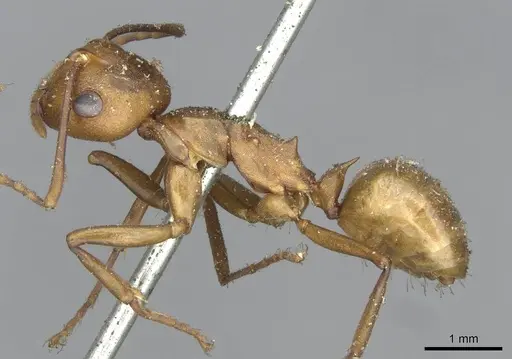
Polyrhachis saigonensis is a tropical ant species found in the Indomalaya region, including the Philippines, Singapore, and Vietnam . Workers are typical of the genus Polyrhachis, with spines on the thorax. As members of Formicinae, they defend by spraying formic acid rather than stinging. This species belongs to the subgenus Myrmothrinax, known for arboreal nesting habits . This species nests in trees using silk to construct protective structures, and pupae develop inside cocoons . This arboreal lifestyle distinguishes it from many ground-nesting ants.
Quick Summary
- Difficulty: Medium
- Origin & Habitat: Tropical Southeast Asia, found in the Philippines, Singapore, and Vietnam [1]. Naturally nests in arboreal locations, using silk to construct nests in trees and vegetation [2][3].
- Colony Type: Colony structure is unconfirmed. Based on genus patterns, likely monogyne (single queen) but polygyny has been observed in some Polyrhachis species.
- Size & Growth:
- Queen: size data unavailable
- Worker: size data unavailable
- Colony: Estimated several hundred workers based on typical Polyrhachis colony sizes [2].
- Growth: Moderate
- Development: Estimated 6-8 weeks at tropical temperatures (24-28°C) based on typical Polyrhachis development [2]. (Development time is inferred from genus patterns for tropical arboreal species. Cocoon stage adds time compared to naked pupae species.)
- Antkeeping:
- Temperature: Keep at 24-28°C, these are tropical ants that need warm conditions year-round. Room temperature may be sufficient if your home stays in this range, otherwise use a heating mat on one side of the enclosure [2].
- Humidity: High humidity is important, aim for 70-80% relative humidity. Arboreal nesting means they prefer moist air and regular misting. Allow the nest area to dry slightly between waterings but never let it become bone dry [2][3].
- Diapause: No, as a tropical species from Southeast Asia, they do not require hibernation. Keep them warm year-round [2].
- Nesting: Arboreal setup works best. Provide climbing structures like branches, cork bark, or live plants. A naturalistic setup with vertical surfaces for silk attachment is ideal. Y-tong or plaster nests can work but ensure adequate humidity and climbing opportunities [2][3].
- Behavior: Generally peaceful and not aggressive toward keepers. Workers are active foragers that will search for food both on the ground and on vegetation. They are not known for biting or stinging, their defense is spraying formic acid, which has a strong odor but minimal harm to humans. Escape risk is moderate, they are good climbers but not as small as some escape-artist species. Close observation shows they are alert and curious, exploring their territory actively [2].
- Common Issues: tropical temperature needs mean colonies can struggle in air-conditioned rooms or cold climates., arboreal setup requires more space and climbing structures than ground-nesting ant setups., high humidity requirements can lead to mold problems if ventilation is poor., silk-nesting behavior means they may not readily accept enclosed test tube nests., formic acid spraying can be unpleasant in enclosed spaces, ensure good ventilation.
Nest Preferences and Housing
Polyrhachis saigonensis is an arboreal species, meaning it naturally nests above ground in trees and vegetation rather than in soil [2]. In captivity, you should provide a setup that allows for climbing and vertical space. A naturalistic terrarium-style enclosure with branches, cork bark, or live plants works well, this gives them surfaces to walk on and places to attach their silk nests.
Unlike ground-nesting ants that readily accept test tubes, this species may be reluctant to enter enclosed spaces. They prefer open setups where they can move freely between areas. If using a formicarium, choose one with multiple chambers and plenty of climbing surfaces. Some keepers have success with hybrid setups that combine a small humid chamber (for brood) with a larger foraging area with climbing structures.
The key is providing humidity while also allowing ventilation. Arboreal ants are used to air movement through their nests, so stagnant conditions can cause problems. Use mesh-covered enclosures and avoid completely sealed setups [2][3].
Feeding and Diet
Like most Polyrhachis species, P. saigonensis is omnivorous with a preference for sweet liquids and protein. In captivity, they readily accept sugar water, honey, or diluted maple syrup as an energy source. For protein, offer small insects like fruit flies, small crickets, or mealworms. They are active foragers that will search for food both on the ground and on vertical surfaces.
Feed them a few times per week, offer sugar constantly (replace every 2-3 days) and protein every 2-3 days. Remove uneaten protein after 24 hours to prevent mold. In a naturalistic setup, they may also tend aphids or scale insects for honeydew if you include live plants.
These ants are not specialized predators, so they do not require live prey, frozen or pre-killed insects are usually accepted. However, they are more active and alert when given live prey to hunt, which also provides enrichment [2].
Temperature and Care
As a tropical species from Southeast Asia, Polyrhachis saigonensis needs warm temperatures year-round. Keep the colony at 24-28°C (75-82°F) for optimal brood development. Temperatures below 22°C can slow their activity and development significantly, while temperatures above 32°C may stress the colony.
If your room temperature is below this range, use a small heating mat placed on one side of the enclosure to create a warm zone. Always provide a temperature gradient so ants can move between warmer and cooler areas. Never place heating directly on the nest material as it can dry them out too quickly.
Because they are tropical, no hibernation or diapause is needed. Keep them at consistent warm temperatures throughout the year. This is one of the easier aspects of their care, no seasonal adjustments are required [2].
Behavior and Temperament
Polyrhachis saigonensis is generally calm and not aggressive toward keepers. Workers are active and curious, regularly exploring their territory. When threatened, they will spray formic acid as a defense, this has a distinctive pungent smell but causes minimal harm to humans. The spray is more of an annoyance than a real danger.
These ants are excellent climbers and will readily walk up walls, plants, and mesh. They are not particularly shy and will often emerge to investigate when you open the enclosure. This makes them enjoyable to watch as they forage and tend to their brood.
Colony activity levels are highest when temperatures are in their optimal range. You will see workers moving between the nest area and foraging areas, carrying food and caring for larvae. They are diurnal, most active during daylight hours [2].
Humidity Management
High humidity is essential for this species, aim for 70-80% relative humidity in their enclosure. Arboreal ants are used to the humid conditions found in tropical forests, and too-dry conditions can cause brood death and colony decline.
Maintain humidity by misting the enclosure regularly and using a water reservoir in the nest area. In naturalistic setups, live plants help maintain humidity through transpiration. Monitor for condensation on enclosure walls, some condensation is normal and good, but excessive dripping can indicate too much water.
At the same time, avoid completely stagnant, waterlogged conditions. Good ventilation is important to prevent mold growth. The goal is consistently damp conditions, not wet or dry extremes. Use a hygrometer to monitor humidity levels if possible [2][3].
Frequently Asked Questions
Can I keep Polyrhachis saigonensis in a test tube?
Test tubes are not ideal for this species. As arboreal ants, they prefer open spaces with climbing surfaces rather than enclosed tubes. They may refuse to enter a test tube setup entirely. A naturalistic terrarium with branches or a Y-tong nest with multiple chambers and climbing structures works better [2].
How long does it take for the first workers to emerge?
Expect 6-8 weeks from egg to worker at optimal tropical temperatures (24-28°C). This is typical for Polyrhachis species. The exact timing depends on temperature, warmer conditions speed development while cooler temperatures slow it significantly [2].
Are Polyrhachis saigonensis good for beginners?
They are moderate difficulty, easier than some tropical arboreal species but require more setup than common ground-nesting ants. You need to provide climbing structures, maintain high humidity, and keep them warm year-round. If you have experience with basic ant keeping and can provide a suitable arboreal setup, they are a good choice [2].
Do they need hibernation?
No, they do not need hibernation. As a tropical species from Southeast Asia, they require warm temperatures year-round. Keep them at 24-28°C consistently throughout the year without any cooling period [2].
What do Polyrhachis saigonensis eat?
They are omnivorous. Offer sugar water, honey, or maple syrup as a constant energy source. For protein, feed small insects like fruit flies, small crickets, or mealworms a few times per week. They will accept both live and pre-killed prey [2].
How big do colonies get?
Colonies typically reach several hundred workers. This is typical for Polyrhachis species, they are not among the largest ant genera but can form substantial colonies over time. Growth is moderate, with colonies taking a year or more to reach several hundred workers [2].
When should I move them to a formicarium?
Move them when the colony reaches around 30-50 workers and the founding setup becomes crowded. For arboreal species, ensure the new enclosure provides climbing surfaces and maintains humidity. A naturalistic setup with branches works well from the start, you may not need a separate founding container at all [2].
Why are my Polyrhachis saigonensis dying?
The most common causes are low temperatures (below 22°C), dry conditions (humidity below 60%), or poor ventilation causing mold. Check that your setup maintains proper warmth and humidity. Also ensure they have protein available, starvation can cause decline. Review all environmental conditions before assuming disease [2].
Can I keep multiple queens together?
Colony structure is not well documented for this specific species. Based on genus patterns, single-queen colonies are most common. Combining unrelated queens is not recommended as it often leads to aggression. If you start with multiple foundresses, monitor closely for fighting [2].
Report an Issue
The current care sheet is based fully on literature. See inconsistencies, or something that's incorrect? Please , it will be resolved after review from an admin. Contributing to the blogs tab also helps providing information, to make us be able to further improve the caresheets. Thank you for your support!
References

Lembar perawatan ini dilisensikan di bawah CC BY-SA 4.0 .
Blog Komunitas
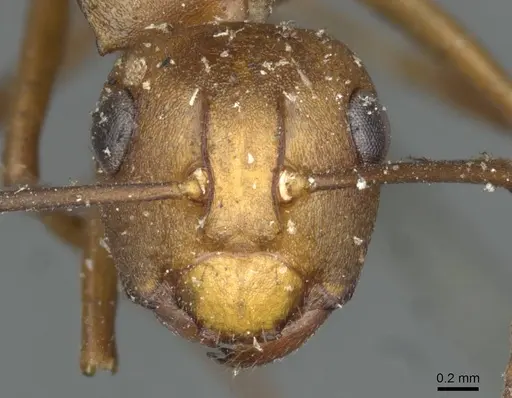
CASENT0910794
Lihat di AntWeb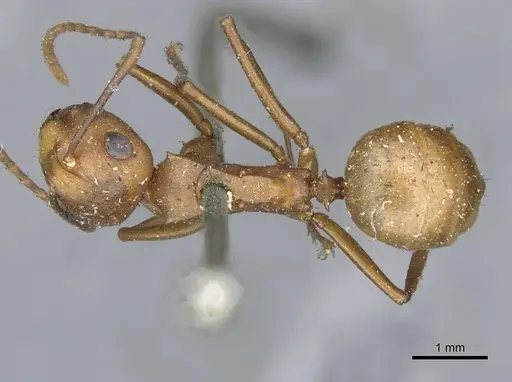
Literatur
Memuat peta distribusi...Memuat produk...