
Polyrhachis philippinensis
- Nama Ilmiah
- Polyrhachis philippinensis
- Subgenus
- Myrma
- Tribe
- Camponotini
- Subfamili
- Formicinae
- Penulis
- Smith, 1858
- Distribusi
- Ditemukan di 0 negara
Pendahuluan
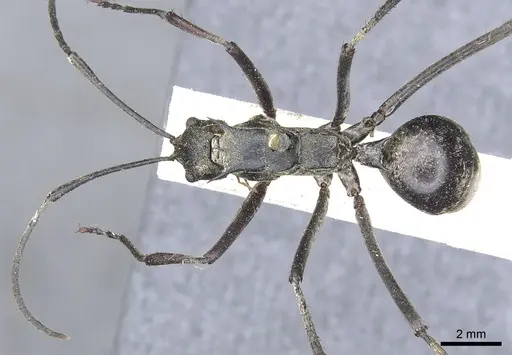
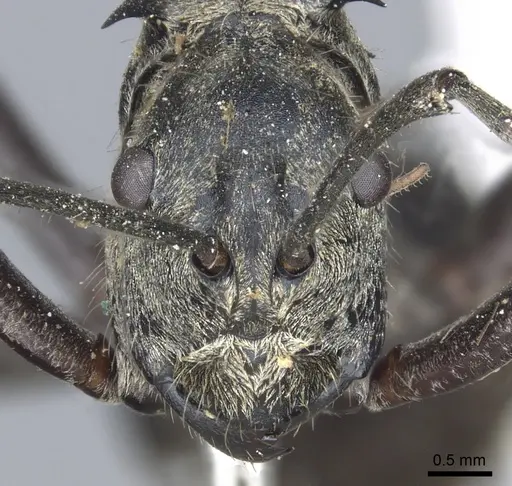
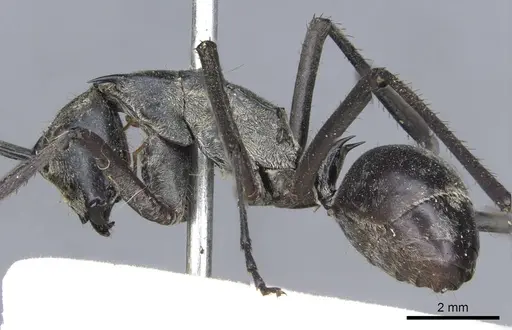
Polyrhachis philippinensis is a medium-sized ant native to the Philippines . Workers measure approximately 11 mm . Queens are larger, though exact measurements are unavailable and estimated from Polyrhachis genus patterns (~13-18 mm). These ants feature a distinctive leathery texture on the head and thorax, with fine yellowish-white pubescence that rubs off easily, leaving the abdomen shiny. Their legs are long and nearly hairless, and their thorax is elongated and four-sided . They nest in woody vegetation and rotting wood in tropical forests. In captivity, they display a calm temperament and striking spiny morphology, making them a visually appealing choice for keepers who can provide stable tropical conditions. These ants are arboreal by nature, which means they prefer tight, enclosed chambers over open soil setups. Their calm demeanor and unique physical traits make them a rewarding species to keep, provided you can maintain warm, stable conditions year-round.
Quick Summary
- Difficulty: Medium
- Origin & Habitat: Philippines [1][2]. They inhabit tropical forest environments and nest in rotting wood or under bark.
- Colony Type: Based on typical Polyrhachis patterns, these ants likely form single-queen colonies. Multi-queen colonies are uncommon in this genus.
- Size & Growth:
- Antkeeping:
- Temperature: Keep warm and stable, roughly 24-28°C. Use a heating cable on one side of the nest to create a gradient.
- Humidity: Provide a humidity gradient. Keep the nest substrate consistently damp but never waterlogged. These ants prefer tropical conditions.
- Diapause: No. They are tropical ants and do not require winter cooling.
- Nesting: Arboreal nesters. Use Y-tong (AAC), plaster, or 3D-printed nests with tight chambers. Avoid open soil setups.
- Behavior: Generally calm. They lack a functional sting and instead spray formic acid from an acidopore when threatened. Escape risk is moderate, use smooth barriers like fluon on test tube rims.
- Common Issues: colonies fail if kept below 22°C for extended periods, workers may abandon the nest if humidity is too dry or too wet, queens can struggle to found colonies without confirmed claustral data, escape attempts increase if nest barriers are not properly maintained
Housing and Nest Setup
Polyrhachis philippinensis nests in trees and rotting wood in the wild [2]. In captivity, you should provide tight, enclosed chambers that mimic this environment. Y-tong (AAC), plaster, or 3D-printed nests work best. These materials hold moisture well and give the ants dark, secure spaces to build their brood. Avoid open soil setups, as these ants are not ground-nesters and can struggle in constantly damp or loose substrates. Test tubes work for founding colonies, but you will need to transition them to a proper nest once the colony grows. Keep the nest away from direct sunlight and drafts to maintain stable conditions.
Temperature and Climate Control
These ants require warm, tropical conditions to thrive. Keep the nest area between 24°C and 28°C year-round [5]. Most homes run too cool, so you will likely need a heating cable or heat mat on one side of the nest. This creates a gentle temperature gradient that allows workers to move between warmer and cooler areas as needed. Avoid temperatures below 22°C for long periods, as this slows colony development. Use a thermostat controller to prevent overheating. Stable warmth is more important than extreme heat.
Feeding and Diet
Polyrhachis species are omnivorous and will eat a variety of foods. Offer small insects like fruit flies or pinheads for protein. Provide sugar sources such as honey water or sugar water regularly. In the wild, they forage for nectar, honeydew, and small invertebrates. Feed them prey items that match their size. Remove any uneaten insects after 24 to 48 hours to prevent mold. Change sugar water every few days to keep it fresh. Founding queens need tiny prey items and a steady sugar supply to survive their first weeks [5].
Frequently Asked Questions
How long does it take for Polyrhachis philippinensis to produce first workers?
Expect first workers approximately 6-10 weeks after the queen lays eggs, assuming optimal temperatures of 25-28°C. This timeline is an estimate based on genus patterns, as specific development data for this species is not documented [5].
What temperature do Polyrhachis philippinensis ants need?
Keep them at 24-28°C consistently. This tropical species requires warm conditions year-round. Most homes are too cool, so you will likely need a heating cable or heat mat to maintain appropriate temperatures [5].
Can I keep Polyrhachis philippinensis in a test tube?
Test tubes work for founding colonies, but these arboreal ants prefer enclosed nests like Y-tong or plaster nests once the colony grows. They do not do well in open or overly damp soil setups [5].
How big do Polyrhachis philippinensis colonies get?
Colony size is not well-documented for this specific species, but related Polyrhachis species typically reach up to several hundred workers. Growth is moderate, and you should expect several months to reach significant numbers [5].
Report an Issue
The current care sheet is based fully on literature. See inconsistencies, or something that's incorrect? Please , it will be resolved after review from an admin. Contributing to the blogs tab also helps providing information, to make us be able to further improve the caresheets. Thank you for your support!
References

Lembar perawatan ini dilisensikan di bawah CC BY-SA 4.0 .
Blog Komunitas
CASENT0903435
Lihat di AntWeb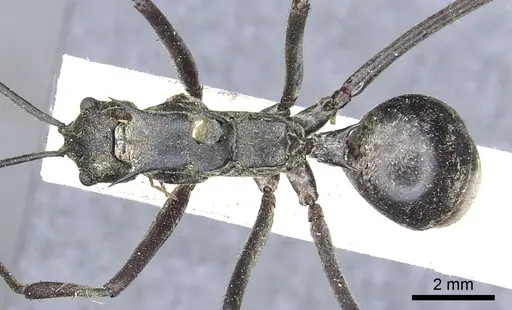
Literatur
Memuat peta distribusi...Memuat produk...