
Polyrhachis moeschi
- Nama Ilmiah
- Polyrhachis moeschi
- Subgenus
- Myrmhopla
- Tribe
- Camponotini
- Subfamili
- Formicinae
- Penulis
- Forel, 1912
- Distribusi
- Ditemukan di 0 negara
Pendahuluan
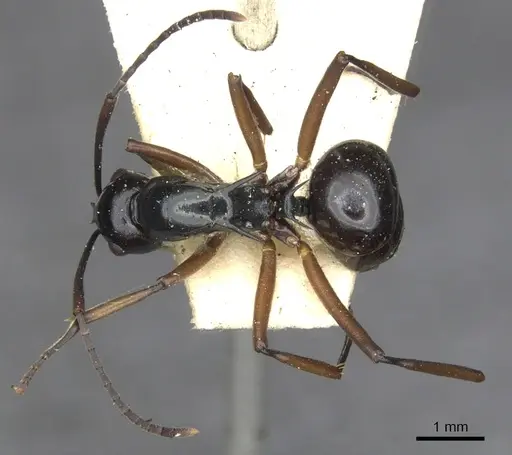
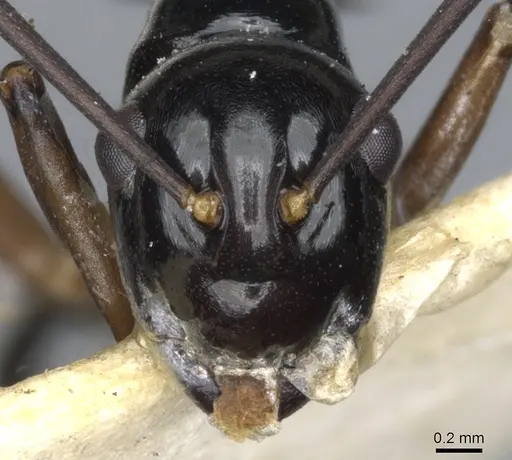
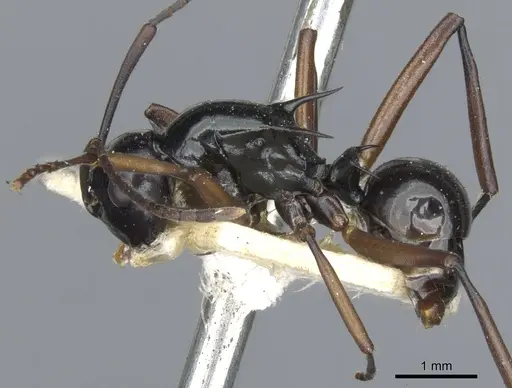
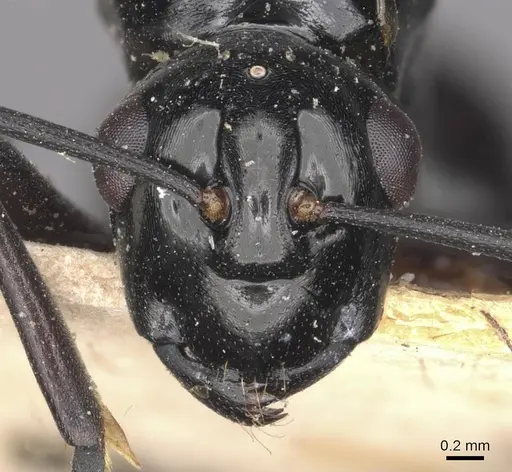
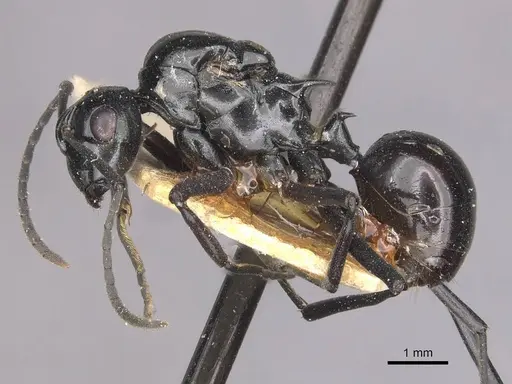
Polyrhachis moeschi is a spiny ant in the subgenus Myrmhopla. You can find them across the Indomalaya region, including India, Indonesia (Sumatra), and the Andaman and Nicobar Islands . Workers have a smooth, shiny head and thorax with only faint sculpturing. Their pronotum has no projections or tubercles, and their petiolar spines point straight up. The abdomen is black, which contrasts with the rest of the body . Size data is unavailable, but they fall within the typical range for their genus. This species belongs to the Polyrhachis mucronata group, which tends to have a smoother body surface than other spiny Polyrhachis species. They likely nest in rotting wood or under loose bark in tropical forests . While we lack specific research on their founding behavior or colony structure, they are generally active foragers that hunt small insects and collect honeydew. Keepers should expect moderate difficulty due to their tropical habitat requirements and limited species-specific care data.
Quick Summary
- Difficulty: Medium
- Origin & Habitat: Tropical and subtropical forests in India, Indonesia, and the Andaman and Nicobar Islands [1][2].
- Colony Type: Colony structure is unconfirmed. Most Polyrhachis species form single-queen colonies (monogyne, meaning one queen per nest), but we do not know for sure if this species does.
- Size & Growth:
- Queen: size data unavailable
- Worker: size data unavailable
- Colony: Unknown, likely up to several hundred workers based on typical Polyrhachis patterns.
- Growth: Moderate, inferred from genus patterns.
- Development: Unknown, likely several months based on related Formicinae species. (Development speed depends on temperature and food availability.)
- Antkeeping:
- Temperature: Keep warm and stable, roughly low-to-mid 20s°C. Tropical species need consistent warmth without sudden drops.
- Humidity: Keep the nest substrate consistently moist but not waterlogged. Provide a humidity gradient if possible.
- Diapause: Unknown. Their tropical range suggests they do not need a strict winter dormancy, but you can offer a slight cool-down during cooler months if needed.
- Nesting: They likely nest in rotting wood, under bark, or in elevated spots in the wild. In captivity, a Y-tong (AAC) nest, plaster nest, or soil nest works well. They prefer tight chambers and some vertical space.
- Behavior: Behavior is largely unconfirmed, but Polyrhachis ants are typically active foragers that hunt small insects and collect honeydew. They are generally docile and rarely aggressive toward keepers. Escape risk is moderate due to their size, so use standard barriers.
- Common Issues: tropical species struggle in cool rooms without supplemental heating, limited species-specific research means you must rely on genus patterns for care, wild-caught colonies may carry parasites that kill the colony, overfeeding leads to mold growth in enclosed nests
Nesting & Habitat
In the wild, Polyrhachis moeschi likely nests in rotting wood, under loose bark, or in similar elevated spots in tropical forests [2]. You can keep them in a Y-tong (AAC) nest, a plaster nest, or a soil nest. These materials hold humidity well and let you control the environment easily. Avoid acrylic nests, as they do not hold moisture properly and can cause stress. Build chambers that match their unknown size, with narrow tunnels connecting them. Give them a humidity gradient so they can choose between a slightly damp area and a drier zone. They prefer tight spaces and will often build their brood in vertical chambers.
Feeding & Diet
This species is omnivorous and likely hunts small insects while also collecting honeydew [2]. Offer a steady source of sugar water or honey water in the outworld. Add protein every few days with small crickets, mealworms, or fruit flies. They will also take small bits of fruit occasionally. Remove uneaten prey after a day to stop mold from growing. Keep a water reservoir nearby so workers can drink without flooding the nest. Feed them two to three times a week, and watch how quickly they clear the food. Adjust your schedule based on how fast the colony grows.
Temperature & Humidity
Polyrhachis moeschi comes from a tropical region, so they need warm and stable conditions [1]. Keep the nest area in the low-to-mid 20s°C. A heating cable on one side of the nest creates a gentle gradient that helps workers regulate their temperature. Do not place heat directly under the nest, as this dries out the substrate too fast. Monitor their activity to judge if the temperature works. If they cluster near the heat, it is too cold. If they avoid the heat, it is too warm. Keep the nest substrate consistently moist but not waterlogged. High humidity helps prevent desiccation, but standing water will drown brood. Wipe out the outworld regularly to keep mold away.
Behavior & Common Problems
Polyrhachis ants are usually active foragers that explore their outworld quickly [2]. They lack a functional sting and rely on biting and spraying formic acid for defense [2]. Workers are generally docile and rarely bite unless handled roughly or their nest is threatened. Escape risk is moderate, so use standard formicarium barriers and check for small gaps. The main risks to this colony are temperature drops, mold from overfeeding, and parasites from wild-caught queens. Since we lack specific research on this species, you must watch for unusual behavior and adjust care based on what works for the colony.
Frequently Asked Questions
How long until first workers?
Unknown. Expect several months based on related Formicinae species. Keep them warm and feed well.
Can I use a test tube?
Yes. Use a test tube with a water reservoir and cotton plug. Keep it horizontal so the queen finds the moist end. Move them to a larger nest when the colony reaches a few dozen workers.
What do they eat?
They eat sugar water or honey water constantly. Add small insects like crickets or mealworms every few days. Remove uneaten prey after a day to stop mold.
What temperature do they need?
Keep them warm at roughly low-to-mid 20s°C. Tropical species need consistent heat without sudden drops. Use a heating cable on one side of the nest.
Are they good for beginners?
They are medium difficulty. You need to maintain stable warmth and humidity. Limited species-specific research means you must rely on general care for the genus.
Do they need hibernation?
Unknown. Their tropical range suggests they do not need a strict winter dormancy. You can offer a slight cool-down during cooler months if needed.
How big do colonies get?
Unknown. They likely reach up to several hundred workers based on typical Polyrhachis patterns.
When do I move them to a formicarium?
Move them when the colony reaches a few dozen workers and the test tube feels crowded. A Y-tong or plaster nest works best.
Why are my ants dying?
Common causes include temperatures below 22°C, too dry or too wet nesting conditions, mold from overfeeding, or parasites from wild-caught queens. Check your setup and adjust care based on colony behavior.
Report an Issue
The current care sheet is based fully on literature. See inconsistencies, or something that's incorrect? Please , it will be resolved after review from an admin. Contributing to the blogs tab also helps providing information, to make us be able to further improve the caresheets. Thank you for your support!
References

Lembar perawatan ini dilisensikan di bawah CC BY-SA 4.0 .
Blog Komunitas
CASENT0903380
Lihat di AntWeb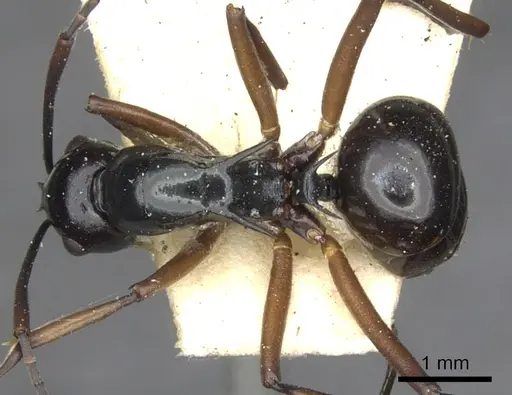
CASENT0910892
Lihat di AntWeb
Literatur
Memuat peta distribusi...Memuat produk...