
Polyrhachis grisescens
- Nama Ilmiah
- Polyrhachis grisescens
- Subgenus
- Myrmhopla
- Tribe
- Camponotini
- Subfamili
- Formicinae
- Penulis
- Emery, 1895
- Distribusi
- Ditemukan di 0 negara
Pendahuluan
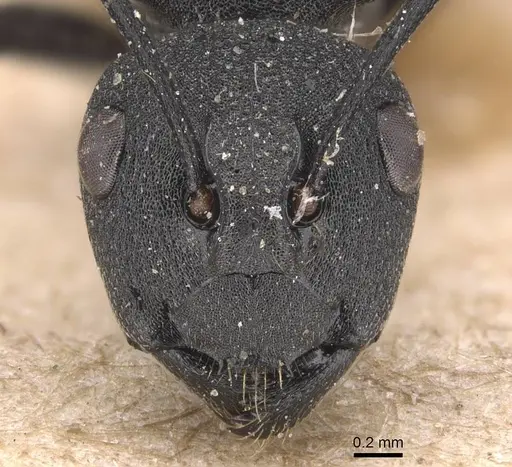
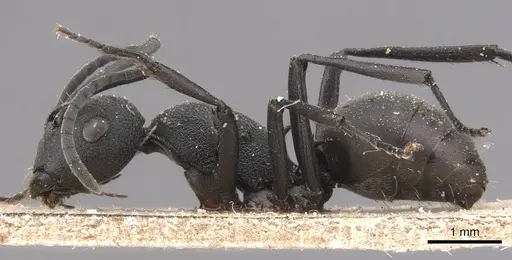
Polyrhachis grisescens is a medium-sized ant with distinctive hooked pronotal spines and dense pubescence from the propodeum to the gaster, featuring sharp median petiolar processes . Body size data is unavailable, as no total length measurements are provided in the research. The species is found in Myanmar, Pakistan, and Jordan , and inhabits arboreal environments, nesting in vegetation or under loose bark . This species was originally described as a variety of Polyrhachis simplex in 1895 and elevated to full species status in 2004 . It morphometrically lies between Polyrhachis simplex and Polyrhachis palaearctica .
Quick Summary
- Difficulty: Medium
- Origin & Habitat: Found in Myanmar, Pakistan, and Jordan, adapting to tropical and subtropical conditions [2][3][1]. They are arboreal nesters, typically in forested areas [4].
- Colony Type: Colony structure is unconfirmed in scientific literature for this species.
- Size & Growth:
- Queen: size data unavailable
- Worker: size data unavailable
- Colony: Up to several hundred workers, estimated from related Polyrhachis species
- Growth: Moderate
- Development: Estimated 6-8 weeks at optimal temperature, based on typical Formicinae development patterns (Development time is inferred, specific data for this species is unavailable)
- Antkeeping:
- Temperature: Keep warm, roughly 24-28°C, based on typical Polyrhachis patterns. A temperature gradient is useful [4].
- Humidity: Keep nest substrate consistently moist but not waterlogged, as arboreal species prefer drier conditions [4].
- Diapause: Unknown, no specific data for this species. Based on geographic range, temperate populations may require a cool period, but this is unconfirmed.
- Nesting: Arboreal preferences mean they do well in Y-tong (AAC) nests or plaster nests with narrow chambers. Avoid overly humid conditions to prevent mold [4].
- Behavior: Based on Polyrhachis patterns, workers are generally calm and non-aggressive. They lack a functional sting and spray formic acid when threatened. Escape risk is moderate due to their size, use standard barriers [4].
- Common Issues: mold growth from overwatering, these ants prefer drier conditions than many tropical species, cold stress if kept below 20°C for extended periods, escape through small gaps despite moderate size, check all connections, slow colony growth due to unconfirmed founding behavior, avoid disturbing during early stages, limited care information requires experimentation and observation
Housing and Nest Preferences
You can use Y-tong (AAC) nests or plaster formicaria for Polyrhachis grisescens, providing dry to moderately humid conditions. As arboreal ants, they prefer nests with good ventilation [4]. For founding colonies, a test tube setup with a horizontal position works well, allowing the queen to choose her humidity zone. Transition to a proper formicarium once the colony reaches 20-30 workers. Avoid soil-based setups unless experienced with mold management, as these ants prefer drier conditions [4].
Feeding and Diet
Offer a varied diet: protein sources like small insects twice weekly, and sugar sources like honey or sugar water every few days [4]. For founding colonies, the queen does not need food during claustral sealing, but once workers emerge, provide small prey items. Remove uneaten food after 24-48 hours to prevent mold.
Temperature and Seasonal Care
Maintain temperatures around 24-28°C for optimal growth. Use a heating cable to create a gradient. For temperate populations, a winter diapause at 15-18°C for 2-3 months may be needed, but this is unconfirmed for this species. Monitor colony activity for signs of cold stress.
Behavior and Colony Dynamics
Workers are active foragers and establish clear trails. They are calm and handle well during inspections, lacking a functional sting but spraying formic acid when threatened. Colonies grow moderately, with brood development taking several weeks. Routine maintenance is tolerated if done carefully.
Frequently Asked Questions
How long does it take for Polyrhachis grisescens to produce first workers?
Expect first workers after 6-8 weeks at optimal temperature, based on typical Formicinae development patterns. This is an estimate, as specific data for this species is unavailable.
Can I keep Polyrhachis grisescens in a test tube setup?
Yes, test tubes work well for founding colonies. Use a standard test tube with a water reservoir and cotton plug, positioned horizontally [4].
What temperature do Polyrhachis grisescens need?
Keep them warm at 24-28°C, with a temperature gradient. Avoid prolonged temperatures below 20°C.
Are Polyrhachis grisescens good for beginners?
They are rated as medium difficulty. They require attention to humidity and temperature, but their moderate size and calm behavior make them manageable for those with some experience.
How big do Polyrhachis grisescens colonies get?
Colonies can reach up to several hundred workers, based on related species. Growth is moderate, taking several months to reach 50+ workers.
Do Polyrhachis grisescens need hibernation?
No specific data is available. For temperate populations, a cool period may be beneficial, but this is unconfirmed.
What do Polyrhachis grisescens eat?
They are omnivorous. Offer small insects for protein and sugar sources like honey for energy. Remove uneaten food to prevent mold.
When should I move my Polyrhachis grisescens colony to a formicarium?
Move from test tube to a formicarium once the colony reaches 20-30 workers. Use Y-tong or plaster nests with appropriate humidity.
Why is my Polyrhachis grisescens colony not growing?
Common causes include temperatures below 20°C, excessive humidity, or insufficient protein. Check for egg-laying and food acceptance, and ensure proper nest ventilation.
Report an Issue
The current care sheet is based fully on literature. See inconsistencies, or something that's incorrect? Please , it will be resolved after review from an admin. Contributing to the blogs tab also helps providing information, to make us be able to further improve the caresheets. Thank you for your support!
References

Lembar perawatan ini dilisensikan di bawah CC BY-SA 4.0 .
Blog Komunitas
CASENT0217772
Lihat di AntWeb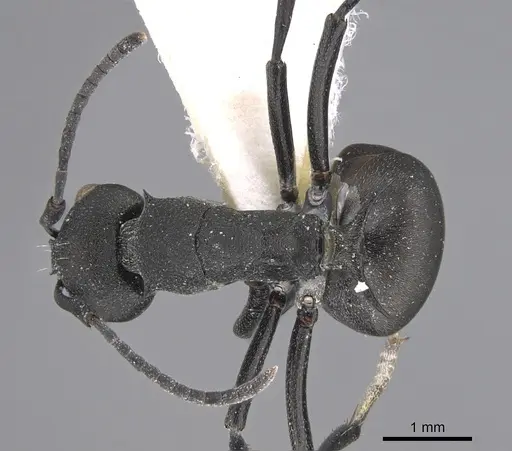
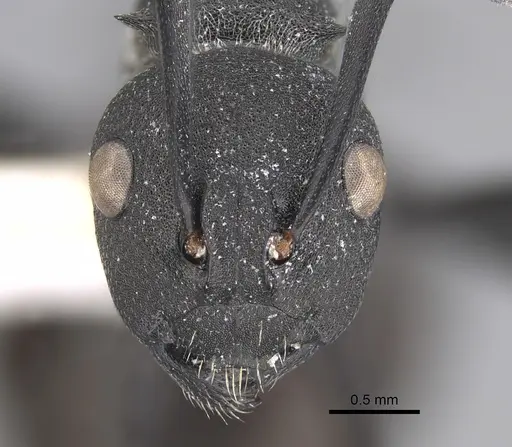
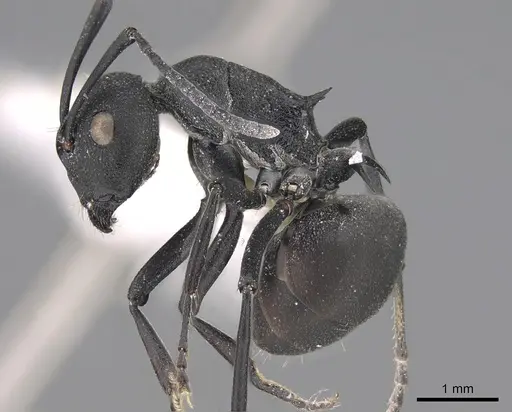
CASENT0905639
Lihat di AntWeb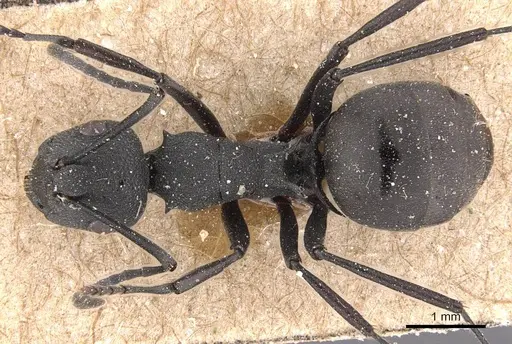
Literatur
Memuat peta distribusi...Memuat produk...