
Polyrhachis beccarii
- Nama Ilmiah
- Polyrhachis beccarii
- Subgenus
- Myrma
- Tribe
- Camponotini
- Subfamili
- Formicinae
- Penulis
- Mayr, 1872
- Distribusi
- Ditemukan di 2 negara
Pendahuluan
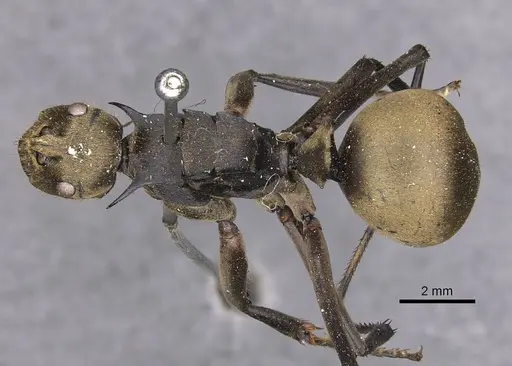
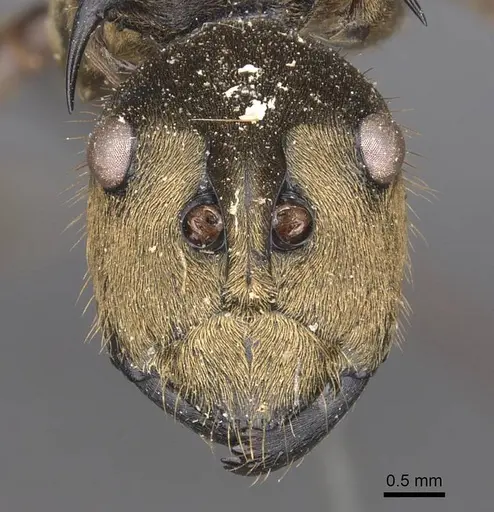
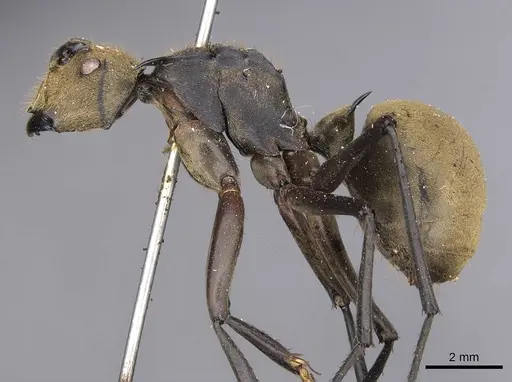
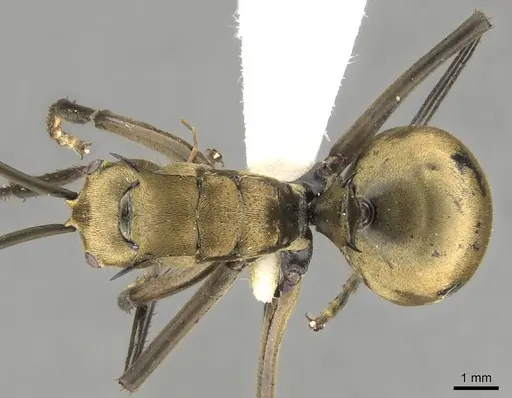
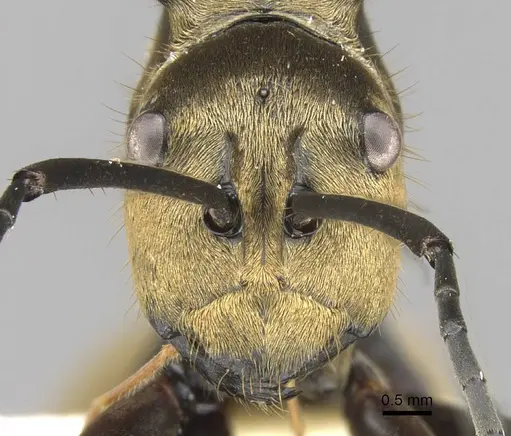
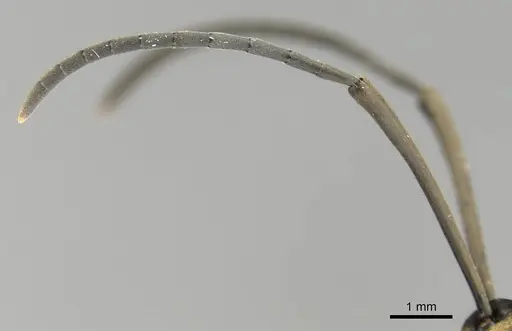
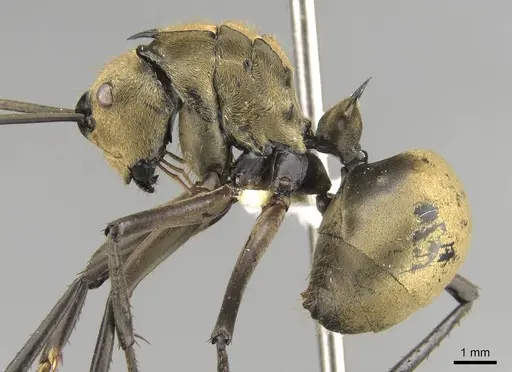
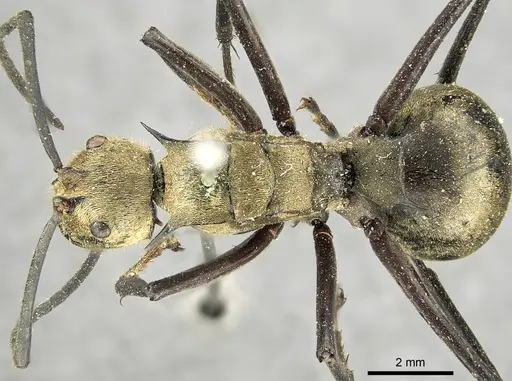
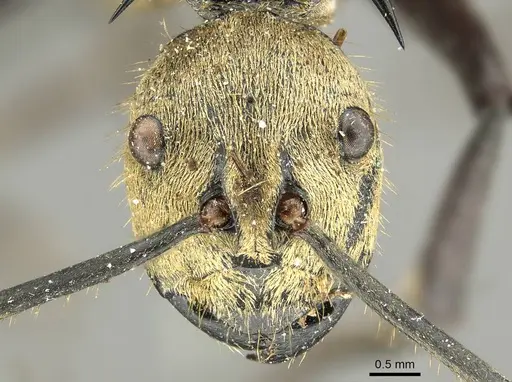
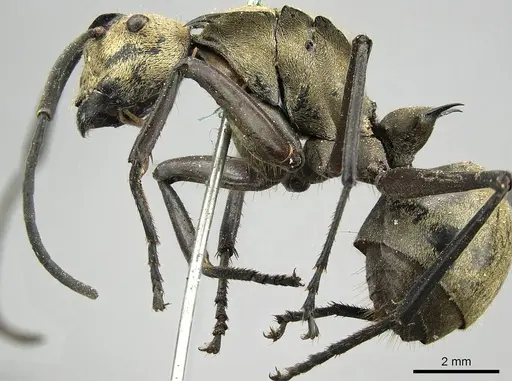
Polyrhachis beccarii is a species of spiny ant in the subgenus Myrma, found in Borneo, Indonesia, Malaysia, and Singapore . Size data is unavailable from current literature . They inhabit tropical rainforest environments. This species is morphologically similar to Polyrhachis illaudata but is notably larger . As a tropical ant, it requires warm and humid conditions in captivity.
Quick Summary
- Difficulty: Medium
- Origin & Habitat: Borneo, Indonesia, Malaysia, and Singapore, tropical rainforest environments in the Indomalaya region [1][2][3]
- Colony Type: Colony structure is unconfirmed for this species. Based on typical Polyrhachis patterns, likely monogyne (single queen).
- Size & Growth:
- Queen: Size data unavailable [4]
- Worker: Size data unavailable [4]
- Colony: Unknown, no data on maximum colony size
- Growth: Unknown, no specific data
- Development: Estimated 6-10 weeks based on tropical Formicinae patterns (Development time is estimated as this species has not been specifically studied. Tropical species typically develop faster at optimal temperatures.)
- Antkeeping:
- Temperature: Keep warm, roughly 24-28°C, based on tropical habitat inference. No specific data available.
- Humidity: Keep humid, with substrate moist but not waterlogged, based on tropical rainforest habitat inference.
- Diapause: No, as a tropical species, they do not require hibernation.
- Nesting: Based on Polyrhachis genus patterns, likely prefer humid, enclosed nests such as Y-tong or plaster nests.
- Behavior: Polyrhachis ants are generally not aggressive but will defend their nest. They lack a functional sting and use formic acid spray for defense. Escape risk is moderate due to size. They are active foragers.
- Common Issues: Humidity maintenance is critical for tropical species, dry conditions can cause colony decline., Lack of specific care data requires keepers to observe and adapt conditions., Wild-caught colonies may carry parasites, quarantine if possible.
Housing and Nest Setup
Polyrhachis beccarii adapts well to various nest types, but they prefer humid environments with tight chambers. Y-tong (AAC) nests work well for this species, providing the darkness and humidity they need. Ensure the nest has multiple connected chambers so the colony can regulate its own humidity. A water test tube connected to the nest area can help maintain consistent humidity [1].
Feeding and Diet
In the wild, Polyrhachis ants are omnivorous, hunting small insects and collecting honeydew. In captivity, offer protein sources like small crickets or mealworms twice weekly, and constant sugar water or honey. Remove uneaten prey after 24 hours to prevent mold.
Defense Mechanism
Polyrhachis beccarii, like other Formicinae, lacks a functional sting. It defends itself by biting and spraying formic acid from an acidopore. This is a general trait of the subfamily and not specific to this species.
Temperature and Humidity Management
As a tropical species, P. beccarii requires warm and humid conditions. Maintain temperatures around 24-28°C and keep humidity high with moist substrate. No specific data is available, so monitor colony behavior and adjust as needed.
Colony Development and Growth
Colonies grow moderately once established. The queen lays eggs that develop through larval and pupal stages before workers emerge. First workers are smaller and help with colony maintenance. Growth depends on feeding and conditions.
Behavior and Observation
Workers are active foragers, searching for food individually. They are not highly aggressive but will defend the nest. Provide an outworld for exploration and feeding.
Frequently Asked Questions
How long does it take for Polyrhachis beccarii to produce first workers?
Estimated 6-10 weeks after queen lays eggs, based on tropical Formicinae patterns. This assumes optimal warm and humid conditions.
What temperature do Polyrhachis beccarii ants need?
Keep them warm, around 24-28°C, based on their tropical habitat. No specific data is available, so observe colony activity.
Do Polyrhachis beccarii ants need hibernation?
No, as a tropical species from Southeast Asia, they do not require hibernation. Maintain consistent warm temperatures year-round.
What do Polyrhachis beccarii ants eat?
They are omnivorous. Feed small insects like crickets or mealworms twice weekly for protein, and provide sugar water or honey constantly.
Are Polyrhachis beccarii good for beginners?
They are rated as medium difficulty. Beginners can succeed if they can maintain consistent tropical conditions, but specific care data is limited.
How big do Polyrhachis beccarii colonies get?
Colony size is unknown for this species. No data on maximum size is available from current literature.
Can I keep multiple Polyrhachis beccarii queens together?
This is not recommended, as colony structure is unconfirmed. Polyrhachis species are typically monogyne, and combining queens may cause fighting.
When should I move Polyrhachis beccarii to a formicarium?
Move them when the colony outgrows their founding setup, but specific timing is unknown due to lack of data. Ensure the formicarium provides adequate humidity.
Why is my Polyrhachis beccarii colony declining?
Common causes include low humidity, poor nutrition, or parasites. Review conditions and adjust temperature and humidity first.
Report an Issue
The current care sheet is based fully on literature. See inconsistencies, or something that's incorrect? Please , it will be resolved after review from an admin. Contributing to the blogs tab also helps providing information, to make us be able to further improve the caresheets. Thank you for your support!
References

Lembar perawatan ini dilisensikan di bawah CC BY-SA 4.0 .
Blog Komunitas
Literatur
Memuat peta distribusi...Memuat produk...