
Pogonomyrmex varicolor
- Nama Ilmiah
- Pogonomyrmex varicolor
- Tribe
- Pogonomyrmecini
- Subfamili
- Myrmicinae
- Penulis
- Johnson, 2021
- Distribusi
- Ditemukan di 0 negara
Pendahuluan
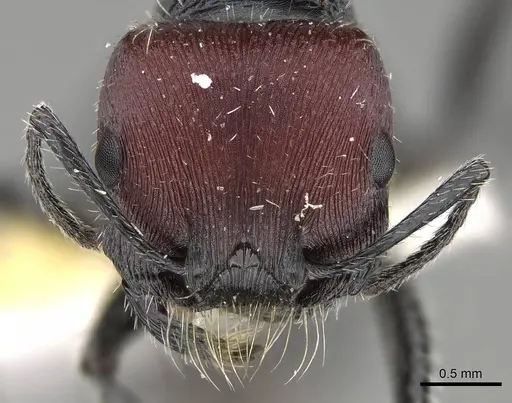
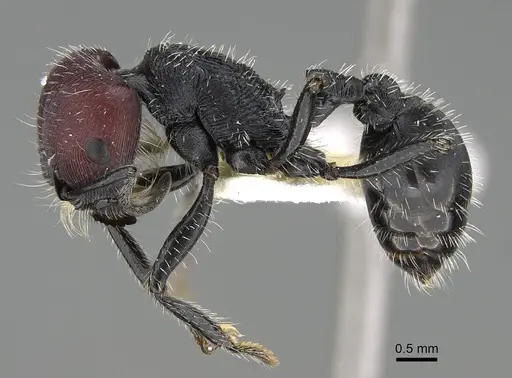
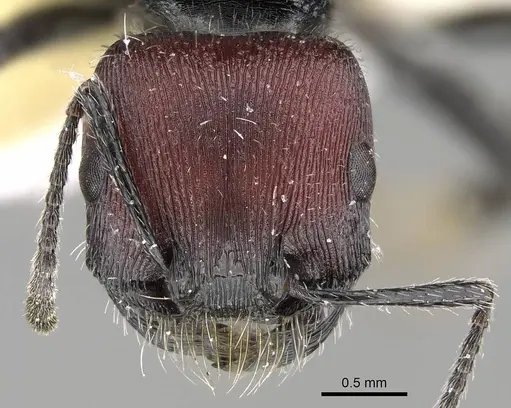
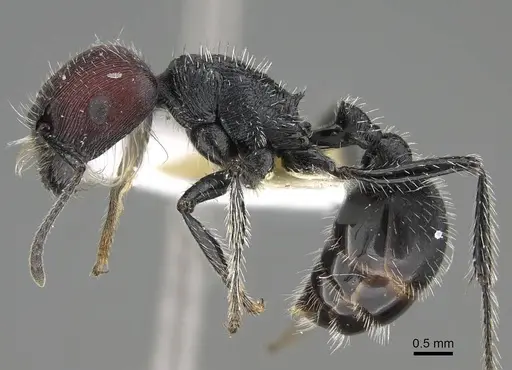
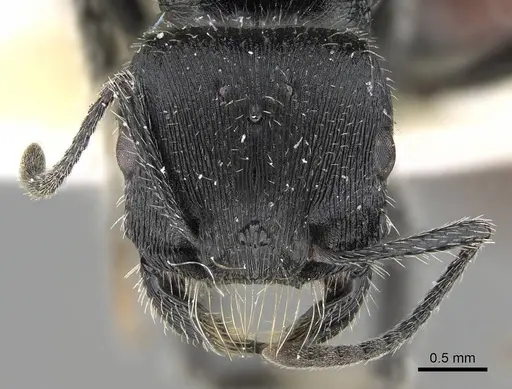
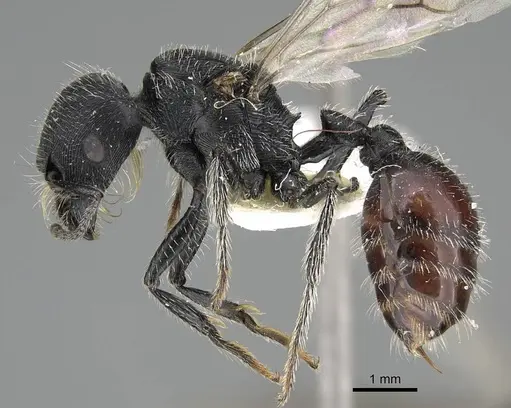
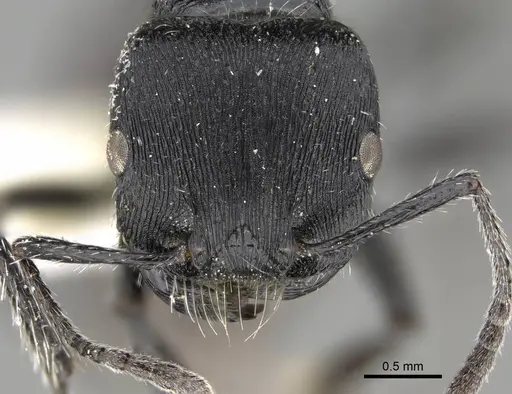
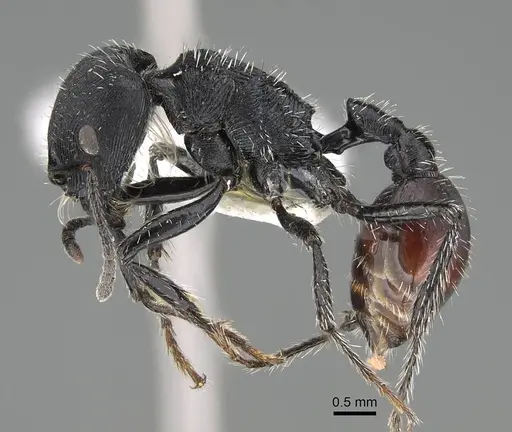
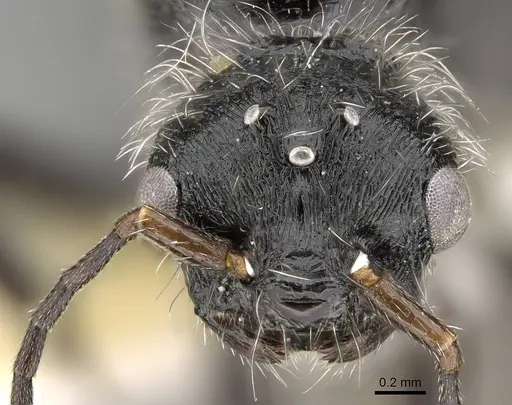
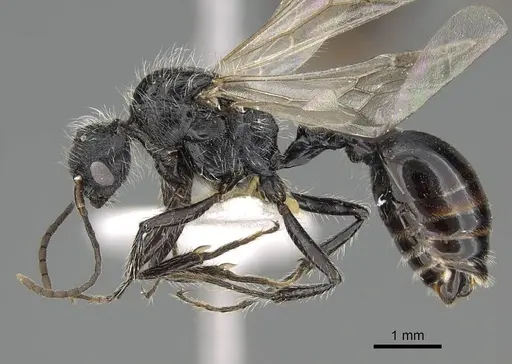
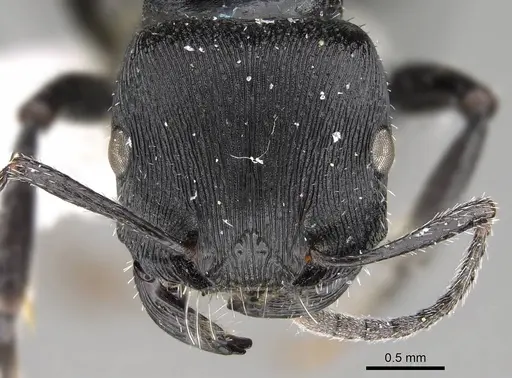
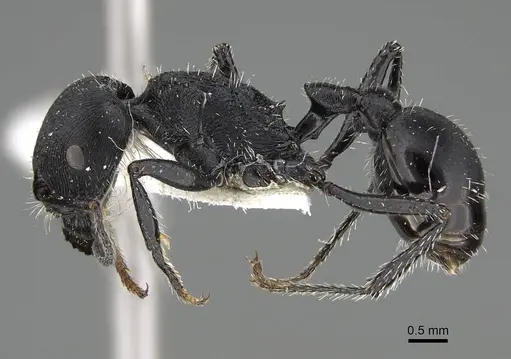
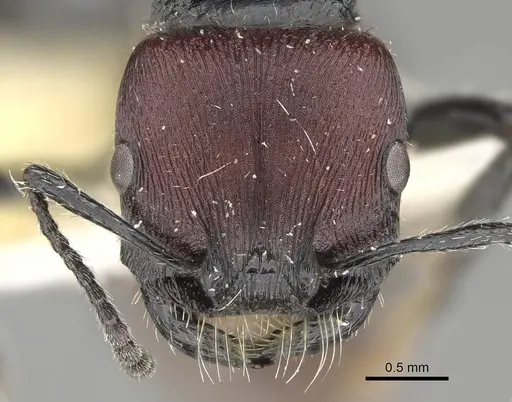
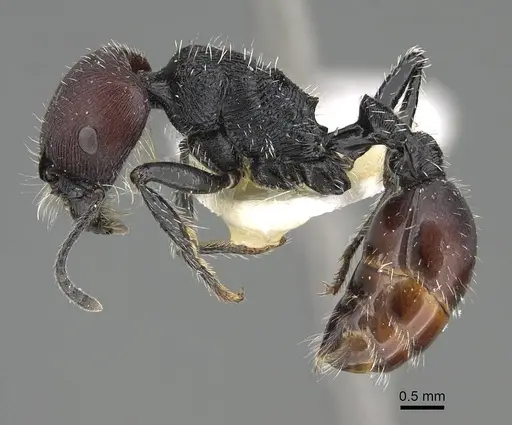
Pogonomyrmex varicolor is a seed-harvester ant species described in 2021,native to the Patagonia Steppe ecoregion in southern Argentina . Workers range from 680 to 1200 meters elevation in cold, windy grasslands . Full body size data is unavailable, but workers are roughly 5-8 mm in total length - inferred from Pogonomyrmex genus patterns . The species displays highly variable colony colors, ranging from solid black to colonies with ferruginous orange to dark reddish-black markings on the head and gaster . Striae cover the anterior half to two-thirds of the first abdominal segment, and the propodeum features tubercles, denticles, or short to long spines . This species stands out for its striking color variation and adaptation to high-altitude Patagonian conditions. Colonies thrive in cool, dry environments with significant seasonal temperature shifts. As a seed-harvester, you will need to provide a steady supply of small seeds alongside protein sources. The species name directly references the wide color spectrum you will observe across different colonies .
Quick Summary
- Difficulty: Medium
- Origin & Habitat: Patagonia Steppe ecoregion in southern Argentina, specifically Santa Cruz and Chubut provinces, at elevations between 680 and 1200 meters [1]. This habitat features cold, dry grasslands with strong winds and sharp seasonal temperature swings.
- Colony Type: Colony structure remains unconfirmed. Based on typical Pogonomyrmex patterns, you will likely encounter single-queen colonies (monogyne) once the colony establishes.
- Size & Growth:
- Queen: ~5-8 mm, inferred from Pogonomyrmex genus patterns [1]
- Worker: ~5-8 mm, inferred from Pogonomyrmex genus patterns [1]
- Colony: Up to several thousand workers, estimated from related species
- Growth: Moderate
- Development: 6-10 weeks, estimated from related species (Development speed depends on temperature. Cooler Patagonian conditions may slow early brood development compared to tropical species.)
- Antkeeping:
- Temperature: Keep the setup around 20-24°C. Based on the cool Patagonian habitat, avoid temperatures above 28°C. Room temperature works well, but you can add a slight warming gradient if the colony becomes sluggish.
- Humidity: Keep the nest substrate mostly dry with one small moist area for brood development. Provide a humidity gradient rather than keeping the entire nest damp.
- Diapause: Yes, likely required. Based on the Patagonian climate, you should provide 3-4 months of cold rest at 5-10°C during winter.
- Nesting: Y-tong (AAC) or plaster nests work best. Avoid overly humid setups. Test tubes are fine for founding colonies. Use a sand-based substrate in the outworld to mimic their natural environment.
- Behavior: Workers are active foragers that collect seeds and hunt small insects. They possess a functional stinger typical for their subfamily and will sting if threatened. Handle the colony gently and avoid provoking defensive responses. Escape risk is moderate. Use fluon on container edges and secure lids tightly. Colonies are generally diurnal and most active during warmer daylight hours.
- Common Issues: failure to provide winter rest causes colony decline, overhumidity leads to fungal growth and nest damage, temperatures above 28°C stress the colony, limited availability makes acquisition difficult, sting risk requires careful handling and secure enclosures
Nest Preferences and Setup
Pogonomyrmex varicolor nests in soil within the Patagonia Steppe [1]. In captivity, Y-tong (AAC) nests or plaster nests provide the dry environment this species prefers. Avoid keeping the nest consistently damp. For founding colonies, a simple test tube with a water reservoir works fine. The queen will establish a chamber and raise her first brood. Provide a secure outworld for foraging. Use a sand-based substrate to match their natural habitat. Escape prevention matters. These ants climb well. Apply fluon to container edges and check lid seals daily.
Feeding and Diet
As a seed-harvester, Pogonomyrmex varicolor relies heavily on seeds [2]. Offer small seeds like millet, grass seeds, and cracked sunflower seeds. Workers crack the seeds and consume the nutritious interior. Provide protein sources like fruit flies, small mealworms, or crickets twice weekly. Add sugar water or honey occasionally for energy. Keep fresh water available at all times. Remove uneaten seeds regularly to prevent mold buildup. The colony will store seeds in dedicated nest chambers, which is normal behavior.
Temperature and Seasonal Care
This species originates from the cool Patagonia Steppe, so temperature management matters [1]. Keep the nest area between 20 and 24°C. Avoid temperatures above 28°C. Room temperature usually works well. You can attach a heating cable to one side of the nest to create a gradient, but monitor the setup closely to prevent overheating. During winter, provide a hibernation period of 3-4 months at 5-10°C. Move the colony to a cold garage, basement, or refrigerator with careful acclimation. Skip the cold period and the colony will weaken over time.
Behavior and Handling
Workers forage actively during daylight hours when temperatures warm up [1]. Pogonomyrmex varicolor possesses a functional stinger and will use it if threatened or handled roughly. Move slowly around the colony and avoid poking the nest. They are not overly aggressive toward keepers but will defend the nest if they sense danger. Workers investigate new objects in their environment and may show mild territorial behavior. The species name directly references the wide color variation you will see across colonies. Some colonies stay solid black, while others display ferruginous orange to reddish-black markings on the head and gaster [1].
Colony Growth and Development
Specific development data for Pogonomyrmex varicolor remains limited. Based on typical Pogonomyrmex patterns, queens likely seal themselves in a chamber and raise the first brood using stored fat reserves. The first workers will be smaller than mature workers and may take 6-10 weeks to emerge, depending on temperature. After the first workers hatch, the queen stops foraging and the workers take over all food collection. Colony growth stays moderate. Expect steady population increases over the first year or two. Mature colonies of related species reach several thousand workers. The colony will build separate chambers for brood, food storage, and waste. Maintain consistent feeding and proper winter rest to support healthy growth. [1]
Frequently Asked Questions
How long does it take for Pogonomyrmex varicolor to produce first workers?
Based on typical Pogonomyrmex development, expect first workers to emerge in 6-10 weeks after the queen lays eggs. Warmer conditions within the safe range will speed development slightly.
What do Pogonomyrmex varicolor ants eat?
Seeds form the primary diet. Offer small seeds like grass seeds, millet, and cracked sunflower seeds. They also accept small insects like fruit flies and mealworms for protein. You can offer occasional sugar water or honey.
Can I keep Pogonomyrmex varicolor in a test tube?
Yes. Test tubes work well for founding colonies. The queen will establish a chamber and raise her first brood. Move the colony to a Y-tong or plaster nest once the population reaches a manageable size.
Do Pogonomyrmex varicolor need hibernation?
Yes. This species comes from the cold Patagonia Steppe where winters bring harsh conditions. Provide 3-4 months of cold rest at 5-10°C during winter. Skip the cold period and the colony will weaken over time.
Are Pogonomyrmex varicolor good for beginners?
They sit at medium difficulty. The colony requires specific temperature control and a proper winter rest period. Beginners should start with easier species like Lasius or Tetramorium before attempting this one.
How big do Pogonomyrmex varicolor colonies get?
Specific data is not available. Related Pogonomyrmex species typically reach several thousand workers. With proper care, expect a mature colony to contain hundreds to a few thousand workers over several years.
What temperature do Pogonomyrmex varicolor need?
Keep the setup between 20 and 24°C. This species adapts to cool Patagonian conditions and does not tolerate heat well. Avoid temperatures above 28°C. Room temperature usually works best.
When should I move Pogonomyrmex varicolor to a formicarium?
Move the colony once the population reaches a manageable size and the test tube feels crowded. Ensure the new setup maintains drier conditions. The species prefers low to moderate humidity.
Why is my Pogonomyrmex varicolor colony declining?
Common causes include improper hibernation, overhumidity, temperatures that run too high, or poor nutrition. Review your setup against their cool, dry habitat requirements. Make sure the colony receives enough protein from insects.
Report an Issue
The current care sheet is based fully on literature. See inconsistencies, or something that's incorrect? Please , it will be resolved after review from an admin. Contributing to the blogs tab also helps providing information, to make us be able to further improve the caresheets. Thank you for your support!
References

Lembar perawatan ini dilisensikan di bawah CC BY-SA 4.0 .
Blog Komunitas
CASENT0922463
Lihat di AntWeb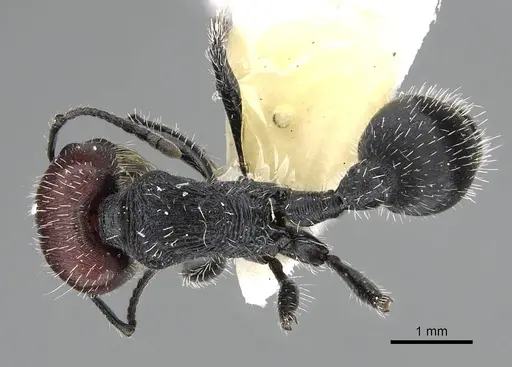
CASENT0922464
Lihat di AntWeb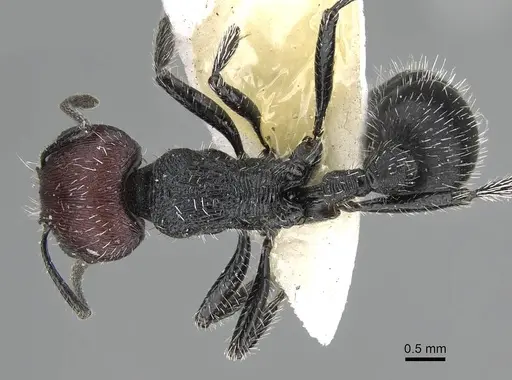
CASENT0922467
Lihat di AntWeb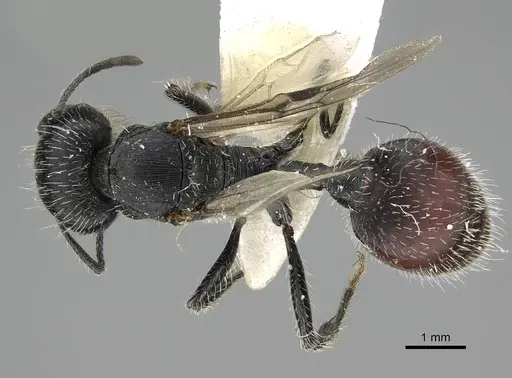
CASENT0922468
Lihat di AntWeb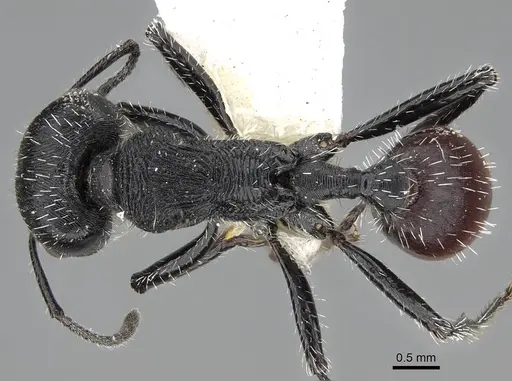
CASENT0922469
Lihat di AntWeb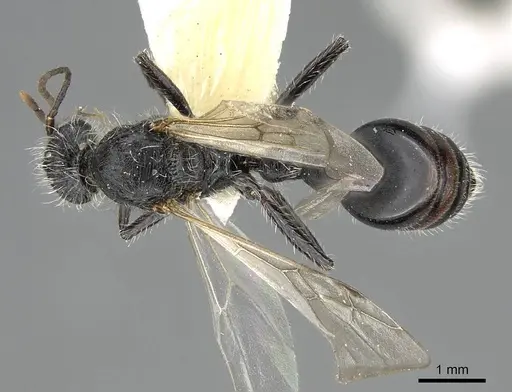
CASENT0922470
Lihat di AntWeb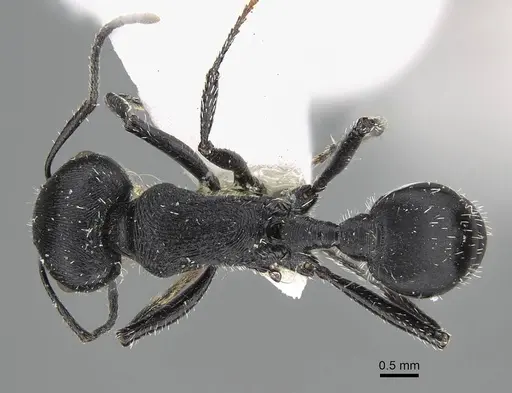
CASENT0922471
Lihat di AntWeb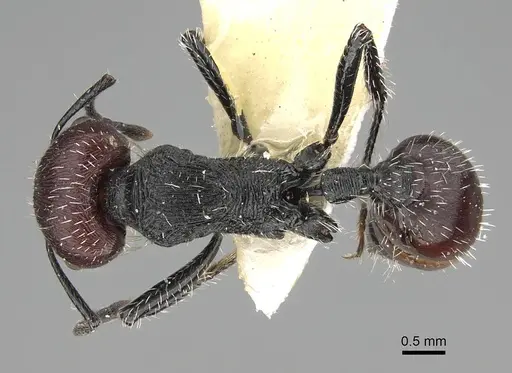
Literatur
Memuat peta distribusi...Memuat produk...