
Pogonomyrmex tafi
- Nama Ilmiah
- Pogonomyrmex tafi
- Tribe
- Pogonomyrmecini
- Subfamili
- Myrmicinae
- Penulis
- Johnson, 2021
- Distribusi
- Ditemukan di 0 negara
Pendahuluan
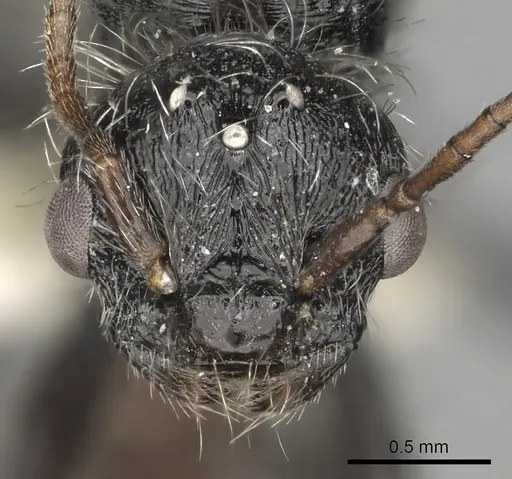
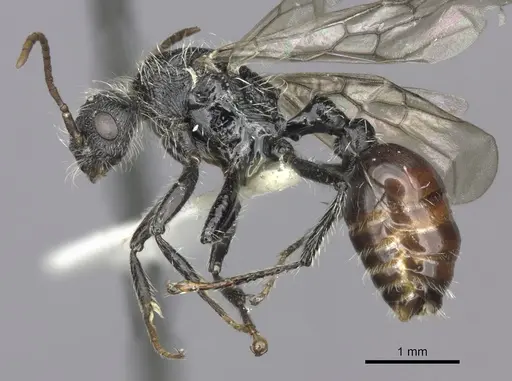
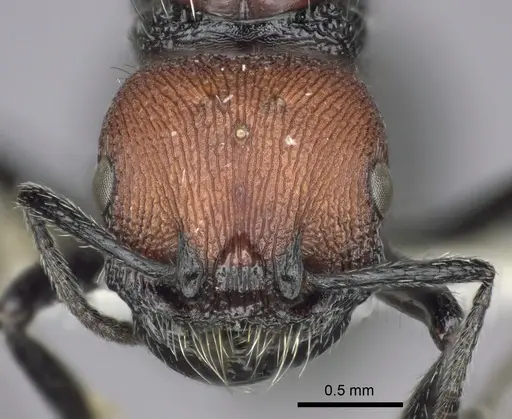
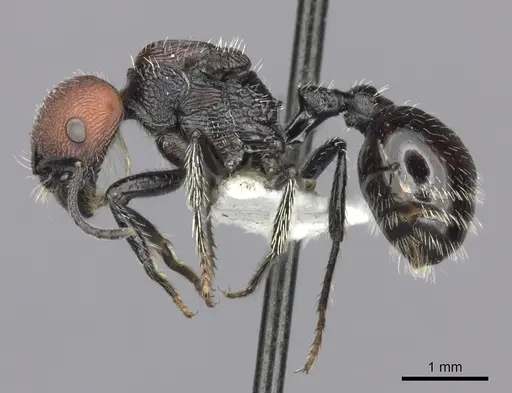
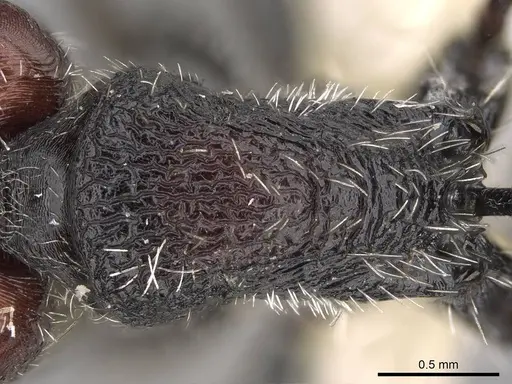
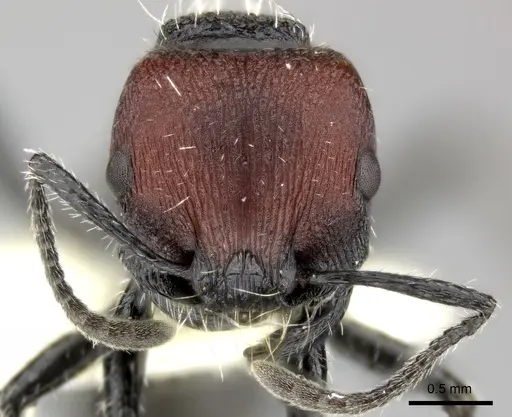
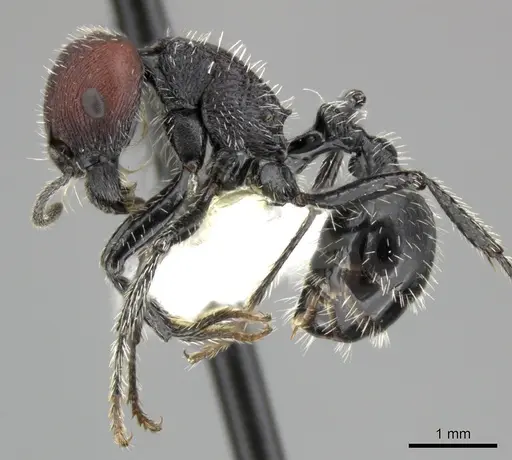
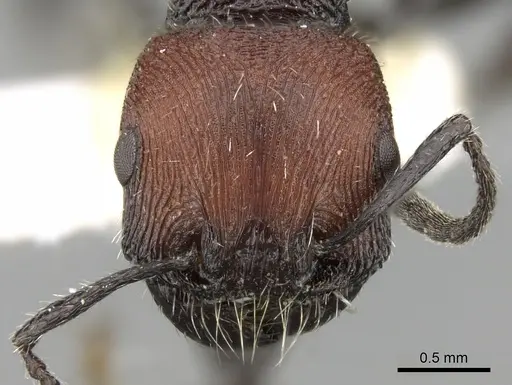
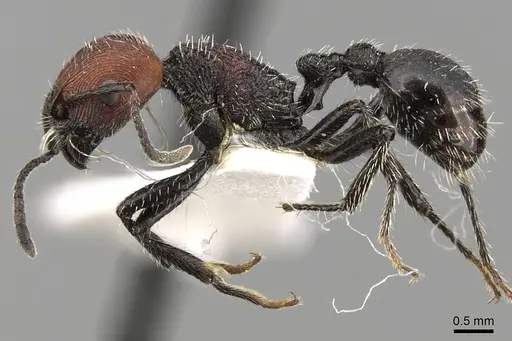
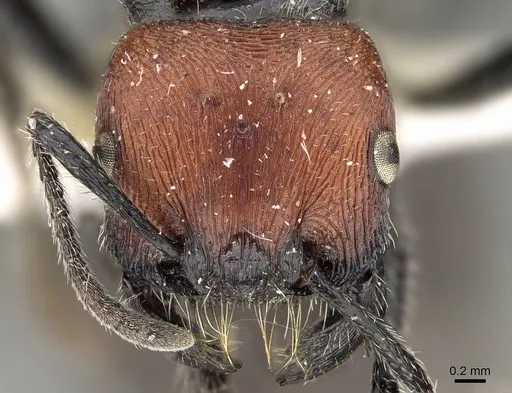
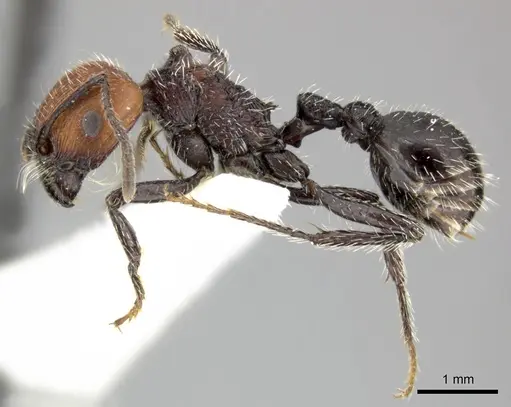
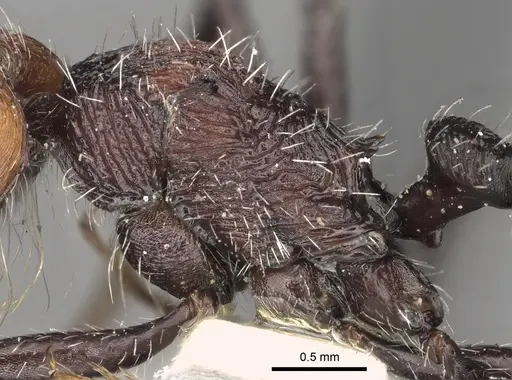
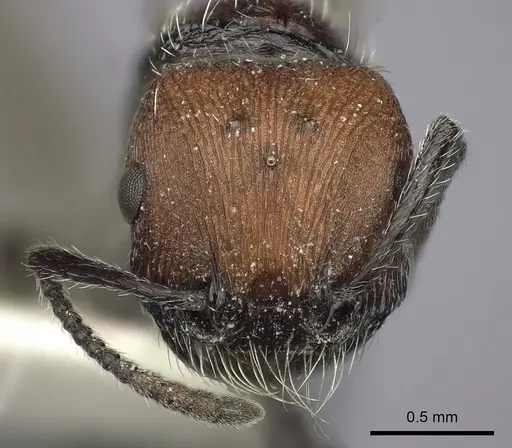
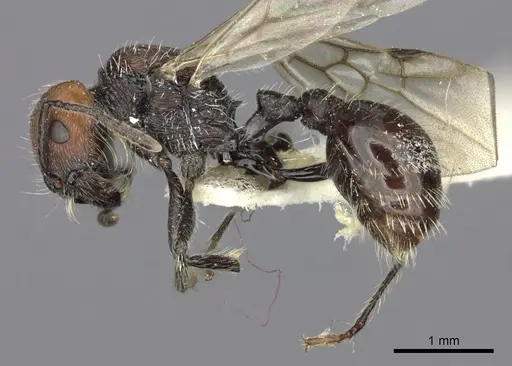
Pogonomyrmex tafi is a seed-harvester ant described in 2021 from northwestern Argentina. Workers have a head length of 1.42-1.70 mm and a distinctive dark ferruginous orange to reddish-black head . The species inhabits the Central Andean puna ecoregion at elevations of 2180-2400 m . This high-altitude species is adapted to cool, arid conditions.
Quick Summary
- Difficulty: Medium
- Origin & Habitat: Argentina (Tucumán) in the Central Andean puna ecoregion at 2180-2400m elevation, a high-altitude arid region [1].
- Colony Type: Unconfirmed, research does not specify queen number or social structure [1].
- Size & Growth:
- Queen: Size data unavailable, research provides head length measurements but not total body length [1].
- Worker: Size data unavailable, research provides head length measurements but not total body length [1].
- Colony: Unknown, no colony size data in research. Based on related Pogonomyrmex species, colonies may reach up to several thousand workers [2].
- Growth: Moderate, inferred from seed-harvester diet [2].
- Development: Estimated 6-10 weeks based on typical Pogonomyrmex patterns [2]. (Development may be slower due to the cool, high-altitude origin.)
- Antkeeping:
- Temperature: Keep nest area cool, around 18-22°C, based on high-altitude habitat [1].
- Humidity: Keep substrate dry to slightly moist, as the species inhabits arid regions [1].
- Diapause: Unknown, research does not specify diapause requirements.
- Nesting: Prefer dry, well-draining substrate. Use Y-tong or plaster nests with low humidity chambers [2].
- Behavior: Workers are active foragers for seeds. They are defensive, but specific aggression levels are unconfirmed [2].
- Common Issues: overheating is a risk due to cool adaptation, high humidity can cause issues in arid-adapted species, escape prevention matters as workers can climb, slow growth may frustrate keepers, improper care can lead to colony loss
Housing and Nest Setup
Set up with dry, sandy substrate to mimic puna habitat. Use Y-tong or plaster nests with minimal humidity [1][2]. The outworld should have a thin layer of substrate for foraging and seed storage.
Feeding and Diet
Offer small seeds like millet and chia as primary food. Supplement with protein insects like fruit flies occasionally [2]. Remove uneaten seeds to prevent mold.
Temperature and Seasonal Care
Keep nest area cool around 18-22°C. Avoid temperatures above 25°C [1]. During winter, provide a rest period if needed, but diapause requirements are unknown.
Behavior and Defense
Workers forage for seeds during cooler parts of the day. Handle with care as they may sting [2]. Specific aggression levels are unconfirmed.
Colony Founding
Founding behavior is unconfirmed. If queens are found, keep them in test tubes with minimal disturbance [2].
Frequently Asked Questions
How long does it take for Pogonomyrmex tafi to produce first workers?
Expect first workers in 6-10 weeks at room temperature, based on typical Pogonomyrmex patterns [2].
Do Pogonomyrmex tafi ants sting?
They may sting, but specific defense mechanisms are unconfirmed [2]. Handle with care.
What temperature is best for Pogonomyrmex tafi?
Keep them at 18-22°C, based on their high-altitude habitat [1].
Can I keep multiple Pogonomyrmex tafi queens together?
Queen number is unconfirmed, so it is not recommended to combine queens without evidence [1].
What do Pogonomyrmex tafi eat?
They are seed-harvesters, so offer small seeds as primary food [2].
Do Pogonomyrmex tafi need hibernation?
Diapause requirements are unknown, as research does not specify this [1].
How big do Pogonomyrmex tafi colonies get?
Colony size is unknown, but related species may reach up to several thousand workers [2].
Is Pogonomyrmex tafi good for beginners?
This is a medium-difficulty species due to cool and dry requirements [1].
When should I move Pogonomyrmex tafi to a formicarium?
Wait until the colony has active foragers, but specific timing is unconfirmed [2].
Why is my Pogonomyrmex tafi colony dying?
Common causes include overheating, high humidity, or improper care [1].
Report an Issue
The current care sheet is based fully on literature. See inconsistencies, or something that's incorrect? Please , it will be resolved after review from an admin. Contributing to the blogs tab also helps providing information, to make us be able to further improve the caresheets. Thank you for your support!
References

Lembar perawatan ini dilisensikan di bawah CC BY-SA 4.0 .
Blog Komunitas
CASENT0235303
Lihat di AntWeb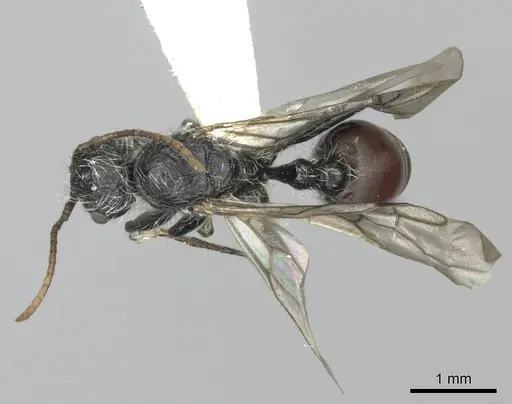
CASENT0235304
Lihat di AntWeb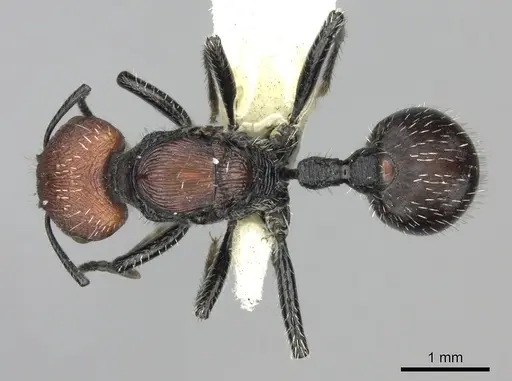
CASENT0235307
Lihat di AntWeb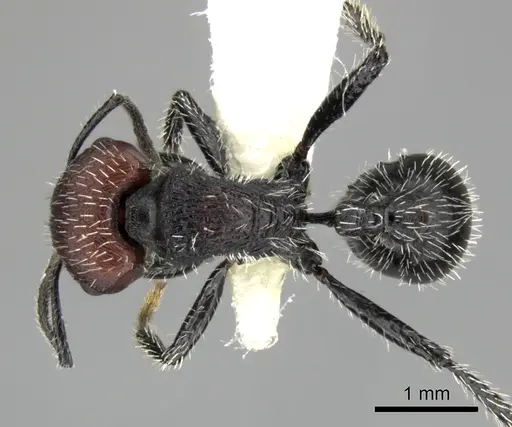
CASENT0280841
Lihat di AntWeb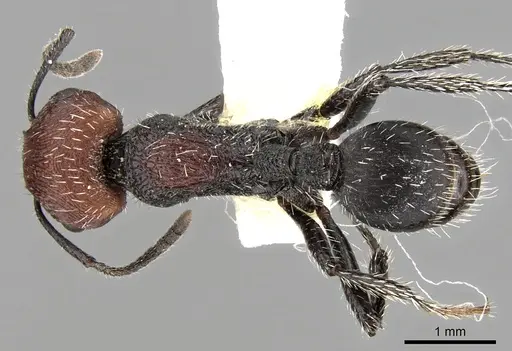
CASENT0922473
Lihat di AntWeb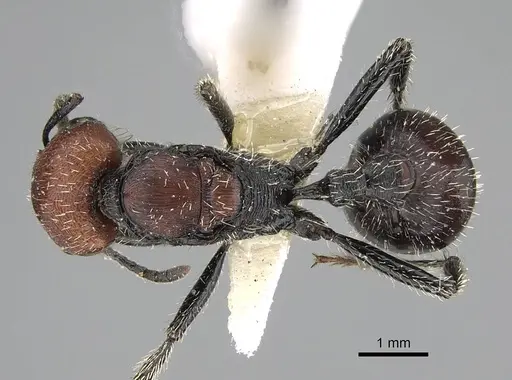
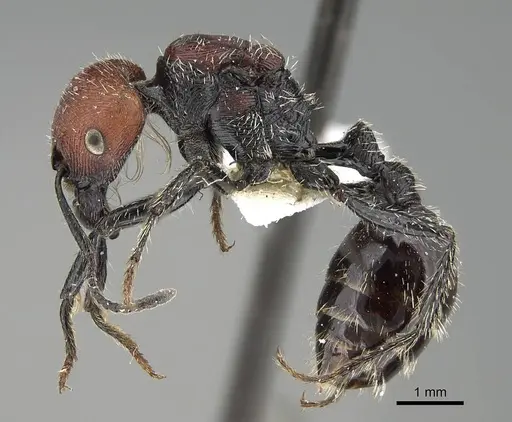
LACMENT273737
Lihat di AntWeb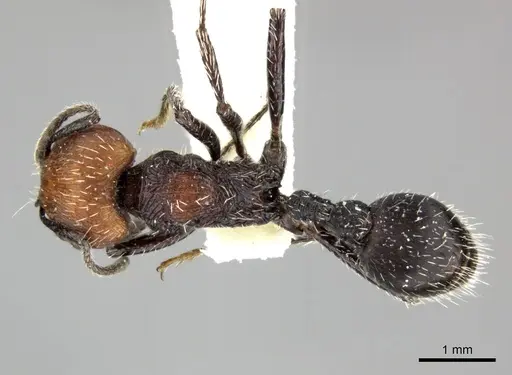
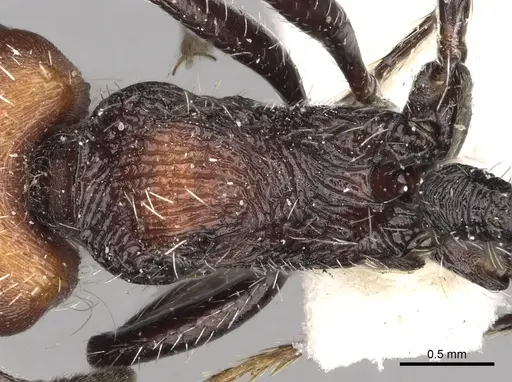
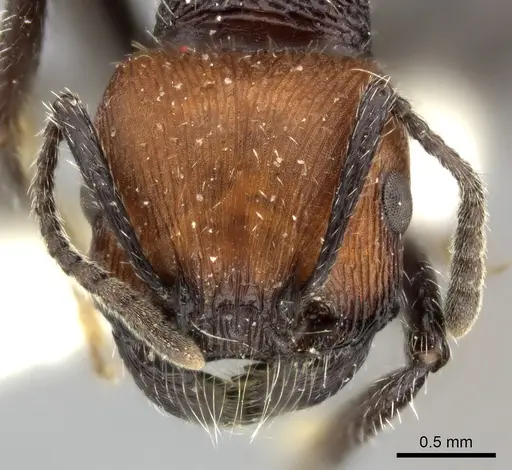
LACMENT273760
Lihat di AntWeb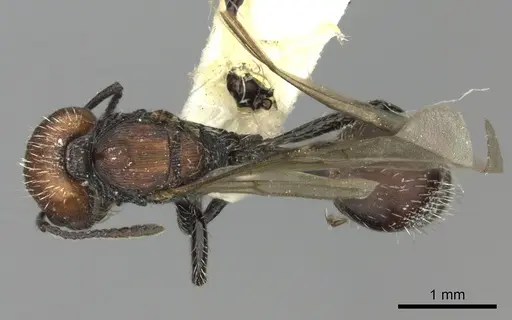
Literatur
Memuat peta distribusi...Memuat produk...