
Pogonomyrmex araucania
- Nama Ilmiah
- Pogonomyrmex araucania
- Tribe
- Pogonomyrmecini
- Subfamili
- Myrmicinae
- Penulis
- Johnson, 2021
- Distribusi
- Ditemukan di 0 negara
Pendahuluan
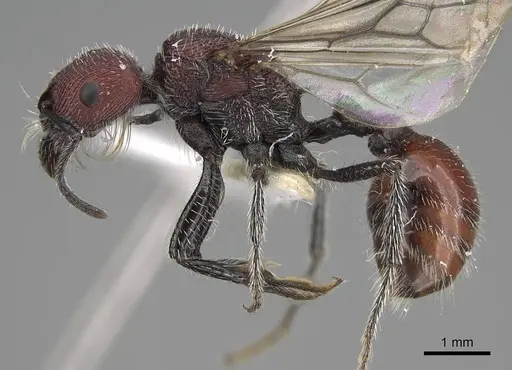
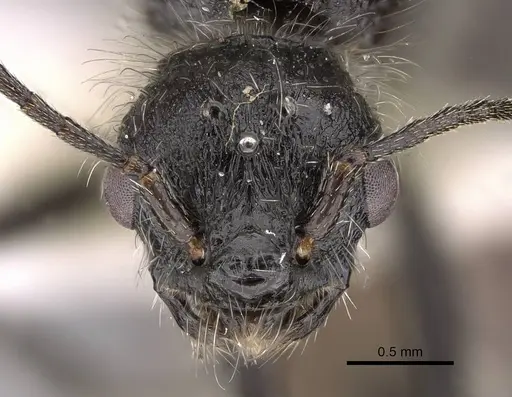
Pogonomyrmex araucania is a seed-harvester ant native to Argentina and Chile . Workers are solitary foragers, and nests have a visible tumulus up to 20 cm in diameter . Colonies can grow to up to 1000 workers . This species inhabits elevations from 985-1540 meters in temperate forests . Pogonomyrmex ants are known for their painful stings and will defend their nests vigorously.
Quick Summary
- Difficulty: Medium
- Origin & Habitat: Native to the Valdivian temperate forests of Argentina and Chile at elevations of 985-1540 meters [1]. They nest in open sites with mound structures [2].
- Colony Type: Unconfirmed, no specific data on queen number or social structure.
- Size & Growth:
- Queen: Size data unavailable, no total length measurements provided
- Worker: Size data unavailable, no total length measurements provided
- Colony: Up to 1000 workers [1][2]
- Growth: Moderate
- Development: Estimated 8-12 weeks based on typical Pogonomyrmex patterns (Development time varies with temperature)
- Antkeeping:
- Temperature: Keep at 20-26°C based on temperate forest origin
- Humidity: Keep nest substrate consistently moist but not waterlogged
- Diapause: Unknown, no specific data on hibernation in context
- Nesting: Y-tong, plaster, or naturalistic setups work well
- Behavior: Workers are solitary foragers [2]. They are defensive and will sting if threatened [1]. Escape prevention is important due to medium size.
- Common Issues: colonies may fail if kept too warm, they prefer cooler temperatures than typical Pogonomyrmex, their painful sting means handling should be minimized and protective gloves worn when necessary, seed-harvester colonies grow more slowly than predatory ants, patience is required, wild-caught colonies may have parasites that can devastate captive colonies, they need space for seed storage, cramped nests lead to colony decline
Housing and Nest Setup
For founding colonies, a test tube setup works well. Place the queen in a test tube with a water reservoir plugged with cotton. Once the first workers emerge and the colony grows, transition to a formicarium. Y-tong or plaster nests work best for this species. They need deeper chambers for seed storage and brood rearing. The foraging area should contain a sand or soil layer where workers can forage. A foraging box connected to the nest allows you to offer seeds and protein without disturbing the nest. [1][2]
Feeding and Diet
As seed-harvester ants, their primary diet consists of seeds. Offer a variety of seeds such as millet, chia, or flax. They also accept protein sources like small insects occasionally. Remove uneaten seeds periodically to prevent mold. Feed seeds constantly available and protein 1-2 times per week. [2]
Temperature and Seasonal Care
Pogonomyrmex araucania prefers cooler temperatures due to its temperate forest origin. Keep the nest area at 20-26°C. Room temperature in this range is ideal. During winter, reduce temperatures to 10-15°C for a rest period if desired, but no specific data confirms hibernation needs. [1]
Defense and Sting
Pogonomyrmex ants are known for their painful stings. Workers will aggressively defend their nest if threatened. When working with this species, move slowly and avoid disturbing the nest. Use gloves when necessary. If stung, wash the area with soap and water. [1]
Growth and Development
Colony development is moderate. After founding, the first workers emerge after several months. Once workers emerge, they take over foraging and the colony grows steadily. Growth rate depends on temperature, warmer conditions speed development but avoid overheating. Patience is essential with this species. [1]
Handling and Observation
These ants are best observed rather than handled due to their defensive nature and sting. When cleaning the foraging area or moving colonies, use gentle puffing of air or soft-bristled brushes. Observe their seed-harvesting behavior, workers carry seeds back to the nest. [2]
Frequently Asked Questions
How long does it take for Pogonomyrmex araucania to produce first workers?
Expect 3-5 months from founding to first workers emerging, based on typical Pogonomyrmex patterns. The exact timeline depends on temperature.
Do Pogonomyrmex araucania ants sting?
Yes, they can and will sting. Their sting is painful, and workers are defensive of the nest.
What do I feed Pogonomyrmex araucania?
Their primary food is seeds, offer millet, chia, or flax. They also accept protein like small insects. Remove uneaten seeds to prevent mold.
Can I keep multiple Pogonomyrmex araucania queens together?
This is not recommended as colony type is unconfirmed. Combining unrelated queens may result in fighting and colony failure.
Do Pogonomyrmex araucania need hibernation?
No specific data confirms hibernation needs. Based on temperate origin, a winter rest period may be beneficial, but it is unknown.
How big do Pogonomyrmex araucania colonies get?
Colonies can reach up to 1000 workers based on partial nest excavations [1][2]. In captivity, growth is moderate.
What temperature is best for Pogonomyrmex araucania?
Keep them at 20-26°C based on their temperate forest origin. Room temperature within this range is ideal.
Are Pogonomyrmex araucania good for beginners?
They are rated as medium difficulty due to slower growth and specific temperature needs. Beginners should start with easier species.
When should I move Pogonomyrmex araucania to a formicarium?
Keep founding colonies in test tubes until they outgrow it, typically when the test tube becomes crowded. Transition to a formicarium like Y-tong or plaster nests.
Why are my Pogonomyrmex araucania dying?
Common causes include temperatures too high, mold from excess moisture, stress from disturbance, parasites from wild-caught colonies, or insufficient space. Check conditions and ensure adequate care.
Report an Issue
The current care sheet is based fully on literature. See inconsistencies, or something that's incorrect? Please , it will be resolved after review from an admin. Contributing to the blogs tab also helps providing information, to make us be able to further improve the caresheets. Thank you for your support!
References

Lembar perawatan ini dilisensikan di bawah CC BY-SA 4.0 .
Blog Komunitas
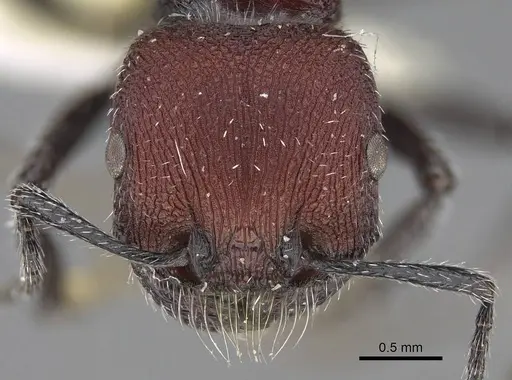
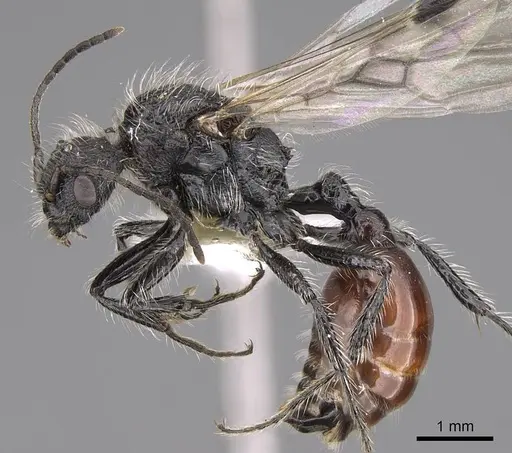
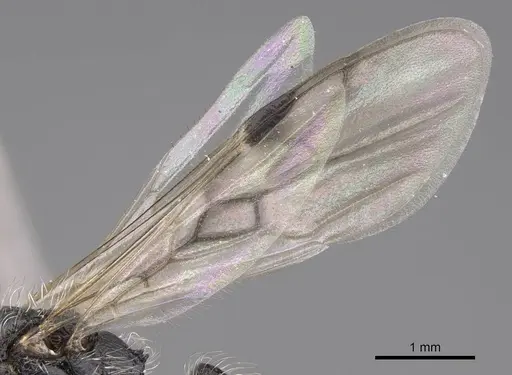
CASENT0106213
Lihat di AntWeb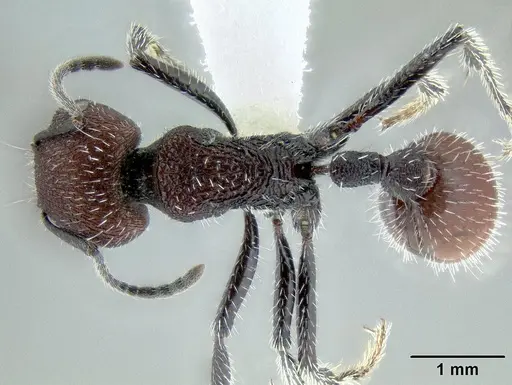
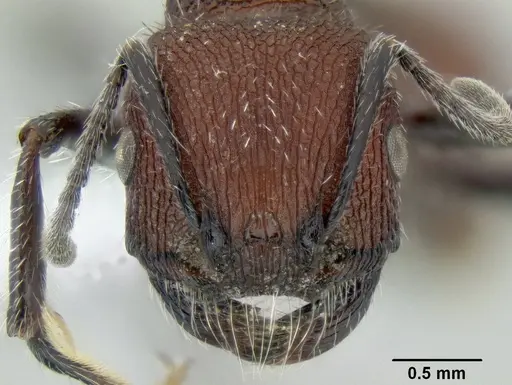
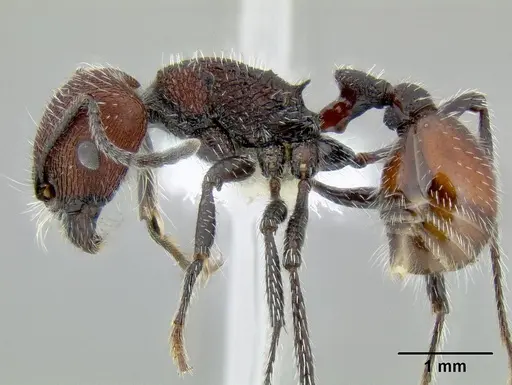
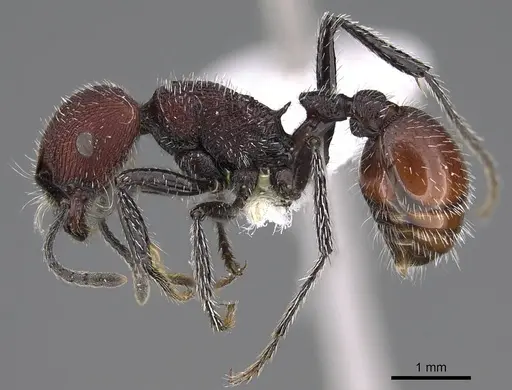
CASENT0914128
Lihat di AntWeb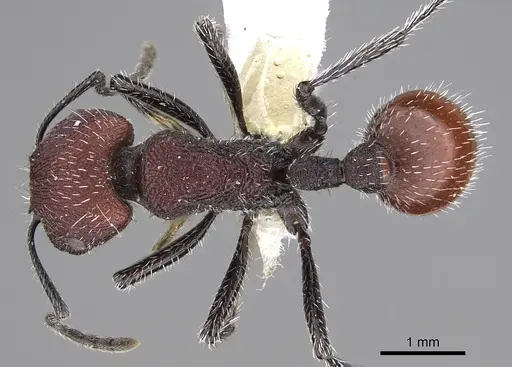
CASENT0914129
Lihat di AntWeb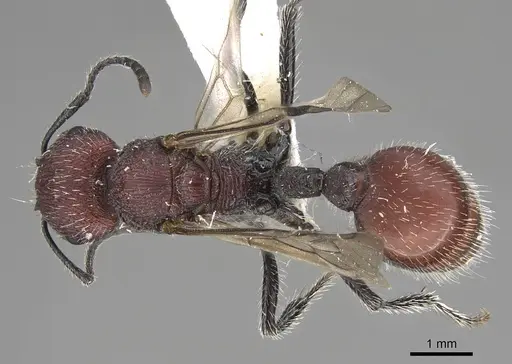
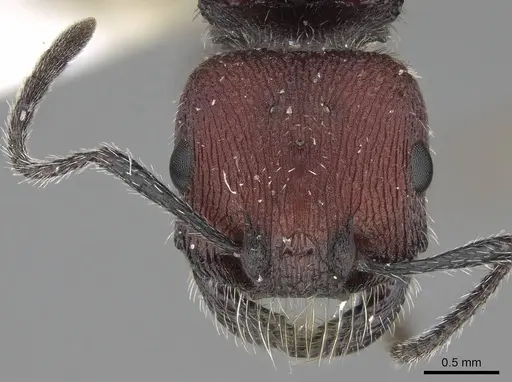
CASENT0914355
Lihat di AntWeb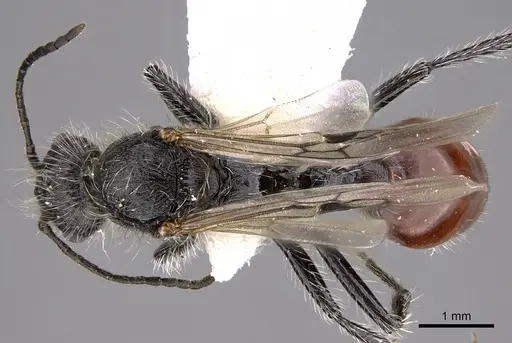
Literatur
Memuat peta distribusi...Memuat produk...