
Pheidole upeneci
- Nama Ilmiah
- Pheidole upeneci
- Tribe
- Attini
- Subfamili
- Myrmicinae
- Penulis
- Forel, 1913
- Distribusi
- Ditemukan di 2 negara
Pendahuluan
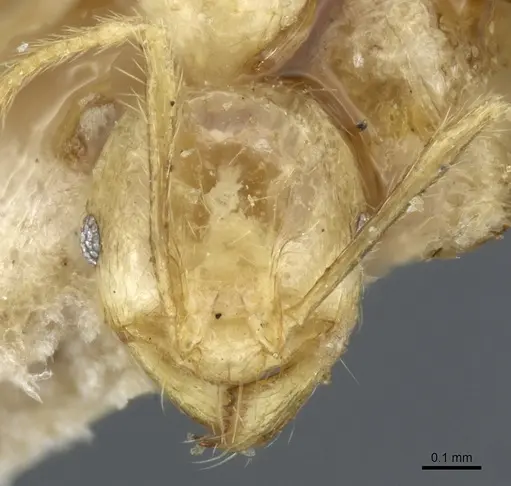
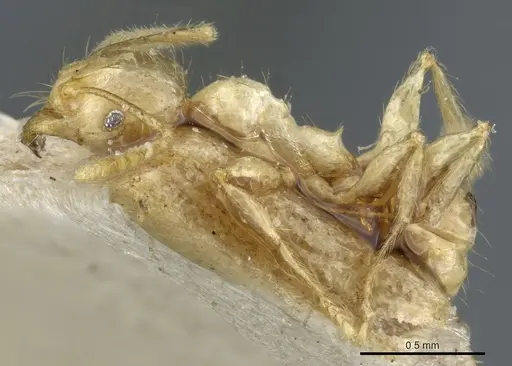
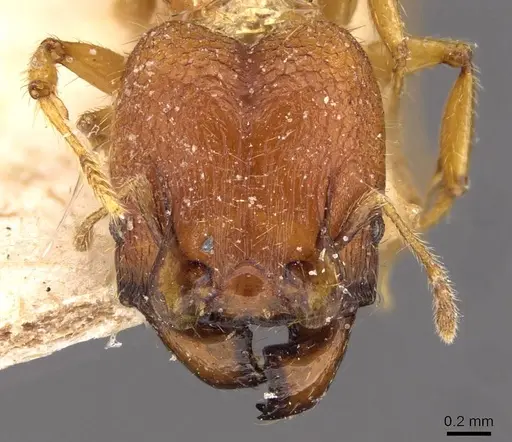
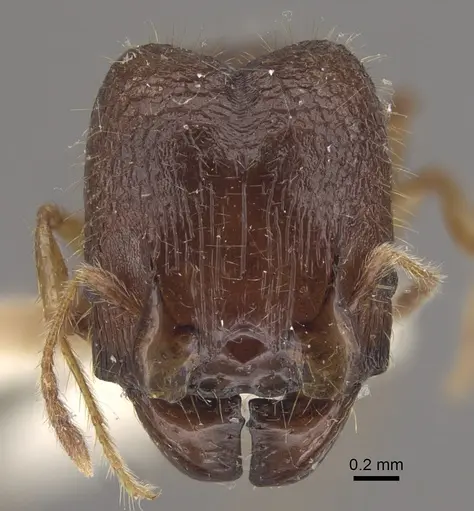
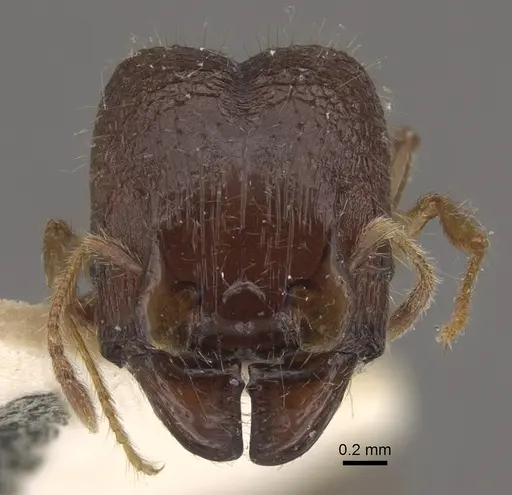
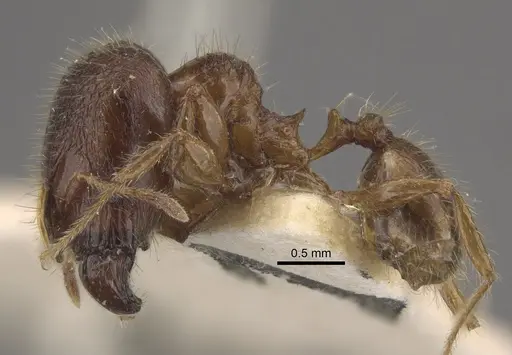
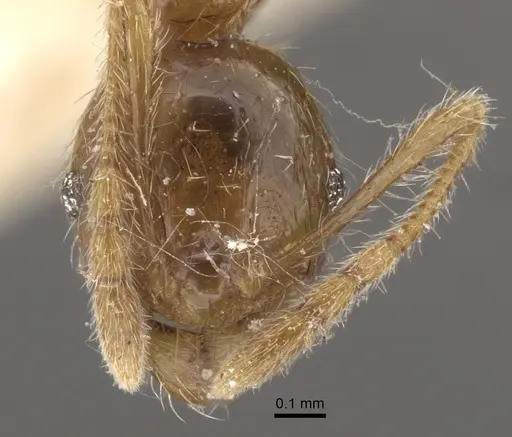
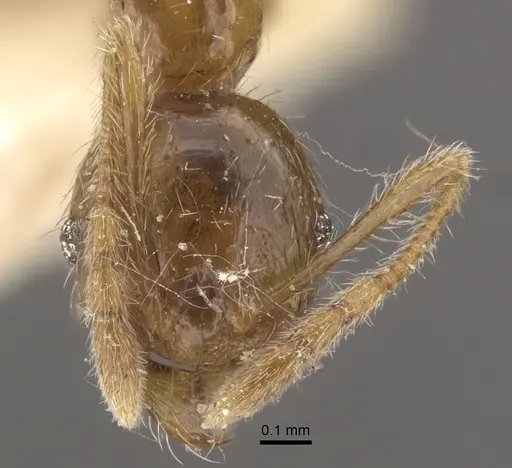
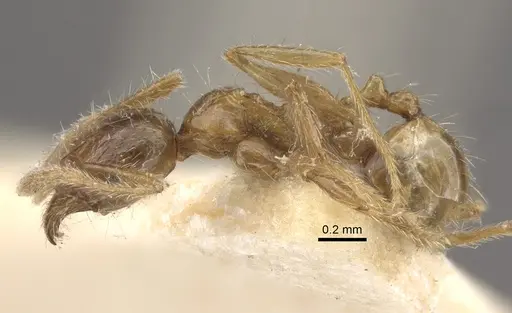
Pheidole upeneci is a small dimorphic ant species native to Southeast Asia, with major workers having a total length of 2.9-3.3 mm and minor workers 1.8-1.9 mm . It inhabits well-developed hill forests in Borneo, Java, and Malaysia . Genetic analysis places it in the P. smythiesii clade (SMY) . Like other Pheidole species, it has distinct major and minor worker castes, with majors having enlarged heads for defense.
Quick Summary
- Difficulty: Unknown
- Origin & Habitat: Southeast Asia, Borneo, Indonesia (Java), and Malaysia. Inhabits well-developed hill forests [1].
- Colony Type: Based on Pheidole genus patterns, likely monogyne (single queen colonies). Specific social structure is unconfirmed for this species.
- Size & Growth:
- Queen: Size data unavailable, no total length measurements for queens in available literature.
- Worker: Major: ~2.9-3.3 mm, Minor: ~1.8-1.9 mm [1]
- Colony: Unknown, no specific data on maximum colony size.
- Growth: Unknown
- Development: Unconfirmed, typical Pheidole development takes 6-10 weeks at warm temperatures. (No specific development data exists for this species. Estimates based on genus-level patterns for tropical Pheidole.)
- Antkeeping:
- Temperature: Based on tropical habitat, likely prefers 24-28°C.
- Humidity: Keep substrate consistently moist but not waterlogged.
- Diapause: No, tropical species do not require hibernation [1].
- Nesting: Natural nesting in rotting wood or soil [1]. In captivity, use test tubes for founding and Y-tong or plaster nests for larger colonies.
- Behavior: Pheidole species are typically docile. Minor workers handle foraging and brood care, while majors defend the nest. Escape risk is high due to small size.
- Common Issues: small size requires excellent escape prevention, they can slip through tiny gaps, no specific care data exists, keepers must adapt from related species, tropical requirements mean consistent warmth is needed, wild-caught colonies may have parasites, slow growth compared to faster-developing species
Nest Preferences and Housing
In the wild, Pheidole upeneci nests in rotting wood and soil in hill forest environments [1]. For captive care, start colonies in standard test tube setups. Once the colony has several workers, transition to a small formicarium like a Y-tong nest or plaster setup with appropriately sized chambers. Ensure moisture retention due to their humid habitat.
Feeding and Diet
Specific diet for Pheidole upeneci is unconfirmed. Based on Pheidole genus patterns, they are typically omnivorous, accepting small insects, seeds, and sugar sources. Offer varied diet but adapt based on colony response.
Temperature and Seasonal Care
As a tropical species from hill forests, Pheidole upeneci requires warm conditions year-round [1]. Aim for temperatures around 24-28°C. No diapause is needed [1].
Behavior and Colony Structure
Pheidole upeneci has major and minor worker castes. Minor workers handle daily tasks like foraging and brood care, while majors defend the nest. The species is not particularly aggressive but will defend if threatened. Foraging occurs primarily at night. Due to their small size, escape prevention is critical.
Frequently Asked Questions
How long does it take for Pheidole upeneci to produce first workers?
The exact timeline is unconfirmed. Based on typical Pheidole genus patterns, expect 6-10 weeks from egg to first worker at warm temperatures.
What do Pheidole upeneci ants eat?
Specific diet is unconfirmed. They are likely omnivorous, accepting small insects and sugar sources, but keepers should adapt based on colony response.
Can I keep multiple Pheidole upeneci queens together?
This has not been documented. Based on typical Pheidole behavior, they are likely single-queen colonies, and combining unrelated queens may lead to fighting.
What size colony does Pheidole upeneci reach?
Colony size is not documented for this species. No specific data on maximum size is available.
What temperature should I keep Pheidole upeneci at?
As a tropical species, keep them warm at 24-28°C. Avoid temperatures below 20°C.
Are Pheidole upeneci good for beginners?
Difficulty level is unknown due to limited specific data. Their small size requires careful escape prevention, and lack of documented care may challenge beginners.
When should I move Pheidole upeneci to a formicarium?
Keep them in a test tube setup during founding. Once the colony has several workers and the test tube water needs frequent refilling, consider moving to a small formicarium.
Do Pheidole upeneci need hibernation?
No, as a tropical species, they do not require hibernation and should be kept warm year-round [1].
Why are my Pheidole upeneci dying?
Common causes include temperatures too cold, low humidity, escape through tiny gaps, mold from overfeeding, or parasites from wild-caught colonies. Ensure proper temperature, humidity, and escape prevention.
Report an Issue
The current care sheet is based fully on literature. See inconsistencies, or something that's incorrect? Please , it will be resolved after review from an admin. Contributing to the blogs tab also helps providing information, to make us be able to further improve the caresheets. Thank you for your support!
References

Lembar perawatan ini dilisensikan di bawah CC BY-SA 4.0 .
Blog Komunitas
CASENT0281684
Lihat di AntWeb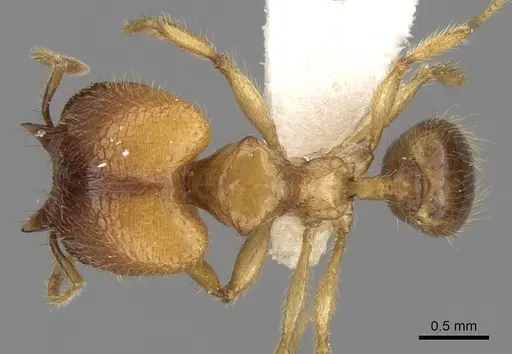
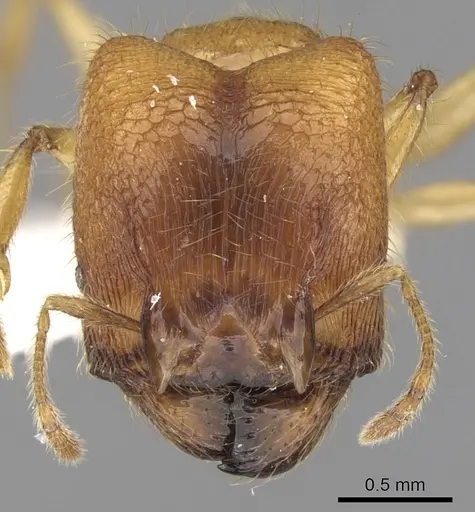
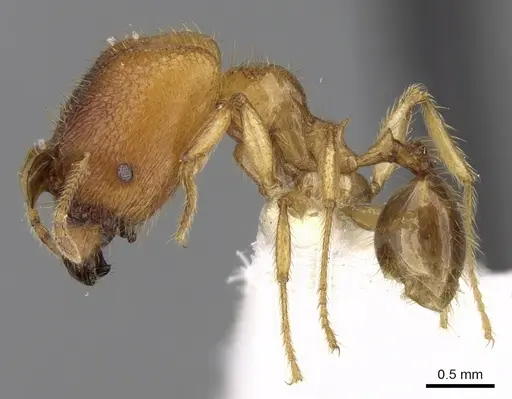
CASENT0904261
Lihat di AntWeb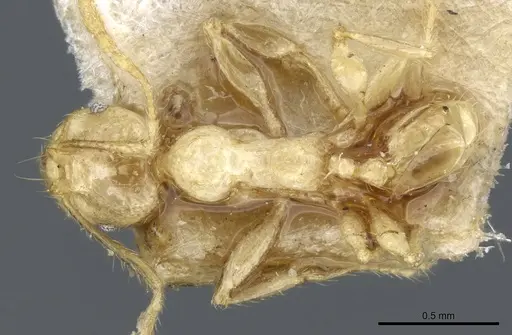
CASENT0907773
Lihat di AntWeb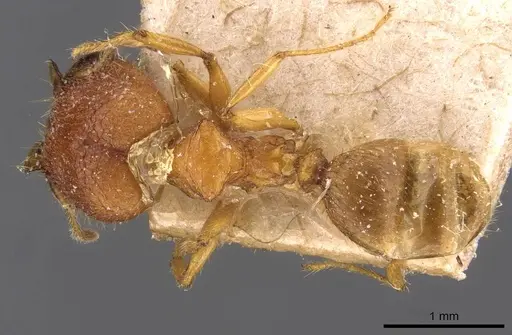
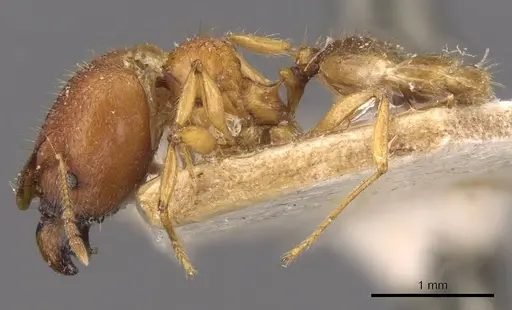
CASENT0907774
Lihat di AntWeb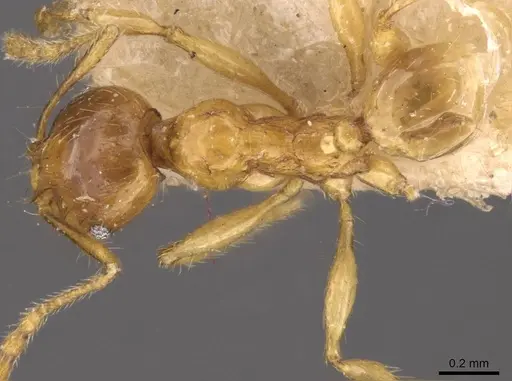
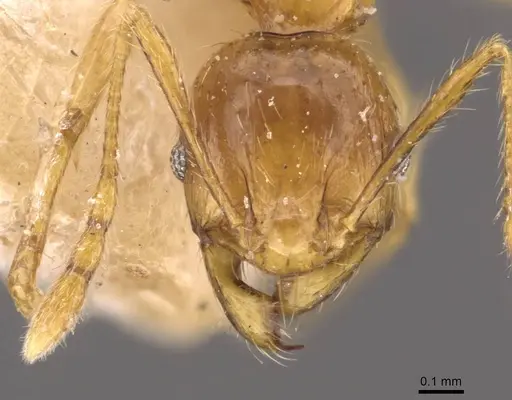
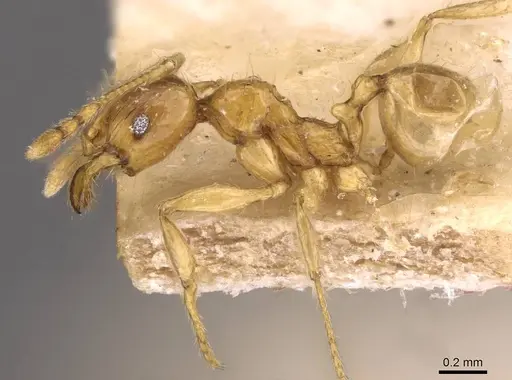
CASENT0917794
Lihat di AntWeb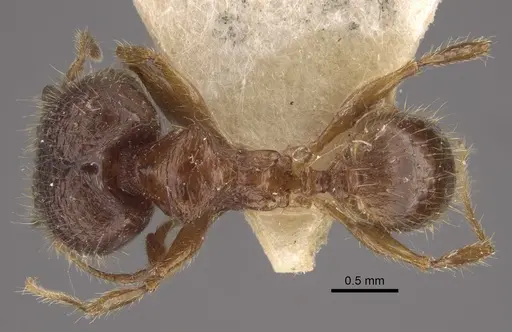
CASENT0917795
Lihat di AntWeb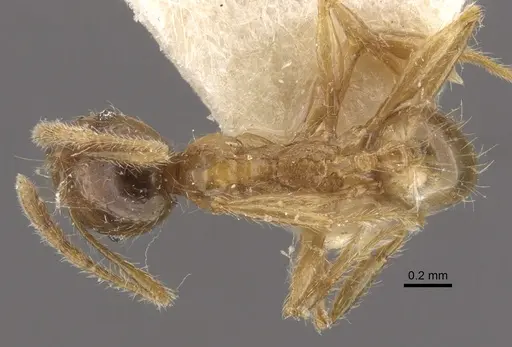
Literatur
Memuat peta distribusi...Memuat produk...