
Pheidole simoni
- Nama Ilmiah
- Pheidole simoni
- Tribe
- Attini
- Subfamili
- Myrmicinae
- Penulis
- Emery, 1893
- Distribusi
- Ditemukan di 0 negara
Pendahuluan
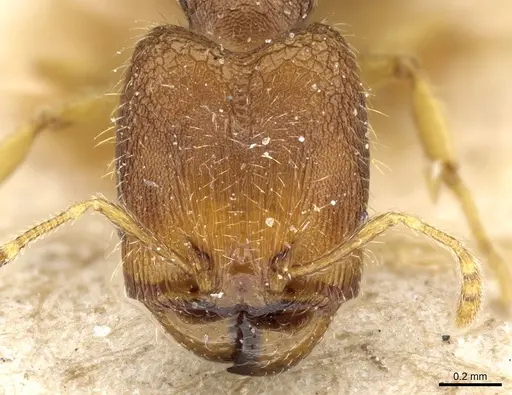
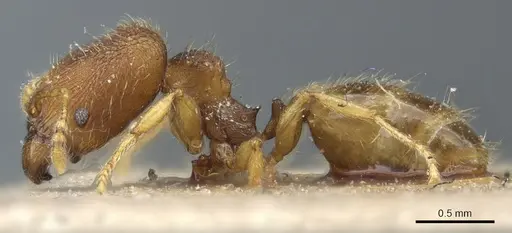
Pheidole simoni is a small ant species native to the Philippines, specifically documented from Manila . It has the characteristic Pheidole two-caste system with distinct major (soldier) and minor workers . The species is similar to Pheidole rinae but distinguished by head and promesonotum sculpture . Nothing is known about their biology in the wild, making captive care experimental due to lack of documented information .
Quick Summary
- Difficulty: Expert
- Origin & Habitat: Philippines (Manila), tropical island environment [1][2]
- Colony Type: Colony structure is unconfirmed, no specific data available [2]
- Size & Growth:
- Queen: Size data unavailable
- Worker: Size data unavailable
- Colony: Unknown
- Growth: Unknown
- Development: Unknown, no data available (No direct data exists for this species.)
- Antkeeping:
- Temperature: Temperature needs are unclear, start around 24-28°C and observe, based on tropical habitat [2]
- Humidity: Keep substrate consistently moist but not waterlogged, based on tropical habitat [2]
- Diapause: No diapause expected for tropical species [2]
- Nesting: Nesting preferences unknown, use small, enclosed spaces typical for Pheidole species [2]
- Behavior: Behavior undocumented. Based on typical Pheidole, likely non-aggressive but will defend nest. Escape prevention critical due to small size [2]
- Common Issues: escape prevention is critical due to very small size, no biological data exists, care is experimental, colony development may be slow or failed due to unknown founding requirements, wild-caught colonies may carry parasites, test tube setups must be properly sized to avoid flooding
Nest Preferences and Housing
Pheidole simoni's natural nesting is undocumented [2]. For captivity, start with a small test tube setup or use Y-tong/plaster nests with tight chambers, as inferred from typical Pheidole species [2]. The nest should remain humid but with drier areas for moisture regulation. Due to their tiny size, seal all gaps with fine mesh to prevent escapes.
Feeding and Diet
The specific diet of Pheidole simoni is unknown [2]. Based on typical Pheidole species, they may accept small live insects, honeydew, and sugar sources [2]. Offer varied diet in small amounts and remove uneaten food after 24 hours.
Temperature and Seasonal Care
Temperature needs are unclear, maintain around 24-28°C based on tropical origin [2]. No diapause is expected for this tropical species. Avoid temperatures below 20°C.
Colony Founding and Growth
Founding behavior is unconfirmed [2]. If obtaining a queen, provide a small test tube setup and keep her warm and undisturbed. Colony growth is unknown due to lack of data.
Behavior and Temperament
Behavior is undocumented, but Pheidole species are generally non-aggressive [2]. Escape prevention is critical due to their small size. Use fine mesh barriers and check regularly.
Frequently Asked Questions
How long does it take for Pheidole simoni to produce first workers?
Unknown, no documented development timeline exists [2].
What do Pheidole simoni ants eat?
Their specific diet is unstudied, but like other Pheidole species, they may accept small insects and sugar sources [2].
Can I keep multiple Pheidole simoni queens together?
Unknown, colony structure has not been documented [2].
What temperature do Pheidole simoni need?
Keep them warm at 24-28°C, based on tropical origin [2].
Are Pheidole simoni good for beginners?
No, this species is not recommended for beginners due to lack of data and small size [2].
How big do Pheidole simoni colonies get?
Unknown, no colony size data exists [2].
Do Pheidole simoni need hibernation?
No, being a tropical species, they do not require diapause [2].
Why are my Pheidole simoni escaping?
Their very small size means they can squeeze through gaps. Use fine mesh and seal all connections [2].
When should I move Pheidole simoni to a formicarium?
Wait until the colony is established, but no specific data exists [2].
Report an Issue
The current care sheet is based fully on literature. See inconsistencies, or something that's incorrect? Please , it will be resolved after review from an admin. Contributing to the blogs tab also helps providing information, to make us be able to further improve the caresheets. Thank you for your support!
References

Lembar perawatan ini dilisensikan di bawah CC BY-SA 4.0 .
Blog Komunitas
CASENT0904263
Lihat di AntWeb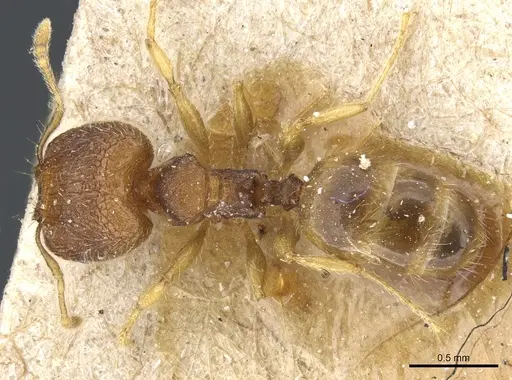
Literatur
Memuat peta distribusi...Memuat produk...