
Pheidole schmalzi
- Nama Ilmiah
- Pheidole schmalzi
- Tribe
- Attini
- Subfamili
- Myrmicinae
- Penulis
- Emery, 1894
- Distribusi
- Ditemukan di 2 negara
Pendahuluan
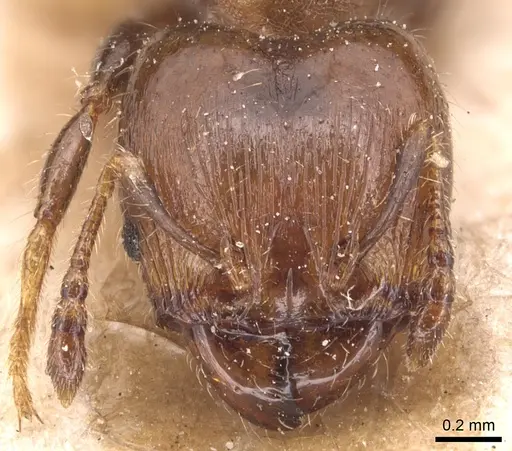
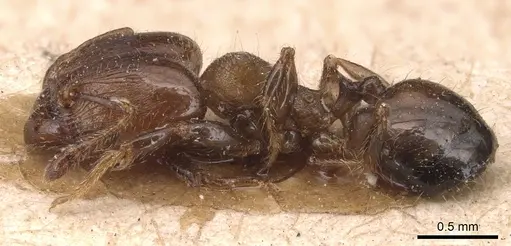
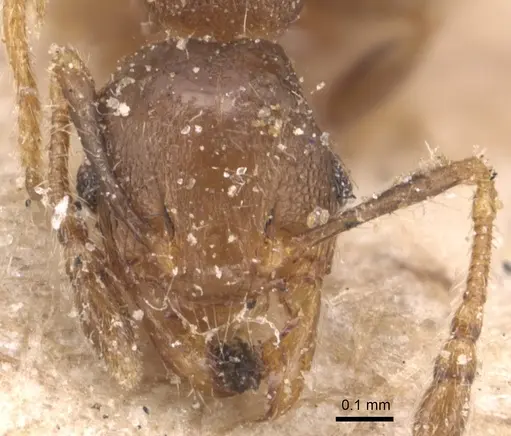
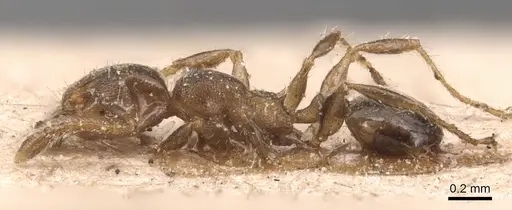
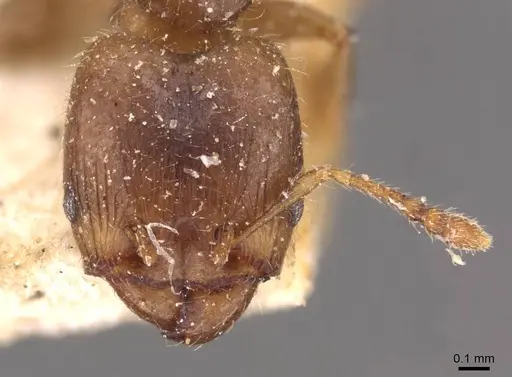
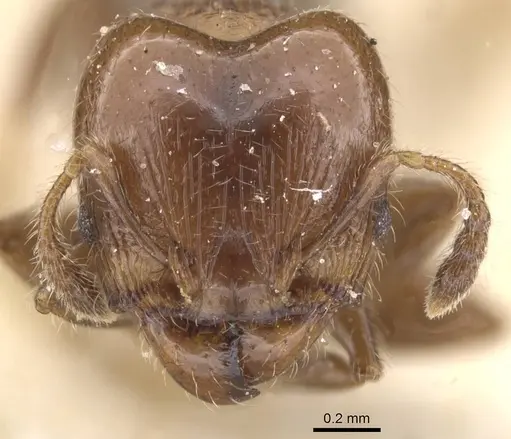
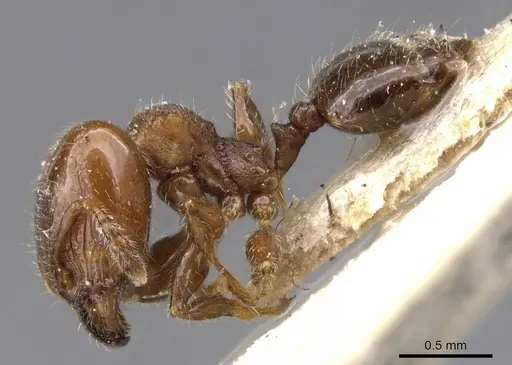
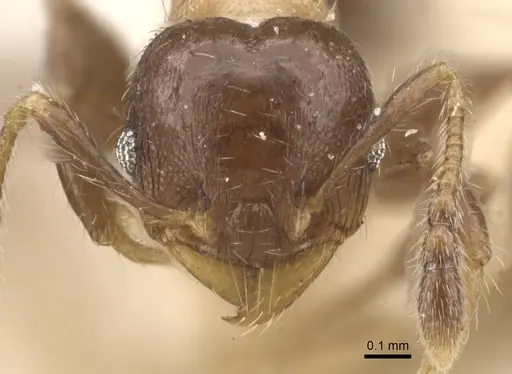
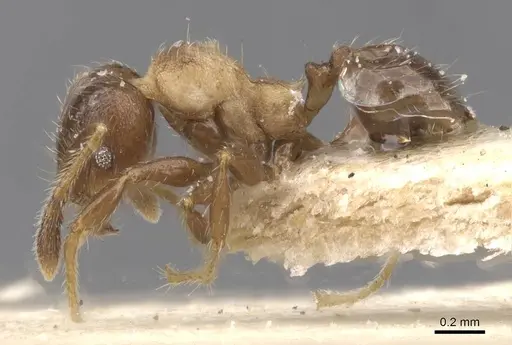
Pheidole schmalzi is a medium-sized ant in the genus Pheidole, part of the flavens group. Major workers have a head width of 0.94mm, and minor workers have a head width of 0.50mm . Body size is inferred from the genus as approximately 2-5mm for workers and 8-12mm for queens. The species has a reddish-yellow to brown coloration, with lighter brown body and appendages and darker waist and gaster . It is known from Santa Catarina and Rio de Janeiro in Brazil, as well as Bolivia and Venezuela . This species is only known from type specimens, with no data on nesting, diet, or behavior in the wild. Keeping this species requires experimentation and observation.
Quick Summary
- Difficulty: Unknown
- Origin & Habitat: Santa Catarina and Rio de Janeiro, Brazil, Bolivia, Venezuela, Neotropical region [1][2]
- Colony Type: Unknown, no colony structure data exists.
- Size & Growth:
- Queen: ~8-12mm, inferred from Pheidole genus
- Worker: ~2-5mm, inferred from Pheidole genus
- Colony: Unknown
- Growth: Unknown
- Development: Unknown, no development data exists. (Development time is unconfirmed.)
- Antkeeping:
- Temperature: Unknown, based on Neotropical distribution, likely warm around 22-28°C, but no specific data.
- Humidity: Unknown, no habitat data available.
- Diapause: Unknown, Neotropical species may not require diapause, but unconfirmed.
- Nesting: Unknown, no nesting preferences documented. Standard test tube setup can be used for founding.
- Behavior: Undocumented, no behavioral observations exist. Escape risk is moderate based on size. Defense mechanism is a sting, typical for Myrmicinae ants.
- Common Issues: no species-specific care data exists, leading to potential colony failure., unknown founding behavior may require different conditions., diet preferences are unconfirmed, so experimentation is needed., risk of parasites from wild-caught specimens.
Housing and Nest Setup
Since nesting preferences are unknown, use a standard test tube setup for founding colonies. Fill with water and cotton, place in a warm, dark area. Once workers emerge, transition to a small nest. Provide an outworld for foraging. Note that specific requirements are unconfirmed.
Feeding and Diet
Diet is completely unconfirmed. Start with standard ant foods: sugar water or honey solution, and small insects like fruit flies. Observe what workers accept and adjust. Remove uneaten food after 24-48 hours to prevent mold.
Temperature and Humidity
Temperature and humidity needs are unknown. Based on Neotropical distribution, aim for warm conditions around 22-28°C and moderate humidity. Use a heating cable if needed, and keep substrate moist but not waterlogged.
Colony Establishment
Founding behavior is unconfirmed. Assume claustral founding like most Pheidole, where the queen seals herself in and lives off stored fat. Do not disturb during this period. First workers may emerge in several weeks, but timing is unknown.
Growth Expectations
Growth expectations are unknown. Colony development depends on care conditions. Document observations to contribute to understanding this species.
Frequently Asked Questions
How do I care for Pheidole schmalzi since nothing is known about its biology?
Start with standard ant care: test tube for founding, protein and sugar sources, warm conditions around 25°C. Observe your colony and adjust based on behavior. No species-specific data exists.
What should I feed Pheidole schmalzi?
Diet is unconfirmed. Offer sugar water or honey, and small insects like fruit flies. Watch what workers consume and focus on those foods.
What temperature does Pheidole schmalzi need?
Temperature needs are unknown. Based on distribution, aim for 22-28°C, but no specific data exists.
How long does it take for Pheidole schmalzi to produce first workers?
Development time is unknown. No data on egg-to-worker timeline exists.
Can I keep multiple queens of Pheidole schmalzi together?
Colony structure is unknown. Start with one queen per colony until more is known.
Does Pheidole schmalzi need hibernation?
Diapause is unknown. Neotropical species may not require it, but unconfirmed.
What size nest do I need for Pheidole schmalzi?
Start with a test tube for founding. Once established, use a small nest. Specific size requirements are unknown.
Are Pheidole schmalzi ants aggressive or dangerous?
Behavior is undocumented. Defense mechanism is a sting, typical for Myrmicinae ants.
Why are my Pheidole schmalzi dying?
Without documented care, trial and error is expected. Common issues include wrong conditions, unsuitable food, or parasites. Adjust conditions gradually and observe.
Where does Pheidole schmalzi come from?
This species is known from Santa Catarina and Rio de Janeiro in Brazil, as well as Bolivia and Venezuela [1][2].
Report an Issue
The current care sheet is based fully on literature. See inconsistencies, or something that's incorrect? Please , it will be resolved after review from an admin. Contributing to the blogs tab also helps providing information, to make us be able to further improve the caresheets. Thank you for your support!
References

Lembar perawatan ini dilisensikan di bawah CC BY-SA 4.0 .
Blog Komunitas
CASENT0904430
Lihat di AntWeb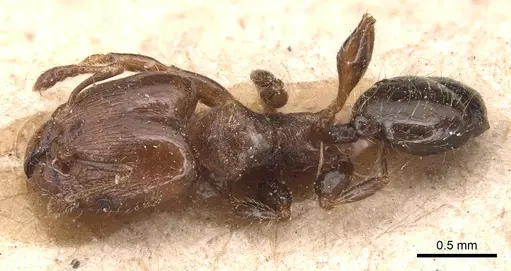
CASENT0904431
Lihat di AntWeb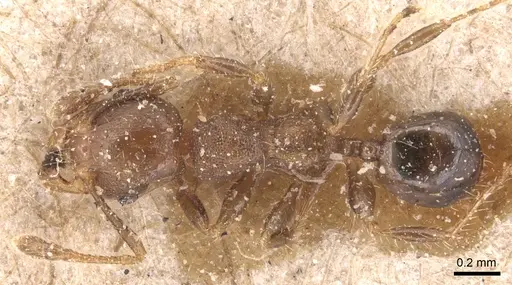
CASENT0908265
Lihat di AntWeb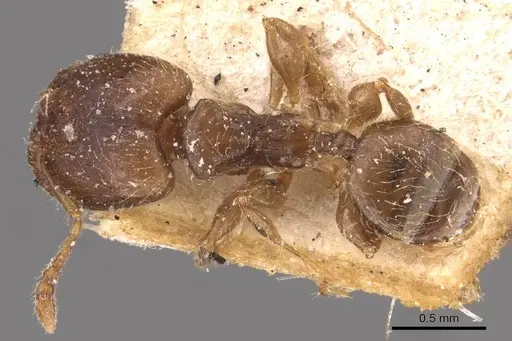
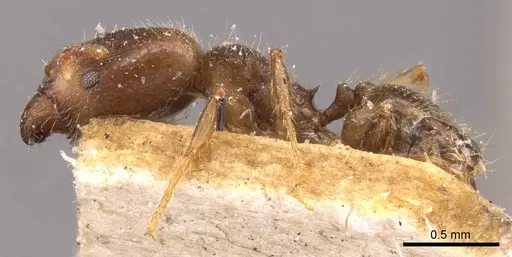
CASENT0908266
Lihat di AntWeb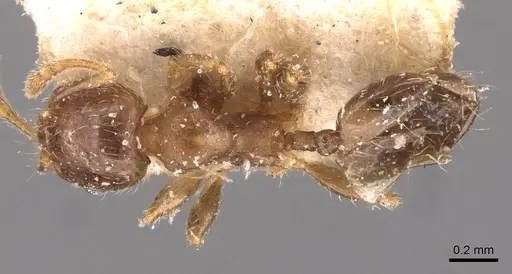
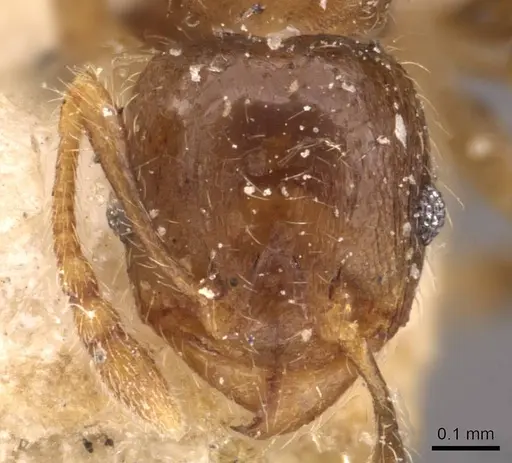
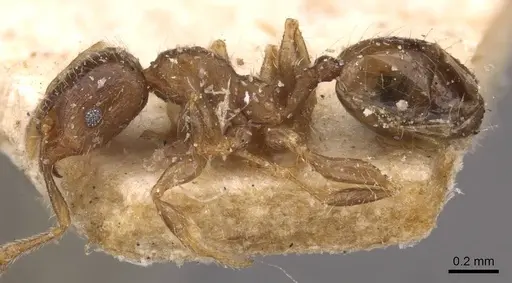
CASENT0913412
Lihat di AntWeb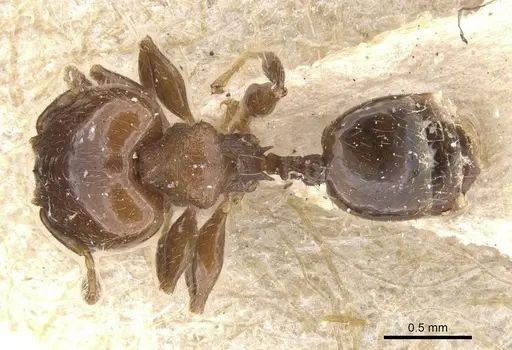
CASENT0913413
Lihat di AntWeb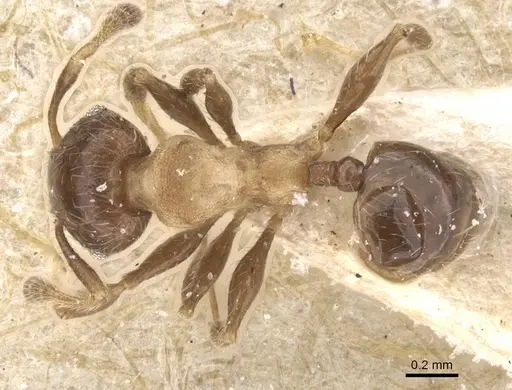
Literatur
Memuat peta distribusi...Memuat produk...