
Pheidole piliventris
- Nama Ilmiah
- Pheidole piliventris
- Tribe
- Attini
- Subfamili
- Myrmicinae
- Penulis
- Smith, 1858
- Distribusi
- Ditemukan di 0 negara
Pendahuluan
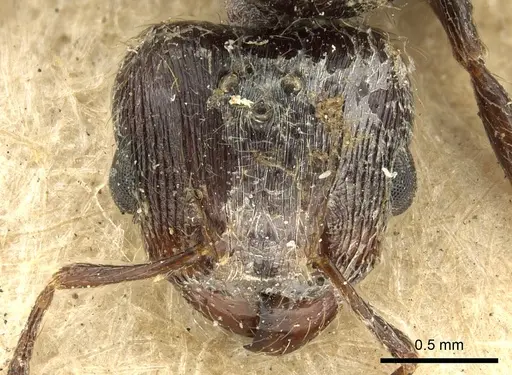
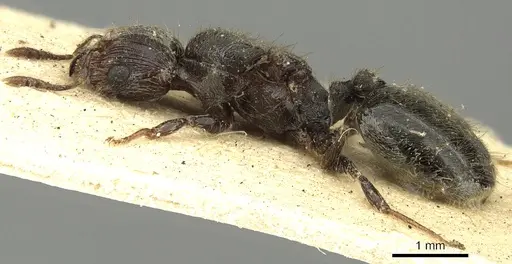
Pheidole piliventris is a small Neotropical ant species native to Brazil, first described by Frederick Smith in 1858 . Like all Pheidole species, they are characterized by the presence of major workers with notably enlarged heads . The genus Pheidole is one of the most diverse ant genera globally . Workers are typically reddish-brown to dark brown , with majors having disproportionately large heads used for seed processing and colony defense . This species was originally described as Atta piliventris before being moved to the genus Pheidole by Mayr in 1886 . Distribution: Brazil, Rio de Janeiro . Pheidole piliventris remains a poorly documented species in the scientific literature . What we know about keeping this species comes largely from general Pheidole husbandry practices and the limited locality data indicating it inhabits tropical Brazil .
Quick Summary
- Difficulty: Medium, estimated based on typical Pheidole care requirements [1]
- Origin & Habitat: Brazil, Neotropical region. The type locality is Rio de Janeiro, Brazil [2][1].
- Colony Type: Colony structure is unconfirmed. Most Pheidole species are monogyne (single queen), though some can form polygyne colonies [1].
- Size & Growth:
- Queen: ~6-8 mm, inferred from Pheidole genus [1]
- Worker: Minor workers: ~2-3 mm, major workers: ~3-5 mm, inferred from Pheidole genus [1]
- Colony: Up to several thousand workers [1]
- Growth: Moderate [1]
- Development: Estimated 6-8 weeks at tropical temperatures (24-28°C) based on related species development [1] (Development time is estimated from genus-level data as species-specific measurements are unavailable)
- Antkeeping:
- Temperature: Keep warm at 24-28°C, based on tropical habitat [1]
- Humidity: Keep nest substrate consistently moist but not waterlogged [1]
- Diapause: No, being a tropical species from Brazil, they do not require hibernation [1]
- Nesting: In nature, Pheidole species typically nest in soil, under stones, or in rotting wood [1]. In captivity, they do well in Y-tong (AAC) nests, plaster nests, or naturalistic setups with soil substrate [1].
- Behavior: Pheidole piliventris is a generally peaceful seed-harvesting ant species [1]. Major workers are not aggressive but will defend the colony if threatened [1]. They possess a functional stinger but are not considered dangerous to keepers. Workers are active foragers [1]. They are not known to be escape artists, but standard escape prevention is recommended [1].
- Common Issues: inadequate warmth can slow development or kill the colony, majors need space to process seeds, narrow tunnels can frustrate behavior, too-dry conditions can harm the colony, maintain moist substrate
Nest Preferences and Housing
Pheidole piliventris can be housed in various nest types that provide darkness, security, and appropriate humidity [1]. Y-tong (AAC) nests work well for this species, as do plaster nests with chambers appropriately sized for their colony [1]. A naturalistic setup with a soil substrate and decorative elements also works, though it makes observation more difficult [1]. The nest should have multiple chambers to allow for brood sorting and food storage [1]. Since they are seed-eaters, ensure that major workers have enough space to manipulate and process seeds, narrow tunnels can sometimes frustrate their seed-processing behavior [1]. Provide an outworld area that is easy to clean and allows for foraging [1]. The outworld should have a barrier (Fluon or talcum powder) to prevent escapes, though they are not particularly agile climbers compared to some other genera [1].
Feeding and Diet
As a typical Pheidole species, P. piliventris is primarily granivorous, meaning they collect and eat seeds [1]. In captivity, offer a variety of seeds such as grass seeds, millet, flax, or commercial ant seed mixes [1]. Major workers use their enlarged heads to crack open seeds and access the nutritious contents inside [1]. Beyond seeds, they will readily accept protein sources including small insects (fruit flies, pinhead crickets, mealworms), and they also consume honeydew from aphids or sugar water [1]. Offer protein-rich foods 2-3 times per week, and keep a constant supply of seeds and sugar water available [1]. Remove uneaten seeds and insect remains promptly to prevent mold [1]. Fresh water should always be available, either through a water tube or by moistening the nest substrate [1].
Temperature and Seasonal Care
Being a tropical species from Brazil, Pheidole piliventris requires warm temperatures year-round [1]. Maintain nest temperatures between 24-28°C [1]. Temperatures below 22°C can slow brood development and reduce colony activity, while temperatures above 30°C may stress the colony [1]. Use a heating cable or heating mat on one side of the nest to create a temperature gradient, allowing ants to self-regulate by moving to warmer or cooler areas [1]. Since they come from a tropical climate, they do not require hibernation or diapause [1]. Room temperature in most homes may be insufficient, so monitor with a thermometer and provide supplemental heating if needed [1]. Avoid placing the nest near air conditioning vents or drafty areas [1].
Colony Development and Growth
Pheidole colonies develop through a predictable series of stages, but specific timing for P. piliventris is not documented [1]. Based on related species, expect the founding queen to remain sealed in her chamber for 3-4 weeks before the first nanitic workers emerge [1]. These initial workers are smaller than normal workers and will begin foraging for food to support further brood development [1]. The colony should grow steadily after this point, with major workers typically appearing when the colony reaches several hundred individuals [1]. Major workers serve as soldiers and seed processors, while minor workers handle most foraging and brood care [1]. A mature colony may contain several thousand workers, including both minor and major castes [1]. Growth rate depends heavily on temperature, feeding frequency, and colony size [1].
Behavior and Temperament
Pheidole piliventris is a generally peaceful species that focuses on seed collection and processing rather than aggressive behavior [1]. Major workers, with their distinctive large heads, are primarily used for cracking seeds and may defend the colony if directly threatened, but they do not exhibit aggressive foraging behavior [1]. Workers are active foragers that will search the outworld for seeds, insects, and sugar sources [1]. They communicate through chemical trails and can recruit nestmates to food discoveries [1]. The presence of major workers makes this species particularly interesting to observe, as you can watch them process seeds in ways that minor workers cannot [1]. They are not known to be particularly skittish and can tolerate moderate observation, though they prefer dark nesting conditions [1]. Escape prevention is straightforward, they are not exceptional climbers and standard barriers work well [1].
Frequently Asked Questions
How long does it take for Pheidole piliventris to produce first workers?
Based on typical Pheidole development, it may take 4-6 weeks from egg to first worker at optimal temperatures (24-28°C) [1]. The claustral queen will seal herself in and raise the first brood alone, with nanitic workers emerging after approximately 4 weeks under warm conditions [1].
What do Pheidole piliventris ants eat?
They are primarily seed-eaters (granivorous) [1]. Offer grass seeds, millet, flax, or commercial seed mixes [1]. They also accept small insects like fruit flies or mealworms, and will take sugar water or honey [1]. Provide a varied diet for optimal colony health [1].
What temperature do Pheidole piliventris need?
Keep them warm at 24-28°C [1]. As a tropical Brazilian species, they require year-round warmth [1]. Temperatures below 22°C can significantly slow their development and activity [1]. Use a heating cable if your room temperature is below their requirements [1].
Can I keep multiple Pheidole piliventris queens together?
The colony structure for this specific species is unconfirmed [1]. Most Pheidole species are monogyne (single queen), but some can be polygynous [1]. It is generally not recommended to combine unrelated foundress queens, as they may fight [1]. If you capture a queen, house her alone until her first workers emerge [1].
Are Pheidole piliventris good for beginners?
This species is estimated as Medium difficulty [1]. They have more specific temperature requirements than temperate species (needing constant warmth), but their dietary needs are straightforward and they are not aggressive [1]. The main challenge is the limited species-specific documentation available [1].
How big do Pheidole piliventris colonies get?
Based on typical Pheidole colony sizes, expect a mature colony to reach up to several thousand workers, including both minor workers and major workers (soldiers) [1]. Colony growth is moderate and depends on proper feeding and warm temperatures [1].
Do Pheidole piliventris need hibernation?
No. As a tropical species from Brazil, they do not require hibernation or diapause [1]. Keep them warm year-round at 24-28°C [1]. Simulating seasonal temperature changes is not necessary and could harm the colony [1].
What type of nest is best for Pheidole piliventris?
Y-tong (AAC) nests, plaster nests, or naturalistic setups with soil substrate all work well [1]. They prefer dark nesting areas with multiple chambers [1]. Ensure the nest can maintain humidity without becoming waterlogged [1].
Why are my Pheidole piliventris dying?
Common causes include: temperatures below 22°C (tropical species need warmth), too-dry conditions (they need humidity), overfeeding leading to mold, or stress from excessive disturbance during founding [1]. Ensure warm, humid conditions and minimal disturbance to the founding queen [1].
Report an Issue
The current care sheet is based fully on literature. See inconsistencies, or something that's incorrect? Please , it will be resolved after review from an admin. Contributing to the blogs tab also helps providing information, to make us be able to further improve the caresheets. Thank you for your support!
References

Lembar perawatan ini dilisensikan di bawah CC BY-SA 4.0 .
Blog Komunitas
CASENT0901610
Lihat di AntWeb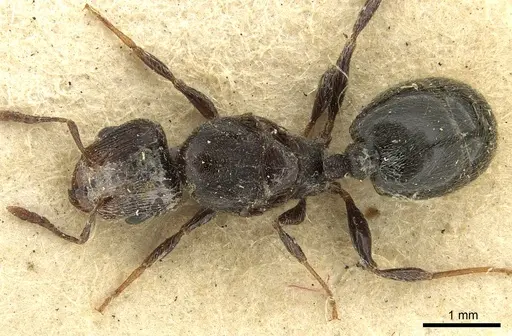
Literatur
Memuat peta distribusi...Memuat produk...