
Pheidole parvulogibba
- Nama Ilmiah
- Pheidole parvulogibba
- Tribe
- Attini
- Subfamili
- Myrmicinae
- Penulis
- Salata & Fisher, 2020
- Distribusi
- Ditemukan di 0 negara
Pendahuluan
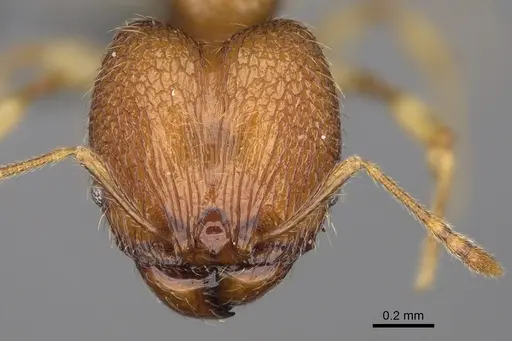
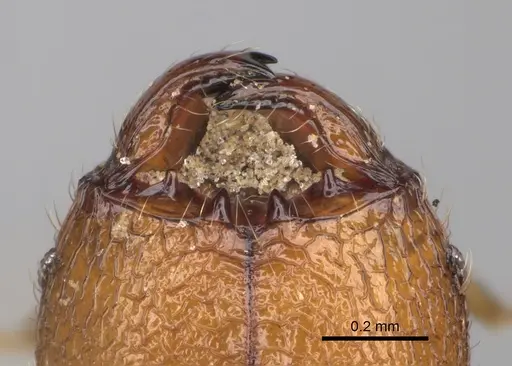
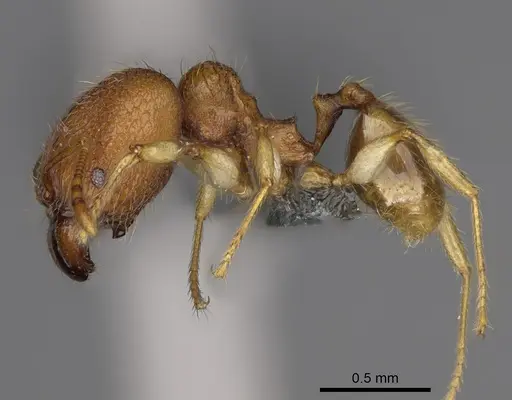
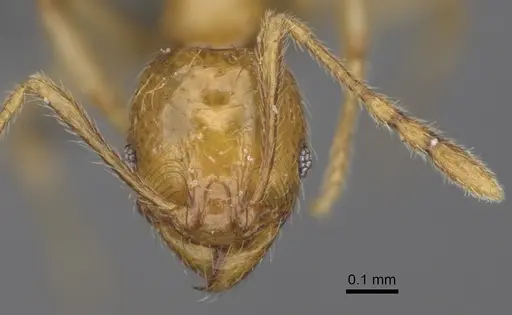
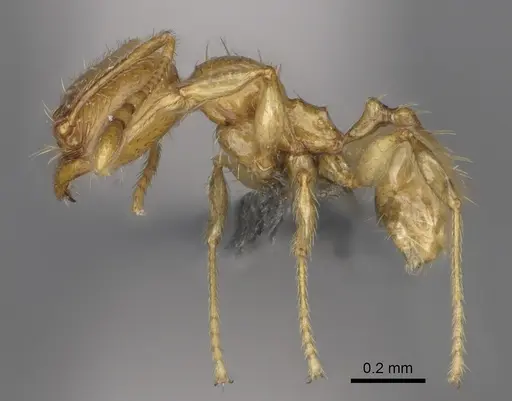
Pheidole parvulogibba is a minute ant species from Madagascar, belonging to the Pheidole sikorae species group. It was discovered in montane rainforest at 750 meters elevation, nesting under rootmats on rocks . Major workers have enlarged heads, and the species is yellowish-orange with yellow legs . This species is notable for its very small size, making it one of the smaller Pheidole species . Its montane habitat and specialized nesting behavior make it interesting for experienced antkeepers.
Quick Summary
- Difficulty: Medium
- Origin & Habitat: Endemic to Madagascar, specifically the Anosy Region in the Anosyenne Mountains. They live in montane rainforest at approximately 750 meters elevation, nesting under rootmats on rocks [1].
- Colony Type: Colony structure is unconfirmed for this species. Based on typical Pheidole patterns, they are likely monogyne (single-queen colonies), but this is not confirmed for this species.
- Size & Growth:
- Queen: Size data unavailable, no body size measurements provided in research.
- Worker: Workers are minute, with major workers having enlarged heads for defense and seed processing [1]. Body size data is unavailable.
- Colony: Unknown for this species, but typical Pheidole colonies can reach several hundred workers. Based on their minute size, expect moderate colony development over time.
- Growth: Moderate, based on typical Pheidole development patterns.
- Development: Estimated 6-8 weeks at optimal temperature based on genus-level data for small Pheidole species. (Development time is estimated from related species, specific data for this species is not available.)
- Antkeeping:
- Temperature: Keep at 22-26°C, based on their montane rainforest origin at 750m elevation. Avoid extremes.
- Humidity: Keep the nest substrate consistently moist but not waterlogged, with some drier areas available.
- Diapause: Unknown, no data on hibernation for this species.
- Nesting: In captivity, use Y-tong (AAC), plaster, or naturalistic nests with moist substrate. Based on wild nesting under rootmats on rocks [1].
- Behavior: Pheidole species have polymorphic workers: majors defend the colony and process seeds, minors handle foraging and brood care. This species is likely less aggressive due to its small size, but majors will defend vigorously. Escape prevention is critical due to their minute size. Workers are active foragers, searching for food on the ground and low vegetation.
- Common Issues: escape prevention is critical due to their very small size, use fine mesh and tight-fitting barriers., slow founding phase, queens may take months to raise first workers, requiring patience., overfeeding can lead to mold problems in small nests with limited ventilation., difficulty distinguishing between major and minor castes in early colony stages.
Nest Preferences and Housing
Pheidole parvulogibba is a minute species requiring carefully scaled housing. In their natural habitat, they nest under rootmats on rocks in montane rainforest, this indicates they prefer humid, shaded microhabitats with stability [1]. For captivity, Y-tong (AAC) nests work well for humidity control and observation. Plaster nests are another excellent option, as they hold moisture well. Naturalistic setups with moist soil can also work, but ensure tight escape prevention due to their small size. Chambers should be appropriately sized for minute workers, avoid large open spaces. A water tube attached to the nest helps maintain humidity.
Feeding and Diet
Like most Pheidole species, these ants are omnivorous with a preference for protein-rich foods. In the wild, they likely forage for small insects, seeds, and honeydew. In captivity, offer varied diet: small protein sources like fruit flies, pinhead crickets, or mealworms. Sugar sources like honey water can supplement their diet. Feed small amounts every 2-3 days, removing uneaten food promptly to prevent mold. Portion control is crucial due to their small size.
Temperature and Seasonal Care
Based on their origin in montane rainforest at 750m elevation in Madagascar, these ants prefer cooler conditions. Keep the nest at 22-26°C, with a slight gradient if possible. Avoid temperatures above 30°C. During winter, reduced activity may occur, but full hibernation is likely not necessary. Use heating cables cautiously to avoid drying the nest. [1]
Colony Development and Growth
As a recently described species, specific development data is limited. Based on typical Pheidole patterns, the founding queen may remain sealed for weeks to months while raising the first brood. Do not disturb her during this time. Once workers emerge, colony growth is moderate. Be patient during the founding phase, as this is when most colonies fail due to interference.
Behavior and Temperament
Pheidole parvulogibba exhibits the classic Pheidole social structure with distinct worker castes. Minor workers handle foraging and brood care, while majors defend the colony and process seeds. Despite their small size, majors will aggressively defend if threatened. Workers are active foragers, using chemical trails. Their minute size makes them quick and skittish when disturbed.
Frequently Asked Questions
How long does it take for Pheidole parvulogibba to raise first workers?
Based on typical Pheidole development, expect 6-8 weeks from egg to first worker at optimal temperature (around 24°C). However, this is an estimate since specific data for this species doesn't exist.
What do I feed Pheidole parvulogibba?
Offer small protein sources like fruit flies, tiny crickets, or mealworms. They also accept sugar sources like honey water. Feed small amounts every 2-3 days and remove uneaten food promptly.
Can I keep multiple queens together?
Not recommended. While some Pheidole species can be polygynous, combining unrelated foundresses of this specific species has not been documented and could result in fighting. It's best to start with a single queen colony.
What temperature do they need?
Keep them at 22-26°C. Based on their montane rainforest origin in Madagascar, they prefer cooler conditions than typical tropical ants. Avoid temperatures above 30°C.
How big do colonies get?
Specific data for this species is unknown, but typical Pheidole colonies reach several hundred workers. Given their minute size, expect moderate colony development over time with proper care.
Are they good for beginners?
This species is rated as Medium difficulty. While not the most challenging, their tiny size requires careful attention to escape prevention and specific humidity and temperature conditions. Some antkeeping experience is recommended.
When should I move them to a formicarium?
Wait until the colony has at least 20-30 workers and the test tube is becoming crowded. Moving too early can stress the colony. Ensure the formicarium conditions match what they're used to.
Do they need hibernation?
True hibernation is likely not required for this Madagascar species. However, they may experience reduced activity during cooler winter months. A slight temperature reduction during winter may be beneficial but is not mandatory.
Why are my ants dying during founding?
Common causes include disturbing the queen before workers emerge, improper humidity, temperature extremes, and mold from overfeeding. Ensure the founding setup is stable and resist frequent checks. Wild-caught colonies may carry parasites.
Report an Issue
The current care sheet is based fully on literature. See inconsistencies, or something that's incorrect? Please , it will be resolved after review from an admin. Contributing to the blogs tab also helps providing information, to make us be able to further improve the caresheets. Thank you for your support!
References

Lembar perawatan ini dilisensikan di bawah CC BY-SA 4.0 .
Blog Komunitas
CASENT0704453
Lihat di AntWeb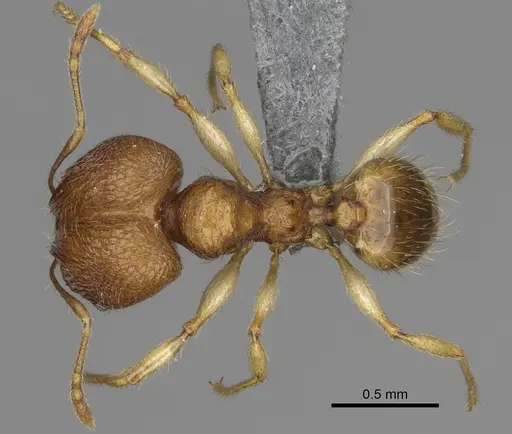
CASENT0923274
Lihat di AntWeb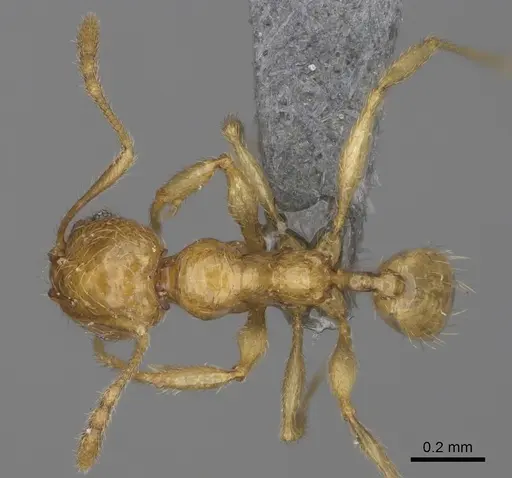
Literatur
Memuat peta distribusi...Memuat produk...