
Pheidole inscrobiculata
- Nama Ilmiah
- Pheidole inscrobiculata
- Tribe
- Attini
- Subfamili
- Myrmicinae
- Penulis
- Viehmeyer, 1916
- Distribusi
- Ditemukan di 0 negara
Pendahuluan
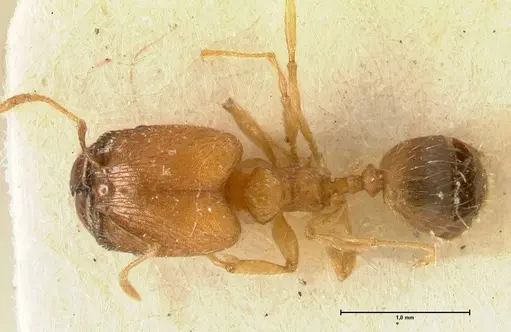
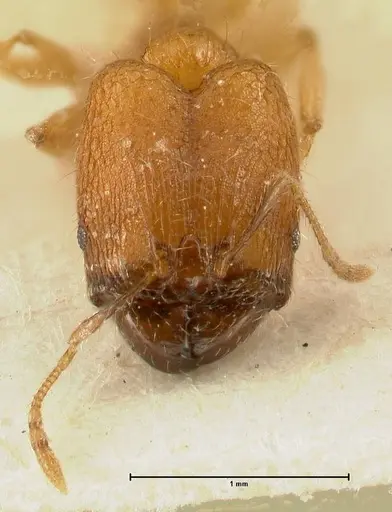
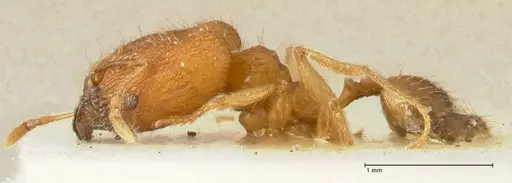
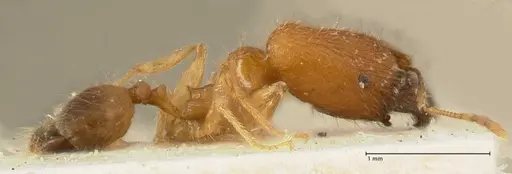
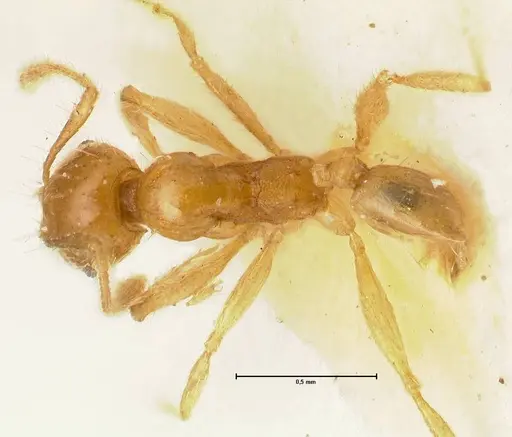
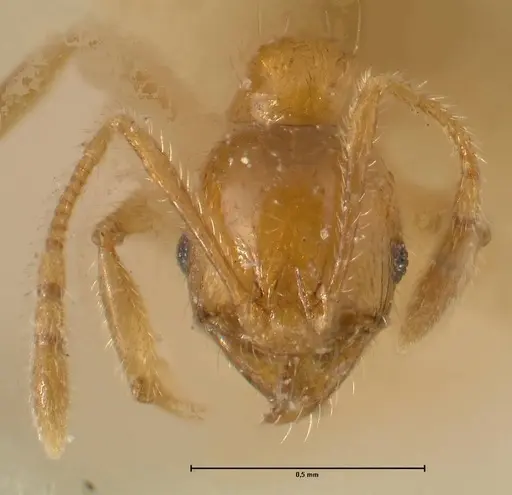
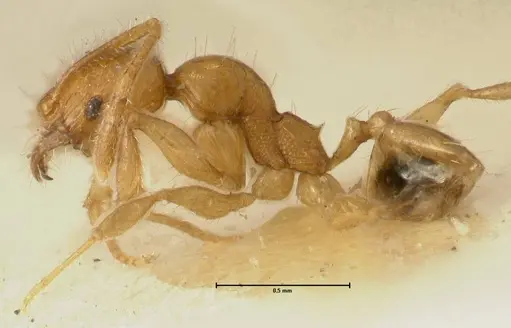
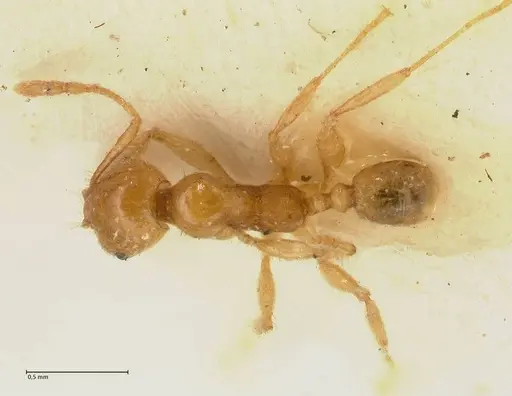
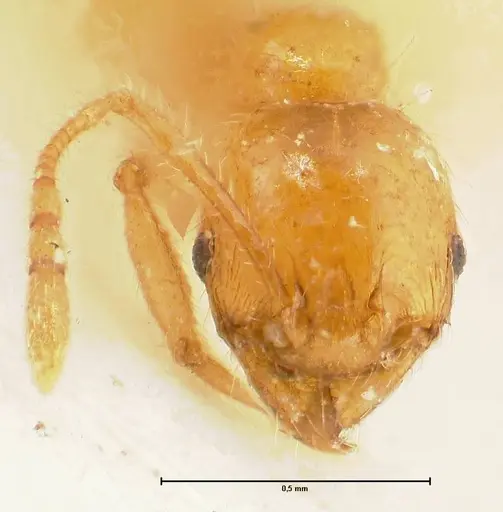
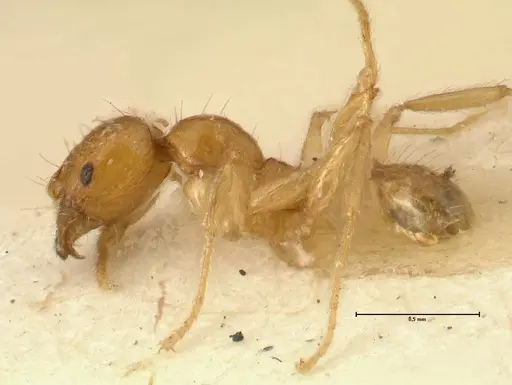
Pheidole inscrobiculata is a small tropical ant species native to Southeast Asia, found in Malaysia, Thailand, and the Philippines . Workers have two castes: majors with a total length of about 2.9 mm and minors with a total length of about 1.6 mm . The species was first described in 1916 from West Malaysia . Biology of this species is largely unstudied, but like other Pheidole, it has major and minor worker castes .
Quick Summary
- Difficulty: Medium
- Origin & Habitat: Tropical Southeast Asia, found in Malaysia, Thailand, and the Philippines, likely in lowland forest areas [1][2][3].
- Colony Type: Unconfirmed, no specific data on queen number or social structure.
- Size & Growth:
- Queen: size data unavailable
- Worker: Minor: ~1.6 mm, Major: ~2.9 mm (total length) [4]
- Colony: Unknown, no specific data on colony size.
- Growth: Moderate, estimated based on tropical Pheidole patterns.
- Development: Estimated 6-10 weeks at 24-28°C. (Development time is estimated, actual timing may vary with conditions.)
- Antkeeping:
- Temperature: Keep warm, around 24-28°C, based on tropical species needs.
- Humidity: Keep nest substrate consistently moist but not waterlogged.
- Diapause: No, tropical species do not require hibernation.
- Nesting: Y-tong or plaster nests suitable for small species.
- Behavior: Generally peaceful, with moderate escape risk due to small size.
- Common Issues: escape prevention is critical due to tiny size, use fine mesh barriers and check connections, humidity control is important, too dry causes brood death, too wet promotes mold, tropical species are sensitive to temperature drops below 20°C, slow founding phase may require patience, major workers take time to develop, colonies may remain minor-heavy for months
Nest Preferences and Housing
Pheidole inscrobiculata is a small tropical ant that does well in standard formicarium setups. Y-tong (AAC) nests provide the dark, humid environment they prefer, while allowing you to observe colony development. Plaster nests also work well for maintaining humidity. Given their tiny size (minors at 1.6 mm, majors at 2.9 mm total length) [4], all connections and tubing must be tight-fitting, these ants can squeeze through small gaps. Use fine mesh on any ventilation holes. A test tube setup works for founding colonies, but be prepared to move them to a proper formicarium once the colony reaches 20-30 workers. The foraging area should have a thin layer of sand or soil substrate to allow for natural seed-handling behavior.
Feeding and Diet
Like all Pheidole species, Pheidole inscrobiculata is omnivorous with a strong preference for seeds. Provide a constant source of sugar (sugar water, honey, or commercial ant nectar) as an energy source for workers. For protein, offer small insects like fruit flies, pinhead crickets, or mealworm pieces. Seeds from grasses or dandelions are readily accepted, majors will use their enlarged heads to crack seeds open for the colony. Feed protein 2-3 times per week, and keep sugar sources available at all times. Remove uneaten food after 48 hours to prevent mold. [4]
Temperature and Seasonal Care
Being a tropical species from Southeast Asia, these ants require warm temperatures year-round. Maintain nest temperatures between 24-28°C, this range supports optimal brood development. A heating cable placed on one side of the nest creates a gradient allowing ants to thermoregulate. Room temperature is often insufficient, especially in cooler climates. Do not allow temperatures to drop below 20°C for extended periods, as this can slow development and potentially kill brood. No hibernation or diapause is required. Keep humidity high by misting the nest occasionally or using a water tube connected to the formicarium.
Colony Development and Growth
The biology of this specific species remains unstudied, so development timelines are estimates based on related Pheidole species. A newly mated queen will lay eggs after 1-2 weeks. The first workers (nanitics) typically emerge 4-6 weeks later, though this can vary with temperature. Initial colonies grow slowly, the queen alone tends the first brood. Once majors begin appearing (usually after several months), colony growth accelerates. Pheidole colonies can live for many years with a healthy queen. Be patient during the founding phase.
Behavior and Temperament
Pheidole inscrobiculata is a peaceful species that poses no threat to keepers. They are not aggressive and rarely sting, their stinger is too small to penetrate human skin. Workers are active foragers, readily searching for seeds and small prey. The presence of major workers (soldiers) is a distinctive feature of Pheidole. Escape prevention is important due to their small size, check all connections regularly and use fluon on tube openings. They are diurnal, with peak activity during warmer parts of the day.
Frequently Asked Questions
How long does it take for Pheidole inscrobiculata to have first workers?
Based on typical Pheidole development, expect first workers (nanitics) to emerge 4-8 weeks after the queen lays eggs, assuming temperatures around 26°C. The exact timeline for this species is unconfirmed.
Can I keep multiple Pheidole inscrobiculata queens together?
Pheidole species are typically monogyne (single queen). Combining unrelated queens is not recommended as they likely will fight. Only keep one queen per colony.
What do Pheidole inscrobiculata ants eat?
They are omnivorous, provide seeds (grass, dandelion), sugar water or honey, and small insects like fruit flies or mealworms. Seeds are particularly important as Pheidole majors specialize in seed-crushing.
What temperature do they need?
Keep them warm at 24-28°C. Tropical species require year-round warmth, avoid temperatures below 20°C.
Do they need hibernation?
No, as a tropical species from Southeast Asia, they do not require hibernation or diapause. Keep temperatures stable year-round.
How big do colonies get?
Colony size is unconfirmed for this species, but similar Pheidole species typically reach several hundred workers. Major workers appear after several months.
Are Pheidole inscrobiculata good for beginners?
They are moderate difficulty, the main challenges are escape prevention due to their tiny size and the slow founding phase requiring patience.
When should I move them from a test tube to a formicarium?
Move them once the colony reaches 20-30 workers or when the test tube becomes crowded. Have the formicarium ready before the move.
Why are my ants dying during founding?
Common causes include: temperatures below 24°C, too dry conditions, disturbing the queen, or mold from overwatering. Ensure warm, humid, and undisturbed conditions.
Report an Issue
The current care sheet is based fully on literature. See inconsistencies, or something that's incorrect? Please , it will be resolved after review from an admin. Contributing to the blogs tab also helps providing information, to make us be able to further improve the caresheets. Thank you for your support!
References

Lembar perawatan ini dilisensikan di bawah CC BY-SA 4.0 .
Blog Komunitas
Literatur
Memuat peta distribusi...Memuat produk...