
Pheidole albidula
- Nama Ilmiah
- Pheidole albidula
- Tribe
- Attini
- Subfamili
- Myrmicinae
- Penulis
- Santschi, 1928
- Distribusi
- Ditemukan di 0 negara
Pendahuluan
Pheidole albidula is a small ant species native to the Democratic Republic of Congo in central Africa . Inferred from Pheidole genus patterns, workers are typically 2-4mm, with majors having enlarged heads for defense and seed processing. The species is granivorous, collecting and storing seeds as a primary food source. A key characteristic is their two-worker caste system, where minor workers handle most tasks while majors specialize in defense and seed processing.
Quick Summary
- Difficulty: Easy
- Origin & Habitat: Democratic Republic of Congo, central Africa. Found in tropical forest habitats [1].
- Colony Type: Based on Pheidole genus patterns, likely monogyne (single queen colonies).
- Size & Growth:
- Queen: Inferred from Pheidole genus (~8-10mm)
- Worker: Inferred from Pheidole genus (~2-4mm)
- Colony: Up to several thousand workers, inferred from Pheidole genus patterns
- Growth: Moderate
- Development: Estimated 6-8 weeks at tropical temperatures, inferred from Pheidole genus patterns (Development time is inferred from typical Pheidole patterns)
- Antkeeping:
- Temperature: Keep at 24-28°C, inferred from tropical habitat [1]
- Humidity: Keep nest substrate consistently moist but not waterlogged, inferred from tropical habitat
- Diapause: No, tropical species does not require hibernation [1]
- Nesting: Y-tong, plaster, or soil nests work well, inferred from Pheidole genus patterns
- Behavior: Based on Pheidole genus patterns, generally peaceful and non-aggressive. Majors defend the colony but minor workers do most foraging. They are granivorous but also accept protein sources. Foraging activity is moderate. Small size means standard escape prevention is important.
- Common Issues: colonies may decline if kept too cool, maintain warm temperatures, seed-eating habits mean they can stockpile food, don't overfeed, test tube setups work for founding but colonies need space to grow majors, wild-caught colonies may have parasites, quarantine and observe new colonies, tropical humidity needs mean dry nest conditions can cause problems
Nest Preferences
Inferred from Pheidole genus patterns, Pheidole albidula naturally nests in soil, often under stones or in decaying wood in tropical forest environments. In captivity, they do well in Y-tong, plaster, or soil nests that maintain humidity. They prefer chambers scaled to their colony size, with room for majors to move freely. Avoid very dry nests, these tropical ants need consistent moisture in the nest material.
Feeding and Diet
As granivorous ants, Pheidole albidula primarily collects and consumes seeds. In captivity, offer a variety of small seeds like millet, chia, or grass seeds. They will also readily accept protein sources including small insects, and they'll take sugar water or honey as an occasional supplement. Feed seeds continuously as they store them, and offer protein 2-3 times per week. Remove any uneaten seeds periodically to prevent mold.
Temperature and Care
Being from tropical central Africa, Pheidole albidula requires warm conditions year-round. Keep the nest area at 24-28°C, room temperature may be sufficient if your home stays in this range, otherwise use a heating cable. They do not need hibernation or cooling periods. Temperature drops below 22°C can slow their development. Maintain moderate humidity in the nest substrate. A water tube attached to the nest helps maintain moisture.
Behavior and Temperament
Based on Pheidole genus patterns, Pheidole albidula is a calm, non-aggressive species that is excellent for beginners. Minor workers handle foraging, brood care, and general nest maintenance, while major workers specialize in defense and seed processing. You may see majors at the nest entrance or patrolling the area, this is normal defensive behavior. They are not known for biting humans, and their small size means even majors pose minimal threat.
Frequently Asked Questions
How long until Pheidole albidula has first workers?
Expect first workers in about 6-8 weeks after the queen lays eggs, assuming temperatures around 26°C. This is an estimate based on typical Pheidole development patterns.
Can I keep multiple Pheidole albidula queens together?
No. Based on Pheidole genus patterns, they are likely monogyne, meaning one queen per colony. Combining unrelated queens will result in fighting.
What do Pheidole albidula eat?
They are primarily granivorous, offer small seeds like millet, chia, or grass seeds. They also accept protein sources like small insects and occasional sugar water or honey.
Are Pheidole albidula good for beginners?
Yes, they are considered easy to keep. They are peaceful, don't sting, and have straightforward care requirements. The main challenges are maintaining warm tropical temperatures and providing appropriate seed-based nutrition.
When should I move Pheidole albidula to a formicarium?
You can keep them in a test tube setup for the founding stage. Move them to a proper nest once the colony reaches 30-50 workers and you see the first majors developing.
Do Pheidole albidula need hibernation?
No. As a tropical species from the Democratic Republic of Congo, they do not require hibernation or cooling periods [1].
How big do Pheidole albidula colonies get?
Mature colonies can reach up to several thousand workers, with a significant portion being major workers. Growth is moderate, expect 2-3 years to reach a large colony.
Why are my Pheidole albidula dying?
The most common causes are: temperatures below 22°C, dry nest conditions, overfeeding leading to mold, or parasites from wild-caught colonies. Check your temperature and ensure the nest substrate stays moist but not waterlogged.
Report an Issue
The current care sheet is based fully on literature. See inconsistencies, or something that's incorrect? Please , it will be resolved after review from an admin. Contributing to the blogs tab also helps providing information, to make us be able to further improve the caresheets. Thank you for your support!
References

Lembar perawatan ini dilisensikan di bawah CC BY-SA 4.0 .
Blog Komunitas
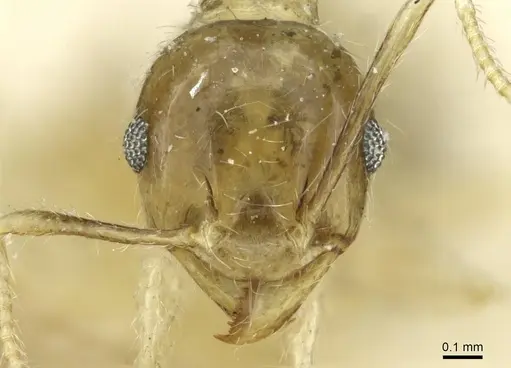
CASENT0913260
Lihat di AntWeb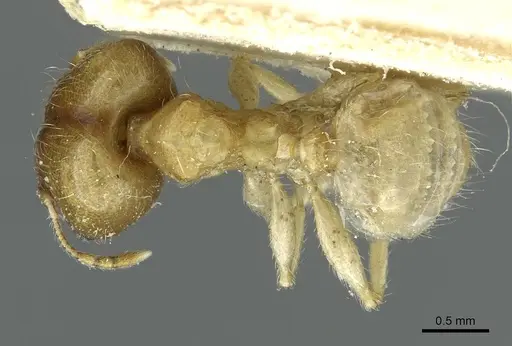
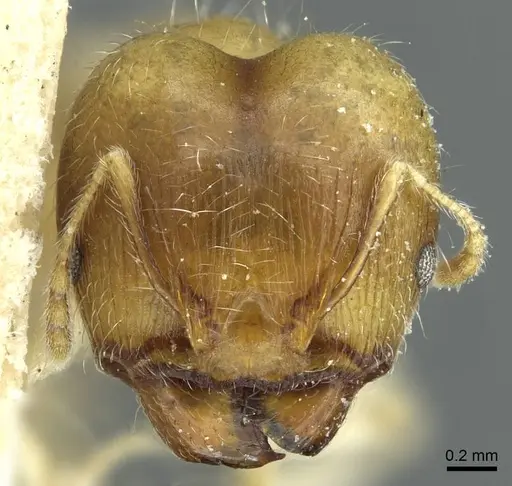
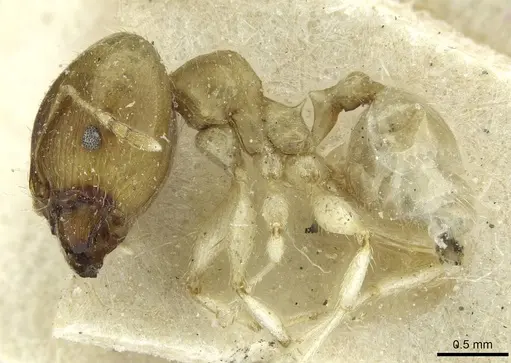
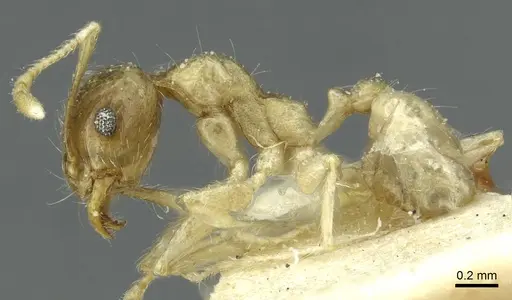
CASENT0913261
Lihat di AntWeb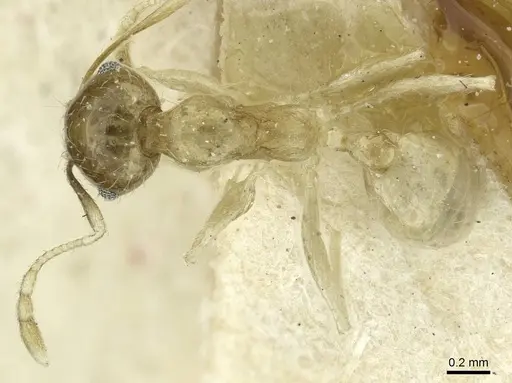
Literatur
Memuat peta distribusi...Memuat produk...