
Neivamyrmex inca
- Nama Ilmiah
- Neivamyrmex inca
- Subfamili
- Dorylinae
- Penulis
- Santschi, 1921
- Distribusi
- Ditemukan di 0 negara
Pendahuluan
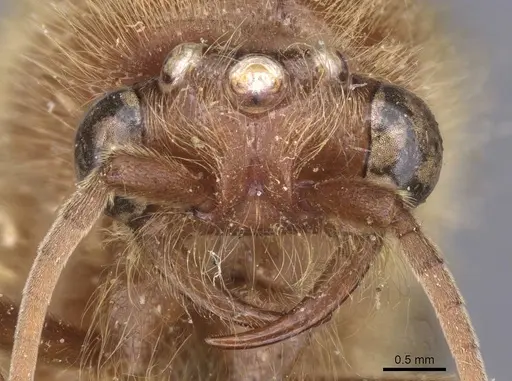
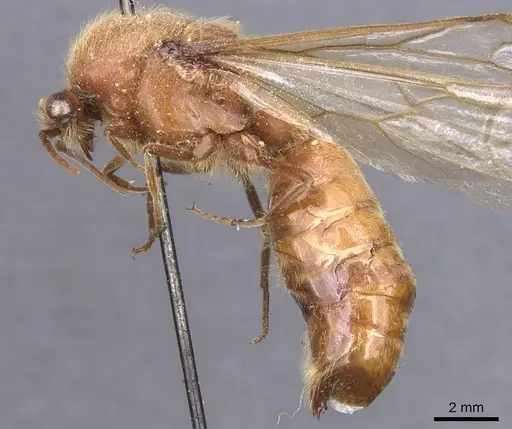
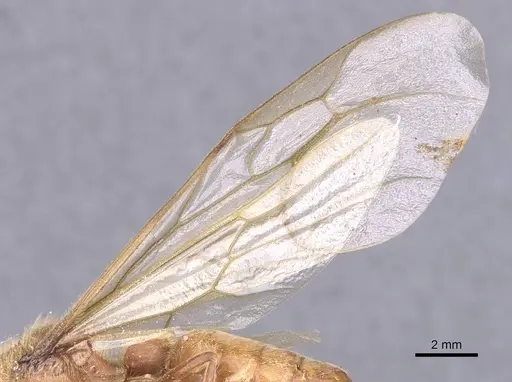
Neivamyrmex inca is a rare army ant species from the Dorylinae subfamily, documented only from Peru . This species was originally described by Santschi in 1921 as Eciton inca, with the holotype being a male specimen . The species was later transferred to the genus Neivamyrmex by Borgmeier in 1953 . Like other army ants in the genus Neivamyrmex, this species is hypogaeic (subterranean), living and raiding underground . Workers are small and dark. The genus Neivamyrmex contains over 150 species of army ants native to the Americas . This species remains poorly documented in scientific literature, with limited observations beyond the type locality .
Quick Summary
- Difficulty: Expert
- Origin & Habitat: Peru, known only from the type locality in the Neotropical region [1]. They are subterranean army ants that live in soil and leaf litter, raiding other ant colonies underground [3].
- Colony Type: Colony structure is unconfirmed for this specific species. Most Neivamyrmex species are believed to have single-queen colonies, but this has not been documented for N. inca [3].
- Size & Growth:
- Queen: Size data unavailable for this species
- Worker: Size data unavailable for this species
- Colony: Unknown for this species
- Growth: Unknown
- Development: Unconfirmed (Development timeline is unstudied for this species)
- Antkeeping:
- Temperature: Keep warm, aim for low-to-mid 20s°C. As a tropical species from Peru, they likely need warm conditions. Use a heating cable on one side of the enclosure to create a gradient.
- Humidity: Keep the substrate consistently moist but not waterlogged. Army ants naturally live in damp soil environments.
- Diapause: Unlikely, as a tropical species from Peru, they probably do not require hibernation. Maintain warm temperatures year-round.
- Nesting: Army ants are nomadic and cannot be kept in static nests. They need a large, escape-proof enclosure with soil substrate that allows them to form temporary bivouacs and move freely. A large plastic tub with deep, moist soil and multiple hiding spots works better than traditional formicaria.
- Behavior: Army ants are specialized predators that raid other ant colonies for brood. They are blind or nearly so, navigating using chemical pheromone trails. Workers are small but numerous, coordinating swarming attacks on prey colonies. Escape prevention is critical, they will squeeze through tiny gaps and are excellent climbers. They are strict predators on other insects, especially ant brood [3]. They do not eat sugar or honey.
- Common Issues: keeping them in a static nest, army ants need to move freely within their enclosure, difficulty providing enough prey, they need constant access to ant brood or live insects, escape prevention, their small size means they will find any gap in the enclosure, lack of species-specific information, this species has barely been studied in the wild, wrong diet, they need live prey, not sugar or honey
Understanding Army Ant Biology
Neivamyrmex inca belongs to the Dorylinae subfamily, commonly known as army ants. Unlike most ants that build permanent nests, army ants are nomadic, they constantly move through their territory, forming temporary bivouacs made of workers linked together. This nomadic lifestyle is driven by their need to find prey, they raid other ant colonies to steal brood as food. Queens are permanently winged and are among the largest ants in the colony. Males are also winged and produced seasonally for mating flights [3]. Army ants are found primarily in tropical regions and are blind or nearly so, navigating entirely through chemical pheromone trails. This is a specialized lifestyle that makes them one of the most difficult ant groups to keep in captivity. However, specific biological details for N. inca remain unstudied, most information in this caresheet is inferred from general army ant biology rather than species-specific research.
Housing and Enclosure Setup
Housing Neivamyrmex inca is fundamentally different from keeping typical ants. You cannot use a standard formicarium or test tube setup, army ants need space to move and form temporary nests. A large plastic storage box (at least 30x20x20cm) with a deep soil substrate (10-15cm) works best. Fill the container with moist, loose soil that allows them to dig chambers. Add multiple hiding spots like flat stones, pieces of bark, or small containers that can serve as temporary bivouac sites. The enclosure must be completely escape-proof, use fluon or petroleum jelly on the rim, and ensure any ventilation holes are covered with fine mesh. Army ants can squeeze through gaps as small as 0.5mm. Provide a water source via a damp cotton ball or small test tube with a cotton stopper. The key is to allow the colony to move freely within the enclosure, do not restrict them to a single chamber [3].
Feeding and Diet - The Critical Challenge
This is the most challenging aspect of keeping Neivamyrmex inca. Army ants are obligate predators, they do not eat sugar, honey, or fruit. Their primary food source is the brood of other ant colonies. In captivity, you must provide a constant supply of ant brood or other small insects. The most practical approach is to maintain feeder colonies of small ants like Brachymyrmex, Paratrechina, or other common tropical ants. You can collect wild ant colonies or purchase small colonies to serve as prey. Alternatively, you can offer other small insects, but army ants are specialized for ant brood and may not readily accept other prey. Feed by introducing a small container with soil containing prey ant brood, or by placing prey insects directly in the enclosure. The colony should have access to prey at all times, a starving army ant colony will decline rapidly. This dietary requirement makes them suitable only for experienced antkeepers who can reliably provide prey [3].
Temperature and Humidity
As a tropical species from Peru, Neivamyrmex inca likely requires warm, humid conditions. Aim for temperatures in the low-to-mid 20s°C. A heating cable placed on one side of the enclosure creates a temperature gradient that allows the ants to regulate their own conditions. Avoid temperatures below 20°C or above 32°C. Humidity should be high, keep the soil substrate consistently moist but not waterlogged. The substrate should feel damp to the touch. Mist the enclosure regularly and ensure the water source is always available. Good ventilation is essential to prevent mold, but avoid strong airflow that dries out the substrate. Place the enclosure in a warm, stable location away from direct sunlight and drafts. Consistent conditions are more important than precise measurements, avoid frequent temperature or humidity fluctuations [3].
Colony Behavior and Observation
Observing an army ant colony is a unique experience. Unlike typical ants that stay in a fixed nest, Neivamyrmex inca will constantly reorganize and move within the enclosure. Workers link together using their mandibles and legs to form chains and sheets, creating temporary structures. The colony will have raid periods where large numbers of workers exit the bivouac to search for prey, and rest periods where they remain relatively inactive. During raids, workers follow pheromone trails in long columns. The queen remains protected in the center of the bivouac. You may observe workers carrying stolen brood back to the bivouac during successful raids. The colony is blind and responds to vibrations and chemical signals. Do not disturb the bivouac unnecessarily, stress can cause the colony to abandon the site and relocate within the enclosure. Regular observation without interference will reveal the fascinating raiding behavior that makes army ants so interesting to study [3].
Frequently Asked Questions
Can I keep Neivamyrmex inca in a test tube?
No. Army ants are nomadic and cannot be kept in static nests like test tubes or formicaria. They need a large enclosure with soil substrate where they can form temporary bivouacs and move freely. A large plastic tub (30x20x20cm minimum) with deep, moist soil is the minimum suitable setup.
What do Neivamyrmex inca eat?
They are strict predators that need ant brood or other small insects as their primary food. They do not eat sugar, honey, or typical ant food. You must maintain feeder colonies of small ants or provide a constant source of live prey insects. This makes them one of the most difficult ants to keep.
How long does it take for the first workers?
The development timeline is unconfirmed for this specific species. Based on typical army ant patterns, expect several weeks from egg to worker at optimal temperatures. However, established colonies with a queen may take longer to stabilize in captivity.
Are Neivamyrmex inca good for beginners?
No. They are rated as expert-level difficulty due to their specialized dietary needs, nomadic housing requirements, and escape prevention challenges. They are not suitable for beginners. Only experienced antkeepers should attempt this species.
Do they need hibernation?
No. As a tropical species from Peru, they do not require hibernation. Keep them warm year-round. Hibernation at cold temperatures would likely kill the colony.
Why is my colony declining?
The most likely causes are: lack of sufficient prey, incorrect temperature, low humidity drying out the colony, or stress from excessive disturbance. Army ant colonies need constant access to prey and stable conditions to thrive.
Can I keep multiple queens together?
Colony structure is unconfirmed for this species. Most Neivamyrmex species are believed to have single-queen colonies, but this has not been documented for N. inca. Combining unrelated queens is not documented and is not recommended.
When should I move them to a larger enclosure?
Army ants do not need to be moved to larger enclosures in the traditional sense, they need a sufficiently large space from the start. If the colony grows significantly, you can connect multiple enclosures with tubing to provide more space. The key is providing enough territory for raids and bivouac formation from the beginning.
How do I prevent escapes?
Excellent escape prevention is critical. Use fluon or petroleum jelly on all rim surfaces. Cover any ventilation holes with fine mesh. Check seals regularly, army ants will find any gap. Never leave the enclosure unattended with any openings.
Report an Issue
The current care sheet is based fully on literature. See inconsistencies, or something that's incorrect? Please , it will be resolved after review from an admin. Contributing to the blogs tab also helps providing information, to make us be able to further improve the caresheets. Thank you for your support!
References

Lembar perawatan ini dilisensikan di bawah CC BY-SA 4.0 .
Blog Komunitas
CASENT0911400
Lihat di AntWeb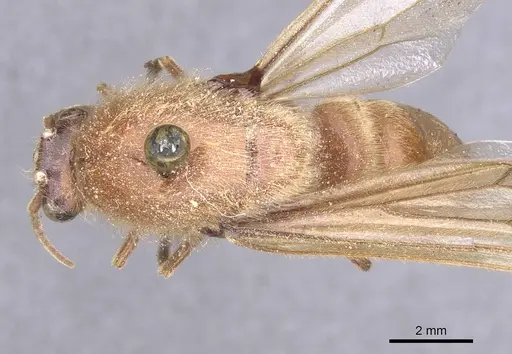
Literatur
Memuat peta distribusi...Memuat produk...