
Neivamyrmex emeryi
- Nama Ilmiah
- Neivamyrmex emeryi
- Subfamili
- Dorylinae
- Penulis
- Santschi, 1921
- Distribusi
- Ditemukan di 0 negara
Pendahuluan
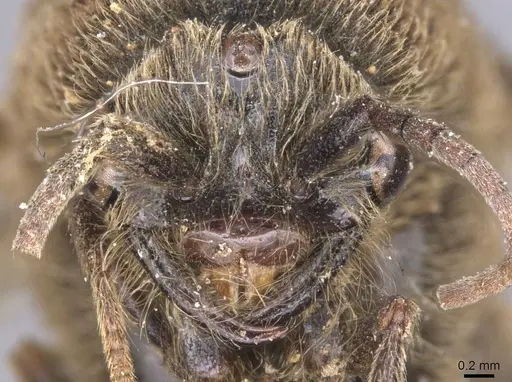
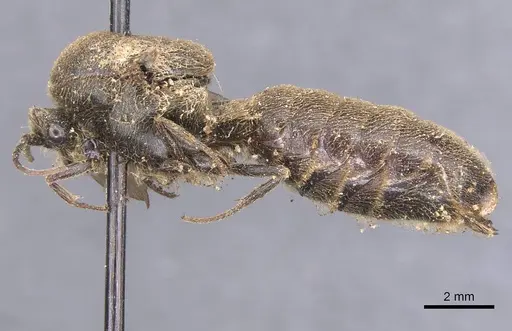
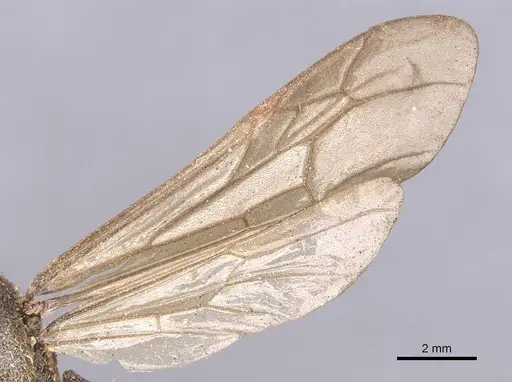
Neivamyrmex emeryi is a Neotropical army ant species found in Bolivia and Peru . This species is known almost exclusively from male specimens collected in the early 1900s - the holotype is a male from Bolivia, and additional male specimens have been recorded from Peru . No worker or queen specimens have been documented in scientific collections. As a member of the Dorylinae subfamily, N. emeryi belongs to the army ant group, characterized by predatory behavior and colony raiding. However, due to the lack of worker and queen descriptions, detailed biological information for this species remains extremely limited.
Quick Summary
- Difficulty: Expert
- Origin & Habitat: Neotropical region, Bolivia and Peru [1]. The known specimens come from tropical forest areas in these countries.
- Colony Type: Completely unconfirmed. This species is only known from male specimens, no queen or worker descriptions exist in scientific literature. Army ant colonies typically have a single queen and can reach large sizes, but this is not confirmed for N. emeryi.
- Size & Growth:
- Queen: Size data unavailable, no queen specimens have been documented
- Worker: Size data unavailable, no worker specimens have been documented
- Colony: Unknown, no colony size data exists for this species
- Growth: Unknown
- Development: Unknown (Development has not been studied for this species due to lack of specimens.)
- Antkeeping:
- Temperature: Unknown, likely requires warm conditions based on tropical distribution, but specific requirements unconfirmed
- Humidity: Unknown, likely requires moderate to high humidity typical of Neotropical forest species, but specific requirements unconfirmed
- Diapause: Unknown, tropical distribution suggests may not require true hibernation
- Nesting: Unknown, army ants typically do not build permanent nests, but no specific nesting behavior documented for this species
- Behavior: Not documented. Army ants in general are predatory and conduct raids on other ant colonies, but specific behavior for N. emeryi is unknown. This species is not suitable for antkeeping due to lack of available specimens and biological data.
- Common Issues: species is only known from male specimens, no workers or queens available for keeping, extremely limited distribution in Bolivia and Peru only, no biological or behavioral data available for captive care, not available in the antkeeping hobby due to rarity, may not be legally collectable in protected areas
Understanding the Data Gap
Neivamyrmex emeryi represents one of the most poorly documented army ant species. Unlike most ant species that are described from worker specimens, N. emeryi is known only from male specimens collected in the early 1900s [2][3]. The holotype male was collected in Bolivia with no further locality data, while additional specimens come from Cailoma, Peru, collected in 1900 [3]. This means there are no scientific descriptions of workers, queens, or brood for this species. Any information about colony structure, behavior, or care requirements would be speculative guesses based on related species.
Taxonomic History
This species was originally described by Santschi in 1921 as Eciton (Acamatus) emeryi based on male specimens from Bolivia [1]. It was later moved to the genus Neivamyrmex by Borgmeier in 1953 [1]. A variety described as Neivamyrmex emeryi exagona from Peru was later synonymized with N. emeryi by Borgmeier in 1955 [1]. The species remains poorly studied, with no subsequent biological research published.
Distribution
Neivamyrmex emeryi is confirmed to occur in Bolivia and Peru in the Neotropical region [1]. The type locality is Bolivia with no further specific locality data. Additional specimens have been recorded from Cailoma, Peru [2][3]. This limited distribution makes the species particularly difficult to study or collect.
Why This Species Is Not Suitable for Antkeeping
Neivamyrmex emeryi should not be kept in captivity for several important reasons. First, no worker specimens exist in scientific collections, only males have been documented, meaning no one has ever described what the workers look like. Second, there is no documented way to obtain a colony since army ant queens are typically ergatoid (permanently wingless) and do not conduct nuptial flights, but this is unconfirmed for N. emeryi specifically. Third, even if a colony could be found, there is no biological data on their care requirements. For antkeepers interested in army ants, better-documented species in the genus Eciton or other Neivamyrmex species with available worker descriptions would be more appropriate.
Related Species
The genus Neivamyrmex contains over 150 army ant species distributed throughout the Americas, with the highest diversity in the Neotropics [4]. While N. emeryi lacks worker descriptions, related Neivamyrmex species are predatory army ants that conduct raids on other ant colonies. These related species are known for their nomadic lifestyle, large colony sizes, and specialized reproductive biology. However, each species has unique requirements, and care information from related species cannot be directly applied to N. emeryi without confirmation.
Frequently Asked Questions
Is Neivamyrmex emeryi suitable for beginners?
No species is less suitable for antkeeping. N. emeryi is only known from male specimens, no one has ever documented workers or queens. There is no biological data available to guide captive care. This is not a species that can be kept in captivity.
How do I start a Neivamyrmex emeryi colony?
Starting a colony is not possible. No worker specimens have ever been documented, and no method for obtaining this species is known. Even finding wild colonies would require locating them in Bolivia or Peru and identifying them without worker descriptions for comparison.
What do Neivamyrmex emeryi ants eat?
Unknown for this species. While army ants in general are predatory, no feeding observations exist for N. emeryi due to the lack of worker specimens.
Can I keep Neivamyrmex emeryi in a test tube?
No. This species cannot be kept because no workers or queens have ever been documented. There is no colony to keep.
How large do Neivamyrmex emeryi colonies get?
Unknown. No colony size data exists for this species. While army ant colonies can reach tens of thousands of workers, this is unconfirmed for N. emeryi.
Do Neivamyrmex emeryi need hibernation?
Unknown. The tropical distribution suggests they may not require true hibernation, but no specific data exists for this species.
Where can I get Neivamyrmex emeryi?
This species is not available in the antkeeping hobby. It is known only from a handful of male specimens collected in the early 1900s in Bolivia and Peru. No modern collections or cultures exist.
Why are my Neivamyrmex emeryi dying?
This species cannot be kept because no workers or queens have ever been documented. There is no colony to keep alive.
Report an Issue
The current care sheet is based fully on literature. See inconsistencies, or something that's incorrect? Please , it will be resolved after review from an admin. Contributing to the blogs tab also helps providing information, to make us be able to further improve the caresheets. Thank you for your support!
References

Lembar perawatan ini dilisensikan di bawah CC BY-SA 4.0 .
Blog Komunitas
CASENT0911395
Lihat di AntWeb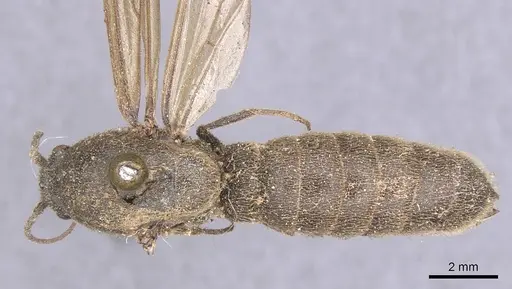
Literatur
Memuat peta distribusi...Memuat produk...