
Myrmicocrypta triangulata
- Nama Ilmiah
- Myrmicocrypta triangulata
- Tribe
- Attini
- Subfamili
- Myrmicinae
- Penulis
- Forel, 1912
- Distribusi
- Ditemukan di 0 negara
Pendahuluan
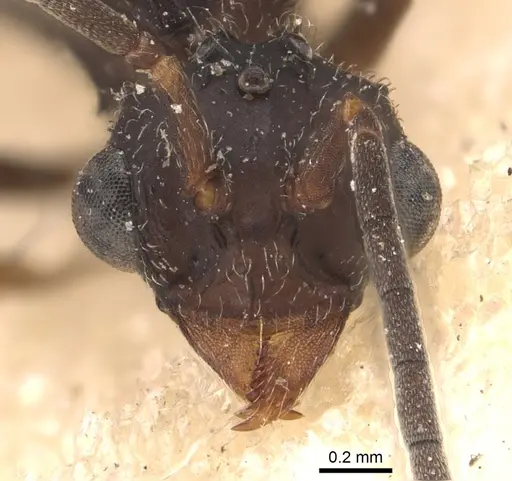
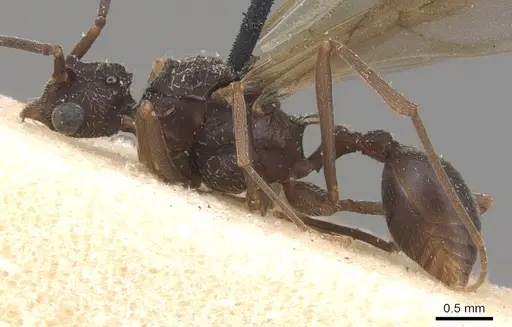
Myrmicocrypta triangulata is a tiny, cryptic fungus-growing ant native to the Neotropical region, specifically Guatemala and Peru . Workers are small and monomorphic, typical of leaf-litter foragers in the tribe Attini. This species is part of the fungus-farming ant group - relatives of the famous leaf-cutter ants - though much smaller and less conspicuous. The taxonomy remains confused and under revision by researchers . These ants live in humid forest floor environments and cultivate underground fungus gardens for food, much like their larger cousins but on a miniature scale.
Quick Summary
- Difficulty: Medium
- Origin & Habitat: Neotropical region, Guatemala (type locality Retalhuleu) and Peru. Found in humid tropical forest leaf litter [1][2].
- Colony Type: Colony structure is unconfirmed. Most Attini ants are single-queen (monogyne) colonies, but specific data for this species is lacking.
- Size & Growth:
- Queen: size data unavailable, inferred from related Attini species (~5-7mm)
- Worker: size data unavailable, inferred from related Attini species (~2-4mm)
- Colony: size data unavailable, likely several hundred workers based on typical cryptic Attini colony sizes
- Growth: Moderate, inferred from related fungus-growing ants
- Development: 6-10 weeks at optimal temperature based on typical Attini development (Development time inferred from related Attini species, direct data for this species is unavailable)
- Antkeeping:
- Temperature: Keep around 24-28°C, warm, humid tropical conditions. Use a heating cable on one side of the nest to create a gentle gradient if room temperature is below this range.
- Humidity: High humidity is essential, these are forest floor ants that need consistently moist substrate. Keep nest substrate damp but not waterlogged.
- Diapause: Unknown, Neotropical species may have reduced activity in cooler months but true hibernation is unlikely
- Nesting: Y-tong (AAC) nests or plaster nests work well. They need tight chambers scaled to their tiny size. Naturalistic setups with leaf litter and organic material can support fungus cultivation.
- Behavior: Very cryptic and non-aggressive. Workers forage individually in leaf litter, not on visible trails like larger Attini. They possess a stinger but it is not medically significant to humans. Their small size means escape prevention is critical, use fine mesh and tight-fitting lids.
- Common Issues: escape prevention is critical due to their tiny size, they can squeeze through standard gaps, high humidity requirements can lead to mold problems if ventilation is poor, fungus garden maintenance requires specific conditions, too dry and the fungus dies, slow growth can frustrate beginners who overfeed and contaminate the nest, wild-caught colonies may have parasites that are difficult to detect
Housing and Nest Setup
Myrmicocrypta triangulata requires a small-scale setup due to their tiny size. Y-tong (AAC) nests or plaster nests work well, both allow you to control humidity easily. The chambers should be small and tight-fitting, avoid large open spaces that can make these tiny ants feel exposed. A naturalistic outworld with leaf litter, small twigs, and organic debris helps them feel at home and provides material for their fungus garden. Use fine mesh on all openings, these ants can squeeze through gaps that would hold back larger species. A small water reservoir connected to the nest helps maintain humidity without constant misting. [1]
Feeding and Fungus Cultivation
As Attini ants, Myrmicocrypta triangulata cultivates fungus for food rather than foraging for traditional ant fare. In captivity, you can support their fungus garden by providing small pieces of leaf litter, decaying wood, or other organic material. The ants will process this and use it to grow their fungus. Some keepers report success offering very small amounts of fruit or vegetable matter. Avoid large prey items, these tiny ants cannot tackle standard ant feeders. Sugar water is unlikely to be accepted since they get their nutrition from the fungus. Fresh organic material should be added gradually and replaced before it molds.
Temperature and Humidity
These Neotropical leaf-litter ants need warm, humid conditions. Maintain temperatures around 24-28°C with a gentle gradient so workers can choose their preferred zone. A heating cable placed on top of the nest (never underneath where it can dry out the substrate) helps achieve this. Humidity is critical, keep the nest substrate consistently moist but not sitting in water. The outworld should also have some moisture. Dry conditions will kill the fungus garden and the colony will decline. However, balance humidity with adequate ventilation to prevent mold growth.
Behavior and Colony Care
Myrmicocrypta triangulata is extremely cryptic, you will rarely see dramatic ant activity. Workers forage individually through leaf litter rather than forming visible trails. Colonies remain small compared to Atta or Acromyrmex leaf-cutters. The queen seals herself in during founding (likely claustral) and tends the initial fungus garden alone until first workers emerge. These ants possess a stinger but it is not medically significant to humans. The main challenge for keepers is maintaining the right humidity balance and providing appropriate organic material for fungus cultivation. [1]
Frequently Asked Questions
How long does it take for Myrmicocrypta triangulata to have first workers?
Exact development time is unknown for this species. Based on related Attini species, expect 6-10 weeks from egg to first worker at optimal temperature (around 26°C). Growth is slow compared to many ant species.
What do Myrmicocrypta triangulata eat?
They are fungus farmers. Provide small pieces of leaf litter, decaying wood, or organic material. The ants will use this to cultivate their fungus garden, which is their primary food source. They do not typically accept sugar water or standard ant prey.
Can I keep Myrmicocrypta triangulata in a test tube?
A test tube can work for founding colonies but will quickly become too small. Once the colony reaches 10-20 workers, move to a small Y-tong or plaster nest with proper humidity control. The tiny size means use a test tube with a very small water reservoir to prevent flooding.
Are Myrmicocrypta triangulata good for beginners?
They are challenging due to their specific humidity and fungus-cultivation requirements. The high humidity needs can lead to mold problems, and their slow growth can be frustrating. They are not ideal for complete beginners but are manageable for those with some antkeeping experience.
How big do Myrmicocrypta triangulata colonies get?
Colony size is not well documented but is likely several hundred workers at maturity. This is much smaller than leaf-cutter ants (Atta) which can reach millions. Expect slow growth over several years.
Do Myrmicocrypta triangulata need hibernation?
Unknown. As a Neotropical species, they likely do not require true hibernation. However, cooler room temperatures in winter may reduce activity. Maintain warm conditions year-round for best growth.
Why is my Myrmicocrypta triangulata colony dying?
The most common causes are: too dry conditions (kills the fungus garden), mold from poor ventilation, or escape through tiny gaps. Check humidity levels, ensure adequate but not excessive ventilation, and verify all openings are sealed with fine mesh.
Report an Issue
The current care sheet is based fully on literature. See inconsistencies, or something that's incorrect? Please , it will be resolved after review from an admin. Contributing to the blogs tab also helps providing information, to make us be able to further improve the caresheets. Thank you for your support!
References

Lembar perawatan ini dilisensikan di bawah CC BY-SA 4.0 .
Blog Komunitas
CASENT0909361
Lihat di AntWeb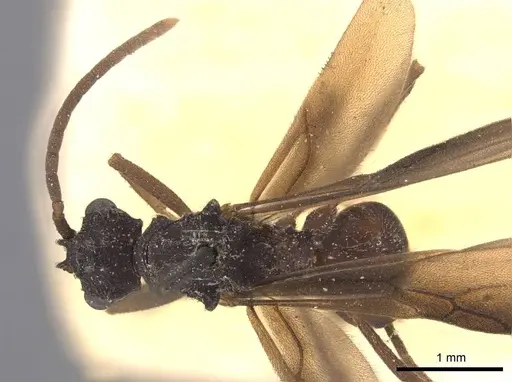
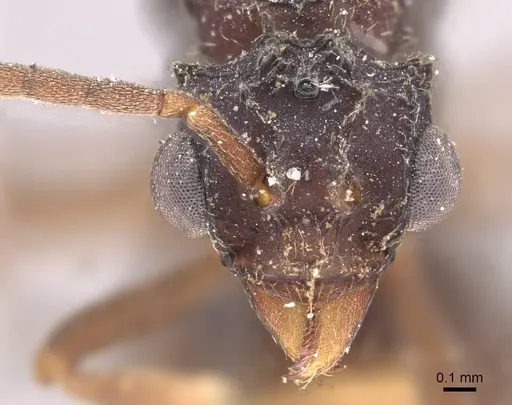
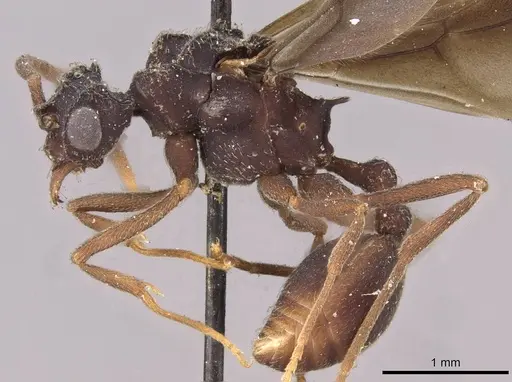
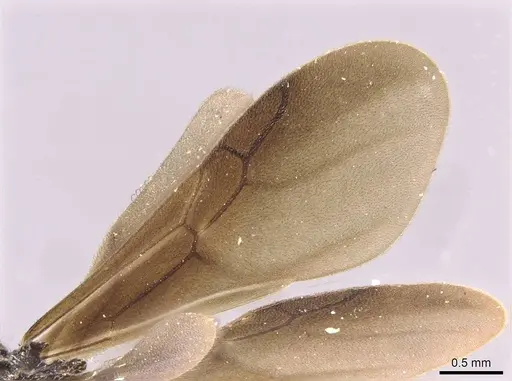
USNMENT00445574
Lihat di AntWeb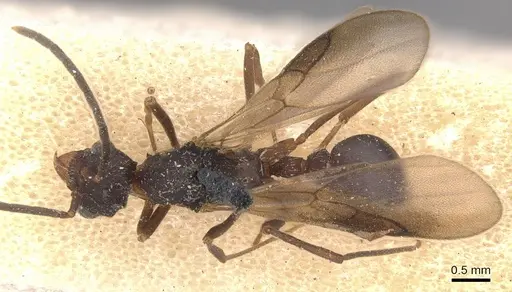
Literatur
Memuat peta distribusi...Memuat produk...