
Myrmicocrypta spinosa
- Nama Ilmiah
- Myrmicocrypta spinosa
- Tribe
- Attini
- Subfamili
- Myrmicinae
- Penulis
- Weber, 1937
- Distribusi
- Ditemukan di 0 negara
Pendahuluan
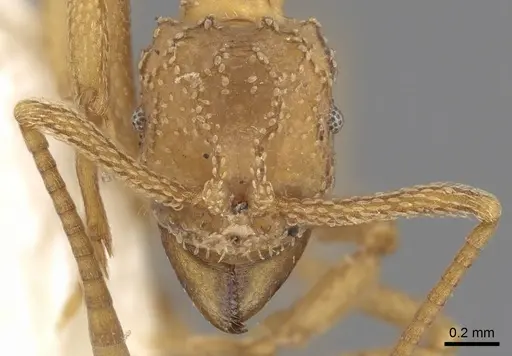
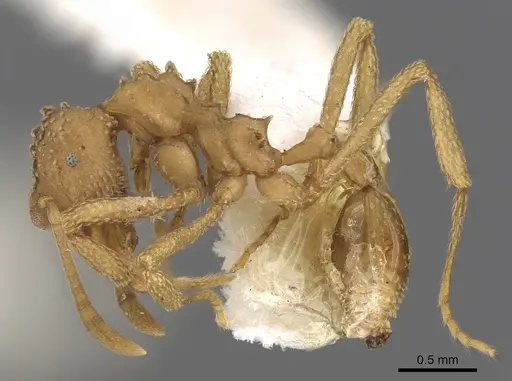
Myrmicocrypta spinosa is a small, cryptic fungus-farming ant belonging to the tribe Attini. Workers are slender and measure just a few millimeters, with the characteristic two-segmented petiole (waist) typical of Myrmicinae ants. This species is distinguished by its unusual nesting behavior - unlike most Attini that nest in the ground, M. spinosa nests inside cavities within rotten logs, using abandoned galleries created by wood-boring beetles . The species was originally described from Guyana and has also been recorded in Colombia (Caquetá) . As a palaeoattine, it represents an evolutionary intermediate in ant agriculture, cultivating fungus gardens on the chamber floor rather than suspending them from the ceiling like the more derived leaf-cutter ants .
Quick Summary
- Difficulty: Expert
- Origin & Habitat: Native to the Neotropical region, specifically documented in Guyana and Colombia (Caquetá). In the wild, these ants nest inside cavities of rotten logs, typically in abandoned galleries created by wood-boring beetles [1]. This wood-nesting behavior is a derived trait within the genus, having evolved once in the common ancestor of M. spinosa and a closely related undescribed species [4].
- Colony Type: Colony structure is unconfirmed. Like other Attini, they likely form single-queen colonies, but this has not been directly documented.
- Size & Growth:
- Queen: size data unavailable
- Worker: size data unavailable
- Colony: Unknown, colony size has not been studied
- Growth: Unknown
- Development: Unknown, no development data available for this species (Based on related palaeoattine species, expect development to take several months at optimal temperature. No specific timeline has been documented.)
- Antkeeping:
- Temperature: Keep warm and stable, Neotropical fungus-farming ants typically thrive in low-to-mid 20s°C. Use a heating cable on one side of the nest to create a gentle gradient. Avoid temperatures below 20°C or above 30°C.
- Humidity: High humidity is essential, these ants come from damp forest environments within rotten logs. Keep the nest substrate consistently moist but not waterlogged. The fungus garden requires stable humidity to thrive.
- Diapause: Unknown, no documented overwintering requirement. As a Neotropical species, they likely do not require true hibernation but may slow down during cooler periods.
- Nesting: This species requires a naturalistic setup with rotten wood or a wooden formicarium. They will not do well in standard test tubes or acrylic nests. Provide cavities similar to their natural rotten-log nesting sites. A wooden formicarium with pre-drilled chambers or a piece of rotten wood with inserted glass tubes works well.
- Behavior: Very few documented observations on behavior. As a fungus-farming ant, they cultivate a fungal garden for food rather than foraging for insects or honeydew. They are likely docile and non-aggressive, similar to other Attini. Escape risk is moderate, they are small but not particularly fast or agile. However, their specific nesting requirements make them challenging to contain in standard setups.
- Common Issues: colony structure is unconfirmed, making queen numbers and colony dynamics uncertain, lack of development data makes it difficult to assess if the colony is progressing normally, the specialized wood-nesting requirement limits housing options and increases difficulty, fungus garden maintenance is complex, the cultivar can die if conditions are wrong, very limited availability in the antkeeping hobby means few resources exist for troubleshooting
Fungus Farming and Diet
Myrmicocrypta spinosa is a fungus-farming ant in the tribe Attini. Like all Attini, they cultivate a fungal garden as their primary food source. The workers collect plant material (typically leaf fragments in more derived species) to feed the fungus, which then produces specialized structures called gongylidia that the ants eat [3]. As a palaeoattine species, M. spinosa practices 'lower agriculture', a more primitive form of fungus farming where the fungus grows directly on the chamber floor rather than being suspended from the ceiling [1]. In captivity, you will need to maintain a healthy fungal culture. This typically involves providing small pieces of fresh leaves, flower petals, or other plant material for the fungus to grow on. The fungal garden is sensitive to temperature and humidity fluctuations, so stable conditions are critical.
Housing and Nest Setup
This is the most critical aspect of keeping Myrmicocrypta spinosa. Unlike most Attini that nest in soil, M. spinosa naturally nests inside cavities within rotten logs, specifically in abandoned galleries created by wood-boring beetles [1]. This means standard test tubes and acrylic formicaria are not appropriate. The best housing option is a naturalistic setup using actual rotten wood with observation chambers, or a wooden formicarium with pre-drilled cavities. The nest chambers should be irregular in shape, matching their natural nesting conditions [1]. Provide a section of damp, rotting wood (like oak or maple) with several glass tube inserts for observation. The wood should be soft enough that the ants can potentially expand their galleries if needed. The outworld should include a water source and be easy to supply with plant material for the fungus garden.
Temperature and Humidity Requirements
As a Neotropical species from Guyana and Colombia, Myrmicocrypta spinosa requires warm, humid conditions. Maintain the nest area in the low-to-mid 20s°C range using a heating cable placed on top of the nest (never underneath, as this can dry out the wood too quickly). Create a temperature gradient so the ants can choose their preferred zone. Humidity is critical, the rotten wood substrate should remain consistently damp but not soggy. The fungal garden is highly sensitive to drying out. Monitor for condensation inside the observation tubes, which indicates good humidity. Avoid placing the nest near air conditioning vents or in rooms with fluctuating temperatures. The combination of warmth and stable humidity supports both the ant colony and their fungal cultivar.
Colony Founding
Colony founding behavior has not been directly documented for Myrmicocrypta spinosa. Based on patterns from other Attini species, the queen likely seals herself in a small chamber (claustral founding) and survives on stored fat reserves while raising the first workers. The first workers then emerge and begin tending the fungal garden. If you acquire a founding queen, place her in a small container with a piece of damp, rotten wood or a small chamber. Do not disturb her during the founding period, queens of fungus-farming ants are particularly sensitive to vibration and disturbance. Once the first workers emerge (nanitics), you can slowly introduce small amounts of plant material for the developing fungus garden.
Growth and Development
Specific development timelines for Myrmicocrypta spinosa are not documented in available literature. Based on related palaeoattine species, expect the process from egg to first worker to take several months under optimal conditions. The colony will grow slowly, fungus-farming ants do not produce the rapid worker explosions seen in some predatory species. The key to successful growth is maintaining a healthy fungal garden. The fungus itself takes time to establish and expand. A mature colony will have a substantial fungal garden that the workers tend around the clock. Growth rate depends heavily on the health of the fungal cultivar and the consistency of temperature and humidity. Expect the first year to be primarily about establishing both the colony and the fungus garden.
Frequently Asked Questions
What do Myrmicocrypta spinosa ants eat?
They are fungus farmers, they do not eat insects or sugar like many other ants. Instead, they cultivate a fungal garden and eat the gongylidia (specialized fungal structures) that the fungus produces. In captivity, you provide plant material (fresh leaves, flower petals, small plant fragments) for the fungus to grow on, and the ants consume what the fungus produces. Never feed them insects or honey water, this is not their natural diet.
Can I keep Myrmicocrypta spinosa in a test tube?
No, this species requires wood-nesting conditions similar to their natural habitat in rotten logs. Standard test tubes and acrylic formicaria are not suitable. You will need a naturalistic setup with damp rotten wood containing cavities or a wooden formicarium with pre-drilled chambers.
How long does it take for the first workers to emerge?
The exact timeline is unknown for this species. Based on related palaeoattine species, expect several months from founding to first workers emerging. The fungal garden must establish first, which takes time. Patience is essential with this species.
Are Myrmicocrypta spinosa good for beginners?
No, this species is rated Expert difficulty. The combination of unknown colony structure, specialized wood-nesting requirements, fungus garden maintenance, and lack of available information makes them unsuitable for beginners. They require significantly more expertise than common fungus-farming ants like those in the genus Sericomyrmex.
How big do Myrmicocrypta spinosa colonies get?
Colony size is not documented in available literature. Based on related species in the genus, expect slow growth with colonies potentially reaching several hundred workers at maturity. The first year focuses on establishing the fungal garden.
Do they need hibernation or diapause?
This is unknown. As a Neotropical species from Guyana and Colombia, they likely do not require true hibernation. However, they may slow their activity during cooler periods. Do not attempt to hibernate this species without more information about their natural seasonal patterns.
Where can I acquire Myrmicocrypta spinosa?
This species is very rarely available in the antkeeping hobby. It is not commonly traded like Sericomyrmex or other more established fungus-farming ants. If available, it would likely be from specialized dealers who focus on rare Neotropical species. Expect to pay a premium for any available colonies.
Why is my fungus garden dying?
Fungal gardens are sensitive to multiple factors: temperature fluctuations (keep stable in low-to-mid 20s°C), improper humidity (too dry or too wet), contamination from mold, or insufficient plant material. Ensure the nest conditions match their natural rotten-log habitat. If the fungus turns black or slimy, it is dying, try providing fresh plant material and adjusting humidity. Do not use pesticides or chemicals near the colony.
Can I keep multiple queens together?
This has not been documented. The colony structure (monogyne vs polygyne) is unconfirmed for this species. Do not attempt to combine unrelated queens, there is no data to suggest they can found colonies pleometrotically (multiple queens together).
Report an Issue
The current care sheet is based fully on literature. See inconsistencies, or something that's incorrect? Please , it will be resolved after review from an admin. Contributing to the blogs tab also helps providing information, to make us be able to further improve the caresheets. Thank you for your support!
References

Lembar perawatan ini dilisensikan di bawah CC BY-SA 4.0 .
Blog Komunitas
CASENT0901682
Lihat di AntWeb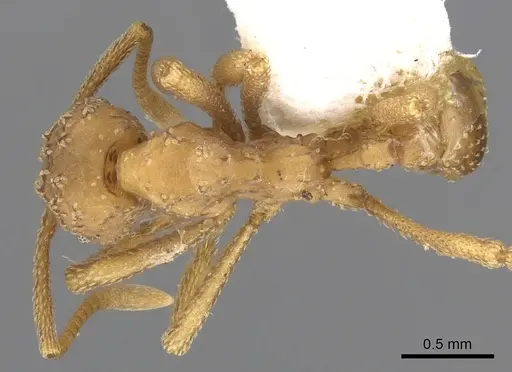
Literatur
Memuat peta distribusi...Memuat produk...