
Myrmicaria irregularis
- Nama Ilmiah
- Myrmicaria irregularis
- Tribe
- Solenopsidini
- Subfamili
- Myrmicinae
- Penulis
- Santschi, 1925
- Distribusi
- Ditemukan di 0 negara
Pendahuluan
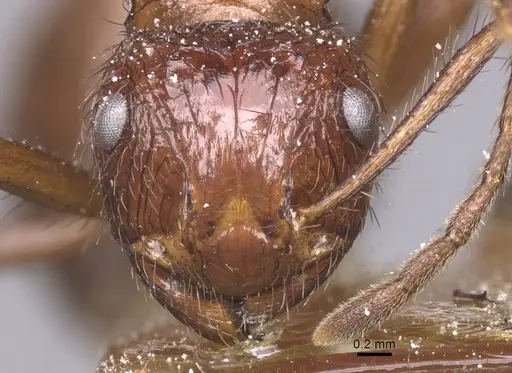
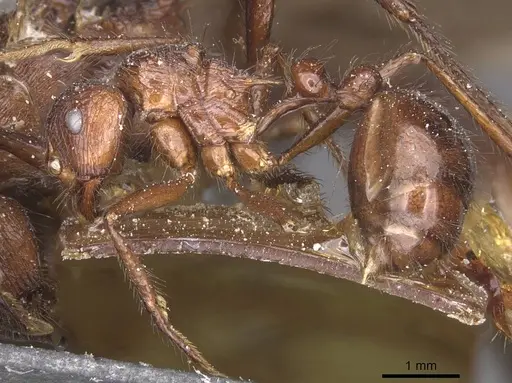
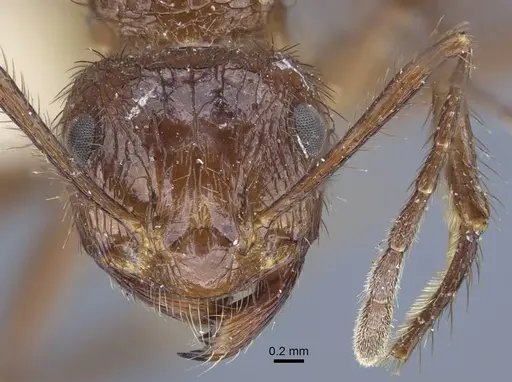
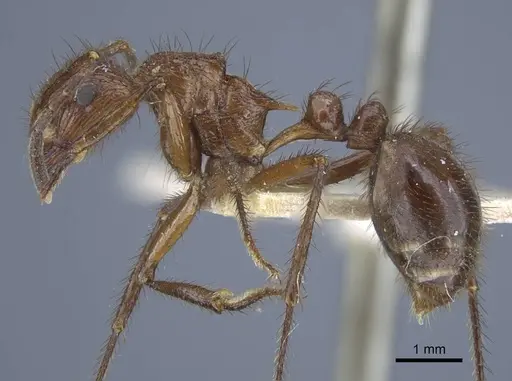
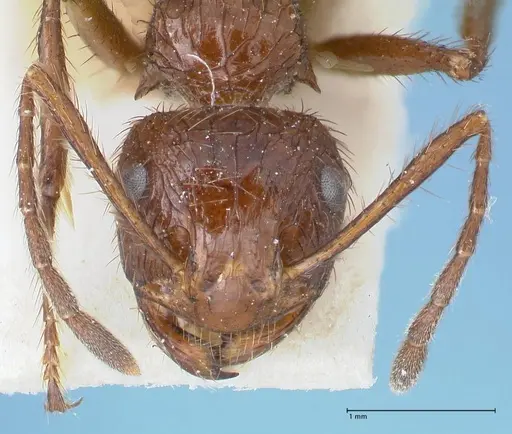
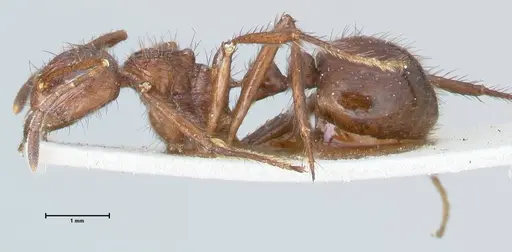
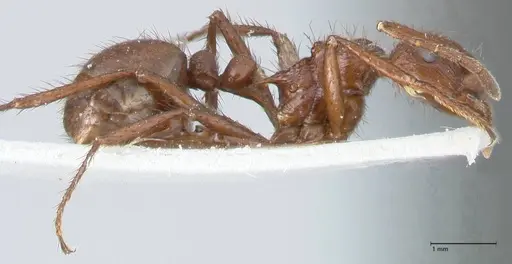
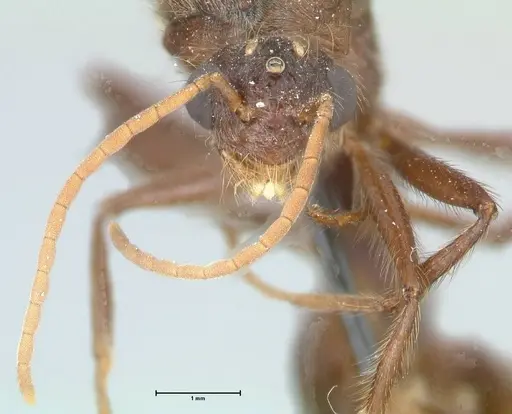
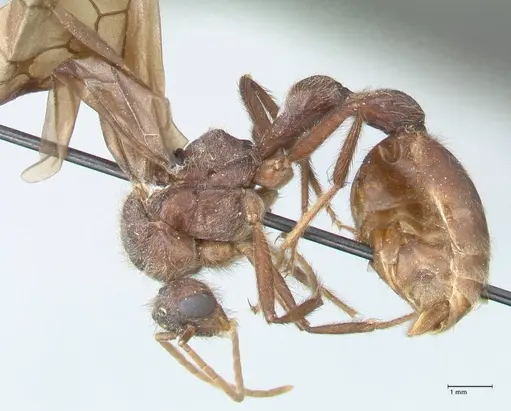
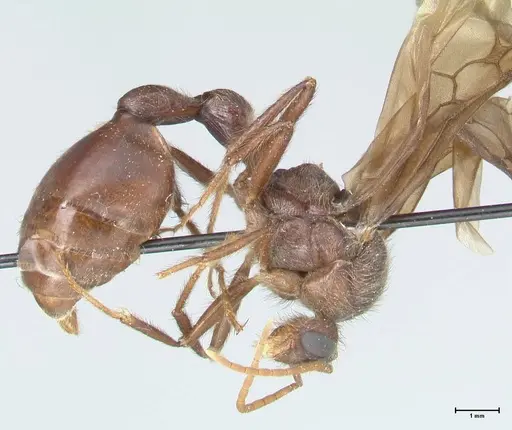
Myrmicaria irregularis is a small to medium-sized ant species native to the Afrotropical region, specifically found in the Democratic Republic of Congo and Mozambique. Workers have a smooth, polished body surface with a castaneous (reddish-brown) coloration. The head features one to two short carinae on the sides of the median carina in the frons area, while the mesosoma has a median carina and two to three longitudinal carinae without anastomosis. The postpetiole has a distinctive anterior process that is angled on the ventral side. This species was originally described by Santschi in 1925,with all three castes (worker, queen, and male) documented. The genus Myrmicaria contains several African species known for their active foraging behavior and preference for warm, tropical environments. Like other members of this genus, M. irregularis belongs to the subfamily Myrmicinae and tribe Solenopsidini, which use a sting as their primary defense mechanism.
Quick Summary
- Difficulty: Medium
- Origin & Habitat: Democratic Republic of Congo and Mozambique in the Afrotropical region. Based on related species, they likely inhabit savanna and forest edge habitats in tropical Africa. [3][2]
- Colony Type: Colony structure is unconfirmed for this specific species. Based on typical Myrmicaria patterns, colonies likely have a single queen (monogyne) but multi-queen arrangements have been observed in some related species.
- Size & Growth:
- Queen: ~7-10 mm, inferred from Myrmicaria genus
- Worker: ~4-7 mm, inferred from Myrmicaria genus
- Colony: Up to several hundred workers, estimated from related species
- Growth: Moderate, based on typical Myrmicaria development patterns
- Development: Approximately 6-8 weeks at optimal temperature, estimated from related Myrmicaria species (Development time varies with temperature. Warmer conditions within the safe range speed up development.)
- Antkeeping:
- Temperature: Keep at 24-28°C. This range is based on the tropical African origin of this species. A slight gradient allowing warmer and cooler areas is recommended.
- Humidity: Moderate humidity around 50-70%. These ants prefer conditions that are damp but not waterlogged, similar to typical forest-edge habitats in their range.
- Diapause: Unknown for this specific species. Many African ants reduce activity during cooler periods but may not require true hibernation. Consider reducing temperatures slightly during winter months rather than a full diapause.
- Nesting: Based on genus preferences, they likely nest in soil or under stones in nature. In captivity, a standard formicarium with soil or plaster nesting chambers works well. They prefer compact nesting spaces with multiple chambers.
- Behavior: Based on typical Myrmicaria behavior, these ants are active foragers that readily search for food outside the nest. They are moderately aggressive when defending the colony and can deliver a sting. Workers are robust and can handle small prey items. Escape prevention should be moderate, they are not extremely small but can squeeze through small gaps if motivated.
- Common Issues: limited data means care requirements are estimated from genus patterns rather than species-specific research, wild-caught colonies may have parasites or diseases that can affect captive populations, temperature management is critical, being tropical, they do not tolerate cold well, colonies may be slow to establish initially during the founding phase, their moderate size means standard escape prevention is usually adequate but should not be neglected
Nest Preferences
In the wild, Myrmicaria species typically nest in soil or under stones in tropical and subtropical environments. For captive colonies, a standard formicarium with soil-based or plaster nesting chambers works well. They prefer compact chambers rather than overly large open spaces. A nesting area with multiple connected chambers allows the colony to organize their brood properly. The outworld should include a foraging area where workers can search for food. Since this species comes from the DRC and Mozambique, they are accustomed to relatively stable warm conditions year-round. [1][2]
Feeding and Diet
Myrmicaria species are generalist omnivores that typically forage for protein-rich foods and sugar sources. In captivity, offer a varied diet including small insects like fruit flies, pinhead crickets, or mealworms for protein. Sugar water, honey, or diluted syrup should be provided regularly as an energy source. Based on related species patterns, they likely also collect honeydew from aphids in nature, so occasional sugar feeding mimics this. Feed protein two to three times per week, and keep sugar water available at all times. Remove uneaten food after 24-48 hours to prevent mold issues.
Temperature and Care
As a tropical African species, Myrmicaria irregularis requires warm conditions to thrive. Maintain temperatures between 24-28°C in the nest area. A slight temperature gradient is beneficial, allowing workers to choose their preferred warmth. During winter or cooler periods, reduce temperatures slightly but avoid cold snaps below 20°C. Heating can be provided via a heating cable or mat placed on one side of the nest. Monitor colony activity, if workers become sluggish and cluster together, the temperature may be too low. Unlike temperate species, they do not require a true hibernation period.
Behavior and Temperament
Myrmicaria irregularis workers are active foragers that readily leave the nest to search for food. They are moderately defensive and will respond to threats by biting and using their stinger. The sting is mild to moderate in intensity, similar to other Myrmicaria species. Workers are robust and can tackle prey items larger than themselves. They communicate through chemical signals and use tandem running to recruit nestmates to food sources. Colony activity is typically highest during warmer months. The workers are not extremely small, so standard escape prevention measures are usually adequate, though vigilance is still important.
Frequently Asked Questions
How long does it take for Myrmicaria irregularis to produce first workers?
Based on typical Myrmicaria development patterns, expect first workers (nanitics) approximately 6-8 weeks after the queen lays eggs, assuming optimal temperatures around 26-28°C. Development may take longer if temperatures are lower.
What do Myrmicaria irregularis ants eat?
They are omnivores that accept small insects like fruit flies or pinhead crickets for protein, and sugar sources like honey water or sugar water. Feed protein two to three times per week and keep sugar water available constantly.
What temperature do Myrmicaria irregularis ants need?
Keep them warm at 24-28°C. A slight gradient allowing workers to choose their preferred temperature is ideal. They are tropical and do not tolerate cold well.
Are Myrmicaria irregularis good for beginners?
This species is rated as medium difficulty. While not the most challenging ant to keep, the limited species-specific information means keepers should have some basic antkeeping experience. Understanding how to maintain proper temperature and humidity is important.
How big do Myrmicaria irregularis colonies get?
Based on related species, colonies likely reach several hundred workers over time. Growth is moderate, with the colony expanding gradually over several years.
Do Myrmicaria irregularis ants need hibernation?
True hibernation is not required, but you can reduce temperatures slightly during winter months (around 20-22°C) to simulate seasonal slowing. They remain active year-round in captivity if kept warm.
Can I keep multiple Myrmicaria irregularis queens together?
Colony structure is unconfirmed for this specific species. Based on typical genus patterns, single-queen colonies are most common. Combining unrelated queens is not recommended without specific research on this species.
When should I move Myrmicaria irregularis to a formicarium?
Move them from the founding test tube setup to a formicarium once the colony reaches 20-30 workers and the test tube space becomes cramped. Ensure the formicarium has appropriate humidity and temperature control.
Why is my Myrmicaria irregularis colony declining?
Common causes include temperatures that are too low, improper humidity (too dry or too wet), poor nutrition, or disease from wild-caught colonies. Review temperature, feeding schedule, and ensure the queen is still laying eggs.
Report an Issue
The current care sheet is based fully on literature. See inconsistencies, or something that's incorrect? Please , it will be resolved after review from an admin. Contributing to the blogs tab also helps providing information, to make us be able to further improve the caresheets. Thank you for your support!
References

Lembar perawatan ini dilisensikan di bawah CC BY-SA 4.0 .
Blog Komunitas
CASENT0913044
Lihat di AntWeb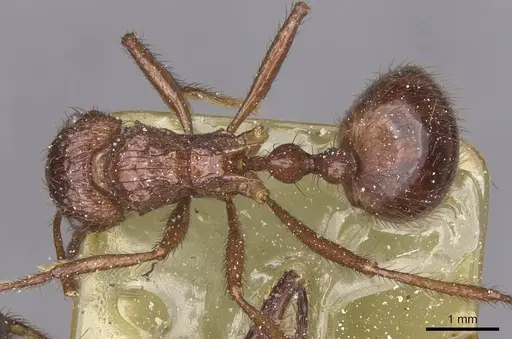
CASENT0916969
Lihat di AntWeb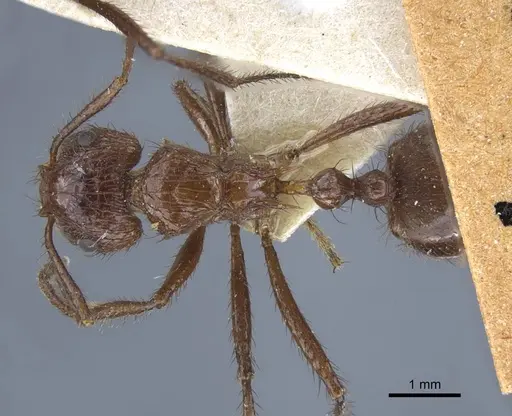
FOCOL1584
Lihat di AntWeb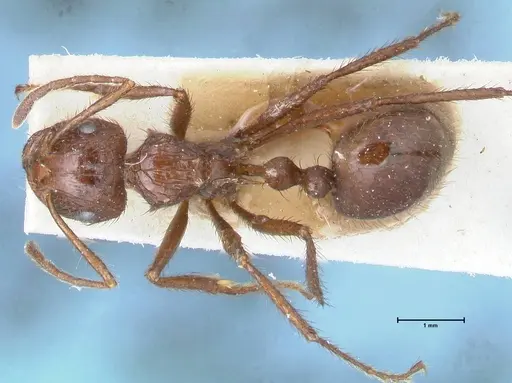
FOCOL1585
Lihat di AntWeb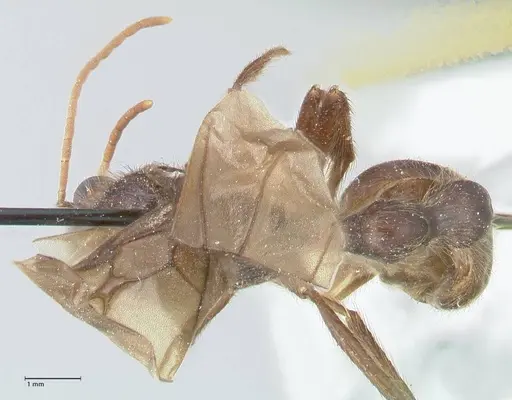
Literatur
Memuat peta distribusi...Memuat produk...