
Myrmica saposhnikovi
- Nama Ilmiah
- Myrmica saposhnikovi
- Tribe
- Myrmicini
- Subfamili
- Myrmicinae
- Penulis
- Ruzsky, 1904
- Distribusi
- Ditemukan di 0 negara
Pendahuluan
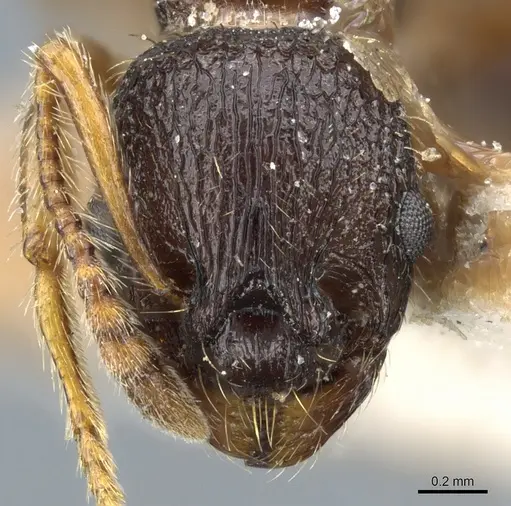
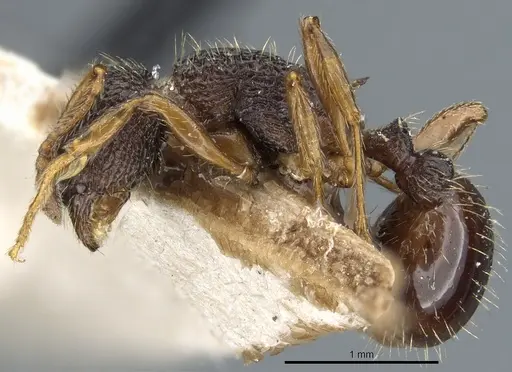
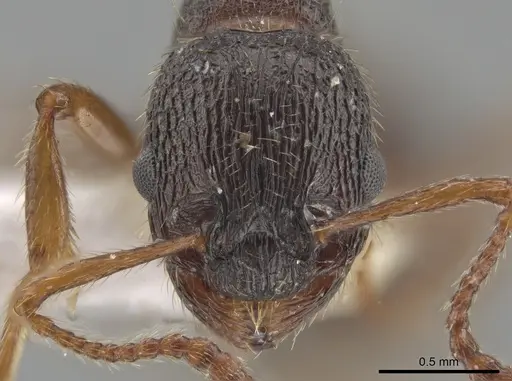
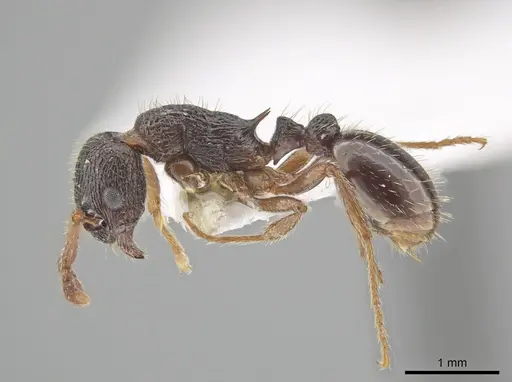
Myrmica saposhnikovi is a small to medium-sized ant species native to the mountains of Central Asia. Workers are reddish-brown with a characteristic bent antennae scape, and queens are slightly larger with typical Myrmica wing scars. This species belongs to the lobicornis-complex and forcipata group, making it closely related to other Asian Myrmica species with distinctive antennae morphology . What makes M. saposhnikovi particularly interesting is its unusual habitat flexibility. It's found in cool mountain fir forests and subalpine meadows at high altitudes (1000-2900m), as well as in dry steppe habitats at lower elevations below 600m. This dichotomy has led researchers to question whether the steppe and mountain populations might actually be two separate but nearly identical species. The species was named after Professor Vasily Vasilievich Saposhnikov, a renowned Russian geographer and botanist from Tomsk University .
Quick Summary
- Difficulty: Medium
- Origin & Habitat: Central Asia, found in Kazakhstan, Kyrgyzstan, China, Republic of Korea, and Russian Federation. Inhabits fir forests and subalpine meadows at 1000-2900m elevation, but also occurs in steppe-like habitats below 600m [1][2].
- Colony Type: Colony structure is unconfirmed for this species. Based on typical Myrmica patterns, likely single-queen colonies.
- Size & Growth:
- Queen: Size data unavailable, inferred from Myrmica genus (~5-7mm)
- Worker: Size data unavailable, inferred from Myrmica genus (~3-5mm)
- Colony: Likely up to several hundred workers based on related Myrmica species
- Growth: Moderate, typical for Myrmica genus
- Development: Estimated 6-10 weeks based on typical Myrmica development at optimal temperature (Development time estimated from related Myrmica species, specific timeline for this species unconfirmed)
- Antkeeping:
- Temperature: Keep cooler than many ants, aim for 18-22°C. Given their mountain forest habitat, they prefer cooler conditions. Room temperature is often suitable.
- Humidity: Moderate humidity around 50-60%. These ants are found in both dry steppe and damp mountain meadows, so they tolerate a range. Keep nest substrate slightly moist but not waterlogged.
- Diapause: Yes, required winter hibernation of 3-4 months at 5-10°C. Given their northern distribution and high-altitude habitat, they need a proper diapause period.
- Nesting: Y-tong (AAC) nests or test tube setups work well. They can adapt to various nest types. In nature they likely nest in soil or under stones. Provide a moisture reservoir.
- Behavior: Typical Myrmica temperament, workers are moderately active and will defend the nest if threatened. They have a functional stinger but rarely use it on humans. Workers are foragers and will collect both sugar sources and protein. Escape risk is moderate, standard test tube barriers are sufficient.
- Common Issues: hibernation failure, colonies often die if diapause is not provided or if kept too warm during winter, overheating, being a cool-climate species, they suffer if kept too warm (above 25°C), slow growth can frustrate beginners, Myrmica develop slower than many common ants, escape through small gaps, use proper barriers despite their moderate size
Natural History and Distribution
Myrmica saposhnikovi is found across Central Asia, with confirmed populations in Kazakhstan, Kyrgyzstan, China, the Republic of Korea, and the Russian Federation [1]. This species shows remarkable ecological flexibility, being found in two very different habitat types. In the mountains of the Central Tien-Shan (particularly the Dzhungarian Alatau), it's one of the main ant species in fir forests and subalpine meadows at elevations between 1000-2900 meters [2]. Interestingly, it's also found in much hotter and drier steppe habitats at lower altitudes below 600m.
Researchers have noted that the species might actually comprise two nearly identical sibling species, one adapted to cool mountain forests and another to dry steppe habitats. The original type series may have included both, and until more detailed molecular studies are done, this question remains unresolved [1]. For antkeepers, this means your colony might show preferences for either cooler or warmer conditions depending on which population it originates from.
Housing and Nest Setup
Myrmica saposhnikovi adapts well to standard antkeeping setups. Test tubes work perfectly for founding colonies and can be used long-term. For established colonies, Y-tong (AAC) nests or acrylic nests with a moisture reservoir are ideal. The key is providing a nest that stays cool and stable.
Because this species comes from mountain environments, avoid overheating the nest. Room temperature (18-22°C) is often ideal. If you use a heating cable, place it very gently and monitor colony behavior, if workers avoid the heated area, reduce or remove heat. Provide a water test tube for humidity, and keep the nest substrate slightly moist. These ants don't need high humidity like tropical species, but the nest shouldn't dry out completely.
For the outworld, a simple setup with a foraging area is sufficient. Offer food on a small platform or directly in the outworld. Standard escape prevention (fluon on test tube rims, barrier tape) works well for this species.
Feeding and Diet
Like other Myrmica species, M. saposhnikovi is omnivorous with a preference for protein. Workers will readily accept sugar water, honey, or diluted syrup as an energy source. For protein, offer small insects like fruit flies, small mealworms, or cricket pieces. In nature, they forage for honeydew from aphids and hunt small invertebrates.
Feed sugar sources constantly, a small drop of sugar water or honey every few days. For protein, offer prey items 2-3 times per week, removing any uneaten prey after 24 hours. Adjust feeding based on colony size, larger colonies need more food. Watch for workers ignoring sugar, this might indicate they're getting enough from other sources or could signal a problem.
Temperature and Seasonal Care
This is a cool-climate species that requires careful temperature management. Keep the nest area between 18-22°C, this is their ideal range. They can tolerate brief periods outside this range but prolonged exposure to heat above 25°C can be harmful. Many keepers find that room temperature alone is sufficient.
Winter hibernation is essential. From roughly October/November to March/April (3-4 months), reduce temperature to 5-10°C. This can be done in a garage, basement, or refrigerator (if properly insulated from food). Reduce food to almost nothing during this period. Do not skip hibernation, it's crucial for colony health and queen longevity. In summer, avoid direct sunlight on the nest and keep them away from heat sources.
Colony Development and Growth
Myrmica colonies grow at a moderate pace compared to many common ants. A newly mated queen will lay eggs after claustral founding (sealing herself in), and first workers (nanitics) typically emerge in 6-10 weeks under optimal conditions. These first workers are smaller than mature workers.
Colony growth is steady but not rapid. A healthy colony may reach 100-200 workers in the first year, with larger colonies of several hundred developing over 2-3 years. The exact timeline varies based on temperature and feeding. Unlike some fast-growing species, Myrmica benefit from stable conditions rather than aggressive feeding. Patience is key, this isn't a species that will explode in numbers quickly.
Frequently Asked Questions
How long does it take for Myrmica saposhnikovi to have first workers?
Expect first workers (nanitics) in approximately 6-10 weeks after the queen lays eggs, assuming temperatures around 20-22°C. This is typical for Myrmica species. The first workers will be smaller than mature workers.
Do Myrmica saposhnikovi ants need hibernation?
Yes, hibernation is required. This species needs a 3-4 month winter rest period at 5-10°C from roughly October/November through March. Skipping hibernation will weaken the colony and reduce the queen's lifespan.
What temperature is best for Myrmica saposhnikovi?
Keep them between 18-22°C. They're a cool-climate mountain species that doesn't tolerate heat well. Room temperature is often ideal. Avoid temperatures above 25°C.
Can I keep multiple Myrmica saposhnikovi queens together?
Not recommended. Like most Myrmica, this species is likely single-queen. Combining unrelated queens typically results in fighting. Only attempt pleometrosis (multiple founding queens) with careful monitoring if you want to experiment, but success is unlikely.
What do Myrmica saposhnikovi ants eat?
They need a balanced diet of sugar and protein. Offer sugar water, honey, or diluted syrup regularly. For protein, feed small insects like fruit flies, small mealworms, or cricket pieces 2-3 times per week.
Are Myrmica saposhnikovi ants good for beginners?
They're moderate difficulty, easier than tropical species but requiring more patience than some common ants. The need for hibernation and cooler temperatures makes them slightly more challenging. They're a good choice after keeping a beginner species like Lasius.
How big do Myrmica saposhnikovi colonies get?
Based on related species, colonies likely reach several hundred workers over 2-3 years. They're not among the largest Myrmica but can form substantial colonies.
Do Myrmica saposhnikovi ants sting?
They have a stinger but rarely use it on humans. If threatened, they may sting, but the pain is minor compared to some larger ants. They're not considered dangerous.
When should I move my colony to a formicarium?
Wait until the colony has at least 20-30 workers. Myrmica do well in test tubes long-term, so there's no rush. A Y-tong or acrylic nest with moisture works well once the colony is established.
Why is my Myrmica saposhnikovi colony dying?
Common causes include: too high temperature (above 25°C), missing hibernation, too wet or too dry nest, or poor nutrition. Check temperature first, this species is sensitive to heat. Ensure proper hibernation every winter.
Report an Issue
The current care sheet is based fully on literature. See inconsistencies, or something that's incorrect? Please , it will be resolved after review from an admin. Contributing to the blogs tab also helps providing information, to make us be able to further improve the caresheets. Thank you for your support!
References

Lembar perawatan ini dilisensikan di bawah CC BY-SA 4.0 .
Blog Komunitas
CASENT0904073
Lihat di AntWeb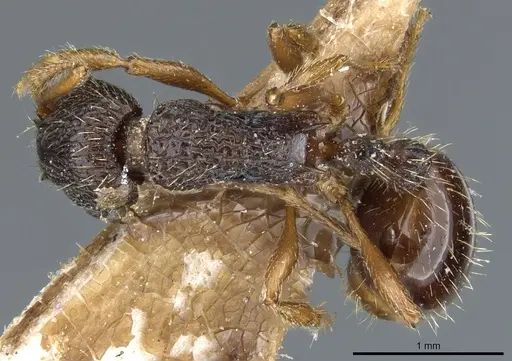
CSU
Lihat di AntWeb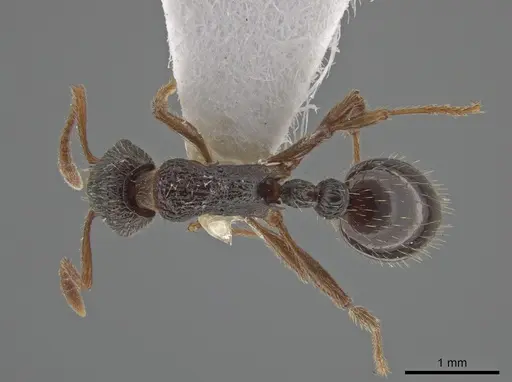
Literatur
Memuat peta distribusi...Memuat produk...