
Mycetomoellerius fiebrigi
- Nama Ilmiah
- Mycetomoellerius fiebrigi
- Tribe
- Attini
- Subfamili
- Myrmicinae
- Penulis
- Santschi, 1916
- Distribusi
- Ditemukan di 0 negara
Pendahuluan
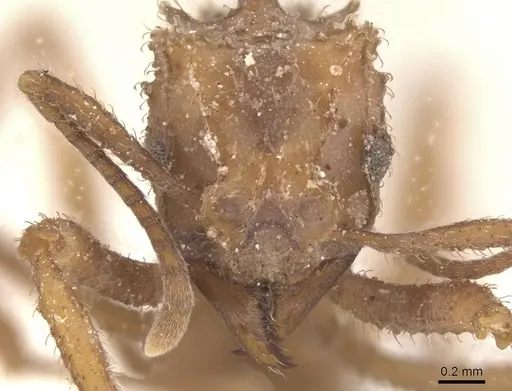
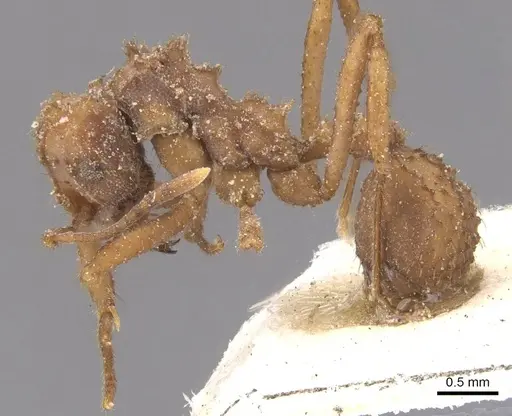
Mycetomoellerius fiebrigi is a small fungus-growing ant from the Attini tribe, found in Argentina and Paraguay . Workers are tiny with well-developed mesonotal projections and propodeal spines characteristic of the genus . These ants belong to the 'higher attine' group that cultivates specialized fungi for food - they maintain fungal gardens that they feed with organic material rather than foraging like typical ants. This makes them one of the more unusual ant species to keep, as their care centers around fungal cultivation rather than traditional feeding.
Quick Summary
- Difficulty: Hard
- Origin & Habitat: Native to the Neotropical region, specifically Argentina and Paraguay. In the wild, they nest in soil or rotting wood in subtropical forest environments [1].
- Colony Type: Likely single-queen colonies (monogyne) based on typical Attini colony structure. This is inferred from genus patterns as specific colony structure studies are lacking for this species.
- Size & Growth:
- Queen: Size data unavailable, no specific measurements exist for this species
- Worker: Size data unavailable, no specific measurements exist for this species
- Colony: Likely reaches several hundred workers based on typical Attini colony sizes
- Growth: Moderate, fungus-growing ants typically grow more slowly than predatory species
- Development: Estimated 8-12 weeks at optimal temperature, based on typical Attini development patterns (Development is tied to fungal garden establishment, queens must cultivate fungus before brood can develop properly)
- Antkeeping:
- Temperature: Keep at 24-28°C. These are subtropical ants that need warm, stable conditions. A heating cable on one side of the nest creates a suitable gradient. Avoid temperatures below 22°C as this slows fungal growth and colony development.
- Humidity: Keep substrate consistently moist but not waterlogged. Fungus-growing ants need damp conditions to support their fungal gardens. Aim for substrate that feels damp to the touch with some condensation on nest walls. Provide a water tube for drinking access.
- Diapause: No, these are subtropical ants that do not require hibernation. Keep temperatures stable year-round.
- Nesting: Use a nesting setup that retains moisture well, plaster nests, acrylic nests with water channels, or test tube setups with cotton-plugged water reservoirs all work. The key is maintaining humidity for the fungal garden. Avoid dry, airy setups.
- Behavior: These ants are generally peaceful and non-aggressive. Workers are small and slow-moving. They possess a functional stinger typical of the Myrmicinae subfamily, though it is less medically significant to humans than fire ant stings. Their main activity centers on maintaining and tending their fungal gardens rather than aggressive colony defense. Escape risk is moderate due to their small size, use standard barrier methods like fluon on test tube rims.
- Common Issues: fungal garden failure is the most common killer, if the fungus dies, the colony starves, overly dry conditions cause fungus death and colony collapse, temperature drops below 22°C slow fungal growth and can stall colony development, poor ventilation leads to mold problems that can destroy the fungal garden, wrong food given to fungus, they need specific organic material, not standard ant foods
The Fungus-Growing Lifestyle
Mycetomoellerius fiebrigi belongs to the Attini tribe, a group of ants that abandoned traditional foraging to become farmers. Unlike most ants that hunt insects or collect honeydew, these ants cultivate specialized fungi in underground gardens. The queen carries a small fungal fragment when she founds a new colony, establishing the garden in her founding chamber. Workers feed the fungus with organic debris they collect, this can include leaf fragments, flower parts, or other plant material. The ants then harvest the fungal growth for themselves and their brood. This means you cannot keep them like regular ants, they need fungal substrate and appropriate fungal food to survive. In captivity, this is the single most critical aspect of their care. [1]
Feeding Your Colony
Feeding Mycetomoellerius is fundamentally different from feeding typical ants. You must provide organic material for the fungus to grow on, not directly to the ants. Suitable options include small pieces of leaf, flower petals, grain fragments, or specialized fungal substrate. Some keepers report success with oatmeal flakes or rice paper as fungal food. The ants will take this material into their fungal chamber, and the fungus will grow on it. The ants and brood then consume the fungal strands. Never feed them standard ant foods like honey water, protein, or insects as primary nutrition, while they may accept these, they cannot survive without a healthy fungal garden. Fresh fungal food should be provided regularly, with old material removed before it molds.
Temperature and Humidity
These subtropical ants need warm, humid conditions year-round. Keep the nest area at 24-28°C consistently, temperatures below 22°C cause problems by slowing fungal growth and potentially stalling colony development. A small heating cable placed on part of the nest creates a gentle gradient. Humidity is equally critical: the substrate should feel consistently moist but never waterlogged. The fungal garden needs damp conditions to thrive. Use a test tube setup with a water reservoir or a plaster nest with water channels to maintain humidity. Monitor for condensation on nest walls, this indicates good humidity levels. Avoid placing the nest near air conditioning or in drafty areas.
Colony Establishment and Growth
Founding colonies face the challenge of establishing both brood and fungal garden simultaneously. The claustral queen seals herself in a chamber and begins cultivating her carried fungal fragment. She feeds the initial fungus with her own body reserves until the first workers emerge. These workers then take over fungal maintenance and foraging for new fungal food. Growth is slower than typical ants, you should expect several months before the first workers (nanitics) appear, and another few months before the colony reaches double digits. Patience is essential. A healthy established colony will grow to several hundred workers over several years, with the fungal garden becoming a prominent feature of the nest.
Housing and Setup
Choose a nest setup that excels at moisture retention. Test tube setups with cotton-plugged water reservoirs work well for founding colonies, the cotton allows gradual moisture release. For established colonies, plaster nests or acrylic nests with built-in water channels maintain humidity better than dry setups. Whatever you choose, ensure the ants can access the fungal chamber without flooding it. Outworld space should be minimal, these are small ants that do not need large foraging areas. Use standard escape prevention like fluon on rim edges. Avoid formicariums with large open spaces that dry out quickly.
Frequently Asked Questions
What do Mycetomoellerius fiebrigi ants eat?
They do not eat traditional ant food, they farm fungi. You provide organic material like leaf fragments, flower petals, or oatmeal flakes for the fungus to grow on. The ants and brood then consume the fungal strands. Do not rely on honey water, insects, or protein as primary food.
How long does it take for first workers to emerge?
Expect 8-12 weeks from founding to first workers emerging, based on typical Attini development patterns. This is slower than many common ant species. The queen must establish both the fungal garden and raise brood simultaneously.
Can I keep multiple queens together?
Not recommended. Unlike some ants that can found colonies pleometrotically, Mycetomoellerius queens are likely territorial. Start with a single queen for best success.
Do these ants need hibernation?
No. They come from subtropical Argentina and Paraguay where temperatures remain warm year-round. Keep them at stable temperatures between 24-28°C without seasonal cooling.
Why is my colony dying?
The most likely cause is fungal garden failure. This can happen from too-dry conditions, temperature below 22°C, mold contamination, or poor-quality fungal food. Check that substrate stays moist, temperatures stay warm, and remove any moldy material promptly.
What temperature should I keep them at?
Keep nest temperatures between 24-28°C. Use a heating cable on part of the nest to create a gradient if your room temperature is below 24°C. Avoid cold spots below 22°C.
Are these ants good for beginners?
No. They are considered difficult due to their specialized fungal farming requirements. If you are new to ant keeping, start with easier species like Lasius or Camponotus. Only attempt Mycetomoellerius if you have experience maintaining humidity-sensitive species.
When should I move them to a formicarium?
Wait until the colony reaches at least 50-100 workers. Moving too early risks disturbing the fungal garden. Use a moist plaster or acrylic nest that maintains humidity well.
How big do colonies get?
Based on typical Attini sizes, colonies likely reach several hundred workers over several years. They are not among the largest ant species but can become substantial colonies with prominent fungal gardens.
Report an Issue
The current care sheet is based fully on literature. See inconsistencies, or something that's incorrect? Please , it will be resolved after review from an admin. Contributing to the blogs tab also helps providing information, to make us be able to further improve the caresheets. Thank you for your support!
References

Lembar perawatan ini dilisensikan di bawah CC BY-SA 4.0 .
Blog Komunitas
CASENT0912521
Lihat di AntWeb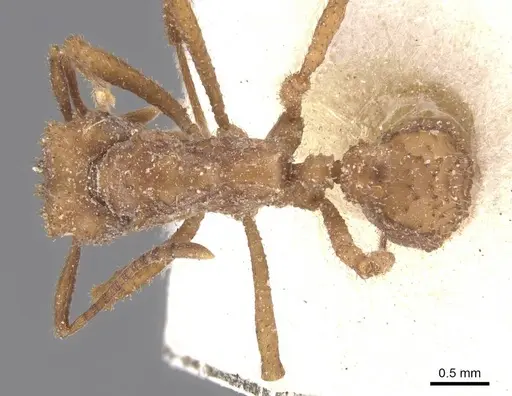
Literatur
Memuat peta distribusi...Memuat produk...