
Yellow Mono Ant
Monomorium laeve
- Nama Ilmiah
- Monomorium laeve
- Tribe
- Solenopsidini
- Subfamili
- Myrmicinae
- Penulis
- Mayr, 1876
- Nama Umum
- Yellow Mono Ant
- Distribusi
- Ditemukan di 1 negara
Pendahuluan
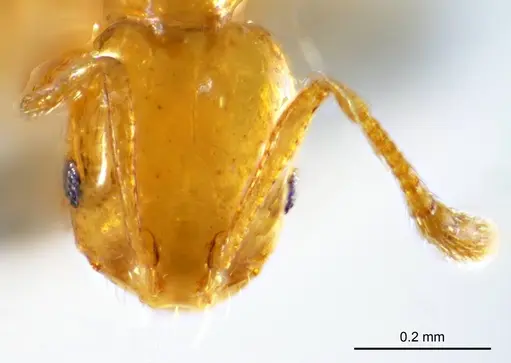
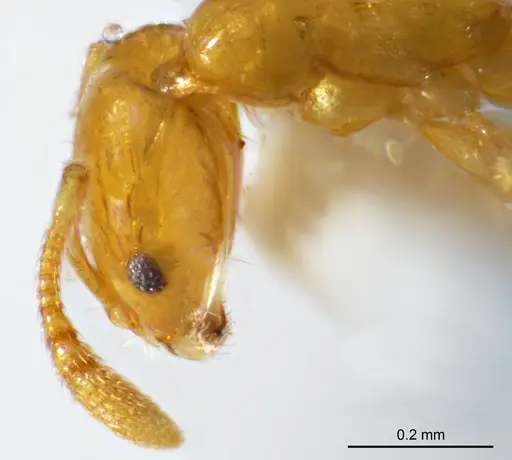
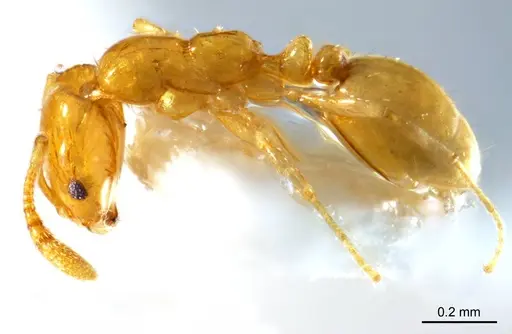
Monomorium laeve is a tiny yellow ant native to Australia, with workers measuring around 1-1.5 mm and queens around 1.9-2.9 mm (head+mesosoma length) . The species shows notable size variation across its range: northern populations tend to be smaller and more compact with small oval eyes, while individuals from wetter southern areas are slightly larger and more slender with larger, elongated eyes . This ant is abundant throughout the continent but is less common in urban settings than related species like Monomorium fieldi . It feeds on both animal matter and seeds . Genetic evidence suggests Monomorium laeve may actually be a complex of several cryptic species, with three distinct lineages identified in molecular studies .
Quick Summary
- Difficulty: Medium
- Origin & Habitat: Australia, found across the continent from arid interior regions to temperate coastal areas. It inhabits a range of biomes but is particularly numerous in arid zones [4][1].
- Colony Type: Colony structure is not definitively documented for this species. Based on typical Monomorium patterns, it is likely single-queen (monogyne), but this is unconfirmed. Brachypterous (short-winged) queens have been noted in related species [5].
- Size & Growth:
- Queen: ~1.9-2.9 mm (head+mesosoma length) [1]
- Worker: ~1.0-1.5 mm (head+mesosoma length) [1]
- Colony: Unknown, likely several hundred workers at maturity based on genus patterns, but no reliable data for this species.
- Growth: Moderate (inferred from related small Myrmicinae)
- Development: Approximately 6-8 weeks (estimated from related Monomorium species, no specific data for M. laeve) (Development time is temperature-dependent, specific estimates are unavailable.)
- Antkeeping:
- Temperature: Keep at room temperature, around 20-26°C. Australian ants generally tolerate moderate warmth. Provide a gentle temperature gradient if possible.
- Humidity: Moderate humidity. Keep the nest substrate lightly moist but not waterlogged. These ants inhabit varied climates from arid to temperate, so they can tolerate some dryness. Provide a gradient if possible.
- Diapause: Unknown, Australian ants from arid regions typically do not require a true hibernation period. They may become less active in cooler months, but full diapause is not necessary. Observe colony behavior and adjust accordingly.
- Nesting: In nature, likely nests in soil or under stones like other Monomorium species. Y-tong (AAC), plaster, or soil nests are suitable. Provide a moist area and a drier area within the nest so the ants can self-regulate moisture. Avoid acrylic nests.
- Behavior: Monomorium laeve is a small, generally non-aggressive ant. Workers are yellowish and forage individually or in small groups. They are primarily nocturnal or crepuscular, as reported for numerous yellowish species in arid Australia [4]. They can enter dwellings in rural areas and have been noted as occasional indoor pests [1]. Due to their tiny size, escape prevention is critical, use fine mesh (0.5 mm or finer) and seal all gaps. This species has a sting (typical of Myrmicinae) but it is weak and poses no practical threat to humans.
- Common Issues: tiny size makes escapes very likely without fine mesh barriers (use 0.5 mm or smaller mesh)., colony founding is unconfirmed, wild-caught queens may be hard to establish., limited availability in the hobby, this species is not commonly kept., mold risk if nest substrate is too wet, provide good ventilation and a dry area.
Appearance and Identification
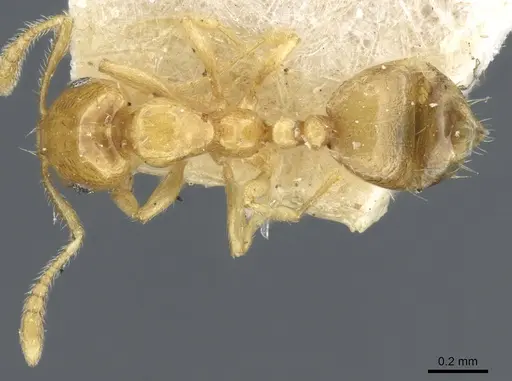
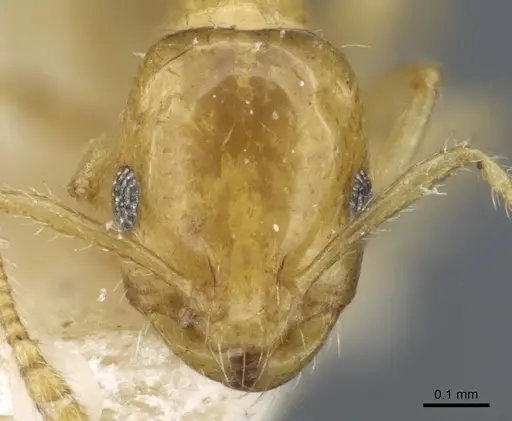
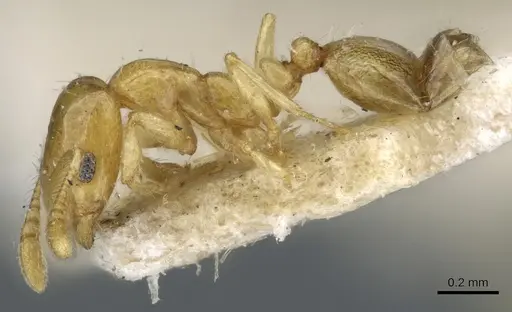
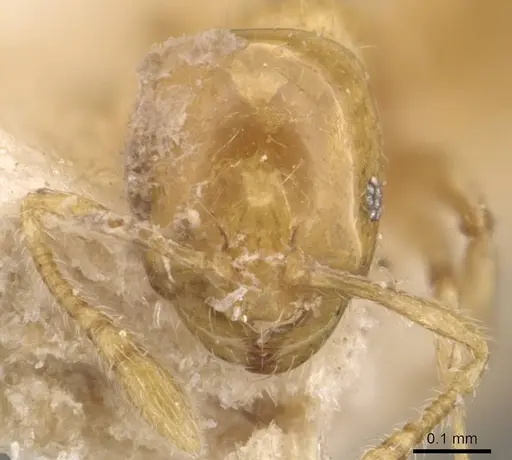
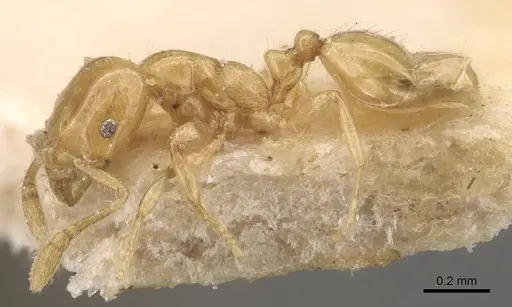
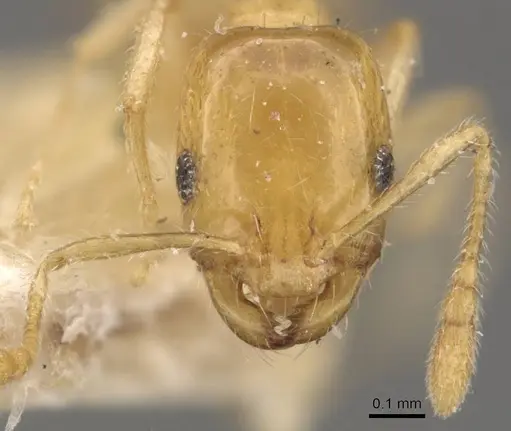
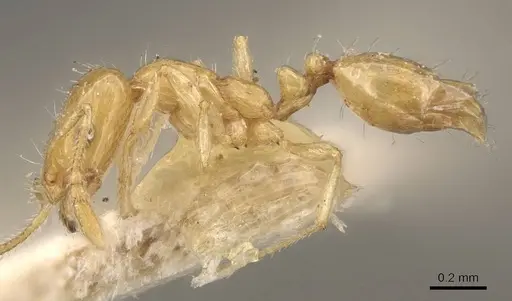
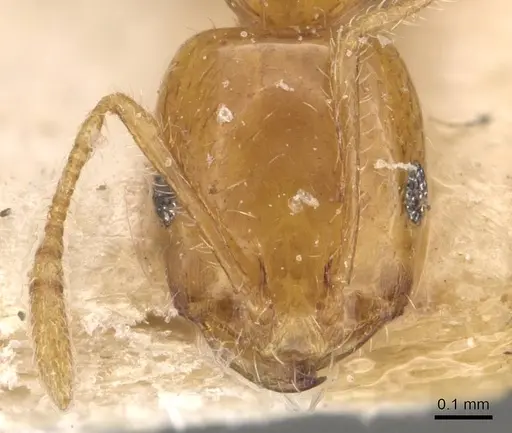
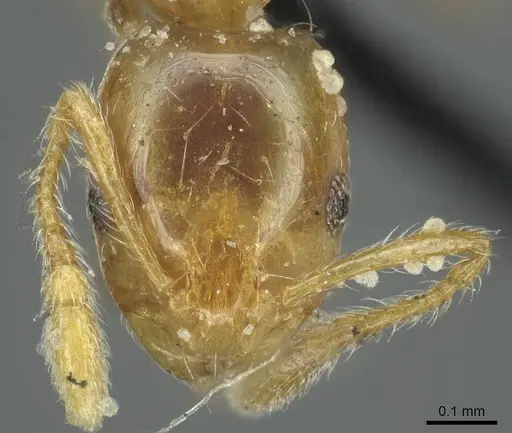
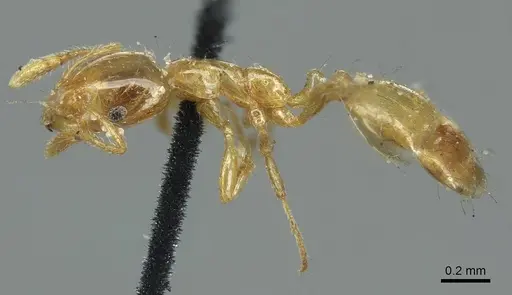
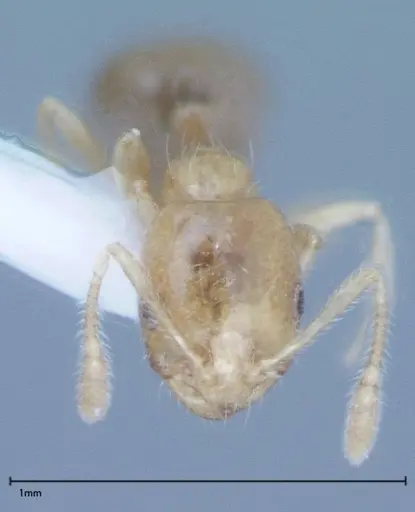
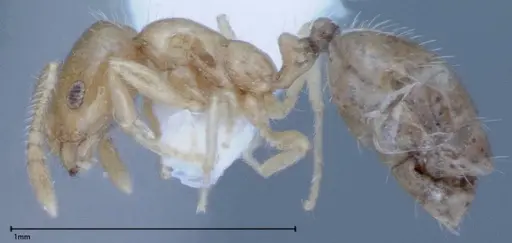
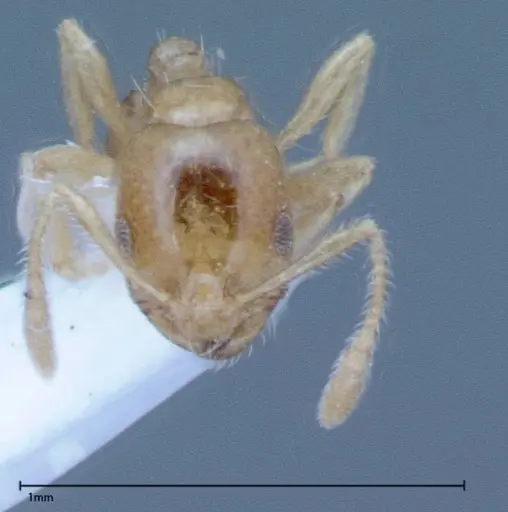
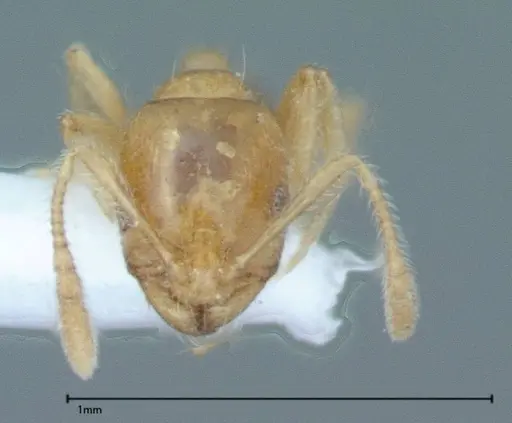
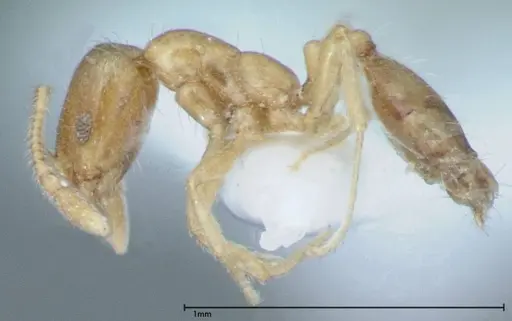
Monomorium laeve workers are very small, measuring about 1-1.5 mm (head+mesosoma length), with a yellow to tawny orange color [6][1]. There is noticeable variation across its range: workers from northern Australia are more compact with small, oval eyes, while those from southern, wetter areas are slightly larger and more slender with larger, coarsely faceted eyes [1]. Queens are larger at about 1.9-2.9 mm and may have reduced (brachypterous) wings [1]. Workers can be distinguished from the similar Monomorium disetigerum by having long hairs on the back of the head (occiput) and on the propodeum, and more than one pair of erect hairs on the promesonotum [1]. Genetic studies suggest Monomorium laeve may be a complex of several cryptic species, with three distinct lineages (dark form, light form, and 'flavipes' form) [2][3].
Natural History
Monomorium laeve is abundant throughout Australia, especially in arid and semi-arid regions [4][1]. It is a generalist forager, feeding on both animal prey and seeds [1]. The ants are mostly nocturnal or crepuscular and are attracted to lights in human dwellings, especially in rural areas [4][1]. One record from Mt. Stromlo, ACT, notes them 'infesting quarters' [1]. They play a role in seed dispersal and as scavengers in their ecosystems.
Housing and Nesting
In captivity, start a colony in a test tube setup with a water reservoir and a small entrance. Once the colony grows, transfer to a formicarium such as a Y-tong (AAC) nest or a plaster nest with chambers sized for small ants. Based on their natural habits, they likely nest in soil or under stones, so a soil nest with a moisture gradient works well. Provide an outworld for foraging. Because workers are so small, use a tight-fitting lid with fine mesh (0.5 mm or smaller) and apply an escape barrier like fluon to the walls. Always include a dry area within the nest to let the ants choose their preferred humidity.
Feeding
In the wild, Monomorium laeve eats both animal matter and seeds [1]. In captivity, provide a varied diet: small protein sources like fruit flies, pinhead crickets, or tiny mealworms, plus sugar water or honey for carbohydrates. Because the workers are so tiny, cut prey into small pieces. Feed protein 2-3 times per week and keep a sugar source available at all times. Remove uneaten food after 24-48 hours to prevent mold and pests. They will also collect small seeds, but this may not be necessary if other food is provided.
Temperature and Care
Monomorium laeve originates from Australia and thrives at typical room temperatures of 20-26°C. Avoid extremes, a gentle temperature gradient in the setup allows the colony to choose its preferred zone. If the room is cooler, a small heat mat on one side of the nest can help, but always provide unheated areas. Specific temperature requirements for this species are not documented, so observe the colony and adjust if they seem stressed. Good ventilation is important to prevent mold in the nest.
Behavior and Defense
Monomorium laeve is a small, peaceful species. Workers are generally non-aggressive and forage individually or in small groups. They are primarily active at night or during twilight [4]. When threatened, they can sting, but the sting is weak and not painful to humans (typical of Myrmicinae with piperidine alkaloids). Escape prevention is the main challenge due to their tiny size, ensure all connections are tight and use fine mesh. They are safe to handle carefully, but it's best to avoid stressing the colony.
Frequently Asked Questions
How long does it take for Monomorium laeve to produce first workers?
Exact development time for this species is unknown. Based on related Monomorium, expect first workers (nanitics) around 6-8 weeks after the queen lays eggs at 20-26°C. This is an estimate, actual time may vary.
What do Monomorium laeve ants eat?
They feed on both animal matter and seeds in the wild [1]. In captivity, offer small protein sources (fruit flies, tiny crickets, or mealworm pieces) and sugar water or honey. Ensure food is small enough for their tiny workers.
Are Monomorium laeve ants good for beginners?
They are a medium-difficulty species. They are non-aggressive and tolerate room temperatures, but their tiny size makes escape prevention tricky. Also, the founding process is unconfirmed, which could be challenging for beginners. Best for keepers with some experience.
How big do Monomorium laeve colonies get?
Colony size is not documented. Based on genus patterns, they may reach a few hundred workers at maturity, but this is speculative. No reliable data exists.
What temperature do Monomorium laeve ants need?
Keep them at room temperature,20-26°C. They are adaptable Australian ants. Provide a gradient for choice.
Can I keep multiple Monomorium laeve queens together?
Not documented. Most Monomorium species are monogyne (single queen), so combining queens is unlikely to work. It is not recommended unless you observe multiple queens cooperating in a wild colony.
Why are my Monomorium laeve ants escaping?
Their very small size (1 mm workers) allows them to squeeze through tiny gaps. Use fine mesh (0.5 mm or smaller), seal all lid edges with fluon or similar barriers, and inspect setup for cracks.
Do Monomorium laeve ants need hibernation?
Full hibernation is not required. They may become less active in cool months, but can be kept at room temperature year-round.
Where is Monomorium laeve found in the wild?
It is native to Australia and found throughout the continent. It is abundant in arid inland areas and also occurs in coastal regions. It enters houses more often in rural areas [1].
Report an Issue
The current care sheet is based fully on literature. See inconsistencies, or something that's incorrect? Please , it will be resolved after review from an admin. Contributing to the blogs tab also helps providing information, to make us be able to further improve the caresheets. Thank you for your support!
References

Lembar perawatan ini dilisensikan di bawah CC BY-SA 4.0 .
Blog Komunitas
ANTWEB1008679
Lihat di AntWeb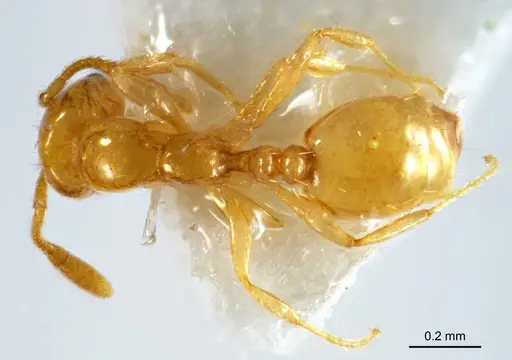
CASENT0904588
Lihat di AntWeb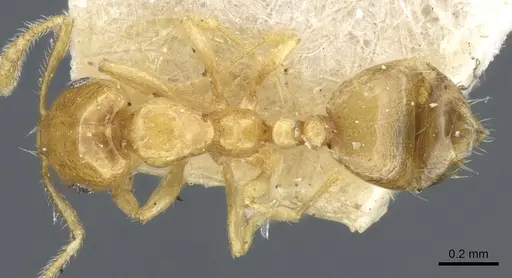
CASENT0908770
Lihat di AntWeb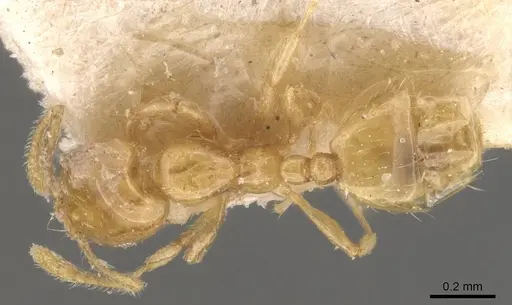
CASENT0908771
Lihat di AntWeb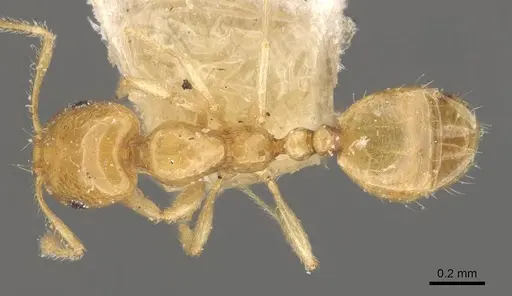
CASENT0908772
Lihat di AntWeb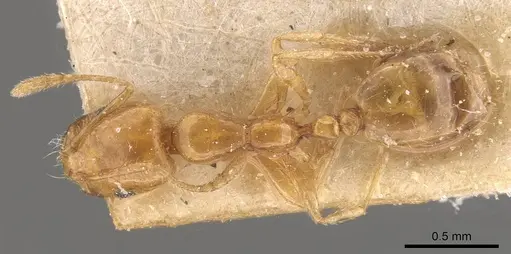
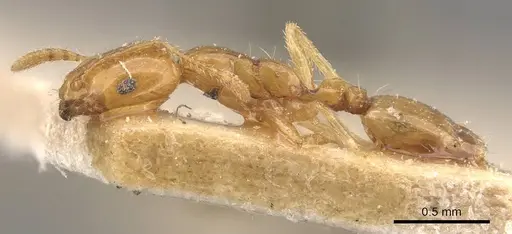
CASENT0914401
Lihat di AntWeb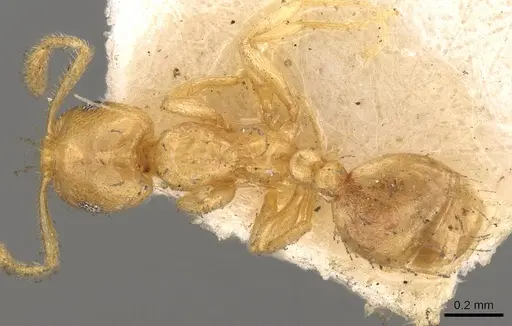
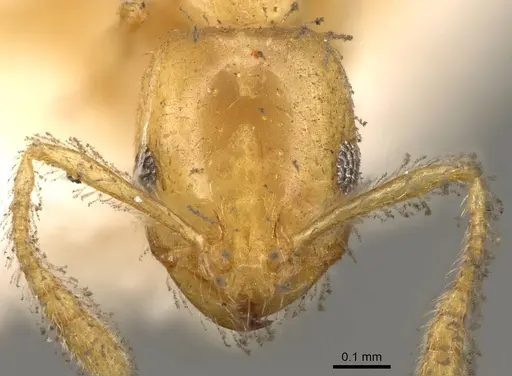
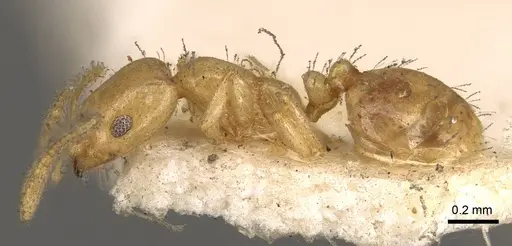
CASENT0916019
Lihat di AntWeb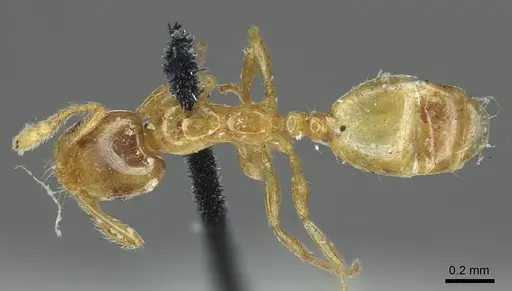
FOCOL0049-1
Lihat di AntWeb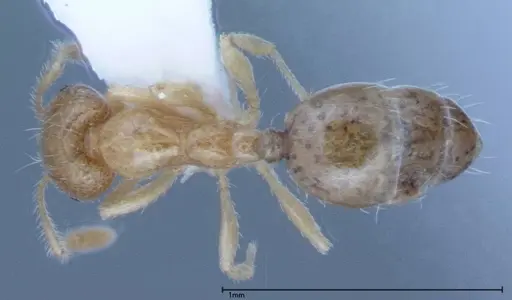
FOCOL0049-2
Lihat di AntWeb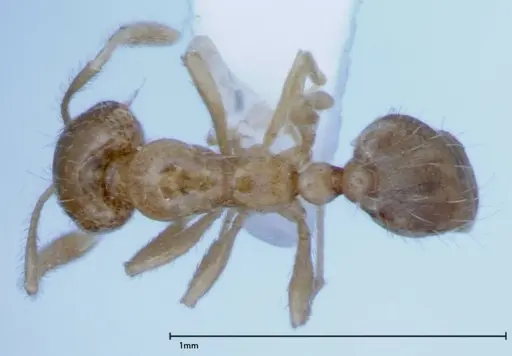
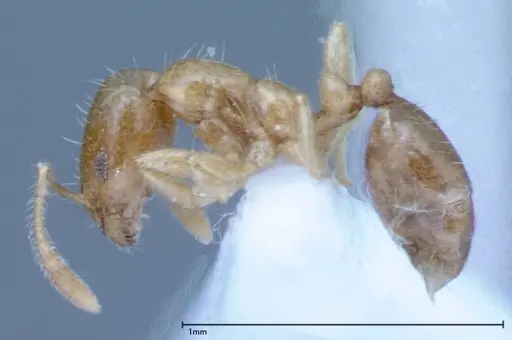
FOCOL0050-1
Lihat di AntWeb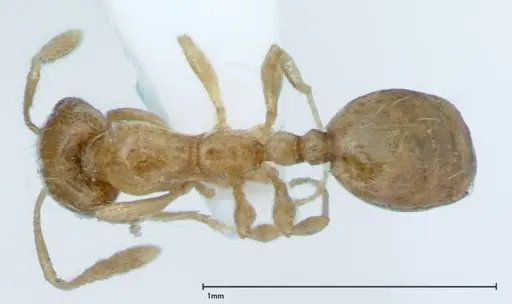
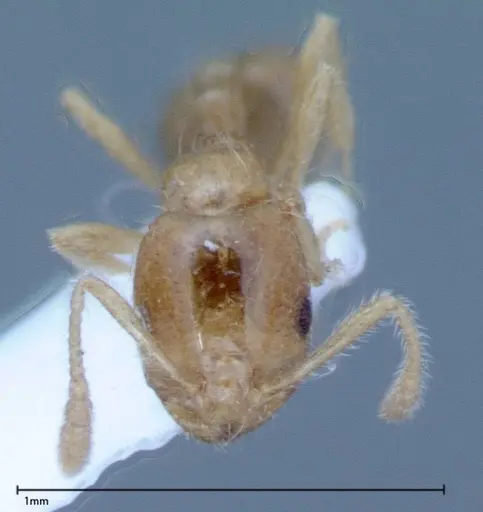
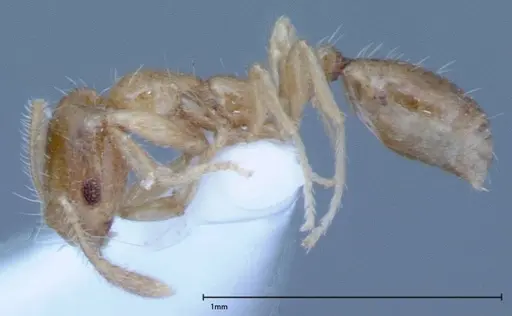
FOCOL0050-2
Lihat di AntWeb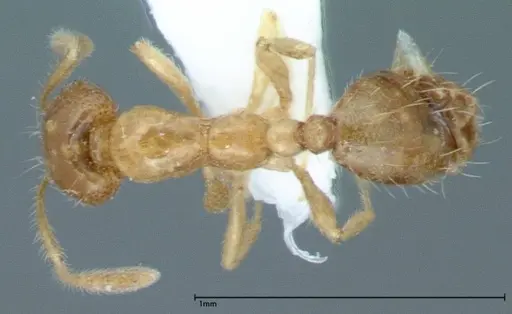
Literatur
Memuat peta distribusi...Memuat produk...