
Monomorium fayfaense
- Nama Ilmiah
- Monomorium fayfaense
- Tribe
- Solenopsidini
- Subfamili
- Myrmicinae
- Penulis
- Collingwood & Agosti, 1996
- Distribusi
- Ditemukan di 0 negara
Pendahuluan
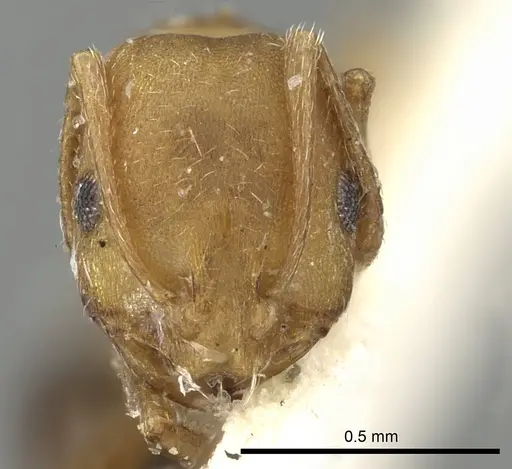
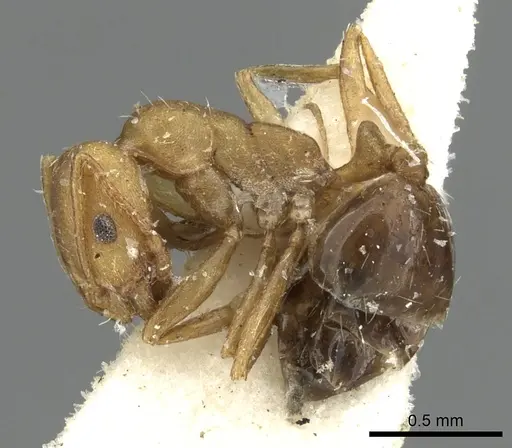
Monomorium fayfaense is a small ant native to the Arabian Peninsula. Workers measure approximately 3mm in total length and have a distinctive appearance: the head, mesosoma, and body segments are bright red to yellow-orange, while the abdomen (gaster) is dark brown to black, creating a high-contrast look . This species belongs to the salomonis species group and can be identified by its smooth, glossy gaster and scapes that reach the posterior margin of the head when laid back . They were originally described from Saudi Arabia and Yemen, with later records confirming their presence in the United Arab Emirates . In the wild, they've been collected from mangrove swamps and wadi environments, showing they can adapt to different moisture conditions within their arid range.
Quick Summary
- Difficulty: Easy
- Origin & Habitat: Saudi Arabia, Yemen, and United Arab Emirates, found in mangrove swamps and wadi environments [3][4]. This is a hot, arid region with extreme temperatures.
- Colony Type: Colony structure in the wild has not been documented in scientific literature.
- Size & Growth:
- Queen: Size data unavailable, queen measurements have not been documented in literature.
- Worker: Approximately 3mm total length [1].
- Colony: Colony size data unavailable in scientific literature.
- Growth: Growth rate is unconfirmed for this species.
- Development: Development time is unconfirmed, no specific studies exist for this species. (Being a small Myrmicinae, development likely follows typical patterns for this genus, but exact timing is unknown.)
- Antkeeping:
- Temperature: Keep at 24-28°C. Being from a hot desert region, they tolerate higher temperatures well. A heating cable on one side of the nest creates a useful gradient.
- Humidity: Moderate, they naturally occur in both mangrove swamps and dry wadis. Keep nest substrate lightly moist, allowing for some drier areas. Avoid both waterlogging and complete drying out.
- Diapause: Diapause requirements are unconfirmed. Being from a hot climate, they likely do not require hibernation.
- Nesting: Use a test tube setup for founding colonies. Once established (50+ workers), a Y-tong or plaster nest works well. They prefer tight, snug chambers scaled to their small size. Avoid tall, open spaces.
- Behavior: These are active, fast-moving little ants. They're generalist feeders and will readily explore their outworld for food. Workers are small (3mm) so escape prevention matters, they'll squeeze through surprisingly small gaps. Use fine mesh and reliable barriers. They're not particularly aggressive toward keepers but will defend their nest if threatened. Foragers are curious and will investigate new food sources quickly. As members of the Solenopsidini tribe, they possess a sting, though their small size limits effective stinging in humans.
- Common Issues: tiny size means escapes are likely without fine mesh barriers, overheating can be a problem, while they tolerate heat, direct hot sunlight or heating elements too close can kill them, mold from overwatering, keep nesting area clean and provide ventilation, colonies may stall if fed too much sugar, balance protein and sugar sources, wild-caught colonies may have parasites that affect survival in captivity
Housing and Setup
For a newly caught queen, a simple test tube setup works perfectly. Fill a test tube about one-third with water, stuff a cotton ball to create a water reservoir, then add the queen. This gives her a humid, dark chamber to lay her eggs in. The tube should be placed in a dark area away from direct sunlight. Once your colony reaches 30-50 workers, you can move them to a small formicarium. A Y-tong or plaster nest works well. The key is providing appropriately sized chambers, these are tiny ants, so tight passages and small rooms help them feel secure. Always use excellent escape prevention: fine mesh on any openings, fluon on rim edges, and check regularly. A small outworld (foraging area) connected to the nest lets workers venture out for food. [4][1]
Feeding and Diet
Monomorium fayfaense is a generalist feeder, like most ants in this genus. Offer a balanced diet of protein and sugar. Protein sources include small insects like fruit flies, pinhead crickets, small mealworms, and other tiny arthropods. Sugar can be provided as sugar water, honey, or diluted honey. In the wild, they've been found in mangrove environments where they likely forage for small insects and tend aphids for honeydew. Feed small amounts every 2-3 days, removing any uneaten prey after 24 hours to prevent mold. A constant sugar source (like a cotton ball soaked in sugar water) is appreciated but replace it every few days. As your colony grows, increase food amounts gradually.
Temperature and Seasonal Care
Being from the Arabian Peninsula, these ants are heat-tolerant. Keep them at 24-28°C for optimal brood development. They can handle temperatures up to 30°C or slightly higher, but avoid prolonged exposure to extreme heat. Room temperature (around 22-24°C) is acceptable if your home stays in this range. A small heating cable or heat mat on one side of the nest creates a temperature gradient, letting ants choose their comfort zone. Place the heating element on top of the nest, not underneath, to avoid drying out the substrate too quickly. Regarding diapause: they likely don't require a true hibernation. In winter, simply allowing room temperature to drop slightly (to around 18-20°C) for a few weeks is probably sufficient if you want to simulate seasons. Don't cool them dramatically, they're not built for cold. [3][4]
Colony Development
A founding queen will lay her first batch of eggs within a week or two of being caught. She'll seal herself into her chamber and live off her stored fat reserves while raising the first workers. The first workers, called nanitics, are often smaller than mature workers. Expect to wait several months for these first workers to emerge, depending on temperature. Once nanitics arrive, the colony enters a growth phase. Workers will begin foraging, and the queen's egg-laying rate increases. A healthy colony should grow steadily over the following months. Full maturity may take 1-2 years. Patience is key, small colonies grow incrementally. Avoid the temptation to overfeed, as excess food leads to mold and can actually harm the colony.
Behavior and Observation
These are active, alert little ants. Workers move quickly and are constantly patrolling their territory. They're diurnal, meaning they're most active during the day. When you first open their enclosure, you may see workers rush to investigate, this is normal foraging behavior. They're not particularly defensive and rarely bite, but they will alarm if their nest is threatened. One interesting behavior to observe is how they recruit nestmates to food sources, Monomorium species often use chemical trails to guide others to good foraging spots. Watch for workers returning to the nest with small prey items. Their small size and contrasting colors (red body, dark abdomen) make them easy to observe and track in any setup.
Frequently Asked Questions
How long does it take for Monomorium fayfaense to produce first workers?
Development time is unconfirmed for this species. Being a small Myrmicinae, it likely takes several months, but no specific studies exist.
What do Monomorium fayfaense ants eat?
They're generalist feeders. Offer small insects (fruit flies, pinhead crickets, small mealworms) for protein, and sugar water or honey for carbohydrates. Feed every 2-3 days, removing uneaten food promptly.
Do Monomorium fayfaense ants need hibernation?
Probably not. Being from a hot desert climate, they don't require true hibernation. A brief cool period (15-18°C for 4-6 weeks) in winter is optional but not necessary.
How big do Monomorium fayfaense colonies get?
Colony size data is unavailable in scientific literature. Exact maximum colony size has not been documented.
Can I keep multiple Monomorium fayfaense queens together?
Not recommended. Unless you're experienced with pleometrosis (multiple queen founding), start with a single queen. Combining unrelated queens often leads to fighting.
What temperature is best for Monomorium fayfaense?
Keep them at 24-28°C. They tolerate heat well and can handle up to 30°C. Avoid cold temperatures below 15°C.
Are Monomorium fayfaense ants good for beginners?
Yes, they're a good beginner species. They're small, active, and relatively forgiving of minor care mistakes. The main challenge is their tiny size requiring good escape prevention.
When should I move my colony to a formicarium?
Move from test tube to a formicarium once the colony reaches 30-50 workers. A small Y-tong or plaster nest works well. Make sure the chambers are appropriately sized for their tiny bodies.
Why are my Monomorium fayfaense dying?
Common causes include: escape-related deaths (check your barriers), mold from overwatering, overheating from heat sources too close, or parasites from wild-caught colonies. Check each of these factors and adjust care accordingly.
Report an Issue
The current care sheet is based fully on literature. See inconsistencies, or something that's incorrect? Please , it will be resolved after review from an admin. Contributing to the blogs tab also helps providing information, to make us be able to further improve the caresheets. Thank you for your support!
References

Lembar perawatan ini dilisensikan di bawah CC BY-SA 4.0 .
Blog Komunitas
CASENT0249833
Lihat di AntWeb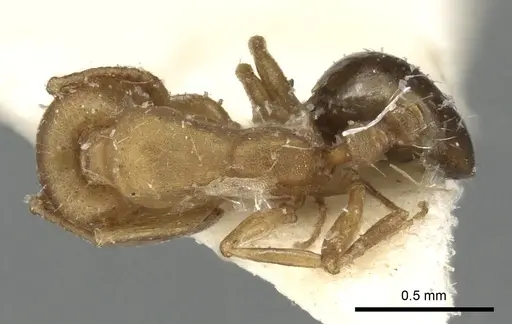
Literatur
Memuat peta distribusi...Memuat produk...