
Monomorium asiriense
- Nama Ilmiah
- Monomorium asiriense
- Tribe
- Solenopsidini
- Subfamili
- Myrmicinae
- Penulis
- Collingwood & Agosti, 1996
- Distribusi
- Ditemukan di 0 negara
Pendahuluan
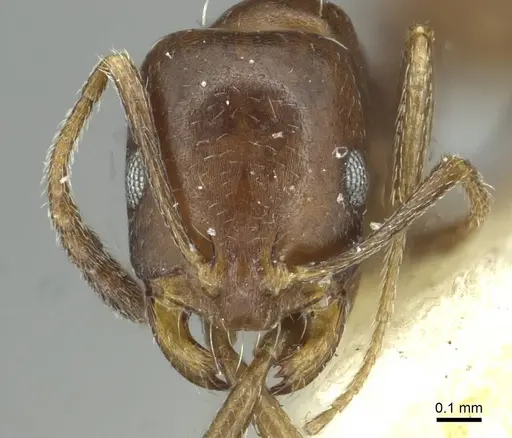
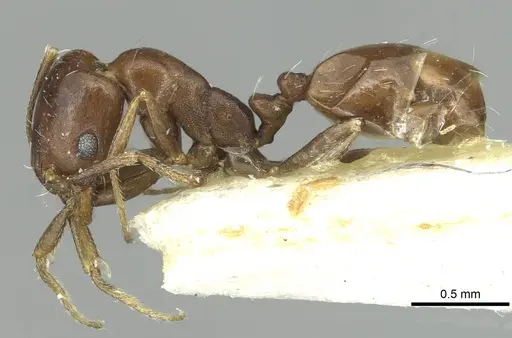
Monomorium asiriense is a small ant endemic to Saudi Arabia, first described in 1996. Workers measure approximately 3.2mm in total length, making them a moderately small species within the Myrmicinae subfamily. The species belongs to the salomonis species group and can be identified by its pale coloration, dense punctulate sculpture on the head and alitrunk, and the distinctive sharp mesopropodeal break. Queens are larger than workers, while males are notably pale with colorless legs and antennae. This species was originally confused with Monomorium abeillei but is both paler in color and more heavily sculptured . Nothing is known about the biology of this ant in the wild. As an endemic species of the Arabian Peninsula, it likely inhabits arid to semi-arid environments typical of that region, but specific requirements remain unstudied .
Quick Summary
- Difficulty: Unknown
- Origin & Habitat: Endemic to Saudi Arabia, with records also from Yemen. Type localities include Bishah, Wadi Shuqub, Al-Tawlah, and An-Naamah in the Asir region. The species inhabits arid to semi-arid environments typical of the Arabian Peninsula [3][1].
- Colony Type: Unknown, colony structure has not been documented in scientific literature.
- Size & Growth:
- Queen: Size data unavailable, queen total length not measured in available literature [2]
- Worker: Workers: approximately 3.2mm total length [1]
- Colony: Unknown, no colony size data available
- Growth: Unknown, no development data exists for this species
- Development: Unknown, no direct data available for this species (Development timeline is unconfirmed. Related species in the genus typically develop from egg to worker in 5-8 weeks under optimal conditions, but M. asiriense specifically has not been studied.)
- Antkeeping:
- Temperature: Unknown, no specific data available. Based on Arabian Peninsula climate, likely tolerates 22-28°C. Start at room temperature and observe colony activity.
- Humidity: Unknown, likely prefers drier conditions given arid origin. Keep nest substrate moderately dry with a dry area available.
- Diapause: Unknown, no data on overwintering requirements. As an Arabian species, may not require true hibernation.
- Nesting: Natural nesting habits are unconfirmed. Likely nests in soil or under stones in arid ground. In captivity, standard test tubes or small nests work well.
- Behavior: Behavior is unstudied. Based on related species, likely generalist foragers that accept a variety of foods. Workers are small so escape prevention should include fine mesh barriers. Temperament is unknown but most Monomorium species are relatively docile.
- Common Issues: no biological data exists, all care recommendations are speculative estimates based on related species, growth rate and development timeline are unknown, making it difficult to assess if a colony is progressing normally, humidity and temperature requirements are unconfirmed, requiring careful observation, this species may be difficult to acquire as it is endemic to Saudi Arabia with limited distribution, without documented captive breeding, establishing a colony may prove challenging
Species Identification and Distinction
Monomorium asiriense was originally described as Monomorium abeillei in earlier literature but was later recognized as a distinct species. The key distinguishing features are its paler coloration and more heavily sculptured surface compared to M. abeillei. Workers measure approximately 3.2mm total length. The species has a distinctly impressed metanotal groove, which creates a sharp mesopropodeal break. The petiole node is a moderately high rounded cone, and the clypeus has a distinct median incision. Workers have one pair of hairs on the pronotum, one on the petiole, and one on the postpetiole, while the first gastral tergite is bare. The head dorsum and alitrunk are densely punctulate, but the nodes and gaster are shining with only superficial sculpture [1][2].
Distribution and Habitat
Monomorium asiriense is endemic to the Arabian Peninsula, specifically found in Saudi Arabia with records from Yemen. The type localities include Bishah, Wadi Shuqub, Al-Tawlah, and An-Naamah, all in the Asir region of Saudi Arabia. The specimens were collected in early April (April 7-8,1983). This distribution suggests the species is adapted to arid to semi-arid conditions typical of the Arabian Peninsula. The specific microhabitats and nesting sites in the wild remain undocumented, but the collection dates and locations suggest the species is active during the spring months in its native range. Nothing is known about seasonal behavior, nesting preferences, or colony locations in the natural environment [3][1][2].
Taxonomic Context
Monomorium asiriense belongs to the Myrmicinae subfamily, specifically the Solenopsidini tribe. It is placed within the salomonis species group, which contains several similar-looking species often found in arid regions. The genus Monomorium is widespread, with species found on every continent except Antarctica. Many species in this genus are small, generalist ants that can adapt to various environments. The salomonis group specifically contains species that are often pale-colored and relatively small. This species was described by Collingwood and Agosti in 1996,with type material including workers, a queen, and a male from multiple localities in Saudi Arabia [1][2].
Defense Mechanism
Monomorium asiriense belongs to the tribe Solenopsidini, which is known for stinging behavior. Members of this tribe inject a potent venom composed mostly of piperidine alkaloids to hunt prey and defend the colony. However, specific defensive behavior for this species has not been documented.
Keeping an Unstudied Species - General Guidance
Since Monomorium asiriense has no documented biology, keeping this species requires a cautious, experimental approach. Start with standard Monomorium care conditions and adjust based on colony response. Keep the nest at room temperature (22-24°C) with a slight heat gradient if the colony seems active. For humidity, err on the drier side, these are Arabian ants adapted to arid conditions. Provide a standard test tube setup with a water reservoir, and ensure the foraging area is simple and easy to clean. Feed a varied diet including sugar water or honey and protein sources like small insects. Observe how the colony responds and adjust conditions accordingly. This species is not recommended for beginners due to the lack of established care protocols, but experienced keepers interested in rare species may find it an interesting challenge.
Related Species for Comparison
While M. asiriense itself has no documented biology, other Monomorium species are well-studied and may share similar requirements. Monomorium pharaonis (the Pharaoh ant) is perhaps the most famous and is known for being highly adaptable. Monomorium salomonis, the type species for the salomonis group, is found across the Mediterranean and Middle East. These related species typically form moderate-sized colonies, are generalist feeders, and can tolerate varied conditions. The salomonis group species generally prefer drier conditions than many other ants. If you cannot find specific information for M. asiriense, consulting care guides for other Arabian Monomorium species or the general Monomorium genus may provide useful starting points. However, remember that this species may have unique requirements that differ from its relatives.
Frequently Asked Questions
How do I care for Monomorium asiriense ants?
Care is speculative since no biological data exists. Start with room temperature (22-24°C), dry to moderately moist conditions, and a varied diet of sugar and protein. Observe your colony and adjust accordingly. This species is not recommended for beginners due to the lack of established protocols.
What do Monomorium asiriense ants eat?
Diet is unconfirmed for this species. Based on related Monomorium species, they likely accept sugar sources (honey, sugar water) and protein (small insects, dead prey). Offer a varied diet and observe what they accept.
How big do Monomorium asiriense colonies get?
Colony size is unknown, no data available for this species.
What temperature do Monomorium asiriense ants need?
Temperature requirements are unconfirmed. Based on Arabian origin,22-28°C is likely suitable. Start at room temperature (22-24°C) and adjust based on colony activity.
How long does it take for Monomorium asiriense to develop from egg to worker?
Development timeline is completely unknown for this species.
Is Monomorium asiriense a good species for beginners?
No. This species is not recommended for beginners due to the complete lack of documented biology and care protocols. All recommendations are speculative estimates based on related species.
Where can I get Monomorium asiriense ants?
This species is endemic to Saudi Arabia with limited distribution. It is unlikely to be available in the antkeeping hobby outside its native range. This species may be difficult to acquire legally and is not commonly kept.
Do Monomorium asiriense queens need hibernation?
Diapause requirements are unknown. As an Arabian species, true hibernation may not be necessary.
What type of nest should I use for Monomorium asiriense?
Nesting preferences are unconfirmed. Use standard test tubes or small nests. Given the likely arid origin, keep the nest relatively dry.
Report an Issue
The current care sheet is based fully on literature. See inconsistencies, or something that's incorrect? Please , it will be resolved after review from an admin. Contributing to the blogs tab also helps providing information, to make us be able to further improve the caresheets. Thank you for your support!
References

Lembar perawatan ini dilisensikan di bawah CC BY-SA 4.0 .
Blog Komunitas
CASENT0913560
Lihat di AntWeb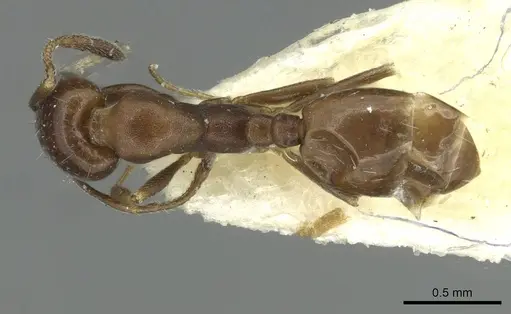
Literatur
Memuat peta distribusi...Memuat produk...