
Messor nahali
- Nama Ilmiah
- Messor nahali
- Tribe
- Stenammini
- Subfamili
- Myrmicinae
- Penulis
- Tohmé & Tohmé, 1981
- Distribusi
- Ditemukan di 0 negara
Pendahuluan
Messor nahali is a harvester ant described in 1981 from Syria . It is also recorded in Iran, where it was found in a low rainfall forest . This species belongs to the Palearctic region and is part of the Aphaenogaster clade . Like other members of the genus Messor, it is presumed to be a seed-harvester, but specific details about its behavior, colony structure, and morphology are not well-documented in the available literature.
Quick Summary
- Difficulty: Medium
- Origin & Habitat: Native to Syria and Iran in the Palearctic region. Recorded in low rainfall forest habitats in Iran, suggesting adaptation to drier conditions [3][4][1].
- Colony Type: Unconfirmed – no data available on queen number or social structure for this species.
- Size & Growth:
- Queen: Size data unavailable – inferred from typical Messor genus, queens are likely around 10–14 mm.
- Worker: Size data unavailable – inferred from typical Messor genus, workers are polymorphic, ranging from ~3–12 mm.
- Colony: Up to several thousand workers – estimated based on typical Messor genus patterns.
- Growth: Moderate – inferred from Messor genus.
- Development: Estimated 8–12 weeks based on typical Messor development at warm temperatures. (Development time is temperature-dependent and has not been confirmed for this species.)
- Antkeeping:
- Temperature: No specific data. Based on Palearctic origin and low rainfall forest habitat, aim for warm conditions around 22–28°C. Provide a gradient if possible.
- Humidity: Low to moderate. These ants come from low rainfall areas, so keep the nest relatively dry. Provide a dry area for seed storage. Avoid high humidity.
- Diapause: Likely required. As a Palearctic species, expect a winter diapause of 2–3 months at 10–15°C, but this has not been confirmed for this species.
- Nesting: Prefers dry, stable nests. Y-tong (AAC), plaster, or naturalistic setups are suitable. Provide multiple chambers, including dry areas for seed storage.
- Behavior: No specific data. Based on the Messor genus, generally docile and non-aggressive. They are seed harvesters. Escape risk is moderate – use standard barriers.
- Common Issues: seed storage mold – keep nest dry to prevent fungal growth., overheating – avoid temperatures above 30°C., winter mortality – improper or missing diapause can be harmful., limited founding data – be patient and avoid disturbance during colony establishment., food spoilage – remove uneaten seeds and protein to prevent mold.
Nest Preferences and Setup
Specific nest preferences for Messor nahali are unknown. Based on the Messor genus, they likely prefer dry, well-ventilated nests. Suitable setups include Y-tong (AAC), plaster, or naturalistic formicaria. Provide multiple chambers to allow separation of brood, seed storage, and resting areas. A dry area is important for seed caching. For founding, a test tube setup can be used, but be aware that the founding method is unconfirmed – the queen may be claustral, requiring isolation for several months.
Feeding and Diet
As a harvester ant, Messor nahali is presumed to feed primarily on seeds and insects, but specific dietary preferences are not documented. In captivity, offer a variety of seeds (grass, millet, cracked sunflower) and supplementary protein sources like small insects (fruit flies, mealworms). Remove uneaten food to prevent mold. Sugar water or honey can be offered occasionally but is not essential.
Temperature and Seasonal Care
No specific temperature data exists for this species. Given its Palearctic distribution [4][3], maintain warm conditions around 22–28°C during the active season. Avoid temperatures above 30°C. A winter diapause of 2–3 months at 10–15°C is likely beneficial, but this has not been confirmed. Gradual temperature changes mimic natural seasonal shifts.
Colony Founding
Colony founding for Messor nahali has not been described. Based on the Messor genus, queens are likely claustral – sealing themselves in a chamber and rearing the first brood on stored reserves. During this period, minimize disturbance. The first workers (nanitics) will be smaller than mature workers. Growth is slow initially. This timeline may take several months.
Behavior and Temperament
No specific behavioral data is available. Based on the Messor genus, Messor nahali is expected to be docile and non-aggressive. Workers are active foragers that collect seeds and small prey. Major workers have enlarged heads for seed crushing but are not defensive. Colony activity increases with temperature. Standard escape barriers are sufficient.
Frequently Asked Questions
Can I keep Messor nahali in a test tube?
Yes, test tubes can be used, but be aware that founding behavior is unconfirmed. If the queen is claustral, she will need isolation for several months. Move to a larger nest when the colony outgrows the tube.
How long until first workers appear in Messor nahali?
Unknown for this species. Based on the Messor genus, expect 8–12 weeks from egg to first worker at warm temperatures, but this is inferred.
What do Messor nahali ants eat?
Presumed seed harvesters – offer various seeds (grass, millet, cracked sunflower) and protein sources like small insects periodically. Remove uneaten food to prevent mold. Specific dietary needs are not documented.
Do Messor nahali ants sting?
Messor ants do not have a functional sting, they bite. However, specific defensive behavior for this species is not recorded. They are generally docile.
Do Messor nahali need hibernation?
Likely yes, as a Palearctic species. Provide a winter diapause of 2–3 months at 10–15°C, but this has not been confirmed. Gradual temperature reduction is recommended.
When should I move Messor nahali to a formicarium?
Move when the test tube becomes crowded. There is no specific worker count recommendation for this species. Choose a formicarium with space for seed storage and dry chambers.
Are Messor nahali good for beginners?
Medium difficulty – suitable for keepers with some antkeeping experience. The limited species-specific information and need for seasonal care make them less ideal for absolute beginners.
How big do Messor nahali colonies get?
Unknown. Based on the Messor genus, mature colonies can reach several thousand workers. They are polymorphic, with larger major workers.
Why are my Messor nahali dying?
30°C), and disturbance during founding. Ensure a dry nest, stable temperature, and minimal interference. Specifics are unknown.
Can I keep multiple Messor nahali queens together?
Unlikely to succeed. Most Messor species are monogyne (single queen), but this has not been confirmed for M. nahali. Do not attempt without evidence of polygyny.
Report an Issue
The current care sheet is based fully on literature. See inconsistencies, or something that's incorrect? Please , it will be resolved after review from an admin. Contributing to the blogs tab also helps providing information, to make us be able to further improve the caresheets. Thank you for your support!
References

Lembar perawatan ini dilisensikan di bawah CC BY-SA 4.0 .
Blog Komunitas
CASENT0913772
Lihat di AntWeb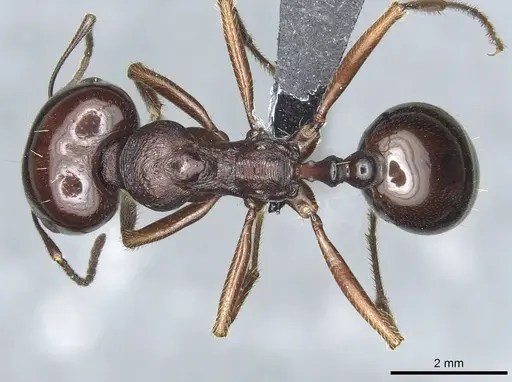
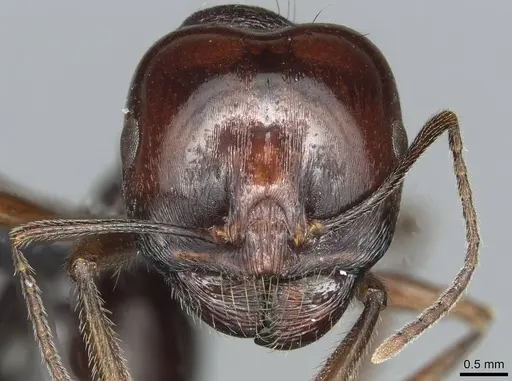
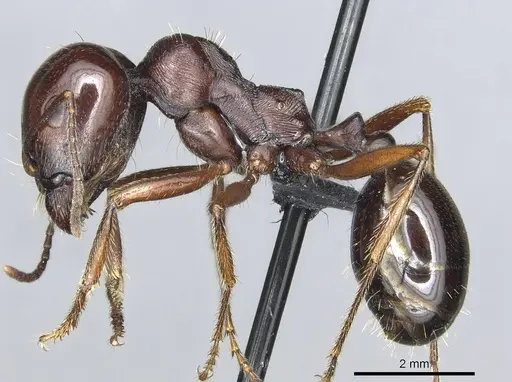
Literatur
Memuat peta distribusi...Memuat produk...