
Lioponera similis
- Nama Ilmiah
- Lioponera similis
- Subfamili
- Dorylinae
- Penulis
- Santschi, 1930
- Distribusi
- Ditemukan di 0 negara
Pendahuluan
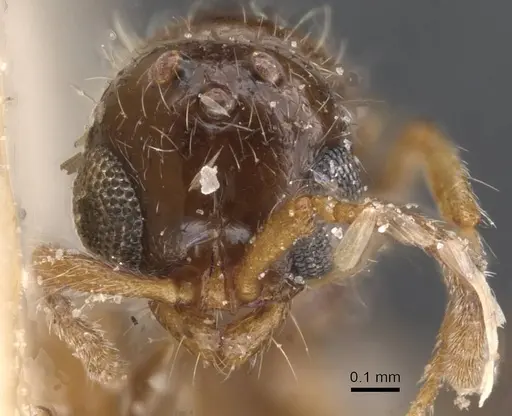
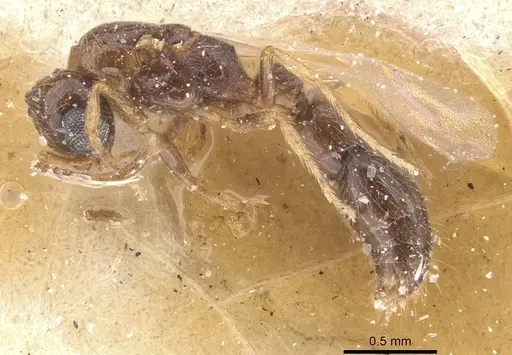
Lioponera similis is a rare African ant species in the subfamily Dorylinae, originally described from Ivory Coast in 1930 by Santschi based on male specimens . The species was transferred from Cerapachys to Lioponera following taxonomic revisions in 2016 . This is one of the most poorly documented ant species in existence - only the male caste has been scientifically described, with no workers or queens documented in any literature . The known distribution is limited to West Africa: Ivory Coast (type locality) and a single record from Mali . The genus Lioponera belongs to Dorylinae, which includes army ants and other predatory species, though the specific habits of L. similis remain completely unstudied.
Quick Summary
- Difficulty: Expert
- Origin & Habitat: West Africa, Ivory Coast and Mali. The Mali record comes from a savanna/forest edge area near the Niger River lagoon [1].
- Colony Type: Unknown, only males have been described scientifically, with no worker or queen caste documented [1]. Dorylinae typically have single-queen colonies, but this is unconfirmed for this species.
- Size & Growth:
- Queen: Undescribed, no queen specimens have been documented [2]
- Worker: Undescribed, no worker specimens have been documented [2]
- Colony: Unknown, colony size has not been studied [2]
- Growth: Unknown
- Development: Unknown, no development data exists for this species (Development timeline unconfirmed due to complete lack of biological studies)
- Antkeeping:
- Temperature: Unknown, no thermal studies exist for this species. Based on West African range, a warm environment around 24-28°C may be appropriate, but this is entirely speculative.
- Humidity: Unknown, no humidity data exists. West African species typically prefer moderate to high humidity, but specific requirements are unconfirmed.
- Diapause: Unknown, no overwintering data exists. Most West African ants do not require true hibernation.
- Nesting: Unknown, no natural nesting observations exist. Most Dorylinae are ground-nesting and predatory, but this is unconfirmed for this species.
- Behavior: Behavior is completely unstudied. Dorylinae species are typically predatory and nomadic, but Lioponera specifically may have different habits. Escape risk cannot be assessed as worker size is unknown.
- Common Issues: no documented worker caste makes captive keeping extremely challenging, complete lack of biological data means all care is speculative, only males have been described, queen and worker identification needed, related species may be difficult to feed, live prey likely required, this species may not survive standard antkeeping conditions without proper research
Species Identification and Taxonomy
Lioponera similis was originally described by Santschi in 1930 from Ivory Coast (type locality: Dimbroko) based on eight syntype male specimens [1]. The species was subsequently moved to Cerapachys by Brown in 1975,then to Lioponera by Borowiec in 2016 during a comprehensive generic revision of Dorylinae [1]. No workers or queens have been scientifically described, this makes the species essentially unidentifiable in the field for antkeepers as the worker caste remains unknown. The Mali record from 2010 represents only the second documented occurrence, with males captured via Malaise trap near the Niger River [1]. A wing venation study was conducted on this species as part of phylogenetic analysis of Dorylinae [3].
Why This Species Is Not Recommended for Antkeepers
Lioponera similis represents one of the most poorly documented ant species available. With only the male caste described scientifically, there is no verifiable way to identify workers or queens that might be collected. This species lacks all fundamental biological data: worker size, colony structure, diet preferences, temperature needs, humidity requirements, or any aspect of their natural history are completely unknown. Keeping this species would essentially be experimental research rather than antkeeping. For these reasons, Lioponera similis is recommended only for advanced antkeepers with research experience who are specifically interested in contributing to biological knowledge. Even then, obtaining properly identified specimens would be extremely difficult. [2]
Related Species and Genus Context
Lioponera is a genus within the Dorylinae subfamily, which includes army ants and other predatory species. While the specific habits of L. similis are unknown, Dorylinae species are typically predatory, hunting insects and small arthropods. Many Dorylinae exhibit nomadic behavior and form relatively small colonies compared to true army ants. The genus revision by Borowiec in 2016 placed several former Cerapachys species into Lioponera based on morphological analysis. Without worker descriptions, placing this species within the genus context is difficult. Related Dorylinae species are known to be aggressive predators with potent stings, but specific defensive behaviors of L. similis are unstudied. [1]
Potential for Future Research
This species represents an opportunity for citizen science contribution. If properly documented specimens become available (particularly workers and queens), they would represent significant scientific contributions as the worker caste remains undescribed. Any antkeeper who successfully maintains this species should document all observations carefully, feeding behaviors, development times, colony structure, and any unique behaviors would be valuable additions to our knowledge. Photographs of live specimens, especially different castes, could help future taxonomic work. The West African distribution suggests this species may be found in other neighboring countries with more documentation available. [2]
Frequently Asked Questions
Can I keep Lioponera similis as a pet ant?
This species is not recommended for typical antkeeping. Only males have been scientifically described, no workers or queens are documented, making proper identification impossible. There is no biological data to guide care, and the species may not be available through legitimate sources.
What do Lioponera similis ants eat?
Diet is completely unstudied for this species. Based on typical Dorylinae patterns, they are likely predatory on small invertebrates, but specific prey preferences are unknown.
How big do Lioponera similis colonies get?
Colony size is unknown. No colony data exists in scientific literature. Dorylinae colonies vary widely from dozens to thousands of workers depending on the species.
What temperature should I keep Lioponera similis at?
No thermal data exists for this species. Based on West African distribution, a warm environment around 24-28°C is a reasonable starting point, but success is uncertain without proper research.
Where does Lioponera similis live?
The species is known from West Africa, Ivory Coast (type locality) and a single record from Mali. The Mali specimen was caught near the Niger River in a savanna/forest edge area.
Is Lioponera similis a good beginner ant?
No. This species is absolutely not suitable for beginners or even intermediate antkeepers. There is no worker description, no biological data, and no established care protocols. This is an expert-level species that requires research-grade documentation.
How long does it take for Lioponera similis to develop from egg to worker?
The egg-to-worker development timeline is completely unknown. No brood development has been documented for this species.
Can I keep multiple Lioponera similis queens together?
Colony structure is unstudied. We do not know whether this species is single-queen or multi-queen. Combining unrelated queens is not recommended without any data to guide the decision.
Does Lioponera similis need hibernation?
Diapause requirements are unknown. West African ants typically do not require true hibernation but may have reduced activity during cooler seasons.
Report an Issue
The current care sheet is based fully on literature. See inconsistencies, or something that's incorrect? Please , it will be resolved after review from an admin. Contributing to the blogs tab also helps providing information, to make us be able to further improve the caresheets. Thank you for your support!
References

Lembar perawatan ini dilisensikan di bawah CC BY-SA 4.0 .
Blog Komunitas
CASENT0911264
Lihat di AntWeb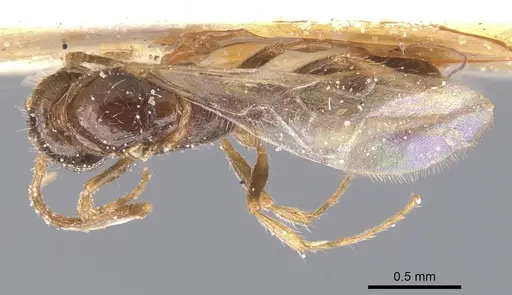
Literatur
Memuat peta distribusi...Memuat produk...