
Leptomyrmex rufithorax
- Nama Ilmiah
- Leptomyrmex rufithorax
- Tribe
- Leptomyrmecini
- Subfamili
- Dolichoderinae
- Penulis
- Forel, 1915
- Distribusi
- Ditemukan di 1 negara
Pendahuluan
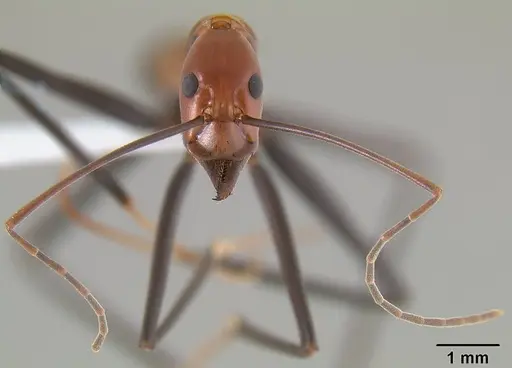
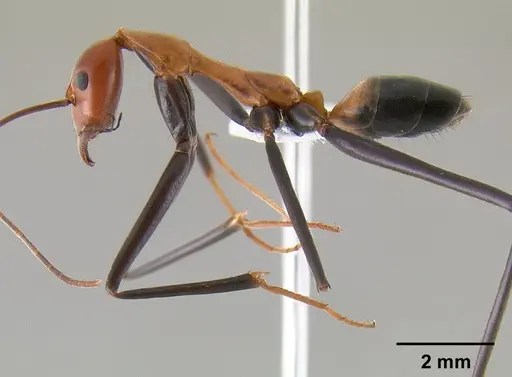
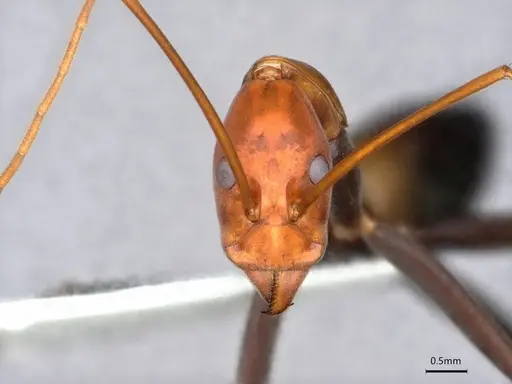
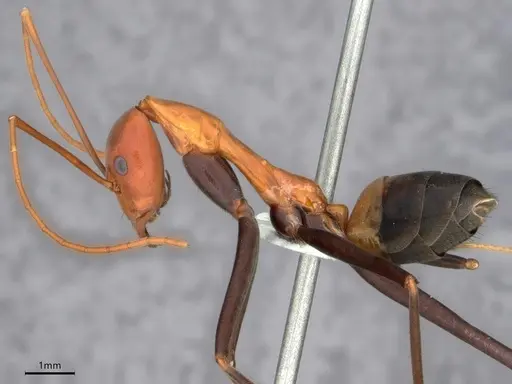
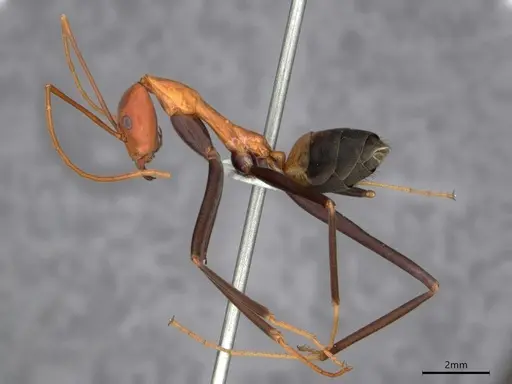
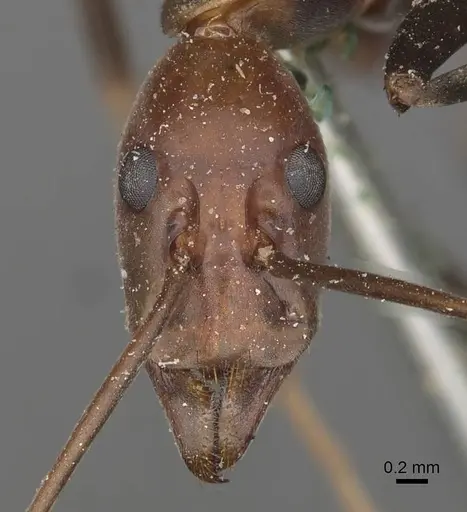
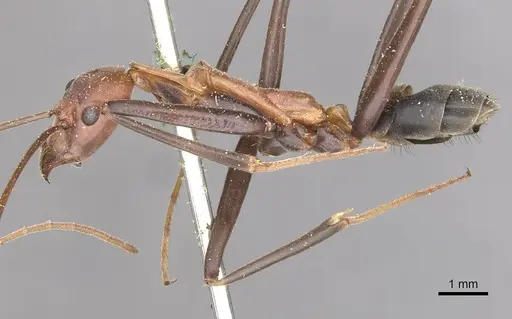
Leptomyrmex rufithorax is a large ant species native to central- and south-east Queensland, Australia. Workers have a distinctive appearance with a bright reddish-orange head, mesosoma, and first gastral segment, contrasting with their black legs and most of the gaster. They belong to the 'macro' clade of Leptomyrmex, characterized by an elongated body and notably long legs that give these ants their common name 'spider ants.' Workers have a broad head that lacks the neck-like constriction seen in many other ant species . Queens are more robust with a broader head, three ocelli, and a globose gaster . This species nests in soil, under logs, and under rocks across rainforests, wet sclerophyll, and dry sclerophyll habitats .
Quick Summary
- Difficulty: Medium
- Origin & Habitat: Central- and south-east Queensland, Australia. Found in rainforest, wet sclerophyll, and dry sclerophyll habitats. Nests in soil, under logs, and under rocks [1].
- Colony Type: Colony structure is unconfirmed for this species. Ergatoid (wingless) queens have been documented in related Leptomyrmex species [1].
- Size & Growth:
- Queen: Size data unavailable, queens are described as robust and voluminous with a broader head and globose gaster than workers [1].
- Worker: Size data unavailable, workers are described as large with broad head. WL (mesosoma) measurements of 4.04-4.35mm suggest a large macro-Leptomyrmex species [1].
- Colony: Colony size is unconfirmed for this species. Related macro-Leptomyrmex species typically reach several hundred workers.
- Growth: Moderate, large species with extended development expected based on genus patterns.
- Development: Estimated 8-12 weeks based on typical Dolichoderinae development at optimal temperature. (Development time is estimated based on related large-bodied Leptomyrmex species. Exact timing for this species has not been directly studied.)
- Antkeeping:
- Temperature: Keep at 22-26°C. This species comes from subtropical Queensland, so aim for warm conditions with a gentle gradient. Room temperature in most homes should work well, or use a heating cable on one side of the nest if needed.
- Humidity: Moderate to high. They naturally occur in rainforests and wet sclerophyll, so keep the nest substrate moist but not waterlogged. Provide a water tube for drinking.
- Diapause: Unknown for this specific species. Queensland experiences mild winters, so a cool period around 15-18°C for 2-3 months may benefit colonies, but this is not confirmed.
- Nesting: They nest in soil, under logs, and under rocks in the wild. In captivity, a Y-tong (AAC) nest or naturalistic setup with soil and hiding spots works well. They prefer tight, dark chambers but will use various nest types.
- Behavior: Leptomyrmex ants are generally docile and not aggressive. They are active foragers that search for food on the ground and may tend aphids for honeydew. They lack a functional sting but can secrete defensive compounds from a slit-like opening at the tip of the abdomen as their primary defense mechanism. Escape risk is moderate, their large size makes them easy to contain, but they are fast movers. Use standard escape prevention.
- Common Issues: colonies may be slow to establish due to their large body size and extended development period, wild-caught colonies can carry parasites that cause colony collapse in captivity, overheating can be fatal, avoid temperatures above 30°C despite their warm origin, queens may be difficult to locate as they nest in concealed locations underground
Nest Preferences
In the wild, Leptomyrmex rufithorax nests in soil, under logs, and under rocks across Queensland's rainforests and sclerophyll forests. They prefer concealed nesting sites with stable humidity. In captivity, they adapt well to various nest types. Y-tong (AAC) nests work well because they provide the dark, tight chambers these ants prefer. Naturalistic setups with soil substrate and decorative hiding spots also work well. Avoid very dry conditions, these ants come from habitats with regular moisture. A test tube setup can work for founding colonies, but transfer to a more spacious formicarium once the colony reaches 20-30 workers. [1]
Feeding and Diet
Leptomyrmex rufithorax is an omnivorous forager. In nature, they likely feed on honeydew from aphids and scale insects, collect nectar, and hunt small invertebrates. In captivity, offer a varied diet: sugar water or honey as a constant energy source, and protein-rich foods like mealworms, small crickets, or other insects. They are large ants with robust mandibles, so they can handle prey items bigger than what tiny ants can manage. Feed protein 2-3 times per week, and keep sugar water available at all times. Remove uneaten prey after 24 hours to prevent mold.
Temperature and Seasonal Care
This species comes from subtropical Queensland, Australia, where temperatures are warm year-round. Keep your colony at 22-26°C for optimal activity and development. They can tolerate slightly cooler conditions down to around 18°C but will become less active. Avoid temperatures above 30°C as this can stress or kill colonies. A heating cable on one side of the nest can create a temperature gradient, allowing ants to self-regulate. Place the heating on top of the nest, not underneath, to prevent excessive drying. During Australian winter (June-August), Queensland experiences mild temperatures around 15-20°C, so a brief cool period may be beneficial but is not required in captivity. [1]
Behavior and Colony Dynamics
Leptomyrmex ants are known for their distinctive long-legged, spider-like appearance and relatively docile temperament. Workers are active foragers that search systematically for food. They lack a functional sting but possess defensive glands that can secrete compounds from a slit-like opening at the tip of the abdomen, this is their primary defense mechanism. Colonies grow moderately, with the queen laying eggs continuously once established. The first workers (nanitics) will be smaller than mature workers but should quickly be replaced by larger individuals as the colony matures. Queens are robust and long-lived, potentially living for many years. These ants are not aggressive toward keepers and can be handled gently, though they should not be provoked. [1]
Growth and Development
As a large species in the macro-Leptomyrmex clade, L. rufithorax has an extended development timeline compared to smaller ants. While exact egg-to-worker time is unconfirmed for this species, estimates based on related Dolichoderinae suggest 8-12 weeks at optimal temperature. The queen will remain sealed in her founding chamber until the first workers emerge. Initial nanitics will be smaller but the colony should rapidly produce larger workers afterward. Growth rate is moderate, patience is required during the founding phase. Once established with 50+ workers, colonies typically grow more steadily. Provide consistent warmth and good nutrition to support development. [1]
Frequently Asked Questions
How long does it take for Leptomyrmex rufithorax to produce first workers?
Based on related species, expect 8-12 weeks from egg to first worker at optimal temperature (22-26°C). The exact timeline for this species has not been directly studied, so patience is required during the founding phase.
What do Leptomyrmex rufithorax ants eat?
They are omnivores. Offer sugar water or honey constantly for energy, and protein sources like mealworms, small crickets, or other insects 2-3 times per week. They likely also collect honeydew in the wild.
What temperature do Leptomyrmex rufithorax need?
Keep them at 22-26°C. They come from subtropical Queensland and prefer warm conditions. Avoid temperatures above 30°C.
Are Leptomyrmex rufithorax good for beginners?
They are rated as medium difficulty. They are larger and more visible than many ant species, which makes them interesting to watch. However, their slower growth and specific temperature needs may challenge complete beginners.
How big do Leptomyrmex rufithorax colonies get?
Colony size is not precisely documented for this species, but related macro-Leptomyrmex species typically reach several hundred workers. Queens are long-lived and colonies can persist for many years.
Can I keep multiple Leptomyrmex rufithorax queens together?
Colony type is unconfirmed for this species. Combining unrelated queens is not recommended as they would likely fight. Only keep one queen per colony unless you observe evidence of multi-queen tolerance.
What type of nest should I use for Leptomyrmex rufithorax?
Y-tong (AAC) nests work well because they provide the dark, tight chambers these ants prefer. Naturalistic setups with soil and hiding spots are also suitable. They nest under rocks and logs in the wild, so they appreciate concealed spaces.
Do Leptomyrmex rufithorax need hibernation?
Diapause requirements are unconfirmed for this species. Queensland winters are mild, so a cool period at 15-18°C for 2-3 months may benefit established colonies but is not strictly required in captivity.
Where is Leptomyrmex rufithorax found in the wild?
Central- and south-east Queensland, Australia. They live in rainforests, wet sclerophyll, and dry sclerophyll forests, nesting in soil, under logs, and under rocks.
Why is my Leptomyrmex rufithorax colony dying?
Common causes include: temperatures too high (above 30°C) or too low, dry nest conditions, mold from overwatering, parasites from wild-caught colonies, or poor nutrition. Check temperature and humidity first, then review feeding schedule.
When should I move my colony to a formicarium?
Move from a test tube setup to a formicarium once the colony reaches 20-30 workers or when the test tube becomes crowded. Make sure the formicarium has appropriate humidity and dark chambers.
Report an Issue
The current care sheet is based fully on literature. See inconsistencies, or something that's incorrect? Please , it will be resolved after review from an admin. Contributing to the blogs tab also helps providing information, to make us be able to further improve the caresheets. Thank you for your support!
References

Lembar perawatan ini dilisensikan di bawah CC BY-SA 4.0 .
Blog Komunitas
CASENT0011895
Lihat di AntWeb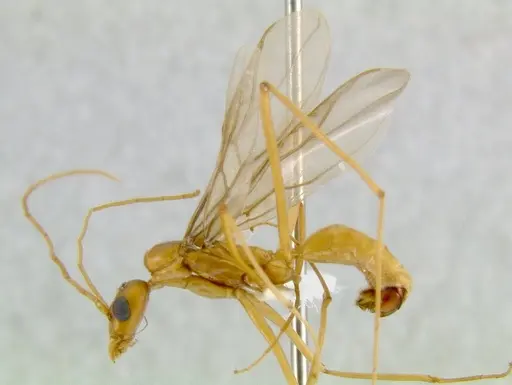
CASENT0011899
Lihat di AntWeb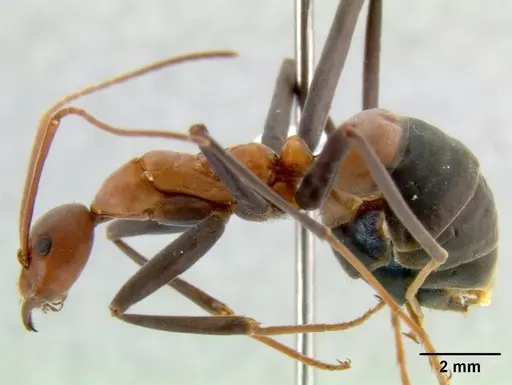
CASENT0012232
Lihat di AntWeb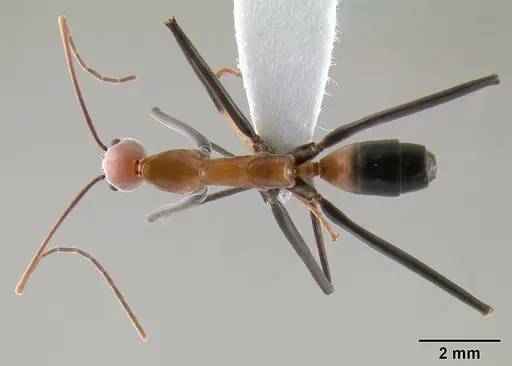
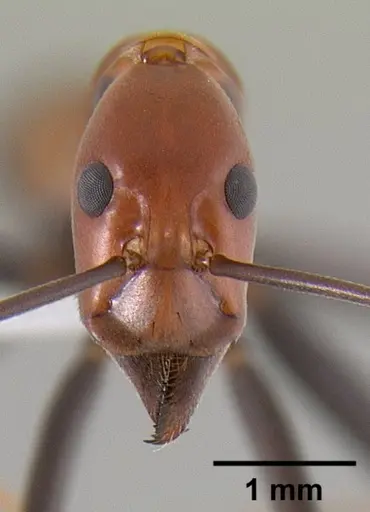
CASENT0841232
Lihat di AntWeb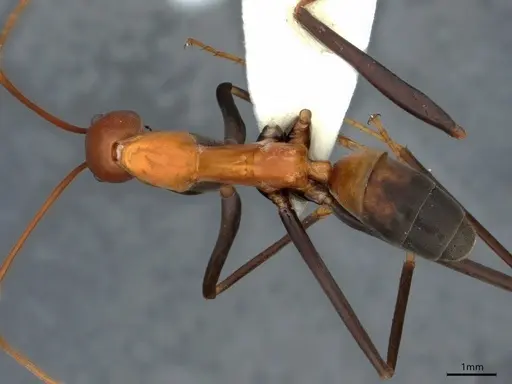
CASENT0909491
Lihat di AntWeb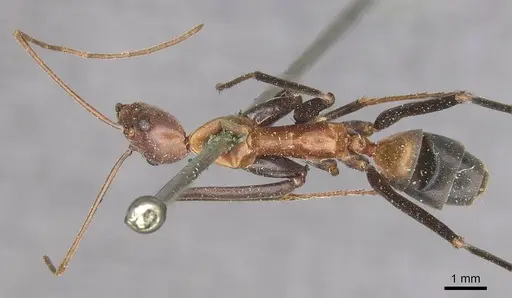
Literatur
Memuat peta distribusi...Memuat produk...