
Leptogenys rabesoni
- Nama Ilmiah
- Leptogenys rabesoni
- Tribe
- Ponerini
- Subfamili
- Ponerinae
- Penulis
- Rakotonirina & Fisher, 2014
- Distribusi
- Ditemukan di 0 negara
Pendahuluan
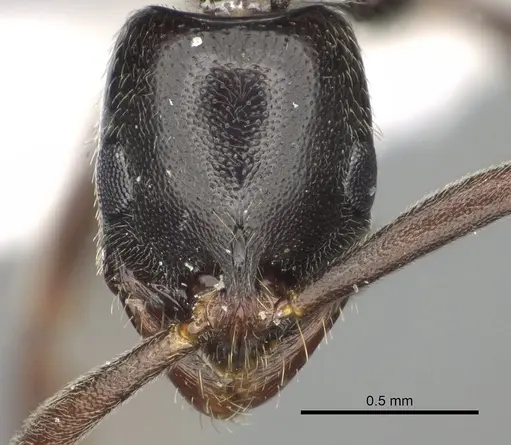
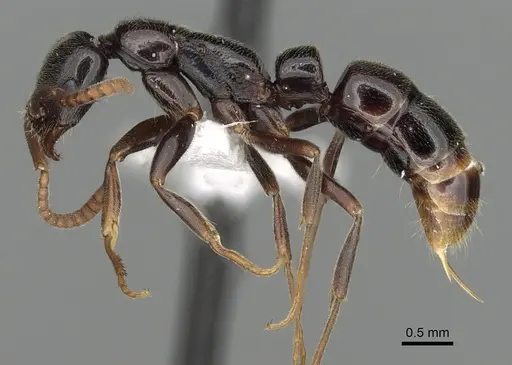
Leptogenys rabesoni is a small predatory ant species native to the dry forests of western Madagascar. Workers are documented with head measurements of 0.77-0.81mm width and 1.07-1.10mm length, with a mesosoma length of 1.60-1.70mm . They belong to the fiandry species group and can be identified by their distinctive longitudinally striate mandibles - a unique trait that sets them apart from other species in their group which have smooth, shiny mandibles . The body is mostly punctate (covered in tiny dots), and they have a small tooth-like lobe on the rear of their propodeum. These ants are ground-foragers, found hunting in the leaf litter of dry forest habitats at Tsiombikibo near Mitsinjo . This species is known from a single collection in the Tsiombikibo Forest in western Madagascar, making it one of the rarer Leptogenys species. Like other Ponerinae ants, they are predatory and use their sting to subdue prey. Their small size and specialized habitat requirements make them a challenging species to keep, best suited for experienced antkeepers interested in unusual species.
Quick Summary
- Difficulty: Expert
- Origin & Habitat: Western Madagascar, dry forest habitat at Tsiombikibo near Mitsinjo in the Mahajanga region [1]. These ants live in tropical dry forests where they forage on the ground surface.
- Colony Type: Colony structure is unconfirmed. Further research is needed to confirm whether they form single-queen or multi-queen colonies.
- Size & Growth:
- Queen: Unknown, queen has not been described in scientific literature
- Worker: Size data unavailable, only head measurements (0.77-0.81mm width) and mesosoma length (1.60-1.70mm) are documented [1]
- Colony: Unknown
- Growth: Unknown
- Development: Unconfirmed, no development data exists for this species (Development timeline is unknown since no species-specific research exists.)
- Antkeeping:
- Temperature: Keep at 24-28°C, they come from tropical Madagascar and need warm conditions. A gentle gradient allowing workers to self-regulate is ideal.
- Humidity: Moderate humidity around 60-70%. Their dry forest habitat suggests they do not need constant saturation, but the nest substrate should not dry out completely. Provide some drier areas for the ants to choose from.
- Diapause: No, Madagascar is tropical with year-round warm temperatures. They do not require a winter dormancy period.
- Nesting: They naturally nest in soil or under stones in forest floor habitats. In captivity, a test tube setup works well for founding colonies. Once established, a small formicarium with moist substrate allows them to create tunnels. Keep chambers relatively small to match their tiny size.
- Behavior: Leptogenys rabesoni is a predatory ant species that actively hunts small invertebrates on the ground. Like other Ponerinae, they have a functional sting which they use to subdue prey. Workers are likely solitary foragers, searching for prey individually rather than using group recruitment. They are probably moderately aggressive when defending their nest but their small size means they pose minimal sting risk to humans. Escape prevention should be excellent due to their tiny size, they can easily slip through standard gaps in formicarium setups.
- Common Issues: tiny size means escapes are likely without fine mesh barriers and tight-fitting lids, predatory diet makes feeding challenging, they need live small prey regularly, limited availability since the species is only known from a single wild collection, dry forest origins mean they can suffer from excessive humidity and mold, slow colony growth requires patience, beginners often give up before colonies establish
Housing and Nest Setup
Leptogenys rabesoni requires careful housing due to their very small size. For founding colonies, a standard test tube setup works well, fill the tube about one-third with water, plug with cotton, and provide a small foraging area. The small chambers of test tubes match their tiny dimensions. Once the colony grows, transfer to a small formicarium with narrow tunnels and chambers. Use fine mesh on any ventilation holes, these ants can squeeze through gaps that seem impossibly small. A naturalistic setup with a soil layer allows them to create their own tunnels, which mimics their natural forest floor nesting. Avoid tall, open spaces which can stress small colonies. [1]
Feeding and Diet
As a Ponerinae ant, L. rabesoni is predatory and needs a protein-based diet. Feed small live prey such as fruit flies, pinhead crickets, small mealworms, and other tiny arthropods. They are likely specialized hunters of small invertebrates found in leaf litter. Offer prey every 2-3 days, removing any uneaten prey within 24 hours to prevent mold. Sugar sources are not typically important for Ponerinae ants, though you can occasionally offer a drop of diluted honey or sugar water to see if they accept it. Fresh water should always be available. [1]
Temperature and Humidity
Maintain temperatures between 24-28°C, mimicking the warm conditions of their Madagascar habitat. A heating cable on one side of the nest creates a temperature gradient so workers can move between warmer and cooler areas as needed. For humidity, aim for 60-70%, they come from dry forest habitats but still need some moisture. Keep the nest substrate lightly moist but not waterlogged. Allow some areas to dry out between misting so the ants can choose their preferred humidity zone. Avoid cold drafts and temperatures below 20°C, which can slow or stop brood development. [1]
Behavior and Foraging
Leptogenys rabesoni is an active ground-foraging predator. Workers hunt alone, searching leaf litter and soil surface for small arthropods to sting and carry back to the nest. Unlike some ants that use chemical recruitment, they likely forage individually. When threatened, they may use their sting, though given their tiny size, the sting is unlikely to penetrate human skin significantly. They are not aggressive toward humans but will defend their nest if disturbed. Their small size and solitary foraging style means they are fascinating to watch but may be less visually impressive than larger, more social ant species. [1]
Colony Establishment
Establishing a colony of L. rabesoni requires patience and dedication. Since the species is only known from a single wild collection, captive colonies are extremely rare. If you obtain a founding queen, she will need to be kept in a quiet, dark location with minimal disturbance. Provide a small prey item once a week during the founding stage. Expect the first workers to take several months to emerge. Growth is likely slow, these are not fast-growing species. Once workers emerge, the colony can gradually expand. Do not combine unrelated queens as Leptogenys can be aggressive toward each other. [1]
Defense Mechanism
Leptogenys rabesoni has a functional sting as all Ponerinae ants do. This is a primitive subfamily known for their hunting behavior and ability to sting predators. The sting injects peptide-rich venom that is painful to vertebrates.
Legal and Ethical Considerations
Leptogenys rabesoni is native to Madagascar and is not established in the pet trade. If you obtain this species, ensure it was legally collected and exported. Never release this ant species in any location outside Madagascar, they are not native to any other country and could become invasive or spread diseases to native ant populations. Always check your local regulations regarding ant keeping, as some areas have restrictions on keeping exotic species. [1]
Frequently Asked Questions
How long does it take for Leptogenys rabesoni to produce first workers?
The exact timeline is unconfirmed for this species. Expect several months from founding to first workers emerging. This is a slow process that requires patience.
What do Leptogenys rabesoni ants eat?
They are predatory ants that need live small prey. Offer fruit flies, tiny crickets, springtails, and other small arthropods. Remove uneaten prey within 24 hours. Sugar water may be occasionally accepted but is not a primary food source.
What temperature do Leptogenys rabesoni need?
Keep them warm at 24-28°C. They come from tropical Madagascar and need consistent warmth. A heating cable on part of the nest creates a gradient for self-regulation.
Are Leptogenys rabesoni good for beginners?
No, this is an expert-level species. They are extremely rare in the hobby, have very specific temperature and humidity needs, require live prey feeding, and grow very slowly. They are best suited for experienced antkeepers interested in unusual species.
How big do Leptogenys rabesoni colonies get?
Colony size is unknown. They are not known to form large colonies.
Can I keep multiple Leptogenys rabesoni queens together?
This has not been documented. Based on typical Leptogenys behavior, it is not recommended to combine unrelated foundress queens as they may fight.
Do Leptogenys rabesoni need hibernation?
No, they come from tropical Madagascar and do not require a diapause period. Keep them warm year-round at 24-28°C.
What size enclosure do Leptogenys rabesoni need?
Start with a test tube for founding colonies. Once established, a small formicarium with narrow tunnels and chambers works well. The key is keeping spaces small to match their tiny body size, avoid large, open areas.
Why is Leptogenys rabesoni so rare in the antkeeping hobby?
This species is only known from a single collection in the wild in western Madagascar. It has rarely, if ever, been exported for the hobby. Most antkeepers have never had the opportunity to keep this species.
How do I prevent Leptogenys rabesoni from escaping?
Use excellent escape prevention due to their tiny size. Apply fluon or similar barriers to the rim of any enclosure. Use fine mesh on any ventilation, these ants can squeeze through gaps smaller than 1mm. Check all connections and lid seals regularly.
What humidity level do Leptogenys rabesoni need?
Aim for moderate humidity around 60-70%. Their dry forest habitat means they do not need constant saturation, but the nest substrate should remain lightly moist. Provide some drier areas so ants can self-regulate.
Report an Issue
The current care sheet is based fully on literature. See inconsistencies, or something that's incorrect? Please , it will be resolved after review from an admin. Contributing to the blogs tab also helps providing information, to make us be able to further improve the caresheets. Thank you for your support!
References

Lembar perawatan ini dilisensikan di bawah CC BY-SA 4.0 .
Blog Komunitas
CASENT0195430
Lihat di AntWeb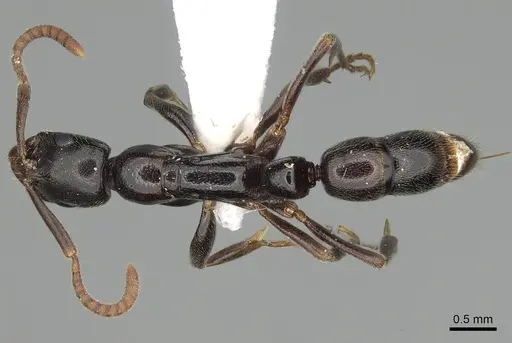
Literatur
Memuat peta distribusi...Memuat produk...