
Leptogenys lohahela
- Nama Ilmiah
- Leptogenys lohahela
- Tribe
- Ponerini
- Subfamili
- Ponerinae
- Penulis
- Rakotonirina & Fisher, 2014
- Distribusi
- Ditemukan di 0 negara
Pendahuluan
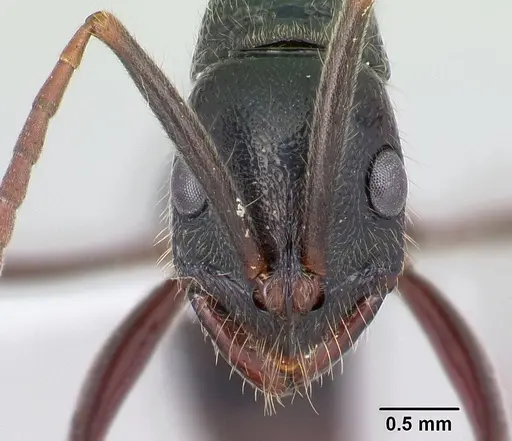
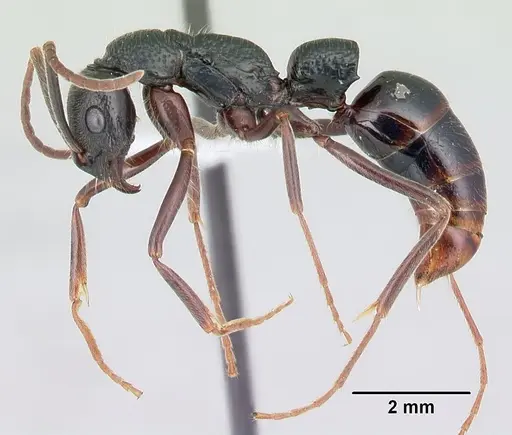
Leptogenys lohahela is a small ponerine ant endemic to the montane rainforests of southern Madagascar, specifically the Andohahela National Park . Workers belong to the saussurei group and are characterized by large eyes, a distinctly sculptured head and mesosoma, and a small sharp tooth on the petiolar node . This species forages on the forest floor and nests in rotting tree stumps . Like other Leptogenys species, they are predatory hunters that play a role in controlling small invertebrate populations in their native ecosystem.
Quick Summary
- Difficulty: Medium
- Origin & Habitat: Montane rainforest in southern Madagascar (PN Andohahela), elevation approximately 900m. This is a tropical rainforest environment with high humidity .
- Colony Type: Colony structure is unconfirmed. Based on typical Leptogenys patterns, likely single-queen colonies.
- Size & Growth:
- Queen: Size data unavailable, queen size has not been documented in available literature.
- Worker: Approximately 6-9mm total length, inferred from typical Leptogenys worker size range .
- Colony: Size data unavailable, no colony size data exists for this species.
- Growth: Growth rate is unconfirmed.
- Development: Development timeline is unconfirmed for this species. (Specific development data is not available.)
- Antkeeping:
- Temperature: Keep at 24-28°C, this is a tropical rainforest species from Madagascar. A heating cable on one side of the nest creates a suitable gradient.
- Humidity: High humidity is essential. Keep the nest substrate consistently moist but not waterlogged. This species naturally inhabits damp forest floor environments .
- Diapause: Unlikely, as a tropical species from Madagascar, they probably do not require a true hibernation period.
- Nesting: In nature, they nest in rotting tree stumps. In captivity, a moist Y-tong (AAC) nest or plaster nest with high humidity works well. Provide damp substrate like coconut fiber or soil mix .
- Behavior: Leptogenys are predatory ants with stinging capabilities. Workers forage on the forest floor, hunting small invertebrates. They possess a stinger for subduing prey and defense. Their large eyes suggest active hunting behavior. Escape risk is moderate, standard barrier precautions are sufficient.
- Common Issues: high humidity maintenance is critical, drying out can kill colonies quickly, predatory diet means they need regular live prey, sugar alone is insufficient, slow founding phase means patience is required, stinging capability means caution is needed when handling
Housing and Nest Setup
Leptogenys lohahela requires high humidity housing that mimics their natural rotting stump environment. A Y-tong (AAC) nest or plaster nest works well, with the ability to maintain consistent moisture. The nest should have chambers scaled appropriately for their worker size. Provide a water reservoir connected to the nest to maintain humidity over time. The outworld should be simple with a foraging area and access to protein prey. Use standard escape prevention like fluon on container edges.
Feeding and Diet
As a ponerine ant, Leptogenys lohahela is primarily predatory and requires protein-rich food. Offer small live prey such as fruit flies, small crickets, mealworms, or other tiny invertebrates. They are likely specialized predators that hunt small arthropods on the forest floor. Sugar sources like honey or sugar water may be accepted occasionally but should not be the primary food source. Feed protein prey several times per week, removing uneaten prey after 24 hours to prevent mold. Fresh water should always be available.
Temperature and Humidity
This species comes from montane rainforest in southern Madagascar, so warmth and humidity are both essential. Maintain temperatures between 24-28°C using a heating cable if room temperature is lower. A temperature gradient allows the ants to regulate their own exposure to heat. Humidity should be high, the nest substrate should feel consistently moist. Mist the nest occasionally if needed, but avoid standing water. Good ventilation helps prevent mold while maintaining humidity. Monitor both conditions regularly, as improper humidity is a common cause of colony failure.
Colony Development and Founding
The founding phase for Leptogenys lohahela is unconfirmed. The queen will need access to prey while raising the first brood. Expect the initial colony growth to be slow as the queen raises her first brood alone. Once established, growth rate should increase as more workers can forage and care for subsequent broods.
Behavior and Temperament
Leptogenys lohahela is a predatory ant that forages on the forest floor in its natural habitat. Workers are active hunters, using their large eyes to locate prey . They possess a stinger for subduing prey and for defense. While not aggressive toward humans, they can sting if handled roughly or if the nest is threatened. Workers likely communicate through chemical signals and may use tandem-running to recruit nestmates to food sources. The colony will become more active and visible as it grows, with workers patrolling the outworld in search of prey.
Frequently Asked Questions
How long does it take for Leptogenys lohahela to raise first workers?
Specific development timeline data is not available for this species. Expect a slow founding phase as the queen raises her first brood alone.
What do Leptogenys lohahela ants eat?
They are predatory ants that need protein-rich food. Offer small live prey like fruit flies, small crickets, mealworms, or other tiny invertebrates. Sugar water or honey may be accepted occasionally but should not be the primary food source.
What humidity level do Leptogenys lohahela ants need?
High humidity is essential, keep the nest substrate consistently moist but not waterlogged. This species naturally lives in damp rainforest floor environments. A moist Y-tong or plaster nest works well.
Can I keep Leptogenys lohahela in a test tube?
Test tubes are not ideal for this species due to their high humidity requirements and predatory nature. A moist Y-tong (AAC) nest or plaster formicarium with a connected outworld for foraging is more suitable.
Are Leptogenys lohahela ants good for beginners?
This species is rated as Medium difficulty. While not the easiest species, experienced beginners can succeed with proper humidity and temperature control. Their predatory diet and humidity needs require more attention than sugar-feeding species.
What temperature should I keep Leptogenys lohahela at?
Keep them at 24-28°C. This is a tropical rainforest species from Madagascar that needs warmth. A heating cable on one side of the nest can create a suitable temperature gradient.
How big do Leptogenys lohahela colonies get?
Colony size data is not available for this specific species. Growth depends on proper feeding and conditions.
Do Leptogenys lohahela ants need hibernation?
No, they likely do not require hibernation. As a tropical species from Madagascar, they do not experience cold winters.
Why is my Leptogenys lohahela colony dying?
The most common causes are: drying out (low humidity kills them quickly), insufficient protein prey (they need regular live food), and stress during the founding phase. Ensure high humidity, consistent warmth, and proper prey availability.

Lembar perawatan ini dilisensikan di bawah CC BY-SA 4.0 .
Blog Komunitas
CASENT0001203
Lihat di AntWeb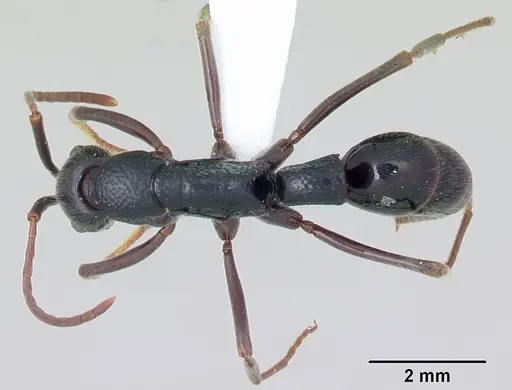
Literatur
Memuat peta distribusi...Memuat produk...