
Leptogenys linda
- Nama Ilmiah
- Leptogenys linda
- Tribe
- Ponerini
- Subfamili
- Ponerinae
- Penulis
- Lattke, 2011
- Distribusi
- Ditemukan di 0 negara
Pendahuluan
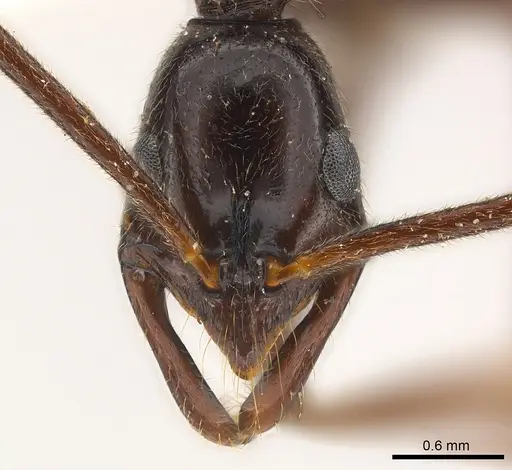
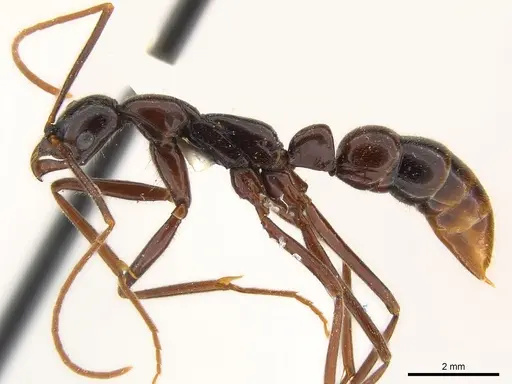
Leptogenys linda is a large Ponerine ant species described from a single worker specimen collected in Medina, Cundinamarca, Colombia. Workers are notably large for the genus with a distinctive smooth and shining body sculpture that sets them apart from other species in the luederwaldti group. They have an elongated head, long antennae that extend well past the rear of the head, and a well-defined constriction between abdominal segments. The body is mostly brown with ferruginous (rust-colored) legs and antennae. The species name 'linda' means beautiful in Spanish, referring to the ant's sleek appearance. This species remains known only from its type locality in Colombia, making it one of the most poorly documented ants in the hobby .
Quick Summary
- Difficulty: Expert
- Origin & Habitat: Native to the Neotropical region of Colombia, specifically Cundinamarca department at the type locality Medina. As a Ponerine ant from highland Colombia, they likely inhabit humid forest environments at moderate elevations in the eastern Andes.
- Colony Type: Unknown, only a single worker has ever been documented. No queens, males, or colony samples have been observed.
- Size & Growth:
- Queen: Size data unavailable, queens have never been documented [3]
- Worker: Size data unavailable, the only specimen measured 1.89mm head length and 3.27mm mesosoma length, but total body length (TL) was not recorded [3]
- Colony: Unknown, no colony data exists
- Growth: Unknown, no development data available
- Development: Unknown, no biological data exists for this species (No development data exists. All timelines are estimates based on genus-level patterns.)
- Antkeeping:
- Temperature: Based on Colombian highland origin, aim for warm but not tropical conditions, roughly 22-26°C. Avoid overheating. Room temperature in most homes should work well, with a heating cable as optional backup for colder climates.
- Humidity: Ponerines from humid forest habitats typically need moderate to high humidity. Keep the nest substrate consistently moist but not waterlogged. Provide a water tube and ensure some condensation appears in the outworld.
- Diapause: Unknown, no seasonal data exists for this species. Colombian ants from highland areas may experience reduced activity during cooler months but likely do not require true hibernation. Consider a cool period of reduced feeding during winter months if the colony shows decreased activity.
- Nesting: No natural nesting data exists. Based on genus patterns, they likely nest in soil or under stones in humid environments. A Y-tong (AAC) nest or plaster nest with good moisture retention works well for Ponerines. Keep chambers appropriately scaled to their large worker size.
- Behavior: No behavioral observations exist for this species in captivity or the wild. Based on genus patterns, Leptogenys are typically aggressive predators with potent stings. They are likely nocturnal or crepuscular foragers, hunting other insects. Their large size suggests they may take larger prey than typical micro-ant predators. Exercise extreme caution, Ponerine stings can be quite painful and may cause localized swelling. Escape prevention is important given their size and strength, though they are not tiny ants so standard barriers typically suffice.
- Common Issues: no biological data exists, this is one of the least-known ants in the hobby, making care entirely speculative, queens have never been documented, wild colonies may be impossible to locate, aggressive predators with potent stings, handle with extreme care, humidity management is critical, too dry and colonies fail, too wet and mold becomes a problem, only known from a single specimen, no captive colonies exist
Species Overview and Identification
Leptogenys linda is a striking Ponerine ant that was only described in 2011 by J.E. Lattke, making it one of the more recently described ant species available in the hobby. What makes this species immediately recognizable is its exceptionally smooth and shining body, most Leptogenys species have more textured sculpture, but L. linda is predominantly glossy. Workers are large for the genus, with an elongated head and very long antennae that extend well past the rear of the head by about half the scape length. A distinctive feature is the well-marked constriction between abdominal segments III and IV, giving the gaster a clearly segmented appearance. The propodeum has a low denticle and transverse striations. The body is mostly brown with rust-colored legs and antennae. This species belongs to the luederwaldti species group, which contains several similar-looking Neotropical species. The name 'linda' comes from the Spanish word for beautiful, referring to the ant's elegant appearance [3].
Distribution and Habitat
Leptogenys linda is known only from its type locality in Medina, Cundinamarca, Colombia. This is in the eastern Andes of Colombia, at moderate elevation. The species has never been found anywhere else, making it a rare and localized ant. Nothing is known about its specific habitat preferences in the wild. However, being a Ponerine ant from highland Colombia, it likely inhabits humid forest environments in the Andean foothills. The region experiences a tropical montane climate with consistent humidity year-round. This suggests captive care should replicate moderately humid, warm conditions rather than the extreme heat and humidity of lowland tropical rainforests [1][2].
Defense Mechanism
Leptogenys linda belongs to the Ponerinae subfamily and Ponerini tribe, which are characterized by their primitive sting apparatus. These ants possess a highly functional, visible stinger capable of injecting potent, peptide-rich venom that is painful to vertebrates. As with other Ponerines, they rely on their sting as the primary defense mechanism. Handle with extreme caution, stings can cause significant pain and localized swelling in humans.
Housing and Nesting
Since no natural nesting data exists for this species, care recommendations must be based on genus-level patterns. Leptogenys species typically nest in soil, under stones, or in rotting wood in humid forest habitats. For captivity, a Y-tong (AAC) nest or plaster nest works well for Ponerine ants. These materials hold moisture well while providing dark, secure chambers that ants prefer. The nest should have chambers appropriately sized for their large worker size, avoid overly tight passages but also avoid cavernous spaces that feel insecure. A water tube attached to the nest provides constant humidity. The outworld should be simple and easy to clean, with a secure lid since these large ants are strong climbers. Use a barrier like fluon on the rim to prevent escapes.
Feeding and Diet
No direct observations exist of what Leptogenys linda eats in the wild or captivity. However, Leptogenys as a genus are confirmed predators, typically hunting other ants, termites, and various insects. Their large size suggests they can tackle substantial prey. In captivity, offer a varied diet of live insects such as mealworms, small crickets, fruit flies, and other appropriately-sized arthropods. Some Leptogenys species will accept protein gels or canned insects, but live prey is preferred to trigger hunting behavior. Sugar sources like honey or sugar water may be accepted but are not a primary food source for these predatory ants. Feed every few days, removing uneaten prey to prevent mold. A varied diet helps ensure proper nutrition for colony development.
Temperature and Seasonal Care
No specific thermal data exists for Leptogenys linda. Based on its origin in highland Colombia (Cundinamarca), aim for warm but not extreme temperatures, roughly 22-26°C is a good starting range. This is warmer than room temperature in many homes, so a heating cable on one side of the nest may be beneficial, especially in cooler climates. The heating cable should be placed on top of the nest, not underneath, to avoid drying out the substrate too quickly. Watch colony behavior, if workers cluster near the heat source, increase temperature slightly, if they avoid it, reduce heat. Regarding seasonal cycles, no data exists for diapause requirements. Colombian highland ants may experience reduced activity during cooler months but likely do not require true hibernation. Consider offering less food during winter if the colony shows decreased activity, but maintain temperature and humidity year-round.
Behavior and Temperament
No behavioral observations exist specifically for Leptogenys linda. However, Leptogenys as a genus are known for being aggressive predators with potent stings. They are typically nocturnal or crepuscular, foraging during dim light conditions rather than bright daylight. Their large size and powerful sting apparatus mean they should be handled with extreme caution, a sting from a Ponerine ant can be quite painful and may cause localized swelling. In captivity, they will likely hunt actively rather than passively waiting for prey to stumble into their territory. They probably establish defined foraging routes. Colony founding is likely claustral, the queen seals herself in and raises the first workers alone on stored fat reserves, but this is unconfirmed for this specific species.
Frequently Asked Questions
How long does it take for Leptogenys linda to produce first workers?
The egg-to-worker timeline is completely unknown for this species, no biological data exists at all. Ponerine ants generally develop slower than many common genus like Camponotus or Lasius, but without any species-specific information, no estimate can be reliably given. Patience is essential.
What do Leptogenys linda ants eat?
No feeding observations exist for this species. Based on genus patterns, they are predators that hunt other insects. Offer live insects like mealworms, small crickets, fruit flies, and similar prey. They may accept canned insects or protein gels, but live prey triggers natural hunting behavior. Sugar sources may be occasionally accepted but are not a primary food.
Are Leptogenys linda ants dangerous?
While no specific data exists for this species, Leptogenys as a genus have potent stings. These are large Ponerine ants with well-developed sting apparatus. You should assume they can deliver a painful sting and handle them with extreme caution. The sting may cause pain, swelling, and irritation in humans.
Can beginners keep Leptogenys linda?
This species is not recommended for beginners. It is one of the least-documented ant species in the hobby, literally no biological information exists beyond the original specimen description. There are no established care protocols, no known queen sources, and no captive colony success stories to learn from. Even experienced antkeepers will be essentially pioneering husbandry for this species. If interested in Leptogenys, consider more commonly kept species in the genus first.
Where can I get a Leptogenys linda queen?
Queens of this species are essentially unavailable in the antkeeping hobby. The species is known only from a single worker specimen collected in Colombia, queens have never been documented or described. Finding a wild colony would require fieldwork in its limited range in Cundinamarca, Colombia, and even then, locating a Ponerine colony is extremely challenging. This species remains in the realm of scientific curiosity rather than captive husbandry.
What temperature should I keep Leptogenys linda at?
No specific thermal data exists. Based on its Colombian highland origin, aim for warm conditions around 22-26°C. A heating cable on part of the nest can help maintain these temperatures, especially in cooler climates. Place the heating cable on top of the nest, not underneath, to prevent excessive drying. Observe colony behavior and adjust accordingly.
Do Leptogenys linda ants need hibernation?
Diapause requirements are completely unknown for this species. Being from highland Colombia, they may experience seasonal temperature variations but likely do not require true hibernation like temperate species. Consider a slight reduction in feeding during winter months if the colony shows decreased activity, but maintain warm, humid conditions year-round.
How big do Leptogenys linda colonies get?
Colony size is completely unknown, no colony data exists for this species. Most Leptogenys species form colonies of several hundred to a few thousand workers. Given the large worker size, expect smaller colony numbers but potentially larger overall biomass compared to tiny ants. Without any captive colonies, this remains speculative.
What nest type is best for Leptogenys linda?
No specific nesting data exists. Based on genus patterns, they likely nest in soil or under stones in humid environments. A Y-tong (AAC) nest or plaster nest works well for Ponerine ants, both hold moisture well and provide dark, secure chambers. Ensure chambers are appropriately sized for their large worker size. A water tube for humidity is essential.
Why is there no information about Leptogenys linda care?
This species was described from a single worker specimen in 2011 and has never been found again. No researchers have documented its biology, colony structure, or behavior in the wild. There are no captive colonies in the hobby. Essentially all care information must be inferred from genus-level patterns, making this one of the most speculative species to keep. This is truly a species for advanced antkeepers interested in pioneering new husbandry techniques.
Report an Issue
The current care sheet is based fully on literature. See inconsistencies, or something that's incorrect? Please , it will be resolved after review from an admin. Contributing to the blogs tab also helps providing information, to make us be able to further improve the caresheets. Thank you for your support!
References

Lembar perawatan ini dilisensikan di bawah CC BY-SA 4.0 .
Blog Komunitas
CASENT0217013
Lihat di AntWeb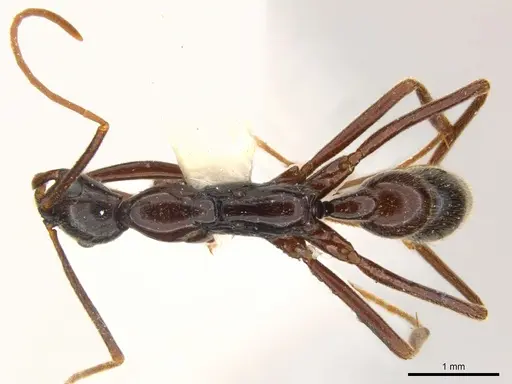
Literatur
Memuat peta distribusi...Memuat produk...