
Leptogenys fugax
- Nama Ilmiah
- Leptogenys fugax
- Tribe
- Ponerini
- Subfamili
- Ponerinae
- Penulis
- Mann, 1921
- Distribusi
- Ditemukan di 1 negara
Pendahuluan
Leptogenys fugax is a predatory ant species endemic to the Fiji Islands, found only on Viti Levu . Workers have the characteristic elongated body typical of Leptogenys species, with a slender build and well-developed mandibles for hunting prey. This species was first described by W.M. Mann in 1921 from specimens collected on Viti Levu . As a Ponerine ant, they are active hunters targeting small invertebrates. The genus is known for cooperative hunting behaviors where workers coordinate to take down larger prey items. This species remains poorly documented in both scientific literature and the antkeeping hobby.
Quick Summary
- Difficulty: Unknown, limited captive data and scientific documentation
- Origin & Habitat: Endemic to Fiji, specifically Viti Levu island [1][2]. Tropical island environment with year-round warm temperatures.
- Colony Type: Unconfirmed, colony structure has not been documented for this species.
- Size & Growth:
- Queen: Size data unavailable, no specific measurements exist in scientific literature
- Worker: Size data unavailable, original description provides measurements but specific data not accessible
- Colony: Unknown, no colony size data exists for this species
- Growth: Unknown
- Development: Unknown, no species-specific development data exists (Development time cannot be estimated from available research)
- Antkeeping:
- Temperature: Keep warm at 24-28°C. Being from tropical Fiji, they need warm conditions year-round.
- Humidity: High humidity (70-85%), simulate damp tropical forest floor conditions. Keep nest substrate consistently moist but not waterlogged.
- Diapause: No, Fiji has no winter. Maintain tropical conditions year-round.
- Nesting: In nature they likely nest in soil or under stones in forest habitats. In captivity, a naturalistic setup with moist substrate or a Y-tong/plaster nest works well.
- Behavior: Likely aggressive and predatory based on genus-typical behavior. They are active hunters with good vision and will readily hunt small invertebrates. Workers are fast-moving. Escape prevention should be moderate, they are not extremely small but are agile. May show cooperative hunting behavior when presented with larger prey items.
- Common Issues: limited species-specific information makes precise care recommendations difficult, tropical temperature requirements mean colonies cannot tolerate cool conditions, predatory diet may be challenging to provide consistently in captivity, wild-caught colonies may have parasites, growth rate is unknown and likely slow compared to many common ant species
Distribution and Habitat
Leptogenys fugax is endemic to Fiji, meaning it is found nowhere else in the world. This species has only been recorded from Viti Levu, the largest island in the Fiji archipelago [1][2]. The original description was published by W.M. Mann in 1921 based on worker specimens collected in Fiji [3]. As a tropical island species, they inhabit environments with consistently warm temperatures and high humidity year-round. The specific microhabitat preferences are not documented in scientific literature, but Leptogenys species in general typically nest in soil, under stones, or in rotting wood in forested areas. For captive care, replicate damp tropical forest floor conditions with stable warmth.
Identification and Appearance
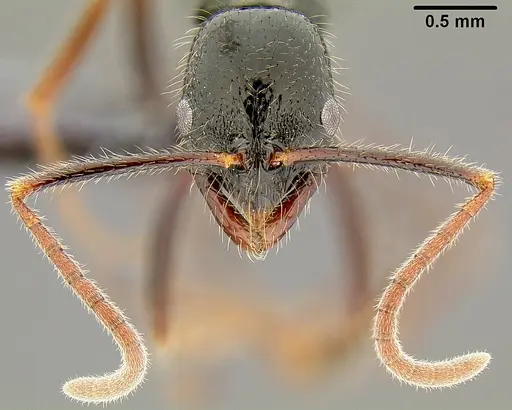
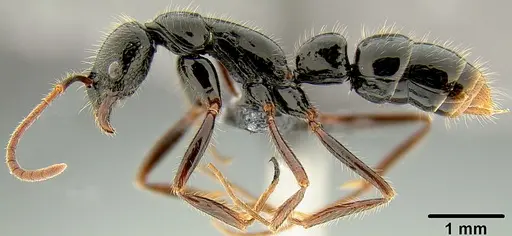
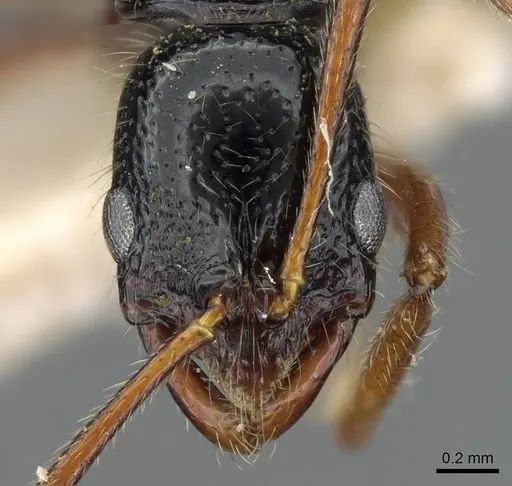
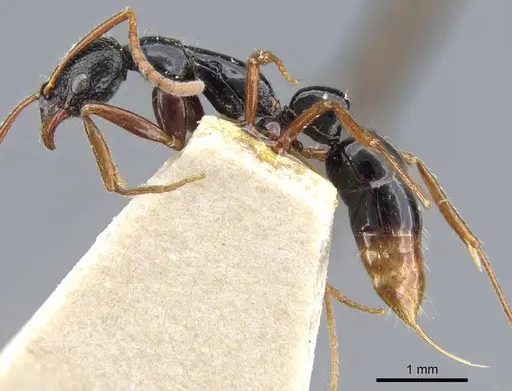
Leptogenys fugax was originally described by Mann in 1921 with a figure (fig. 7) in the original publication [3]. As a member of the subfamily Ponerinae and tribe Ponerini, workers have the characteristic elongated body shape typical of the genus. They possess well-developed compound eyes and powerful mandibles adapted for predatory behavior. The specific coloration and detailed morphological measurements were provided in the original description but are not readily available in modern digital format.
Feeding and Diet
Leptogenys species are known predators, primarily hunting small invertebrates. In captivity, offer small live prey such as fruit flies, pinhead crickets, small mealworms, and isopods. Feed prey items approximately twice weekly, adjusting based on colony consumption. Remove any uneaten prey after 24-48 hours to prevent mold. Sugar sources are generally not a significant part of Leptogenys diet, they are obligate predators. Some keepers report success offering occasional tiny amounts of honey or sugar water, but protein-rich live prey should form the foundation of their diet.
Temperature and Humidity Requirements
As a tropical species from Fiji, Leptogenys fugax requires warm and humid conditions. Maintain temperatures between 24-28°C year-round, they do not tolerate cool conditions. A heating cable placed on one side of the nest creates a temperature gradient allowing ants to self-regulate. Humidity should be high (70-85%), simulating the damp conditions of a tropical forest floor. Keep the nest substrate consistently moist but avoid standing water. Use a moisture gradient by keeping one side damper than the other. Since Fiji has no winter, these ants do not require a diapause period, maintain consistent tropical conditions throughout the year. Sudden temperature drops can be fatal.
Nesting Preferences
The specific natural nesting behavior of Leptogenys fugax is not documented, but Leptogenys species typically nest in soil, under stones, or in decaying wood in shaded forest locations. For captive housing, naturalistic setups with moist substrate work well, a mix of soil and sand that holds moisture without becoming waterlogged. Y-tong or plaster nests with moisture reservoirs can also work if kept appropriately humid. Provide a dark nesting area and a connected outworld for foraging. Include substrate depth of at least 1-2 inches in a naturalistic setup to allow natural hunting and foraging behaviors.
Behavior and Colony Dynamics
Leptogenys ants are characterized by their active predatory behavior and good vision. Workers are fast-moving and will actively hunt rather than scavenge. They likely exhibit cooperative hunting where multiple workers coordinate to subdue larger prey. Colony size at maturity is unknown for this species. Queens likely either seal themselves in to raise first workers or must hunt during founding, but this is unconfirmed. Workers may show alarm responses when the nest is disturbed. They are not considered dangerous to humans but may bite if threatened.
Frequently Asked Questions
How long does it take for Leptogenys fugax to produce first workers?
The exact development timeline is unknown for this species. No species-specific research exists on development time.
What do Leptogenys fugax ants eat?
They are predatory ants that need live small invertebrates. Offer fruit flies, pinhead crickets, small mealworms, and isopods. Feed approximately twice weekly. They are not interested in sugar sources like honey or sugar water, protein from prey is essential.
What temperature do Leptogenys fugax ants need?
Keep them warm at 24-28°C year-round. They are tropical ants from Fiji and cannot tolerate cool temperatures.
Do Leptogenys fugax ants need hibernation?
No, they do not need hibernation. Fiji has a tropical climate with no winter, so maintain warm conditions year-round.
Are Leptogenys fugax ants good for beginners?
This species is not well-documented in the antkeeping hobby and is not recommended for beginners. The limited available information makes proper care challenging. Start with more established species like Lasius or Camponotus before attempting Leptogenys.
How big do Leptogenys fugax colonies get?
Colony size is not documented for this specific species. No data exists on maximum colony size.
Can I keep multiple Leptogenys fugax queens together?
Colony structure is unconfirmed for this species. No documented evidence exists regarding polygyny. Combining unrelated queens is not recommended without evidence the species can tolerate multiple queens.
What humidity level do Leptogenys fugax ants need?
Maintain high humidity at 70-85%. Keep the nest substrate consistently moist but not waterlogged. A moisture gradient allows ants to self-regulate their humidity preferences.
Where is Leptogenys fugax found in the wild?
Leptogenys fugax is endemic to Fiji, found only on Viti Levu island. It is not found anywhere else in the world [1][2].
Report an Issue
The current care sheet is based fully on literature. See inconsistencies, or something that's incorrect? Please , it will be resolved after review from an admin. Contributing to the blogs tab also helps providing information, to make us be able to further improve the caresheets. Thank you for your support!
References

Lembar perawatan ini dilisensikan di bawah CC BY-SA 4.0 .
Blog Komunitas
CASENT0171055
Lihat di AntWeb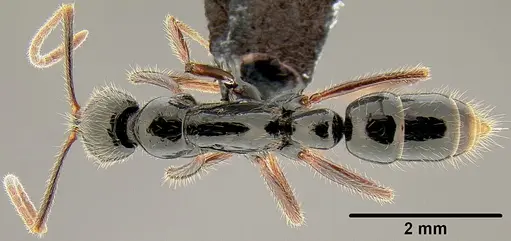
CASENT0905842
Lihat di AntWeb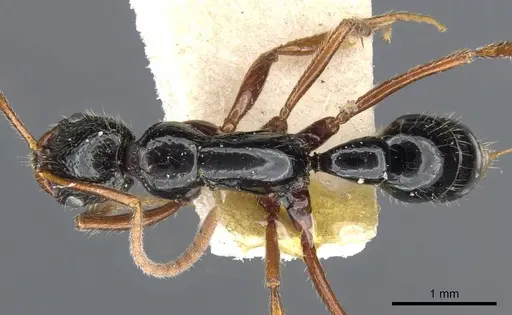
Literatur
Memuat peta distribusi...Memuat produk...