
Leptogenys excellens
- Nama Ilmiah
- Leptogenys excellens
- Tribe
- Ponerini
- Subfamili
- Ponerinae
- Penulis
- Bolton, 1975
- Distribusi
- Ditemukan di 1 negara
Pendahuluan
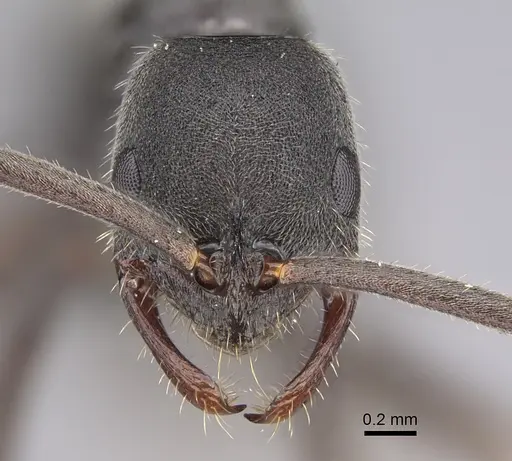
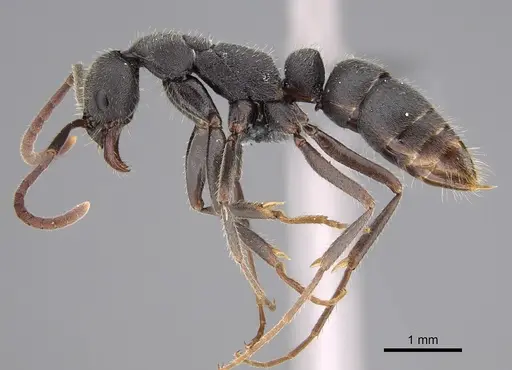
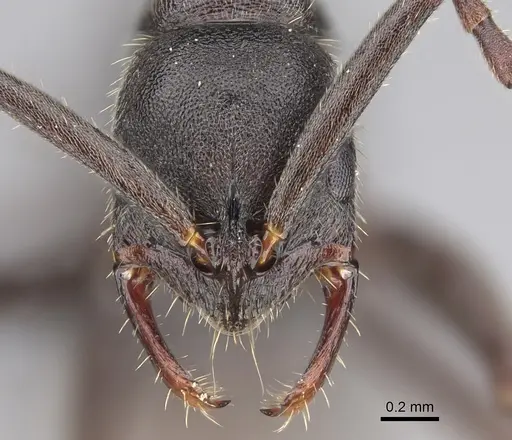
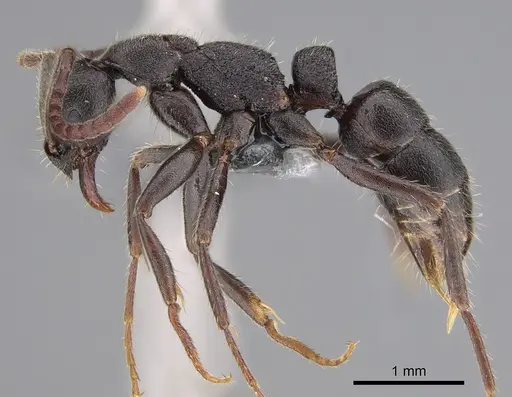
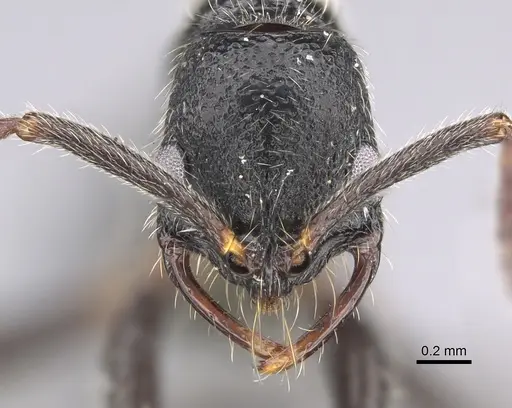
Leptogenys excellens is a predatory ant species endemic to the Tshopo region of the Democratic Republic of Congo in Central Africa . This species belongs to the Ponerinae subfamily, characterized by their primitive morphology and functional stinger . Workers possess the elongated, sickle-shaped mandibles typical of the genus - specialized hunting tools designed to seize and hold spider prey. The body is typically dark brown to black with a glossy appearance. As with all Leptogenys species, these ants are obligate predators with a particular fondness for hunting spiders, using their rapid strike to immobilize prey before carrying it back to the colony. This species inhabits tropical rainforest environments in the Congo basin, where it nests in soil or under stones in the humid forest floor layer.
Quick Summary
- Difficulty: Medium
- Origin & Habitat: Endemic to Tshopo (TO) in the Democratic Republic of Congo, Central Africa. Inhabits tropical rainforest environments in the Congo basin, typically nesting in soil or under stones in humid forest floor microhabitats [1].
- Colony Type: Colony structure is unconfirmed for this species. Based on typical Leptogenys patterns, colonies likely contain a single queen.
- Size & Growth:
- Queen: size data unavailable, inferred from Leptogenys genus patterns (~8-12mm)
- Worker: size data unavailable, inferred from Leptogenys genus patterns (~6-10mm)
- Colony: Unknown for this species. Based on related Leptogenys species, colonies may reach several hundred workers at maturity.
- Growth: Moderate, estimated based on similar Ponerine ants
- Development: Estimated 8-12 weeks based on related Ponerine species at tropical temperatures (Development time is estimated from genus patterns, direct measurements for this species are unavailable)
- Antkeeping:
- Temperature: Keep at 24-28°C (tropical requirements). A heating cable on one side of the nest creates a temperature gradient allowing the ants to self-regulate.
- Humidity: High humidity required, aim for 70-85%. Keep the nest substrate consistently moist but not waterlogged. These forest-floor ants need damp conditions.
- Diapause: Unlikely, being from tropical Central Africa, true hibernation is not required. A slight seasonal temperature variation may be beneficial but is not necessary.
- Nesting: Naturalistic setups with moist substrate work well. A Y-tong (AAC) nest or plaster nest with good moisture retention is suitable. Provide a shallow water dish in the outworld.
- Behavior: Leptogenys excellens is an active, predatory ant that hunts primarily at night. Workers are fast-moving and will readily tackle spider prey much larger than themselves. They possess a functional stinger and may use it when defending the colony [2]. Escape prevention is important, they are agile climbers and can squeeze through small gaps. Their excellent vision aids in hunting and navigation.
- Common Issues: live prey requirement, these ants need regular spider or insect prey and may refuse dead food initially, high humidity needs, too dry and colonies will fail to thrive, escape risk, active foragers that can escape through small openings, slow colony growth compared to many common ant species, limited availability makes this a species for more experienced keepers
Housing and Nest Setup
Leptogenys excellens does well in a naturalistic setup that mimics their forest floor habitat. A Y-tong (AAC) formicarium or plaster nest works well because these materials hold moisture effectively. The nest chamber should be kept dark, these ants prefer dim conditions and will be more active when the nest area is shaded. In the outworld, provide a shallow water dish and ensure there are no large gaps in the barrier system. Because they are active hunters, the outworld should have enough space for them to patrol and hunt. Test tube setups can work for founding colonies but will need to be moved to a more substantial nest once the colony grows. [2]
Feeding and Diet
This is a specialized predator, Leptogenys ants are famous for hunting spiders. In captivity, you should offer live small spiders, fruit flies, and small crickets. Some colonies will eventually accept pre-killed prey, but getting them to switch requires patience. Offer protein foods 2-3 times per week. Sugar water or honey can be offered occasionally but should not be the primary food source, these are primarily predatory ants. Fresh water must always be available. [2]
Temperature and Humidity
Being from tropical Central Africa, Leptogenys excellens needs warm, humid conditions. Keep the nest at 24-28°C, a small heating cable on one side of the nest creates a gradient that lets the ants choose their preferred temperature. Humidity should be 70-85%. The nest substrate should feel consistently moist but never waterlogged. Mist the outworld occasionally but avoid letting water pool in the nest area. Good ventilation is important to prevent mold while maintaining humidity.
Behavior and Colony Dynamics
Leptogenys excellens is a nocturnal hunter, your colony will be most active in the evening and night hours. Workers use their elongated mandibles to seize spider prey, often tackling prey much larger than themselves. They possess a stinger and may use it defensively if the nest is disturbed. Colonies grow moderately, do not expect the explosive growth seen in many Lasius or Camponotus species. A mature colony may reach several hundred workers based on related species. Queens are long-lived, and colonies can persist for many years. [2]
Frequently Asked Questions
How long does it take for Leptogenys excellens to produce first workers?
Based on related Ponerine species, expect first workers (nanitics) in approximately 8-12 weeks after the queen lays eggs, provided temperatures are kept at 24-28°C.
What do Leptogenys excellens eat?
They are specialized spider predators. Offer live small spiders, fruit flies, and small crickets. Some colonies may eventually accept pre-killed insects, but live prey is preferred.
Can I keep Leptogenys excellens in a test tube?
A test tube can work for a founding colony, but you will need to move them to a proper nest (Y-tong or plaster) once the colony reaches 15-20 workers. They need moisture retention that test tubes alone may not provide adequately long-term.
Do Leptogenys excellens ants sting?
Yes. As members of the Ponerinae subfamily, they possess a functional stinger. While rarely used against humans, they may sting when defending the colony.
Are Leptogenys excellens good for beginners?
This is not an ideal beginner species. They require live prey, high humidity, and specific temperature conditions. They are also rarely available. More experienced antkeepers will have better success with this species.
How big do Leptogenys excellens colonies get?
Colony size is not well documented for this species, but based on related Leptogenys species, colonies likely reach several hundred workers at maturity.
Do Leptogenys excellens need hibernation?
No, being from tropical Africa, they do not require true hibernation. A slight temperature reduction during the winter months may be beneficial but is not strictly necessary.
Why is my Leptogenys excellens colony declining?
Common causes include: insufficient live prey (they need hunting opportunities), too dry conditions, temperatures below 24°C, or stress from excessive disturbance. Ensure humidity is high and prey is being offered regularly.
When should I move Leptogenys excellens to a formicarium?
Move them when the test tube or founding setup becomes crowded, typically around 15-30 workers. Make sure the new nest maintains high humidity and has adequate dark spaces.
Can I keep multiple Leptogenys excellens queens together?
This is not recommended. Unlike some polygynous species, Leptogenys typically form single-queen colonies. Combining unrelated queens will likely result in fighting.
Report an Issue
The current care sheet is based fully on literature. See inconsistencies, or something that's incorrect? Please , it will be resolved after review from an admin. Contributing to the blogs tab also helps providing information, to make us be able to further improve the caresheets. Thank you for your support!
References

Lembar perawatan ini dilisensikan di bawah CC BY-SA 4.0 .
Blog Komunitas
CASENT0774876
Lihat di AntWeb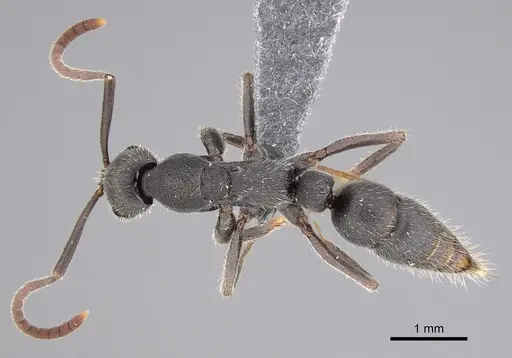
CASENT0781056
Lihat di AntWeb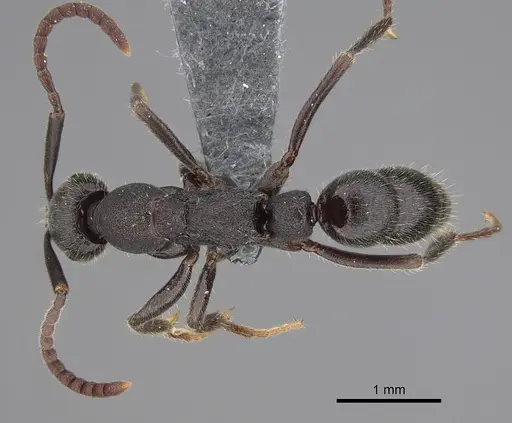
CASENT0821424
Lihat di AntWeb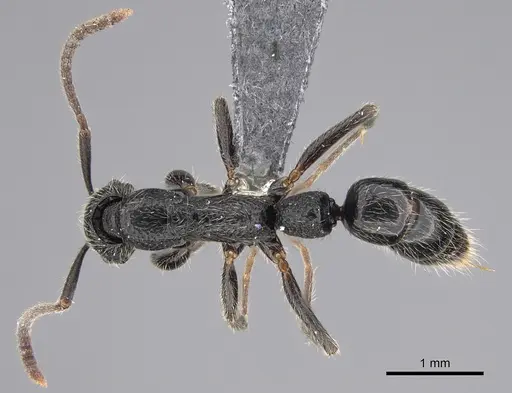
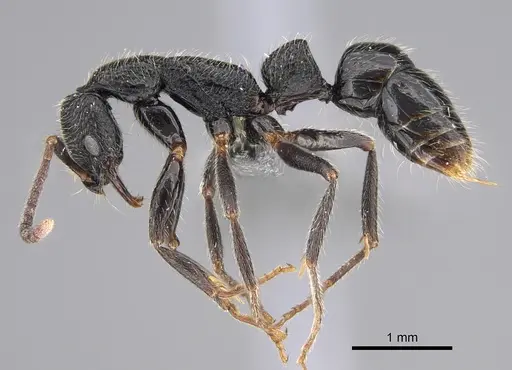
CASENT0902601
Lihat di AntWeb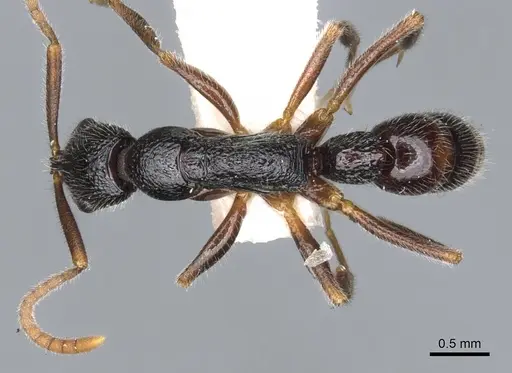
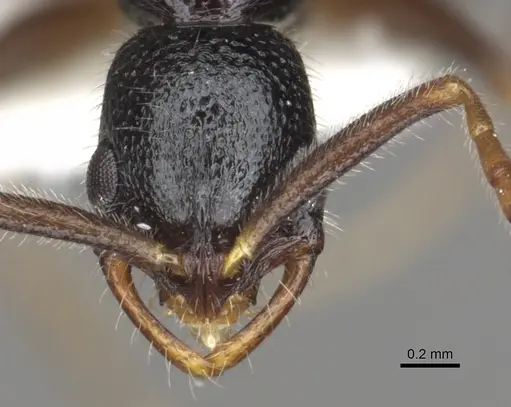
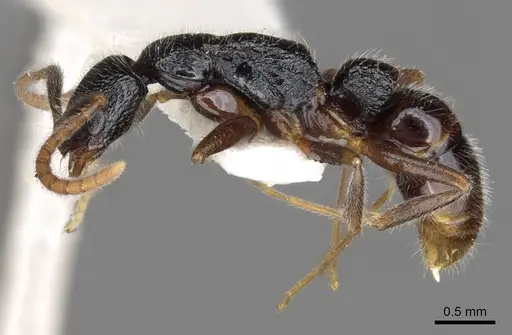
Literatur
Memuat peta distribusi...Memuat produk...