
Leptogenys avaratra
- Nama Ilmiah
- Leptogenys avaratra
- Tribe
- Ponerini
- Subfamili
- Ponerinae
- Penulis
- Rakotonirina & Fisher, 2014
- Distribusi
- Ditemukan di 0 negara
Pendahuluan
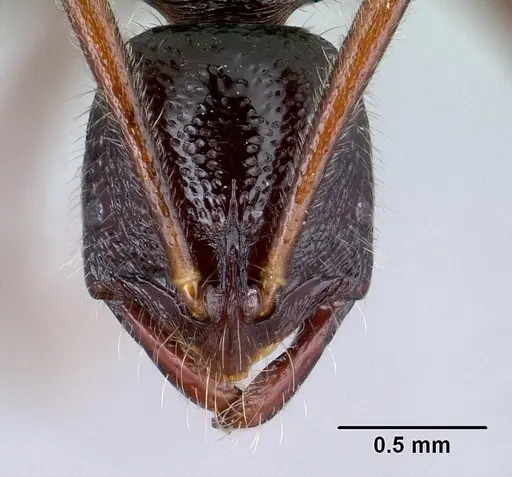
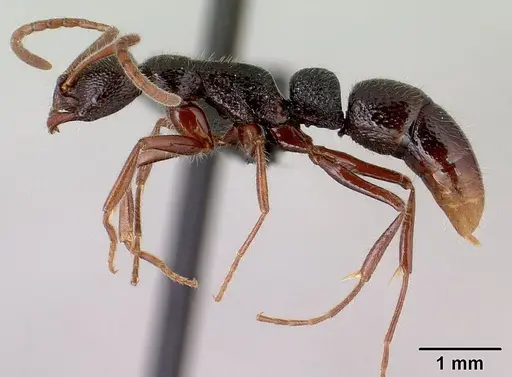
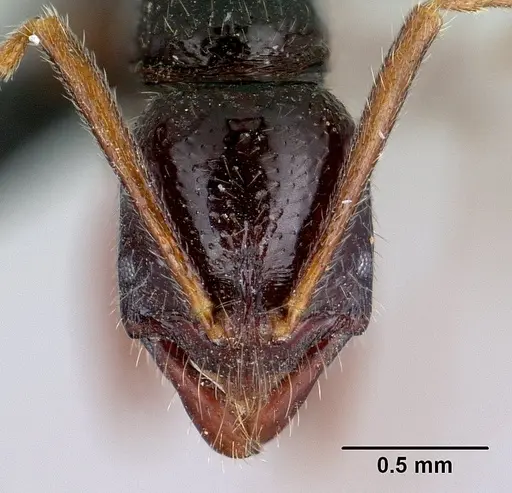
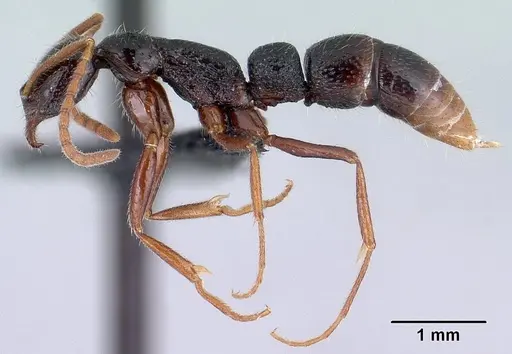
Leptogenys avaratra is a predatory ant species native to northern Madagascar, known only from two locations: the dry forests of Montagne des Français and the transitional humid forests near Daraina . Workers have a reddish-brown body with ferruginous-red legs and gaster tip, identifiable by their square-shaped petiolar node and the low position of the helcium near the underside of the abdomen . This rare species nests in rotten logs and forages through leaf litter, hunting small prey in the forest floor layer . The queen is ergatoid - meaning she is wingless and looks very similar to workers, but has a larger abdomen .
Quick Summary
- Difficulty: Medium
- Origin & Habitat: Northern Madagascar, found only in the dry forests of Montagne des Français and transitional humid forests of Antshabe near Daraina. Nests in rotten logs and forages through leaf litter [1][2].
- Colony Type: Colonies have ergatoid (wingless) queens that serve as replacement reproductives. The ergatoid queen looks very similar to workers but has a larger abdomen [2]. Colony structure is not fully documented.
- Size & Growth:
- Queen: ~5-6 mm (estimated from genus)
- Worker: ~5-7 mm (estimated from genus)
- Colony: Unknown, only known from limited specimens [1]
- Growth: Unknown
- Development: Unconfirmed (No specific development data exists for this species.)
- Antkeeping:
- Temperature: Keep around 24-28°C, they come from tropical Madagascar forests. A gentle heat gradient allows workers to regulate their temperature.
- Humidity: High humidity, they live in forest leaf litter and nest in rotting wood. Keep the substrate consistently moist but not waterlogged.
- Diapause: Unconfirmed, Madagascar has mild seasons. Monitor colony activity and reduce feeding if they become less active during cooler periods.
- Nesting: Rotten log sections, cork bark setups, or a Y-tong/plaster nest with high humidity. They prefer tight, humid chambers that mimic their natural rotten log nesting sites [1].
- Behavior: Active hunters that forage through leaf litter and soil, searching for small prey. Workers are small so escape prevention must be excellent, use fine mesh and tight-fitting barriers. They are predatory and require constant access to live small prey.
- Common Issues: small size means escapes are likely without fine mesh barriers, high humidity requirements can lead to mold if ventilation is poor, lack of documented captive care means husbandry methods are experimental, predatory diet requires constant access to live small prey, this is a rare species with very limited availability in the antkeeping hobby
Housing and Nest Setup
Leptogenys avaratra naturally nests in rotten logs in Madagascar's forest habitats. For captivity, a naturalistic setup with rotten wood sections or cork bark works well, these provide the humid, dark spaces they prefer. A Y-tong nest with tight chambers and a water reservoir also works, provided you maintain high humidity. The key is keeping the nest material consistently moist but not waterlogged. These ants are small, so any gaps in your setup must be sealed with fine mesh or cotton. A small outworld connected to the nest allows for feeding and foraging space. Keep the entire setup in a warm area to match their tropical origin. [1][2]
Feeding and Diet
Like other Leptogenys species, L. avaratra is predatory and hunts small invertebrates in leaf litter. In captivity, offer small live prey such as springtails, fruit flies, tiny crickets, and other micro-arthropods. They are likely specialized predators that chase down prey rather than scavenging. Feed every 2-3 days, offering prey that is appropriately sized for their workers. Remove uneaten prey to prevent mold. Protein from live prey is essential for colony growth and brood development. A varied diet of different small prey items helps ensure proper nutrition.
Temperature and Humidity
These ants come from tropical Madagascar forests, so they need warmth and humidity. Keep temperatures in the range of 24-28°C, a heating cable on one side of the nest creates a gradient that lets workers choose their preferred temperature. High humidity is critical since they nest in rotting wood. Use a water reservoir in your nest setup and mist occasionally, but ensure good ventilation to prevent mold. The substrate or nest material should feel consistently damp. If you see condensation constantly pooling, increase ventilation, if the nest appears dry and workers are clustering together, add more moisture.
Behavior and Colony Dynamics
Leptogenys avaratra has ergatoid queens, wingless females that look very similar to workers but have larger abdomens. This is a replacement reproductive system where if the primary queen dies, an ergatoid can take over egg-laying duties. Workers are active foragers that hunt through leaf litter, using their speed to chase down small prey. They likely use chemical trails to recruit nestmates to food sources. The colony will grow slowly at first as the queen produces her first workers, then gradually expand. Colonies are probably small to moderate in size based on related species. [1][2]
Acclimation and Handling
Acquiring this species is difficult since it is rarely collected and not commonly available in the antkeeping hobby. If you obtain a colony, give them 1-2 weeks to settle in a quiet location away from vibrations and direct light. Do not disturb the nest during the founding phase. Once workers are actively foraging in the outworld, you can begin offering small prey. Their small size and specific humidity requirements make them better suited for intermediate to experienced antkeepers. Monitor the colony closely for the first few months, signs of stress include workers staying in the nest, refusal of prey, or unusual mortality. A healthy colony will show increasing foraging activity over time.
Frequently Asked Questions
How long does it take for Leptogenys avaratra to produce first workers?
The egg-to-worker timeline is unconfirmed for this species. Based on related Leptogenys species, expect several weeks from the first egg to nanitic workers emerging. Growth is temperature-dependent, warmer temperatures within their range speed up development.
What do Leptogenys avaratra ants eat?
They are predatory ants that hunt small live prey. Offer springtails, fruit flies, tiny crickets, and other micro-arthropods. Remove uneaten prey after 24-48 hours. Protein-rich live food is essential for brood development.
Can I keep Leptogenys avaratra in a test tube?
Test tubes can work for founding colonies, but these ants need high humidity and prefer the dark, humid conditions of rotting wood. A naturalistic setup with cork bark or a humidified nest is more suitable long-term. Test tubes dry out quickly, so frequent rehydration is needed.
Are Leptogenys avaratra good for beginners?
This species is not ideal for beginners. They have specific humidity requirements, need a constant supply of live prey, and are rarely available. Their small size also makes escape prevention challenging. Some experience with tropical ant species is recommended.
What temperature do Leptogenys avaratra need?
Keep them warm at 24-28°C. This matches their native tropical forest habitat in Madagascar. A gentle heat gradient allows workers to regulate their temperature by moving between warmer and cooler areas of the nest.
How big do Leptogenys avaratra colonies get?
Colony size is unknown for this rare species. Based on related Leptogenys species, colonies likely reach several hundred workers at most. They are not known for supercolonies.
Do Leptogenys avaratra need hibernation?
Hibernation is not required. Madagascar has mild seasons, and this species comes from tropical forests. Simply reduce feeding and slightly lower temperatures during cooler months if the colony shows reduced activity. Do not cool them dramatically.
Why is my Leptogenys avaratra colony dying?
Common causes include: low humidity (rotting wood nesting ants need consistent moisture), lack of live prey (they are obligate predators), temperatures too low or too high, and stress from disturbance. Check that your setup maintains proper humidity and offers appropriate live prey.
Can I keep multiple queens together?
The colony structure of this species is not well documented. Combining unrelated queens has not been studied and is not recommended. The ergatoid queen system suggests colonies typically have one reproductive female.
When should I move Leptogenys avaratra to a formicarium?
Wait until the colony has at least 20-30 workers and is actively foraging in the outworld. A naturalistic setup with cork bark or a well-humidified nest works best. They do well in smaller setups, avoid giving them too much space.
Is Leptogenys avaratra available in the antkeeping hobby?
This is a rare species that is rarely available. It was only described in 2014 and is known from limited specimens in northern Madagascar. Most antkeepers interested in this species would need to locate specialized suppliers or collectors.
Report an Issue
The current care sheet is based fully on literature. See inconsistencies, or something that's incorrect? Please , it will be resolved after review from an admin. Contributing to the blogs tab also helps providing information, to make us be able to further improve the caresheets. Thank you for your support!
References

Lembar perawatan ini dilisensikan di bawah CC BY-SA 4.0 .
Blog Komunitas
CASENT0041949
Lihat di AntWeb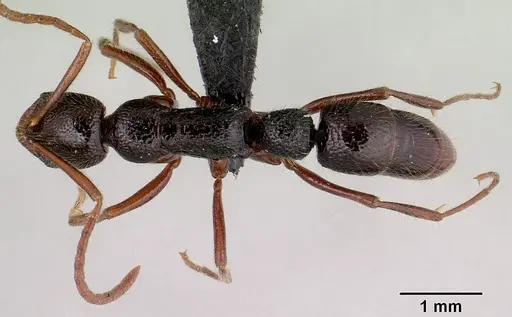
CASENT0416208
Lihat di AntWeb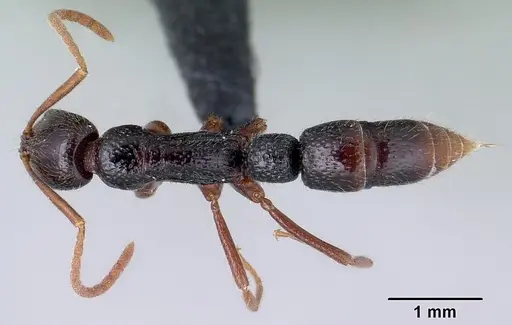
Literatur
Memuat peta distribusi...Memuat produk...