
Lasius draco
- Nama Ilmiah
- Lasius draco
- Tribe
- Lasiini
- Subfamili
- Formicinae
- Penulis
- Collingwood, 1982
- Distribusi
- Ditemukan di 0 negara
Pendahuluan
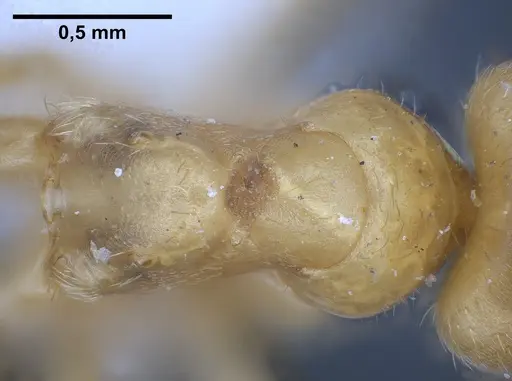
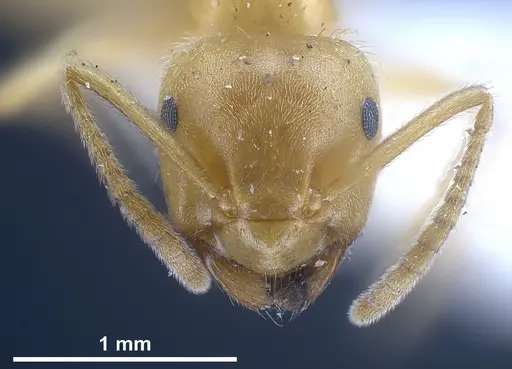
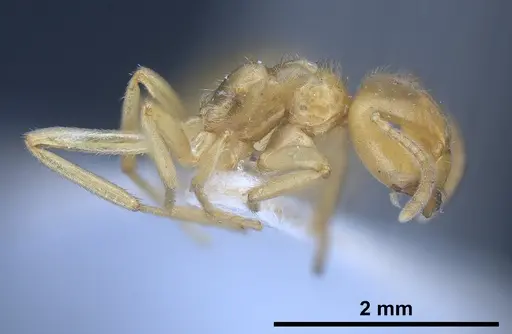
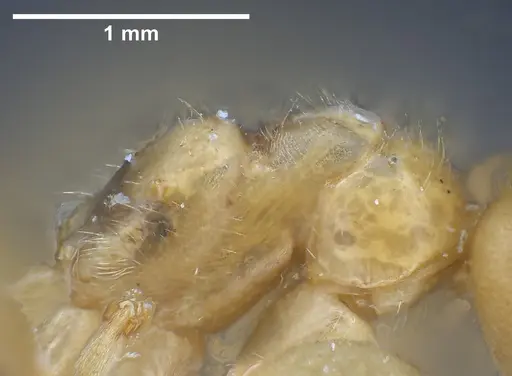
Lasius draco is a small yellow ant native to the high-altitude Himalayas. Workers are 4.0-4.3 mm long , with a robust head, relatively large eyes, and numerous straight hairs on the gaster. This species is found in Bhutan and northern India at elevations around 2640 meters . It is a rare species in the antkeeping hobby, with limited distribution and little known about its care requirements.
Quick Summary
- Difficulty: Hard
- Origin & Habitat: High-altitude Himalayas (2640m elevation) in Bhutan and northern India (Arunachal Pradesh, Sikkim, West Bengal). Found under stones and in soil [1][2][3][4].
- Colony Type: Unconfirmed, likely single-queen colonies based on typical Lasius genus patterns.
- Size & Growth:
- Antkeeping:
- Temperature: Likely prefers cooler conditions given high-altitude origin. Start around 18-22°C and observe colony activity.
- Humidity: Keep nest substrate slightly moist but not waterlogged, typical of Lasius species.
- Diapause: Yes, likely required for 2-3 months at 5-10°C during winter.
- Nesting: In nature, nests under stones and in soil [1]. For captivity, Y-tong nests or test tube setups work well.
- Behavior: Workers are likely docile and non-aggressive, based on typical Lasius genus traits. Their small size (4mm) means escape prevention is critical, use fine mesh and barriers [1].
- Common Issues: Rarity in hobby makes acquisition difficult and care protocols unestablished., Cooler temperature requirements may be challenging in warm climates., Dietary preferences are unknown, start with standard ant foods and observe., Slow growth rate may frustrate keepers expecting quick colony development.
Nest Preferences
In their natural habitat, Lasius draco nests under stones and in soil at high elevations around 2640 meters in the Himalayas [1]. This suggests they prefer cool, stable conditions with moderate substrate moisture. For captive care, a Y-tong formicarium or test tube setup works well. The nest should have damp substrate or a water reservoir to maintain slight humidity. Because workers are only 4mm, avoid overly large chambers, tighter spaces help them feel secure.
Feeding and Diet
Like other Lasius species, Lasius draco likely feeds on honeydew and small insects for protein. In captivity, offer sugar water or honey water constantly, and protein sources like fruit flies or pinhead crickets 2-3 times per week. Remove uneaten prey after 24 hours to prevent mold. [1]
Temperature and Seasonal Care
Given their high-altitude origin, Lasius draco likely prefers cooler temperatures around 18-22°C. A gentle temperature gradient allows workers to self-regulate. During winter, expect a diapause period of 2-3 months at 5-10°C to mimic natural conditions. [2]
Behavior and Temperament
Workers are likely docile and not aggressive. Their small size makes escape prevention critical, use fine mesh (0.5mm or smaller) and barrier gels on all openings. [1]
Colony Establishment and Growth
Lasius draco is rare in collections and the hobby. Queens likely establish colonies through claustral founding, but this is unconfirmed. Growth rate is moderate, and patience is essential for colony development. [1]
Frequently Asked Questions
How long does it take for Lasius draco to produce first workers?
The egg-to-worker timeline is not documented for this species. Based on typical Lasius development patterns, expect around 6-8 weeks from egg to first worker at optimal temperature (around 20°C).
What temperature should I keep Lasius draco at?
Start with a nest temperature around 18-22°C. This is cooler than many common ants because Lasius draco comes from high-altitude Himalayan regions [2].
Does Lasius draco need hibernation?
Yes, likely required. As a high-altitude temperate species from around 2640m elevation, this ant probably needs a winter diapause period of 2-3 months at 5-10°C.
How big do Lasius draco colonies get?
Colony size is not documented for this species. Based on related Lasius species, colonies likely reach up to several hundred workers.
Is Lasius draco a good species for beginners?
This species is not recommended for beginners. It is extremely rare in the antkeeping hobby with almost no captive breeding records, and specific care requirements are not well-established.
What do Lasius draco ants eat?
Like other Lasius species, they likely accept sugar water or honey water for carbohydrates and small insects like fruit flies or pinhead crickets for protein [1].
Can I keep multiple Lasius draco queens together?
Colony structure is unconfirmed for this species. Most Lasius are single-queen (monogyne) colonies. Combining unrelated queens is not recommended since this has not been documented for L. draco.
How do I prevent Lasius draco from escaping?
Use excellent escape prevention due to their small 4mm worker size. Fine mesh (0.5mm or smaller), tight-fitting lids, and barrier gels like fluon on container edges are essential [1].
Where is Lasius draco found in the wild?
Lasius draco is native to the high-altitude Himalayas, specifically found in Bhutan and northern India (Arunachal Pradesh, Sikkim, West Bengal) at elevations around 2640 meters above sea level. They nest under stones and in soil [2][3][4].
Report an Issue
The current care sheet is based fully on literature. See inconsistencies, or something that's incorrect? Please , it will be resolved after review from an admin. Contributing to the blogs tab also helps providing information, to make us be able to further improve the caresheets. Thank you for your support!
References

Lembar perawatan ini dilisensikan di bawah CC BY-SA 4.0 .
Blog Komunitas
ANTWEB1041268
Lihat di AntWeb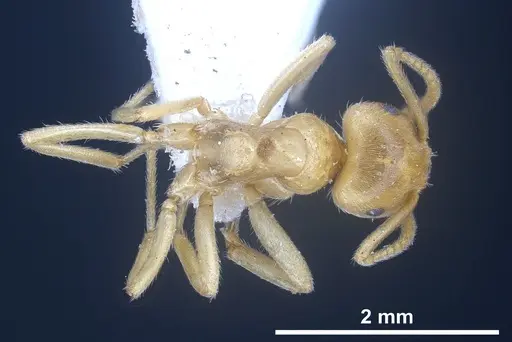
Literatur
Memuat peta distribusi...Memuat produk...