
Hypoponera queenslandensis
- Nama Ilmiah
- Hypoponera queenslandensis
- Tribe
- Ponerini
- Subfamili
- Ponerinae
- Penulis
- Forel, 1900
- Distribusi
- Ditemukan di 0 negara
Pendahuluan
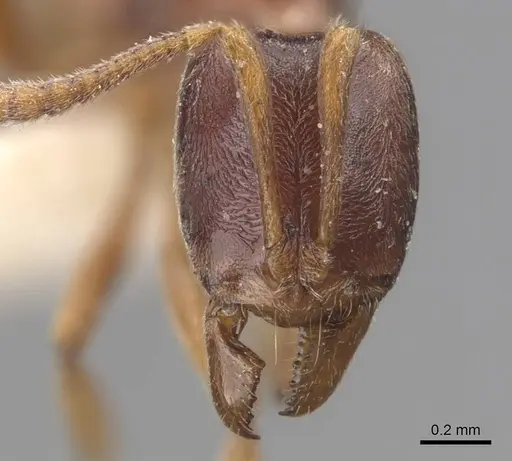
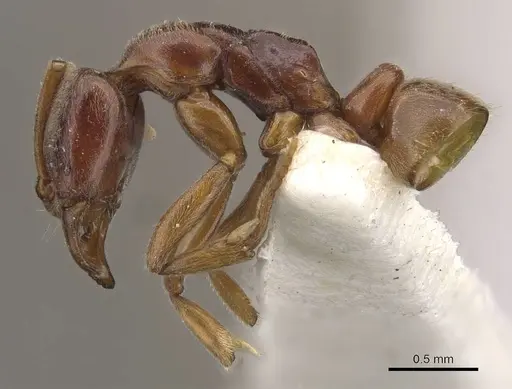
Hypoponera queenslandensis is a small predatory ant native to Queensland, Australia . Workers are compact with a distinct petiole, and queens are slightly larger, though exact sizes are unknown . The species was originally described in 1900 and moved to the genus Hypoponera in 1967 . This ant belongs to the Ponerinae subfamily, known for hunting small invertebrates and possessing a functional sting. They nest in moist microhabitats like under stones or in rotting wood, and are not aggressive toward humans but will defend their nest if threatened.
Quick Summary
- Difficulty: Medium
- Origin & Habitat: Queensland, Australia, found in moist terrestrial habitats including under stones and in rotting wood [1].
- Colony Type: Unconfirmed colony structure. Based on typical Hypoponera patterns, likely single-queen colonies.
- Size & Growth:
- Queen: Size data unavailable, no total length measurements in literature.
- Worker: Size data unavailable, no total length measurements in literature.
- Colony: Unknown, no data on colony size.
- Growth: Moderate, inferred from Ponerinae patterns.
- Development: Unknown, no species-specific data. (Development time is unclear due to lack of research.)
- Antkeeping:
- Temperature: Unknown, no specific data. Keep at room temperature with a gentle gradient if possible.
- Humidity: Keep substrate consistently moist but not waterlogged, as they inhabit moist habitats [1].
- Diapause: Unknown, Queensland has seasonal changes, but no data on diapause.
- Nesting: Provide moist substrate like soil or rotting wood [1]. Test tubes work for founding colonies.
- Behavior: Predatory ants that hunt small invertebrates individually. Workers have a functional sting but are not aggressive toward humans. Escape risk is high due to small size, ensure fine mesh barriers.
- Common Issues: drying out due to moisture requirements, keep substrate moist., escape risk due to small size, use fine barriers., predatory diet requires live prey, colonies may fail if only dead food is offered., slow growth may lead to overfeeding or excessive disturbance., wild-caught colonies may carry parasites.
Nest Preferences and Setup
In the wild, Hypoponera queenslandensis nests in moist microhabitats like under stones or in rotting wood [1]. For captive care, test tubes work well for founding colonies, fill with water, add a cotton barrier, and place the queen inside. For established colonies, use a formicarium with moist soil or plaster. Avoid acrylic nests as they dry out quickly. Provide tight spaces since these small ants prefer secure chambers.
Feeding and Diet
As a predatory ant, Hypoponera queenslandensis needs live small invertebrates like springtails or fruit flies. Prey should be appropriately sized, no larger than the ant's head. Feed every 2-3 days, removing uneaten prey after 24 hours to prevent mold. Provide fresh water via a cotton-wicked tube. Sugar water may not be accepted, focus on live prey for nutrition.
Temperature and Seasonal Care
No specific temperature data exists. Keep at room temperature (around 22-26°C) with a gradient if possible. During cooler months, reduce feeding and monitor activity. Diapause is unknown, but seasonal changes in Queensland suggest a rest period may be beneficial.
Behavior and Colony Dynamics
Workers are solitary hunters that patrol individually. Queens are not confirmed to be claustral, but based on genus patterns, they may seal themselves in to raise first workers. Colonies grow moderately, but no species-specific data exists on timelines. Workers have a functional sting but rarely affect humans.
Frequently Asked Questions
How long does it take for Hypoponera queenslandensis to produce first workers?
Unknown, no species-specific data on development time. Based on Ponerinae patterns, it may take several weeks, but this is unconfirmed.
What do Hypoponera queenslandensis ants eat?
They are predatory and need live small invertebrates like springtails or fruit flies. Prey should be appropriately sized.
Can I keep multiple queens together?
Not recommended, colony structure is unconfirmed, and Hypoponera typically form single-queen colonies. Combining queens risks fighting.
What temperature do Hypoponera queenslandensis need?
No specific data, keep at room temperature with a gradient if possible. Monitor colony activity for comfort.
Do they need hibernation?
Unknown, no data on diapause. Based on Queensland seasons, a rest period may be beneficial, but this is unconfirmed.
Why are my ants dying?
Common causes include drying out, insufficient live prey, improper temperature, or stress from disturbance. Wild-caught colonies may have parasites.
Are Hypoponera queenslandensis good for beginners?
Medium difficulty, predatory diet and moisture requirements need attention. Experience with founding colonies is recommended.
When should I move them to a formicarium?
Wait until the colony has several workers, but no specific number is known. Test tubes work well for small colonies.
How big do Hypoponera queenslandensis colonies get?
Unknown, no data on colony size. Based on Ponerinae patterns, they may be small, but this is unconfirmed.
Report an Issue
The current care sheet is based fully on literature. See inconsistencies, or something that's incorrect? Please , it will be resolved after review from an admin. Contributing to the blogs tab also helps providing information, to make us be able to further improve the caresheets. Thank you for your support!
References

Lembar perawatan ini dilisensikan di bawah CC BY-SA 4.0 .
Blog Komunitas
CASENT0902569
Lihat di AntWeb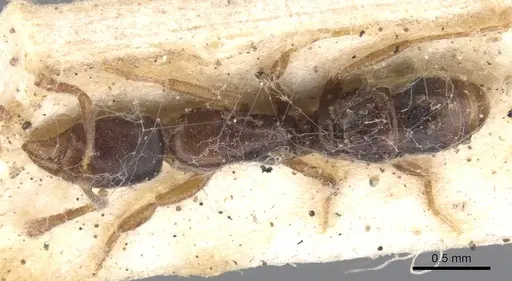
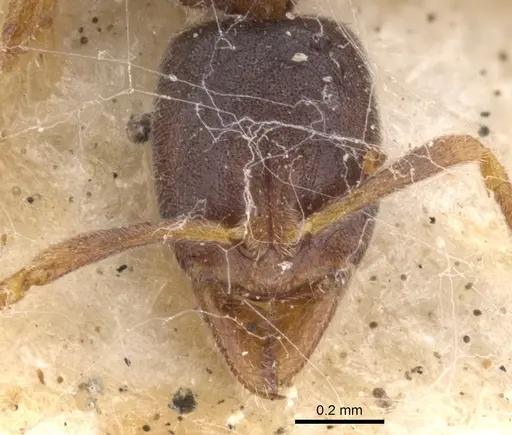
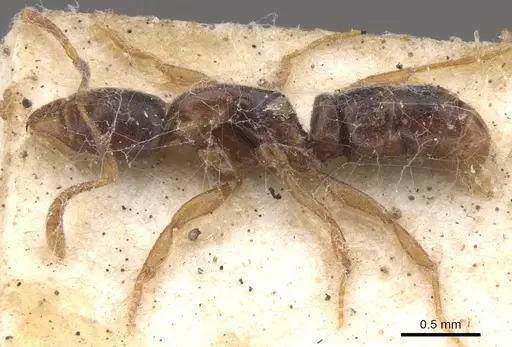
CASENT0907321
Lihat di AntWeb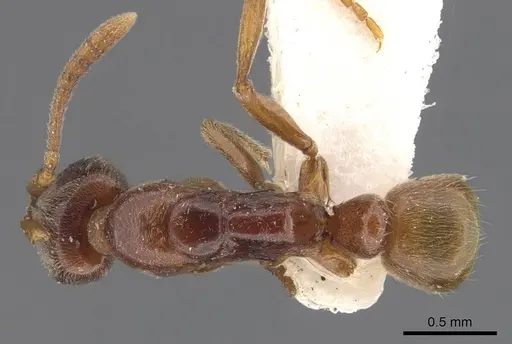
Literatur
Memuat peta distribusi...Memuat produk...