
Gnamptogenys boliviensis
- Nama Ilmiah
- Gnamptogenys boliviensis
- Tribe
- Ectatommini
- Subfamili
- Ectatomminae
- Penulis
- Lattke, 1995
- Distribusi
- Ditemukan di 0 negara
Pendahuluan
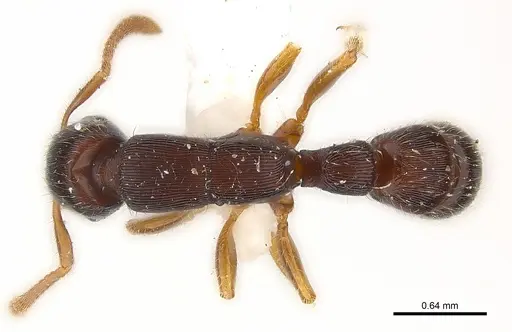
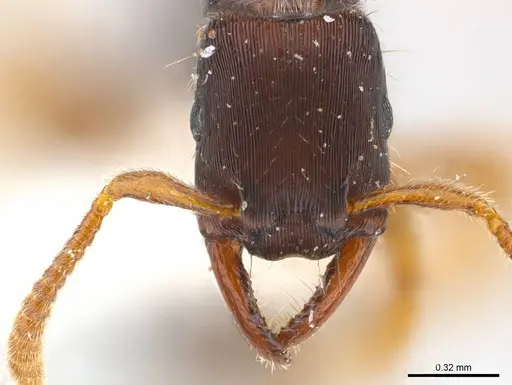
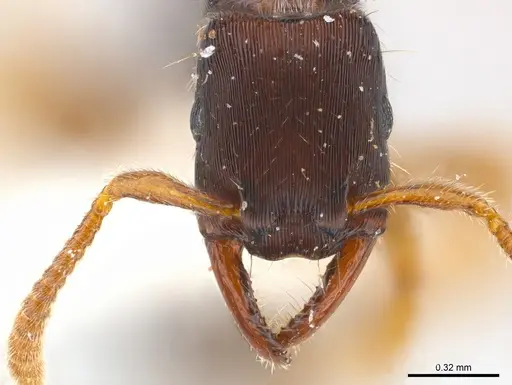
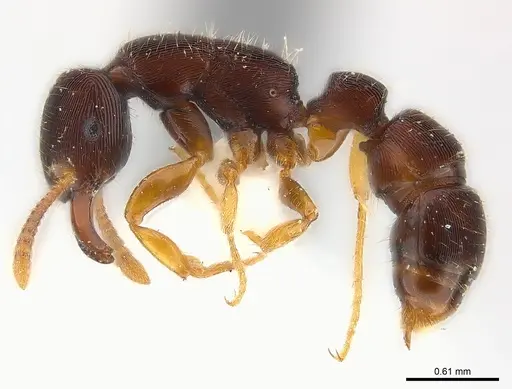
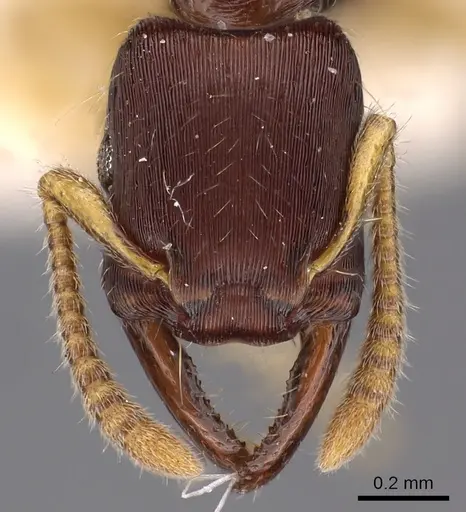
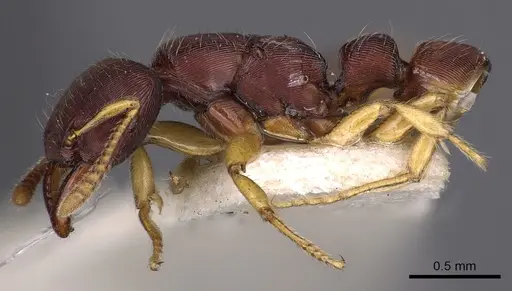
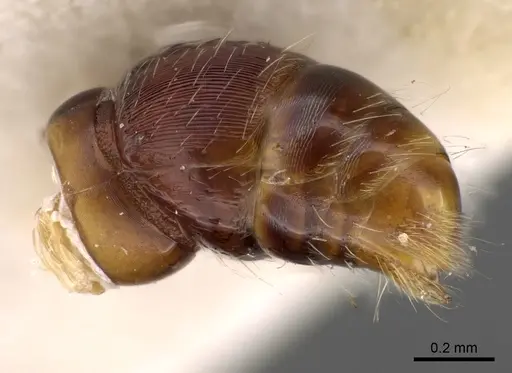
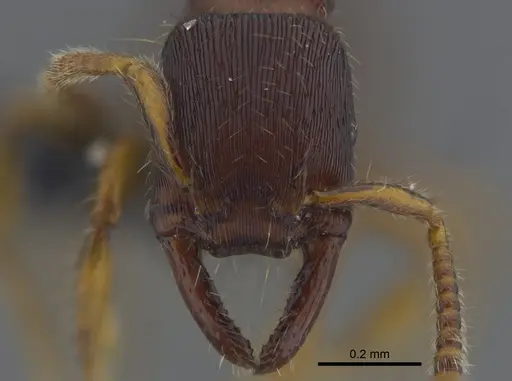
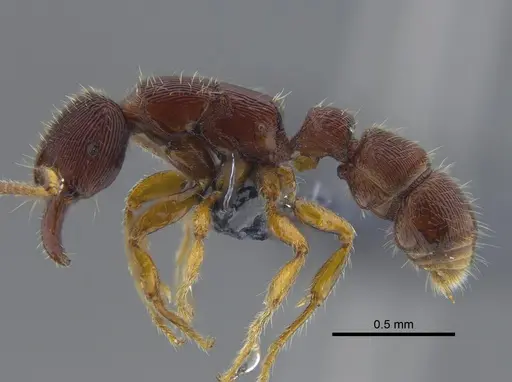
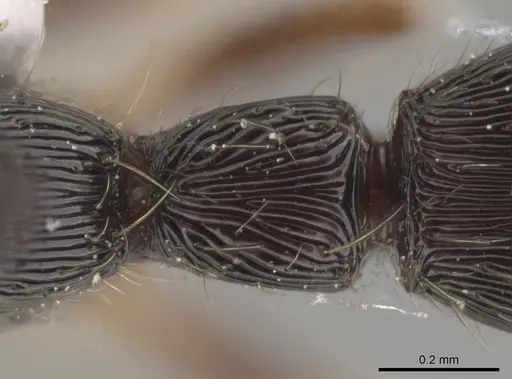
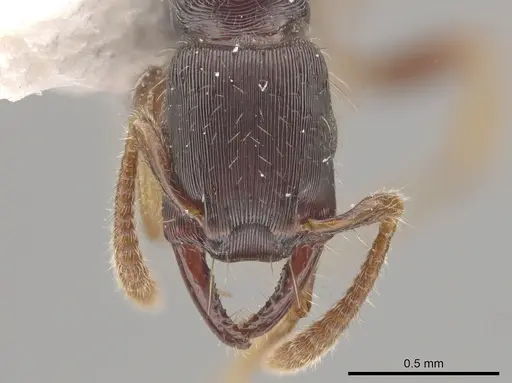
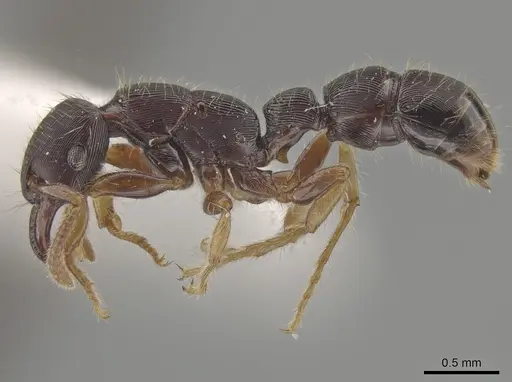
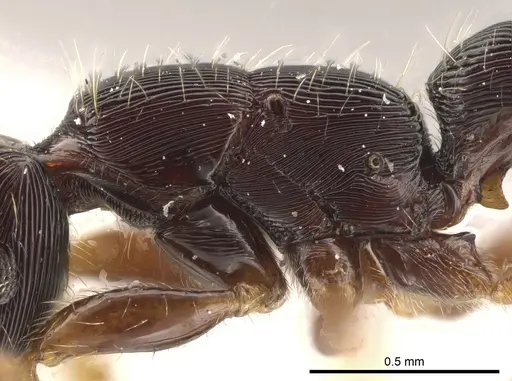
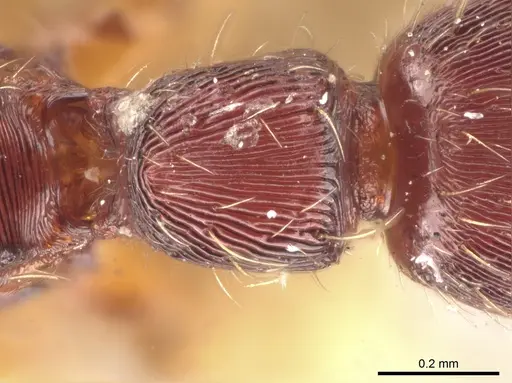
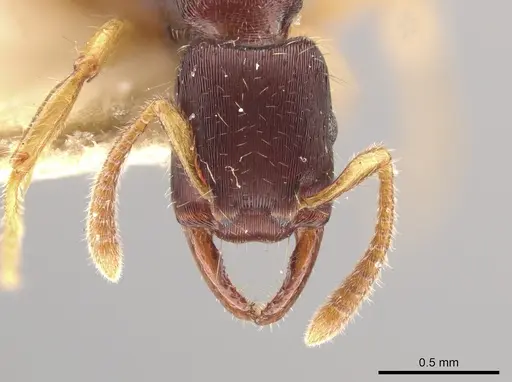
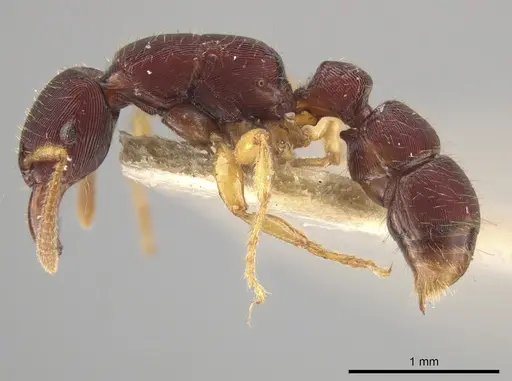
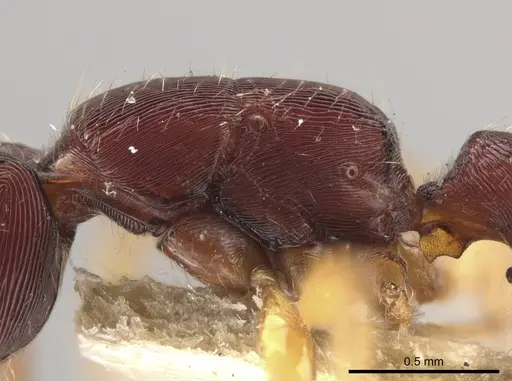
Gnamptogenys boliviensis is a small predatory ant native to the forests of Bolivia and Peru. Workers measure approximately 4-6mm in total length - inferred from the Gnamptogenys genus . The body is ferruginous brown with lighter testaceous legs and antennae. The head is elongate with distinctive longitudinal striations, and the body features costulate (ridged) sculpture on the mesosoma and petiole. This species belongs to the mordax subgroup within the Gnamptogenys genus, a group of predatory ants known for their stingers . The type locality is Tumupasa in northern Bolivia, a lowland forest area in the upper Rio Beni watershed. Nothing is known about the biology of this species in the wild or in captivity.
Quick Summary
- Difficulty: Unknown
- Origin & Habitat: Northern Bolivia and Peru, in lowland tropical forests of the upper Rio Beni watershed [3][4]. The type locality at Tumupasa (14°09'S 67°55'W) is in lowland forest [4].
- Colony Type: Colony structure is unconfirmed. Only known from a few collected specimens. No data on queen number or colony size exists.
- Size & Growth:
- Queen: Undescribed, only worker and male castes have been described [1]
- Worker: Approximately 4-6mm, inferred from Gnamptogenys genus [1]
- Colony: Unknown, only type series of 12 workers and 4 males described [4]
- Growth: Unknown
- Development: Unconfirmed, no breeding or development data exists for this species (Development timeline is completely unstudied.)
- Antkeeping:
- Temperature: Unknown, no captive data exists. Based on the lowland tropical forest habitat in Bolivia and Peru, aim for warm conditions around 24-28°C. Start in this range and observe colony activity.
- Humidity: Unknown, no captive data exists. Based on lowland forest habitat, they likely prefer moderate to high humidity. Keep nest substrate consistently moist but not waterlogged.
- Diapause: Unknown, no data on overwintering requirements. Given the tropical origin, they likely do not require a diapause period, but this is unconfirmed.
- Nesting: No nesting data exists for this species. Based on related Gnamptogenys species, they likely nest in rotting wood, leaf litter, or soil in forest habitats. In captivity, a naturalistic setup with moist substrate or a Y-tong/plaster nest would be appropriate starting points.
- Behavior: Gnamptogenys are predatory ants with functional stingers [2]. Workers are likely active foragers that hunt small arthropods. No aggression or escape risk data exists, but given their small size, standard escape prevention measures should be used. The stinger is present but its surface area is very small (0.13mm²), most Gnamptogenys species have stingers too small to cause significant pain to humans [2].
- Common Issues: no captive husbandry information exists, this species has never been kept in captivity, extremely limited scientific data means all care is speculative, wild-caught colonies may have parasites or diseases with no documented treatment, the small worker size requires fine mesh barriers to prevent escapes
Species Identification and Taxonomy
Gnamptogenys boliviensis was described by Lattke in 1995 from specimens collected in Tumupasa, Bolivia. It belongs to the mordax species subgroup within the Gnamptogenys genus. The species is very similar to Gnamptogenys continua, and some researchers believe they may eventually be found to be the same species. The main distinguishing feature is that G. continua has coarser, costate-costulate sculpture and more robust mandibles without a concave inner edge [1]. Workers have distinctive longitudinal striations on the head dorsum and costulae on the mesosoma and petiole. The propodeal spiracle is round and separated from the declivity by more than its diameter [3]. This is a predatory ant lineage with a functional stinger, though the stinger is very small (0.13mm² surface area) [2].
Distribution and Habitat
This species is known only from northern Bolivia and Peru in South America. The type locality is Tumupasa, located at approximately 14°09'S 67°55'W in the lowland forests of the upper Rio Beni watershed [4]. Specimens have also been recorded in Peru [5]. The habitat is lowland tropical forest, which suggests warm temperatures year-round and moderate to high humidity. No specific microhabitat information (nesting preferences, foraging patterns) exists in the scientific literature.
Captive Care - Completely Speculative
This is one of the least studied ant species in the hobby. No captive husbandry information exists anywhere, this species has never been documented in antkeeping. All care recommendations are speculative guesses based on related species and habitat data. For temperature, use 24-28°C as a starting point, matching the warm lowland forest origin. For humidity, aim for 60-80% to match the tropical forest environment. For nesting, provide moist substrate or a plaster/Y-tong nest. For food, Gnamptogenys are predatory, offer small live prey like fruit flies, pinhead crickets, or small mealworms. Sugar water may or may not be accepted. This species is NOT recommended for beginners due to the complete lack of any husbandry data. If you obtain a colony, document everything carefully and share your findings with the antkeeping community.
Research Gaps
Gnamptogenys boliviensis is essentially an unknown species in terms of biology. We have no information on: colony founding behavior, queen description, colony size, development timeline, diet preferences, aggression levels, nuptial flight timing, or any aspect of captive care. The original description only covers worker and male morphology. This species was described from specimens collected in 1921-1922 and has rarely been observed since. Any antkeeper who successfully keeps this species would be contributing genuinely new knowledge to both the scientific literature and the hobby. [4]
Frequently Asked Questions
Can I keep Gnamptogenys boliviensis as a pet ant?
This species has never been documented in the antkeeping hobby. No care information exists, making it extremely risky to attempt. It is not recommended for any level of keeper.
What do Gnamptogenys boliviensis eat?
Unknown for this specific species. Based on genus behavior, they are predatory and likely hunt small arthropods. Related Gnamptogenys species accept small live prey like fruit flies and micro-arthropods.
How big do Gnamptogenys boliviensis colonies get?
Unknown, only the type series of about 12 workers has ever been documented. No colony size data exists.
Do Gnamptogenys boliviensis ants sting?
Yes, they have a functional stinger (it has been measured in research), but the stinger is extremely small (0.13mm² surface area). Most Gnamptogenys species have stingers too small to penetrate human skin or cause noticeable pain [2].
What temperature do Gnamptogenys boliviensis need?
No captive data exists. Based on their lowland tropical forest habitat in Bolivia, aim for warm conditions around 24-28°C as a starting point.
Do Gnamptogenys boliviensis need hibernation?
Unknown, no data exists. Given their tropical origin in Bolivia and Peru, they likely do not require a diapause period, but this is unconfirmed.
How long does it take for Gnamptogenys boliviensis to develop from egg to worker?
Unconfirmed, no development data exists for this species.
Is Gnamptogenys Boliviensis good for beginners?
No. This species has no documented captive care information and is one of the least studied ants in the world. Attempting to keep it would be purely experimental.
Where does Gnamptogenys Boliviensis live in the wild?
They are found only in northern Bolivia and Peru, in lowland tropical forests of the upper Rio Beni watershed region.
Can I keep multiple Gnamptogenys Boliviensis queens together?
No data exists on colony structure. The colony type (single queen vs. multiple queens) has not been documented. Combining unrelated queens is not recommended without any data to base decisions on.
Report an Issue
The current care sheet is based fully on literature. See inconsistencies, or something that's incorrect? Please , it will be resolved after review from an admin. Contributing to the blogs tab also helps providing information, to make us be able to further improve the caresheets. Thank you for your support!
References

Lembar perawatan ini dilisensikan di bawah CC BY-SA 4.0 .
Blog Komunitas
CASENT0179975
Lihat di AntWeb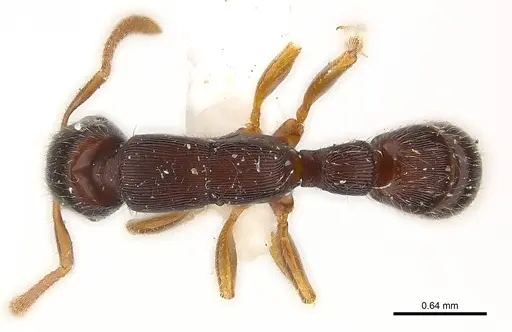
CASENT0900556
Lihat di AntWeb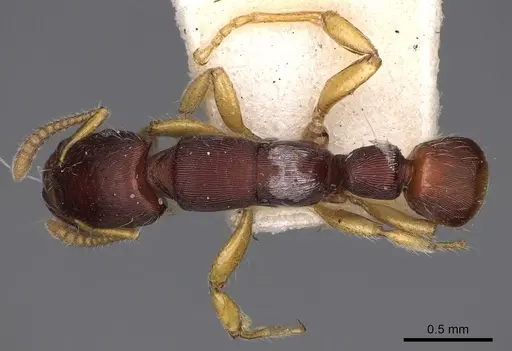
CBUMAGENT41746
Lihat di AntWeb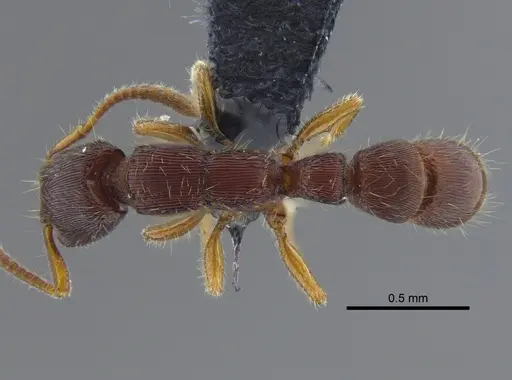
IAVH50873
Lihat di AntWeb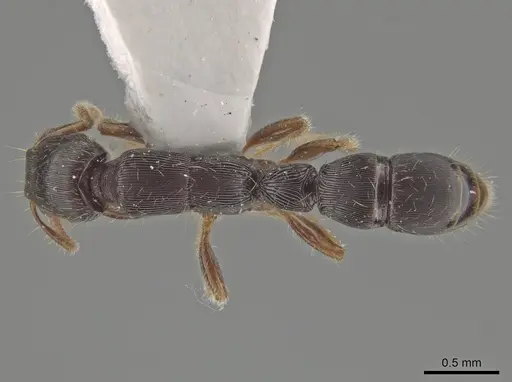
USNMENT01133883
Lihat di AntWeb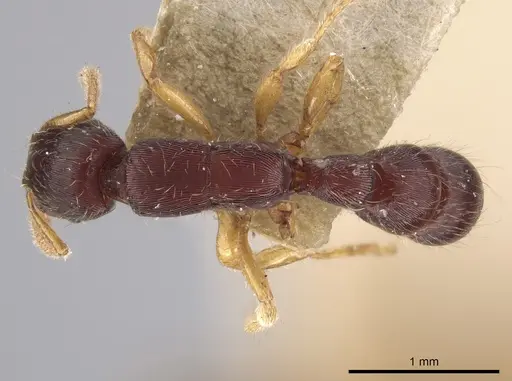
Literatur
Memuat peta distribusi...Memuat produk...