
Dolichoderus brevithorax
- Nama Ilmiah
- Dolichoderus brevithorax
- Tribe
- Dolichoderini
- Subfamili
- Dolichoderinae
- Penulis
- Menozzi, 1928
- Distribusi
- Ditemukan di 0 negara
Pendahuluan
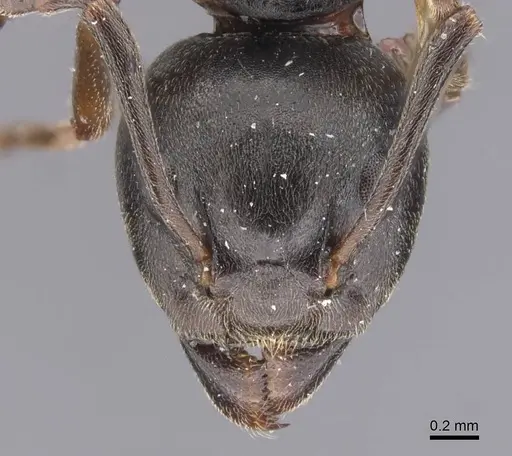
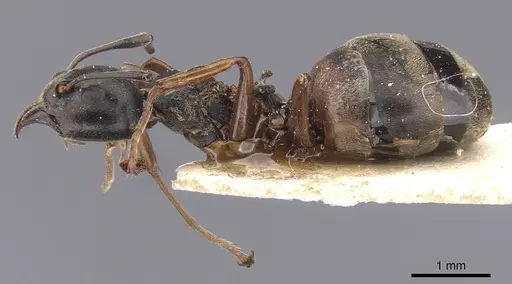
Dolichoderus brevithorax is a small to medium-sized ant measuring 5-6 mm in total length, belonging to the Dolichoderus cuspidatus species group known as 'herdsmen ants' . Workers have a distinctive appearance with very short, blunt mesonotal spines and similarly short, plump propodeal spines - a key identifying feature that separates them from related species like Dolichoderus cuspidatus and Dolichoderus furcifer . Their body is dark brown to black with a matt, finely reticulate-punctate surface and dense yellow pubescence . This species is known only from North Sumatra (Medan), making it one of the more geographically restricted Dolichoderus species . As a member of the herdsmen ant group, they likely tend mealybugs for honeydew, though their exact biology remains unstudied [AntWiki].
Quick Summary
- Difficulty: Medium
- Origin & Habitat: North Sumatra (Medan), Indonesia, tropical rainforest environment [1]
- Colony Type: Unconfirmed, colony structure has not been specifically documented for this species
- Size & Growth:
- Queen: Size data unavailable, no published measurements for queens of this species
- Worker: 5.06-5.98 mm [1]
- Colony: Unknown, no published data on maximum colony size
- Growth: Unknown, development has not been specifically studied
- Development: Unknown, no species-specific data available (Development timeline is unconfirmed for this species. Tropical ant species generally develop faster than temperate ones, but specific timelines are unknown.)
- Antkeeping:
- Temperature: Keep at 24-28°C, they are tropical ants from Sumatra [1]. A heating cable on one side of the nest creates a gradient and helps maintain warmth.
- Humidity: High humidity preferred (70-85%). These are tropical forest ants that need moist conditions. Keep the nest substrate consistently damp but not waterlogged.
- Diapause: No, being a tropical species from near the equator, they do not require hibernation. Maintain consistent temperatures year-round.
- Nesting: In captivity, Y-tong (AAC) nests or plaster nests work well. They are believed to be arboreal-nesting ants in the wild, so provide vertical space and climbing structures. Test tubes with cotton water reservoirs are suitable for founding colonies.
- Behavior: Dolichoderus brevithorax is a calm, non-aggressive species typical of the genus. As herdsmen ants, they are likely to tend mealybugs or scale insects when given the opportunity, making them interesting to watch. Workers are moderately active and will forage for honeydew and small prey. They are not strong climbers but can escape through small gaps, use standard escape prevention. They have moderate escape risk due to their 5-6 mm size.
- Common Issues: limited availability, this species is rarely available in the antkeeping hobby due to its restricted range, biology is poorly documented, care recommendations are based on genus-level inference rather than species-specific research, tropical humidity requirements can lead to mold issues if ventilation is inadequate, slow colony growth compared to faster-developing species may frustrate beginners, wild-caught colonies may have parasites that are difficult to treat without species-specific knowledge
Nest Preferences and Housing
Dolichoderus brevithorax is believed to be a tree-nesting species typical of the herdsmen ant group. In captivity, they do well in Y-tong (AAC) nests or plaster nests that maintain humidity. Since they are from tropical Sumatra, they need consistent warmth and moisture. A test tube setup works well for founding colonies, use a standard test tube with a cotton ball creating a water reservoir. For established colonies, provide a nest with multiple chambers and some vertical space, as these ants may climb and explore. Avoid completely dry environments or nests that dry out quickly. Adding some climbing structures or fake plants in the outworld mimics their natural arboreal habitat and gives them enrichment. [1]
Feeding and Diet
As herdsmen ants, Dolichoderus brevithorax likely feeds primarily on honeydew collected from mealybugs or scale insects, supplemented with small insects for protein. In captivity, offer sugar water or honey water as a constant energy source. For protein, provide small insects like fruit flies, small crickets, or mealworm pieces. You can experiment with offering mealybugs in the setup to observe their natural herding behavior, this is one of the most interesting aspects of keeping herdsmen ants. Feed protein prey 2-3 times per week, and keep sugar water available at all times. Remove uneaten prey after 24-48 hours to prevent mold. [2]
Temperature and Seasonal Care
Being a tropical species from North Sumatra, Dolichoderus brevithorax needs warm conditions year-round. Keep the nest area at 24-28°C (75-82°F). A small heating cable placed on one side of the nest can help maintain these temperatures, especially in cooler rooms. Do not allow temperatures to drop below 22°C for extended periods. Unlike temperate species, they do not require a winter diapause or hibernation period. Maintain consistent temperatures throughout the year, avoid drafts and sudden temperature fluctuations. Room temperature in most homes may be too cool, so monitor with a thermometer and adjust heating accordingly. [1]
Behavior and Colony Dynamics
Dolichoderus brevithorax is a calm, non-aggressive species that builds colonies gradually. Workers are moderately active and will forage both in the nest and outworld. The species gets its name 'herdsmen' from their behavior of tending mealybugs and other hemipterans, they protect these insects and harvest their honeydew secretion. If you provide mealybugs in the setup, you may observe this symbiotic behavior. Colony size is not documented for this species, maximum worker count is unknown. Queens are unconfirmed for founding behavior, claustral founding is typical for the genus but not specifically documented for this species. [1]
Acquiring and Establishing a Colony
Dolichoderus brevithorax is rarely available in the antkeeping hobby due to its restricted distribution in North Sumatra. If you obtain a colony, it will likely be wild-caught. Quarantine new colonies for a few weeks and monitor for parasites or health issues. For founding colonies, use a simple test tube setup with a water reservoir. Place the tube in a dark, quiet location and minimize disturbances until the first workers (nanitics) emerge. After the colony reaches 10-20 workers, you can consider moving them to a proper nest. Be patient, this species grows at an unknown rate and may take several months to establish a strong colony. [2]
Frequently Asked Questions
How long does it take for Dolichoderus brevithorax to have first workers?
This is unknown, the species has not been specifically studied and no development timeline data exists. Expect several weeks to a couple months at tropical temperatures (25-28°C), but this is a rough estimate based on general ant development patterns.
What do Dolichoderus brevithorax ants eat?
They are herdsmen ants that primarily feed on honeydew from mealybugs or scale insects. In captivity, offer sugar water or honey water constantly, plus small insects like fruit flies or cricket pieces for protein. You can also try providing mealybugs to observe their natural herding behavior.
What temperature do Dolichoderus brevithorax need?
Keep them warm at 24-28°C (75-82°F). They are tropical ants from Sumatra and need consistent warmth year-round. A small heating cable on part of the nest can help maintain proper temperatures.
Is Dolichoderus brevithorax good for beginners?
This species is rated as medium difficulty. While not aggressive, their care requirements (tropical warmth and humidity) and unknown growth rate make them better suited for intermediate antkeepers. Their rarity in the hobby also makes obtaining them challenging.
Do Dolichoderus brevithorax need hibernation?
No, they do not need hibernation. Being a tropical species from near the equator in North Sumatra, they require consistent temperatures year-round. Do not expose them to cold temperatures or simulate winter conditions.
How big do Dolichoderus brevithorax colonies get?
Colony size is not documented for this specific species. No published data exists on maximum worker count. Expect moderate growth over time, but exact colony size potential is unknown.
Can I keep multiple Dolichoderus brevithorax queens together?
This is unconfirmed for this species. No published data exists on colony structure or queen number. Based on typical genus behavior, single-queen colonies are most likely, but this has not been documented for brevithorax specifically.
What size nest should I use for Dolichoderus brevithorax?
Use a test tube for founding colonies. Once the colony reaches 15-20 workers, you can move them to a Y-tong or plaster nest with multiple chambers. Provide some vertical space and climbing structures since they are believed to be arboreal-nesting ants.
Why is Dolichoderus brevithorax so hard to find?
This species has a very restricted distribution, it is only known from North Sumatra (Medan), Indonesia. This limited geographic range and the species' rarity in the hobby make them difficult to acquire. Most antkeepers will not find them readily available.
Report an Issue
The current care sheet is based fully on literature. See inconsistencies, or something that's incorrect? Please , it will be resolved after review from an admin. Contributing to the blogs tab also helps providing information, to make us be able to further improve the caresheets. Thank you for your support!
References

Lembar perawatan ini dilisensikan di bawah CC BY-SA 4.0 .
Blog Komunitas
CASENT0911496
Lihat di AntWeb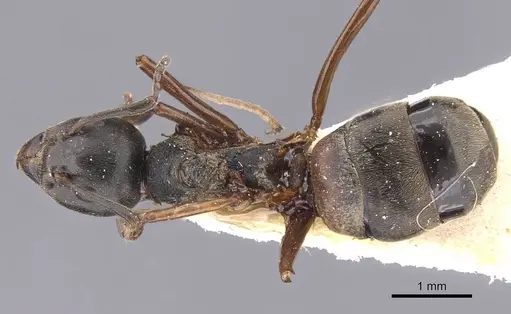
Literatur
Memuat peta distribusi...Memuat produk...