
Dolichoderus albamaculus
- Nama Ilmiah
- Dolichoderus albamaculus
- Tribe
- Dolichoderini
- Subfamili
- Dolichoderinae
- Penulis
- Shattuck & Marsden, 2013
- Distribusi
- Ditemukan di 1 negara
Pendahuluan
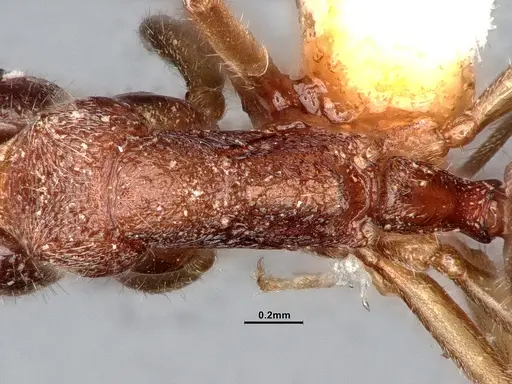
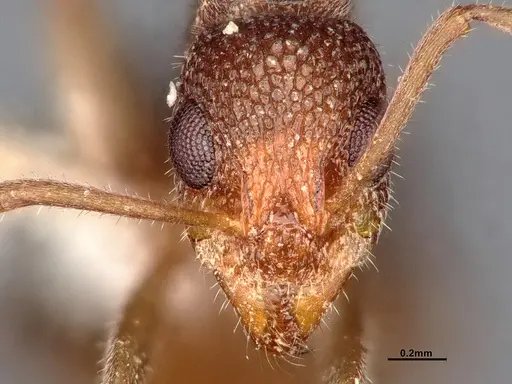
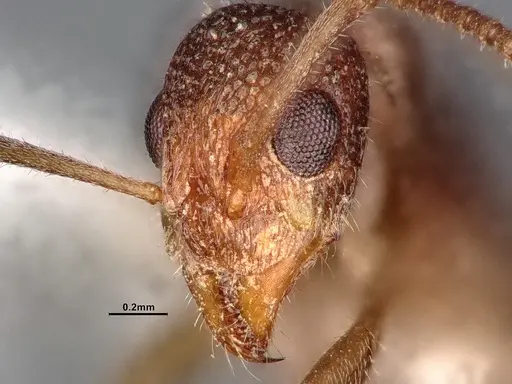
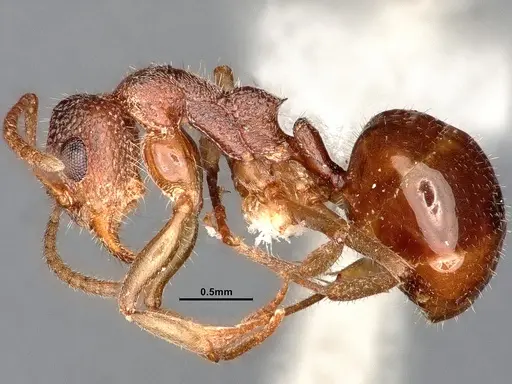
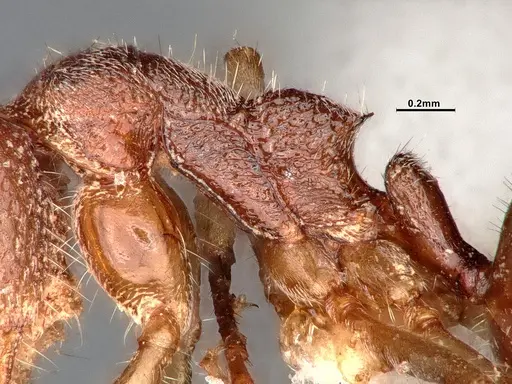
Dolichoderus albamaculus is a small ant species native to semi-arid southern Australia, found from the Western Australian coast to eastern South Australia. Workers have a dark body with distinctive pale markings near the lower margin of the eye. The propodeum lacks spines and has a strongly concave posterior face separated from the dorsal face by a distinct carina. This species is closely related to Dolichoderus semiorbis but can be distinguished by the presence of erect hairs on the tibiae. Only the worker caste has been documented, making this a poorly understood species in the antkeeping hobby . These ants are diurnal generalists that forage in columns along the ground and low vegetation. They scavenge for food and tend aphids and other Hemiptera for honeydew. In the wild, they nest in soil under rocks or in rotting wood across open scrub and Acacia woodland habitats .
Quick Summary
- Difficulty: Medium
- Origin & Habitat: Semi-arid southern Australia, from Western Australian coast to eastern South Australia. Found in open scrub and Acacia woodland habitats [1][2].
- Colony Type: Colony structure is unconfirmed. Only worker caste has been documented.
- Size & Growth:
- Queen: Unknown, queen has not been described [1]
- Worker: Size data unavailable, only head measurements exist in scientific literature. Based on typical Dolichoderus genus patterns, workers likely measure approximately 3-4mm total length.
- Colony: Unknown, no colony size data available
- Growth: Unknown, no development data available
- Development: Unknown, no development data exists for this species (Development timeline is unconfirmed.)
- Antkeeping:
- Temperature: Keep at 22-26°C. Based on semi-arid Australian habitat, they prefer warm conditions. A gentle heat gradient is recommended.
- Humidity: Keep relatively dry, semi-arid habitat. Provide a moisture gradient with a small moist area for brood but allow other areas to dry. Avoid overly damp conditions.
- Diapause: Likely required. Southern Australia experiences cool winters. Provide 2-3 months at 10-15°C during winter.
- Nesting: Natural nesting is in soil under rocks or in rotten wood. In captivity, a Y-tong (AAC) nest with small chambers or a test tube setup works well. Provide some soil or substrate for tunneling. They prefer tight, confined spaces.
- Behavior: Workers are diurnal and forage in columns along the ground and low vegetation. They are general scavengers and will accept a variety of foods. They tend aphids for honeydew. Temperament is typically non-aggressive. Escape prevention is critical, workers are small and can squeeze through standard barrier gaps. Use fine mesh and tight-fitting lids.
- Common Issues: escape prevention is critical, their small size means they can escape through standard barriers, queen and founding behavior is completely unknown, no documented colony foundation, humidity management is tricky, they need dry conditions but brood requires some moisture, no established husbandry guidelines exist since this species is rarely kept, colony growth rate is unconfirmed due to lack of captive data
Housing and Nest Setup
Dolichoderus albamaculus requires careful attention to housing due to its small size. In the wild, they nest in soil under rocks or in rotting wood. For captivity, a Y-tong (AAC) nest with small, tight chambers works well. Alternatively, a small test tube setup with a moist cotton ball can serve as a founding setup. The key is providing appropriately scaled spaces. Avoid tall, open formicarium spaces as they prefer tight, confined areas. Include a layer of substrate or soil-like material to allow natural tunneling behavior. The outworld should be simple with easy access to food. Escape prevention is critical, use fine mesh and ensure all connections are sealed tightly. [1][2]
Feeding and Diet
Like other Dolichoderus species, D. albamaculus is a generalist scavenger and will accept a variety of foods. In the wild, they forage in columns and scavenge along with tending aphids and other Hemiptera for honeydew. In captivity, offer protein sources such as small insects, and provide sugar sources like sugar water, honey, or diluted honey water. Since they tend aphids in the wild, they likely accept honeydew but this should be offered experimentally. Feed small amounts 2-3 times per week, removing uneaten food to prevent mold. Fresh water should always be available. [2]
Temperature and Seasonal Care
This species comes from semi-arid southern Australia, suggesting they prefer warm, relatively dry conditions. Maintain temperatures between 22-26°C in the nest area. A heat gradient allowing them to choose their preferred temperature is ideal. During the Australian winter, temperatures in their range drop significantly, so a diapause period is likely required. Provide 2-3 months at 10-15°C during winter to simulate natural seasonal cycles. This diapause is important for colony health and may trigger reproductive behavior. Monitor colony activity levels, if they become sluggish and cluster together, they may be too cold. [1][2]
Behavior and Foraging
Workers are diurnal, meaning they are active during the day. They forage in characteristic columns along the ground and up into low vegetation and trees. This foraging behavior should be replicated in captivity by providing easy access from nest to outworld. They are general scavengers and not particularly aggressive, making them relatively calm in captivity. However, their small size makes them excellent escape artists. Always use barrier methods appropriate for their size. Watch for them exploring lid seams and connection points. They are not known to sting and pose no danger to keepers. [2]
Frequently Asked Questions
How long does it take for Dolichoderus albamaculus to produce first workers?
The egg-to-worker timeline is unconfirmed for this species. No direct development data exists.
What do Dolichoderus albamaculus ants eat?
They are generalist scavengers. Offer small insects for protein, and sugar sources like sugar water, honey water, or honeydew. Feed 2-3 times per week with small amounts.
Can I keep multiple Dolichoderus albamaculus queens together?
This is unknown. The colony structure has not been documented for this species. Combining unrelated queens is not recommended without evidence they accept multiple queens.
What temperature do Dolichoderus albamaculus need?
Keep them at 22-26°C. They come from semi-arid southern Australia and prefer warm conditions. A gentle heat gradient allowing them to choose their preferred temperature is ideal.
Do Dolichoderus albamaculus need hibernation?
Yes, a diapause period is likely required. In their native southern Australia, winters are cool. Provide 2-3 months at 10-15°C during winter.
Why are my Dolichoderus albamaculus escaping?
Their small size makes them excellent escape artists. Use fine mesh barriers, ensure all lids fit tightly, and check all connection points regularly. Standard fluon barriers may not be sufficient for their size.
Is Dolichoderus albamaculus good for beginners?
This species is not recommended for beginners. Very little is known about their care in captivity, colony structure is unconfirmed, and their small size requires specialized escape prevention. They are also rarely available in the antkeeping hobby.
When should I move Dolichoderus albamaculus to a formicarium?
Wait until the colony reaches a moderate size. These are small ants that do well in test tube setups or small Y-tong nests. Only move to a larger formicarium when the colony clearly outgrows its current housing.
How big do Dolichoderus albamaculus colonies get?
Colony size is unknown, no colony size data exists for this species.
Report an Issue
The current care sheet is based fully on literature. See inconsistencies, or something that's incorrect? Please , it will be resolved after review from an admin. Contributing to the blogs tab also helps providing information, to make us be able to further improve the caresheets. Thank you for your support!
References

Lembar perawatan ini dilisensikan di bawah CC BY-SA 4.0 .
Blog Komunitas
CASENT0886100
Lihat di AntWeb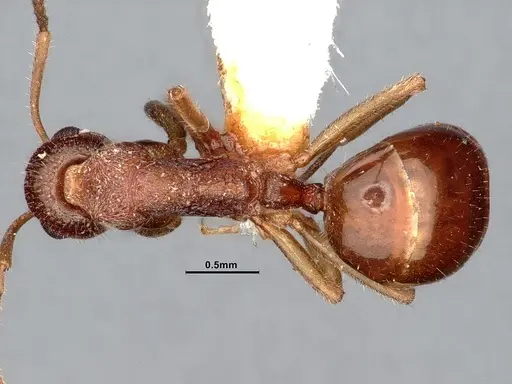
Literatur
Memuat peta distribusi...Memuat produk...