
Diacamma timorense
- Nama Ilmiah
- Diacamma timorense
- Tribe
- Ponerini
- Subfamili
- Ponerinae
- Penulis
- Emery, 1887
- Distribusi
- Ditemukan di 0 negara
Pendahuluan
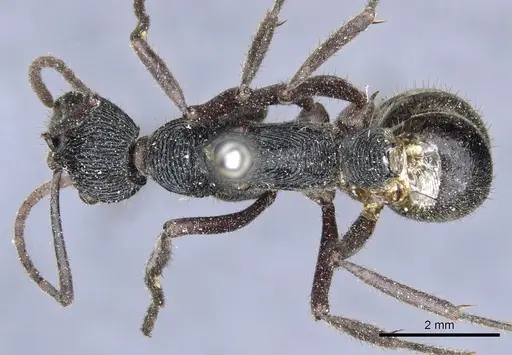
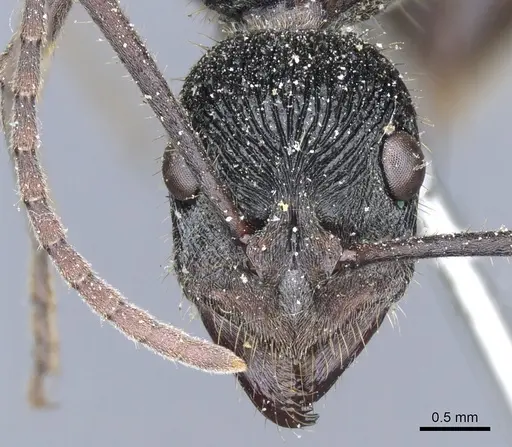
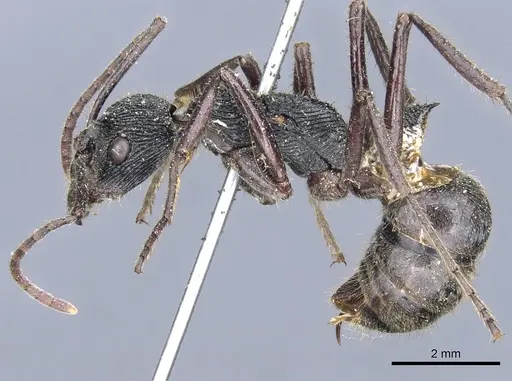
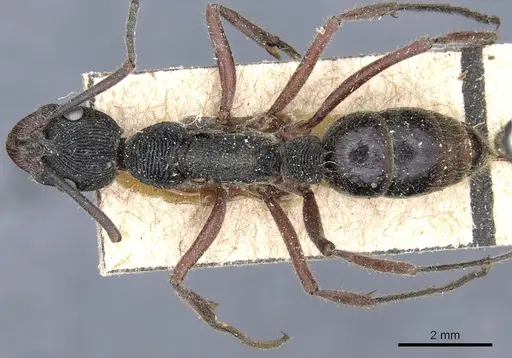
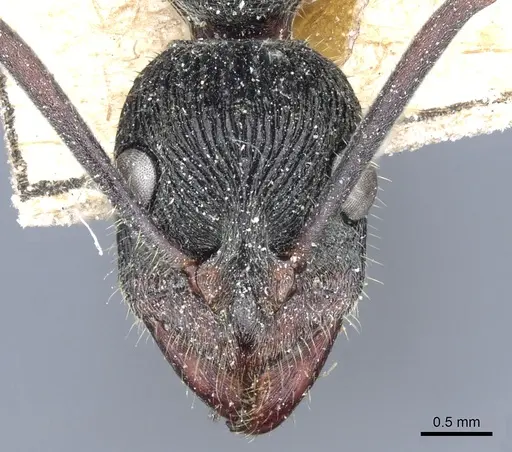
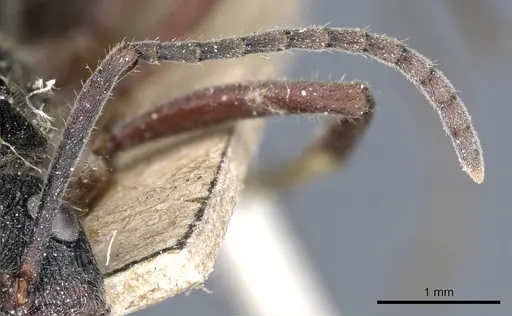
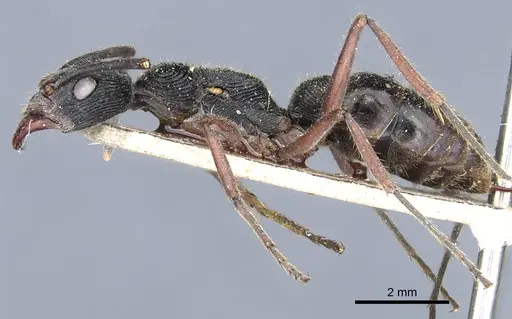
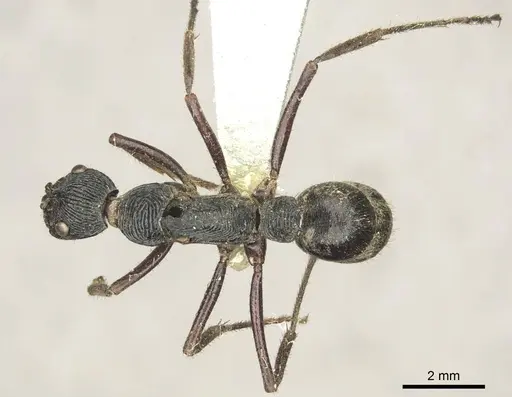
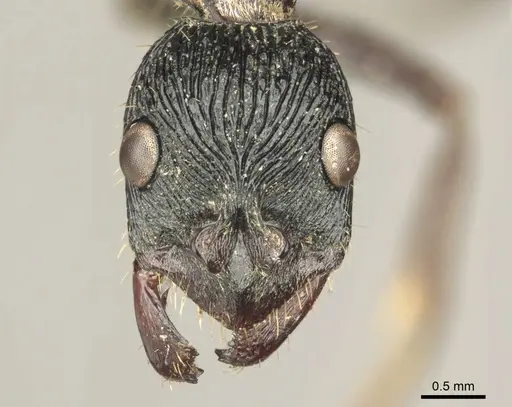
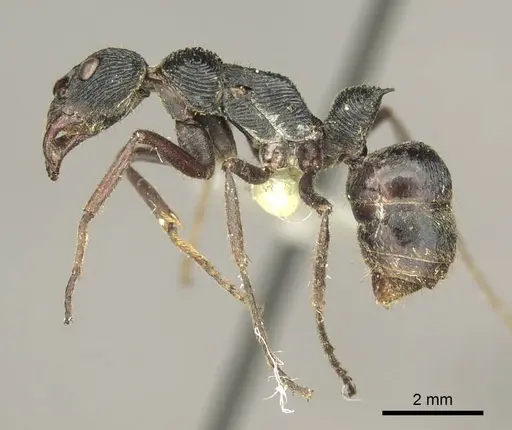
Diacamma timorense is a slender ponerine ant native to Timor Island in Indonesia. Workers measure 10.5-10.8mm in total length, making them a medium-sized ant species . They have a black, shiny body from the head to the first gaster segment, covered in numerous short brown erect hairs. The striation pattern is coarse on the head and thorax but much finer on the abdomen. This species was originally described as a subspecies of Diacamma javanum but was elevated to full species status in 2016 following taxonomic review . What makes Diacamma timorense interesting is the genus-level trait of gamergate reproduction - workers can become replacement reproductives if the primary queen dies, ensuring colony survival without needing a new queen. This is a relatively rare system in ants.
Quick Summary
- Difficulty: Medium
- Origin & Habitat: Timor Island in Indonesia, part of the Indomalaya region. They inhabit tropical areas and likely live in soil nests or under stones in forest environments [1][2].
- Colony Type: Queenless, no distinct queen caste, reproduction by gamergates (reproductive workers).
- Queen Status: Queenless Colony
- Size & Growth:
- Queen: Queenless species, reproduction by gamergate (reproductive worker) instead of a distinct queen caste.
- Worker: 10.5-10.8mm [1]
- Colony: Unknown for this specific species
- Growth: Moderate, estimated based on genus patterns
- Development: Unknown, estimated 6-10 weeks based on related Ponerinae species at optimal temperature (Development time is unconfirmed for this species. Ponerine ants generally have slower development than many Myrmicinae species.)
- Antkeeping:
- Temperature: Keep at 24-28°C. As a tropical species from Timor Island, they need warm conditions year-round. A heating cable on one side of the nest can provide a gradient.
- Humidity: Maintain moderate to high humidity, around 60-80%. Keep the nest substrate consistently moist but not waterlogged. Ponerine ants typically prefer damp conditions.
- Diapause: No, as a tropical species from Timor Island, they do not require hibernation. Keep them warm year-round.
- Nesting: Use a naturalistic setup with moist substrate or a Y-tong/plaster nest. They do well with damp soil conditions and benefit from narrow chambers scaled to their size. A test tube setup can work for founding colonies if kept warm and humid.
- Behavior: Diacamma timorense is a predatory ponerine ant with active foraging behavior. They are likely to be more aggressive than typical house ants and possess a functional sting, Ponerinae ants can deliver painful stings. Workers are medium-sized and active hunters. Escape prevention should be good but not as critical as for tiny species. They likely use chemical trails for recruitment to food sources.
- Common Issues: tropical warmth requirements mean colonies can struggle in cool rooms without heating, predatory diet means they need constant access to live protein prey, failure to feed adequate live food often causes colony decline, gamergate system means colonies may survive queen loss but this can cause social upheaval, humidity needs are moderate to high, too dry environments cause brood failure, sting capability means they can deliver painful stings when threatened, handle with care
Housing and Nest Setup
Diacamma timorense does well in naturalistic setups that replicate their natural tropical habitat. A Y-tong nest with moist plaster or soil works well, as does a traditional formicarium with a dirt chamber. The key is maintaining consistent moisture in the nest area while providing a foraging area. For founding colonies, a test tube setup can work if you maintain high humidity around the tube and keep it in a warm location (around 26-28°C). The nest should have chambers scaled to their medium size. Provide a water tube for drinking and mist the outworld occasionally to maintain humidity. [1][2]
Feeding and Diet
As a Ponerinae ant, Diacamma timorense is predatory and needs a protein-rich diet. Feed them live small invertebrates such as fruit flies, small crickets, mealworms, and other small arthropods. They are active hunters and will chase down prey. Sugar sources like honey water or sugar water can be offered occasionally but should not be the primary food. Feed protein prey 2-3 times per week, removing any uneaten prey after 24 hours. Always provide fresh water.
Temperature and Seasonal Care
Being from tropical Timor Island, Diacamma timorense needs warm conditions year-round. Keep the nest area at 24-28°C consistently. Unlike temperate species, they do not require hibernation or cooling periods. A heating cable placed on top of the nest can help maintain optimal temperatures, especially in cooler rooms. Room temperature alone may be insufficient, monitor with a thermometer. Cold temperatures will slow or stop brood development and can weaken the colony. They are adapted to stable tropical conditions, so avoid temperature fluctuations. [1]
Behavior and Colony Dynamics
Diacamma timorense exhibits the gamergate system common to the genus. This means if the queen dies or is lost, workers can become reproductives and take over egg-laying duties. Workers are active foragers and will hunt prey in the outworld. They likely use chemical pheromone trails to recruit nestmates to food sources. The sting is functional and can deliver a painful injection, these ants should be handled with care.
Growth and Development
The exact development timeline for Diacamma timorense is not documented in scientific literature. Based on typical Ponerinae patterns, expect 6-10 weeks from egg to first worker at optimal warm temperatures. The first workers will be smaller than mature workers. Growth rate is moderate. The gamergate system means colonies can be more resilient to queen loss.
Frequently Asked Questions
How long does it take for Diacamma timorense to raise first workers?
The exact timeline is unconfirmed for this species, but based on related Ponerinae ants, expect 6-10 weeks from egg to first worker at optimal warm temperatures (around 26°C). The queen will seal herself in a chamber and raise the first brood alone until nanitic workers emerge.
What do Diacamma timorense ants eat?
They are predatory ants that need live protein prey. Feed them small insects like fruit flies, small crickets, mealworms, and other small arthropods. Offer protein 2-3 times per week. Sugar water or honey water can be offered occasionally but is not their primary food.
Can I keep multiple Diacamma timorense queens together?
This species is likely monogyne (single queen). Combining unrelated queens is not recommended as they would likely fight. The genus does have gamergate reproduction where workers can become reproductives if the queen dies, but this is different from keeping multiple founding queens together.
Do Diacamma timorense need hibernation?
No, they do not need hibernation. Being from tropical Timor Island, they require warm conditions year-round (24-28°C). Hibernation would be harmful to them.
Are Diacamma timorense good for beginners?
They are rated as medium difficulty. They require warm tropical conditions, consistent humidity, and a predatory diet of live prey. If you have experience with Ponerinae ants or are willing to provide specialized care, they can be rewarding. They are not the best choice for a first ant due to their specific temperature and dietary needs.
How big do Diacamma timorense colonies get?
Colony size is not directly documented for this species. Growth is moderate over time under good conditions.
When should I move Diacamma timorense to a formicarium?
Move them when the colony reaches around 20-30 workers and the test tube setup becomes cramped. Make sure the formicarium has appropriately sized chambers and maintains good humidity. They do well in naturalistic setups with moist substrate.
Why is my Diacamma timorense colony declining?
Common causes include: too cool temperatures (below 24°C), insufficient live protein prey, dry nest conditions, or mold from overwatering. Check all three: temperature, food (must be live prey), and humidity. Also ensure the colony is not being disturbed too frequently.
Report an Issue
The current care sheet is based fully on literature. See inconsistencies, or something that's incorrect? Please , it will be resolved after review from an admin. Contributing to the blogs tab also helps providing information, to make us be able to further improve the caresheets. Thank you for your support!
References

Lembar perawatan ini dilisensikan di bawah CC BY-SA 4.0 .
Blog Komunitas
Literatur
Memuat peta distribusi...Memuat produk...