
Diacamma symposium
- Nama Ilmiah
- Diacamma symposium
- Tribe
- Ponerini
- Subfamili
- Ponerinae
- Penulis
- Zettel <i>et al.</i>, 2016
- Distribusi
- Ditemukan di 0 negara
Pendahuluan
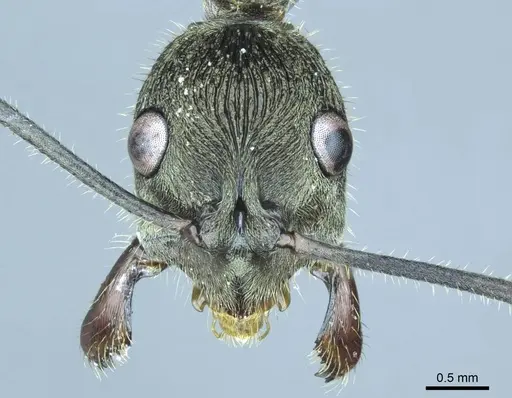
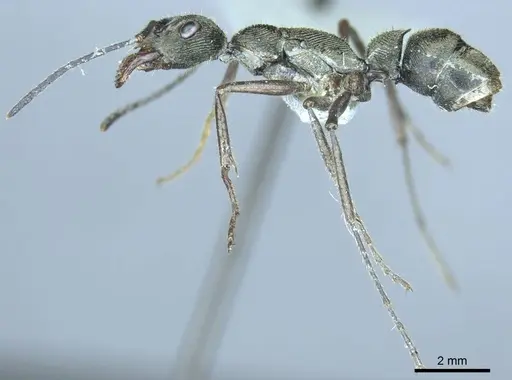
Diacamma symposium is a medium-sized predatory ant species endemic to the Philippines, specifically Mindanao Island. Workers measure 11.0-12.3mm total length with a distinctive black, moderately shiny body and reddish legs . The head is elongated with medium-sized bulging eyes, and the petiole is high, short, and narrow with prominent teeth . This species belongs to the Ponerinae subfamily, known for their powerful sting and predatory lifestyle. The genus Diacamma is remarkable for its gamergate system - unlike most ants where only the queen reproduces, in Diacamma colonies certain workers can become reproductive and function as replacement egg-layers if the primary reproductive dies. This species is only known from its type locality in Bukidnon province, making it a rare species in the antkeeping hobby.
Quick Summary
- Difficulty: Medium
- Origin & Habitat: Philippines (Mindanao Island), found only at the type locality in Bukidnon province. Tropical forest environment.
- Colony Type: Queenless, no distinct queen caste, reproduction by gamergates (reproductive workers).
- Queen Status: Queenless Colony
- Colony: Monogyne
- Special: Gamergates
- Size & Growth:
- Queen: Queenless species, reproduction by gamergate (reproductive worker) instead of a distinct queen caste.
- Worker: 11.0-12.3mm total length [1]
- Colony: Unknown for this species, related Diacamma species typically reach several hundred workers
- Growth: Moderate, Ponerine ants generally develop slower than many common hobby species
- Development: Unknown, estimated 8-12 weeks based on related Ponerinae species at 25°C (Ponerine ants typically have longer development times than many common hobby species.)
- Antkeeping:
- Temperature: Keep at 24-28°C, tropical species requiring warm conditions. A heating cable on one side of the nest creates a gentle gradient.
- Humidity: High humidity needed, aim for 70-80%. Keep the nest substrate consistently moist but not waterlogged.
- Diapause: No, being a tropical species from Mindanao, they do not require hibernation. Keep warm year-round.
- Nesting: Y-tong (AAC) nests or plaster nests work well. Provide moist substrate and narrow chambers. They prefer dark, humid nest conditions.
- Behavior: Diacamma symposium is a predatory ant with a potent sting. Workers are active foragers that hunt small invertebrates. They are moderately aggressive when defending the colony and will readily use their sting if threatened. Escape prevention is important, while not tiny, they are agile and determined. They do not form supercolonies and are not invasive.
- Common Issues: sting pain, these ants can deliver a painful sting, handle with care, humidity management, too dry and colonies will decline, too wet and mold becomes a problem, slow growth, Ponerines grow slower than many hobby species, beginners may lose patience, limited availability, this species is rarely available in the antkeeping hobby, gamergate confusion, colony may not have a queen but workers can reproduce, this is normal for Diacamma
Housing and Nest Setup
Diacamma symposium does well in Y-tong (AAC) nests or plaster formicariums that maintain humidity. These ants prefer dark, humid conditions similar to their natural forest-floor habitat in Mindanao. The nest chambers should be appropriately scaled to their 11-12mm worker size, not too large, but spacious enough for the colony to move freely. Provide a water reservoir or moisture source to maintain humidity. The outworld should include a small foraging area where you can offer prey. Use a test tube setup for founding colonies, transitioning to a proper nest once the colony reaches 20-30 workers. [1]
Feeding and Diet
As a Ponerinae ant, D. symposium is predatory and needs a protein-rich diet. Offer small live invertebrates such as fruit flies, small crickets, mealworms, and other appropriately-sized prey. They will likely accept most small arthropods. Sugar sources may be accepted but protein should form the primary diet. Feed prey 2-3 times per week, adjusting based on colony size and consumption. Remove uneaten prey after 24-48 hours to prevent mold. Fresh water should always be available.
Temperature and Seasonal Care
Keep your colony at 24-28°C year-round. Being from tropical Mindanao in the Philippines, they do not experience cold winters and do not require hibernation or diapause. A heating cable placed on one side of the nest can create a temperature gradient, allowing ants to self-regulate. Avoid temperature drops below 22°C as this can slow development and weaken the colony. Room temperature in most homes may be too cool, consider supplemental heating if your environment is below their preferred range. [1]
Understanding the Gamergate System
Diacamma species are unique in the ant world for their gamergate system. Unlike most ants where only the queen can reproduce, in Diacamma colonies certain workers can become reproductive and lay eggs, these are called gamergates. If the primary reproductive dies, a gamergate worker can take over its role. This means your colony may not have a visible queen but can still be healthy and growing. Do not assume the colony is queenless if you do not see a large queen, a gamergate worker may be the reproductive.
Handling and Safety
Diacamma ants have a potent sting from the Ponerinae subfamily. While not aggressive by nature, they will defend their colony vigorously if threatened. When working with your colony, use caution, avoid disturbing the nest unnecessarily, and consider using long-handled tools when moving colonies or cleaning the outworld. The sting can cause significant pain and in rare cases allergic reactions. Keep ant-specific glue or fluon on hand for escape prevention, but apply it in ventilated areas away from the ants. If stung, wash the area with soap and water and monitor for allergic reactions.
Frequently Asked Questions
How long does it take for Diacamma symposium to produce first workers?
The exact timeline is unknown for this species, but based on related Ponerinae ants, expect 8-12 weeks from egg to worker at optimal temperature (25°C). Ponerine ants generally develop slower than many common hobby species like Lasius or Camponotus.
Can I keep multiple Diacamma queens together?
Not recommended. Diacamma colonies typically have a single reproductive (queen or gamergate). Combining unrelated queens has not been documented for this species and would likely result in aggression.
What do Diacamma symposium ants eat?
They are predatory ants that need protein-rich food. Feed small live prey such as fruit flies, small crickets, mealworms, and other small invertebrates. Sugar water may be accepted occasionally but protein should be the primary food source.
Are Diacamma symposium good for beginners?
They are considered medium difficulty. While not the hardest species, they require warm temperatures, high humidity, and proper sting safety. They are also rarely available in the hobby. Beginners may want to start with easier species like Lasius or Tetramorium.
Do Diacamma symposium need hibernation?
No, they are tropical ants from the Philippines and do not require hibernation. Keep them warm year-round at 24-28°C.
Why is my Diacamma colony not growing?
Check temperature (should be 24-28°C), humidity (should be 70-80% and substrate moist), and food quality (needs live protein prey). Ponerines grow slower than many species, if these conditions are met, be patient.
How big do Diacamma symposium colonies get?
The maximum colony size is unknown for this specific species, but related Diacamma species typically reach several hundred workers. Growth is moderate and takes time.
When should I move Diacamma symposium to a formicarium?
Move them when the test tube colony reaches 20-30 workers and the test tube is becoming crowded. Ensure the new nest maintains similar humidity levels, sudden drying can stress the colony.
Report an Issue
The current care sheet is based fully on literature. See inconsistencies, or something that's incorrect? Please , it will be resolved after review from an admin. Contributing to the blogs tab also helps providing information, to make us be able to further improve the caresheets. Thank you for your support!
References

Lembar perawatan ini dilisensikan di bawah CC BY-SA 4.0 .
Blog Komunitas
CASENT0916094
Lihat di AntWeb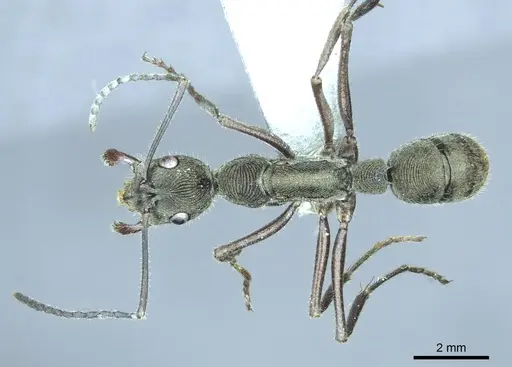
Literatur
Memuat peta distribusi...Memuat produk...