
Diacamma purpureum
- Nama Ilmiah
- Diacamma purpureum
- Tribe
- Ponerini
- Subfamili
- Ponerinae
- Penulis
- Smith, 1863
- Distribusi
- Ditemukan di 0 negara
Pendahuluan
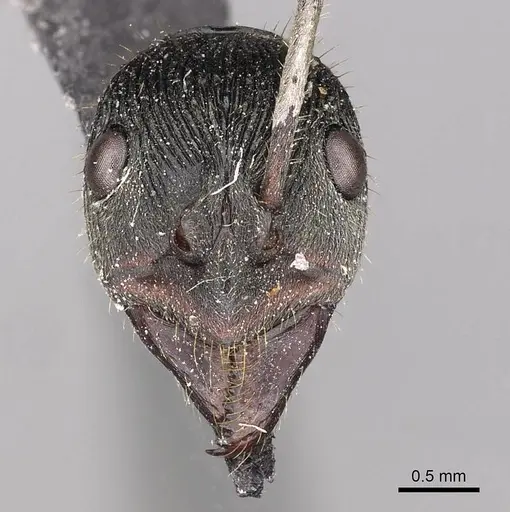
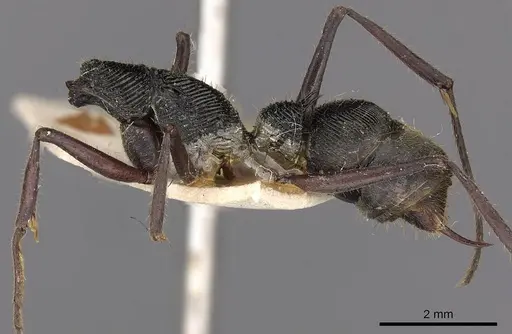
Diacamma purpureum is a Ponerine ant species native to the Australasian and Indomalaya regions, found throughout New Guinea and northern Queensland, Australia, as well as the Moluccan islands including Halmahera [AntWiki]. Workers are monomorphic (all the same size) and display a distinctive purple-blue to metallic coloration typical of the genus. This species is notable for its sophisticated foraging and recruitment behaviors, and it inhabits tropical and montane rainforest environments at elevations between 550-760 meters . Colonies are strictly queenright with a single reproductive queen, and worker reproduction has been documented in established colonies .
Quick Summary
- Difficulty: Medium
- Origin & Habitat: Native to tropical northern Queensland, New Guinea, and the Moluccan islands (Halmahera). Inhabits tropical and montane rainforest environments at 550-760m altitude. Absent from lowland rainforest but restricted to montane rainforest in New Guinea [2][4].
- Colony Type: Queenless, no distinct queen caste, reproduction by gamergates (reproductive workers).
- Queen Status: Queenless Colony
- Colony: Monogyne
- Size & Growth:
- Queen: Queenless species, reproduction by gamergate (reproductive worker) instead of a distinct queen caste.
- Worker: Size data unavailable, workers are monomorphic but no specific measurements documented [3]
- Colony: Exact colony size not documented in available literature
- Growth: Moderate, based on typical Ponerine development patterns
- Development: Estimated 6-10 weeks at optimal temperature based on related Ponerine species (Development time not directly studied for this species. Ponerine ants typically have slower development than many Myrmicines.)
- Antkeeping:
- Temperature: Keep at 24-28°C. This species comes from tropical rainforest environments so warmth and humidity are important [2]. Use a heating cable on one side of the nest to create a gradient if room temperature is below this range.
- Humidity: High humidity required, aim for 70-80% relative humidity. Keep the nest substrate consistently moist but not waterlogged. Mist occasionally and provide a water tube.
- Diapause: No, this is a tropical species from rainforest habitats. They do not require hibernation [2]. Maintain consistent temperatures year-round.
- Nesting: In nature they nest in soil and rotting wood in rainforest habitats. In captivity, a Y-tong (AAC) nest or plaster nest with good moisture retention works well. Provide a moist substrate they can tunnel into.
- Behavior: Workers are aggressive during nest disturbance, more aggressive than related species [2]. They have sophisticated foraging and recruitment behaviors, including tandem-running where one worker leads another to food sources [2]. Escape prevention is important as they are active and will explore for exits. They are predatory, hunting small invertebrates. Workers can sting and the sting is functional, expect defensive behavior when the nest is disturbed.
- Common Issues: queenright colonies can have worker reproduction, this may cause tension between workers and queen if not understood, tropical species requires consistent warmth, cold temperatures will slow or stop brood development, aggressive response to disturbance means they may attack if the nest is opened roughly, high humidity requirements can lead to mold if ventilation is poor, predatory diet requires live prey, they may not accept pre-killed insects
Housing and Nest Setup
Diacamma purpureum thrives in humid, warm enclosures that mimic their tropical rainforest habitat. A Y-tong (AAC) nest or plaster formicarium works well because these materials hold moisture effectively while providing dark chambers for the colony. Since they require high humidity, consider using a hydration system or regular misting. The outworld should be simple but functional, a foraging area where you can offer prey items. Use tight-fitting lids and apply fluon or other barrier methods to prevent escapes, as these ants are active explorers. [2]
Feeding and Diet
As Ponerine ants, Diacamma purpureum are predatory and hunt small invertebrates. Feed them small live prey such as fruit flies, small crickets, mealworms, and other appropriately-sized insects. They are active hunters with sophisticated recruitment behaviors, when one worker finds prey, they will recruit nestmates through tandem-running [2]. Offer protein-rich foods 2-3 times per week. Sugar sources like honey or sugar water may be accepted occasionally but protein is the primary dietary need. Remove uneaten prey after 24-48 hours to prevent mold.
Temperature and Humidity
Maintain temperatures between 24-28°C year-round. This species originates from tropical rainforest environments in northern Queensland and New Guinea where temperatures are consistently warm [2]. A heating cable placed on one side of the nest creates a temperature gradient allowing ants to self-regulate. Humidity should remain high at 70-80%. The nest substrate should feel consistently moist but never waterlogged. Poor temperature control is one of the most common issues, if temperatures drop too low, brood development will slow or stop entirely.
Colony Structure and Dynamics
Diacamma purpureum forms monogynous colonies with a single reproductive queen. All known colonies in the wild are queenright, meaning they contain a functional queen [2]. Interestingly, worker reproduction has been documented in queenright colonies of this species [3]. This means some workers may lay eggs even when a queen is present. The colony has monomorphic workers (all the same size) [3]. Queens can live up to 12.5 years based on recorded lifespans [5], making them long-lived compared to many ant species.
Behavior and Defense
This species is known for being more aggressive during nest disturbance compared to related Ponerine species [2]. Workers will readily defend the colony and can sting, the sting is functional and can cause discomfort. They exhibit sophisticated foraging and recruitment behaviors, including tandem-running where one worker leads another to food sources [2]. When foraging, they actively hunt rather than simply collecting resources. Handle the nest gently and avoid sudden disturbances. Always use excellent escape prevention as they are active and will find any gap in the enclosure.
Growth and Development
Colony growth is moderate. The queen can live for many years (recorded up to 12.5 years) [5], allowing for sustained colony development over time. Workers are monomorphic, meaning all workers are the same size rather than having distinct minor and major castes [3]. Brood development in Ponerine ants typically takes longer than in many Myrmicines, expect 6-10 weeks from egg to worker at optimal temperatures. The colony will grow gradually as new workers emerge and join the foraging force.
Frequently Asked Questions
How long does it take for Diacamma purpureum to produce first workers?
Development time has not been directly studied for this species, but based on related Ponerine ants, expect 6-10 weeks from egg to worker at optimal temperature (24-28°C).
Do Diacamma purpureum ants sting?
Yes, they can sting and do so defensively when the nest is disturbed. They are more aggressive than many related Ponerine species during nest defense.
Can I keep multiple queens together?
No. This species is monogynous, colonies have only a single queen. Multiple unrelated queens will fight.
What do Diacamma purpureum eat?
They are predatory ants that hunt small invertebrates. Feed them live prey such as fruit flies, small crickets, and mealworms. Protein-rich foods should be offered 2-3 times per week.
Do they need hibernation?
No. This is a tropical species from rainforest habitats in Queensland and New Guinea. They require consistent warmth year-round and do not enter diapause.
Are Diacamma purpureum good for beginners?
They are rated as medium difficulty. While fascinating with interesting behaviors, they require warm, humid conditions and have aggressive defensive responses. Experience with antkeeping is helpful.
How big do colonies get?
Exact colony size is not documented in available literature. The queen can live up to 12.5 years, allowing for long-term colony growth.
Why are my workers dying outside the nest?
Some worker death is normal, but excessive deaths may indicate poor conditions. Check that temperature (24-28°C) and humidity (70-80%) are appropriate. Also note that worker reproduction occurs in queenright colonies of this species, some workers may die in conflicts related to this.
When should I move them to a formicarium?
You can keep them in a test tube setup initially, but move to a proper nest (Y-tong or plaster) when the colony reaches 20-30 workers and you see they need more space.
Do they need a heat source?
Yes, maintaining 24-28°C is important. If your room temperature is below this range, use a heating cable on one side of the nest to create a gradient. Never let temperatures drop significantly below 24°C.
Report an Issue
The current care sheet is based fully on literature. See inconsistencies, or something that's incorrect? Please , it will be resolved after review from an admin. Contributing to the blogs tab also helps providing information, to make us be able to further improve the caresheets. Thank you for your support!
References

Lembar perawatan ini dilisensikan di bawah CC BY-SA 4.0 .
Blog Komunitas
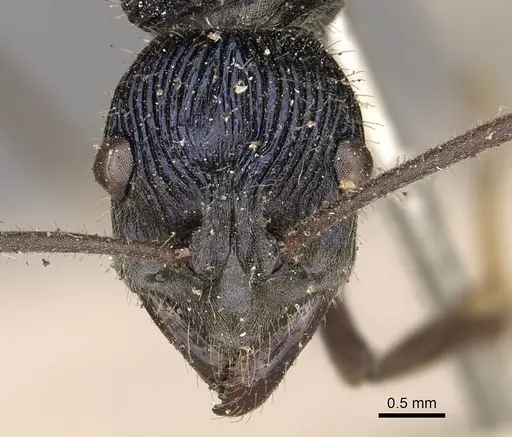
CASENT0900671
Lihat di AntWeb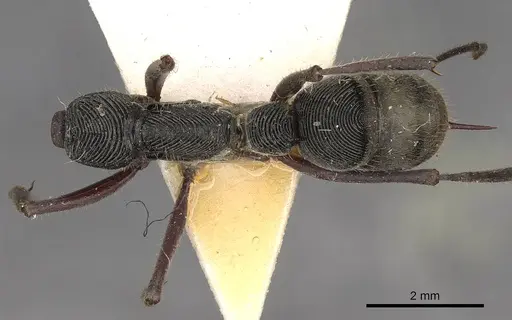
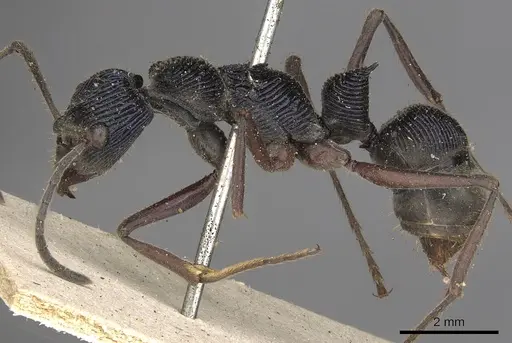
CASENT0901338
Lihat di AntWeb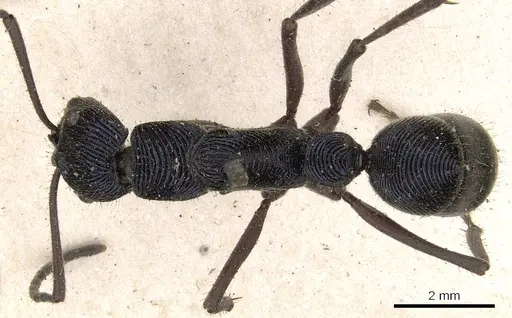
Literatur
Memuat peta distribusi...Memuat produk...