
Diacamma leve
- Nama Ilmiah
- Diacamma leve
- Tribe
- Ponerini
- Subfamili
- Ponerinae
- Penulis
- Crawley, 1915
- Distribusi
- Ditemukan di 1 negara
Pendahuluan
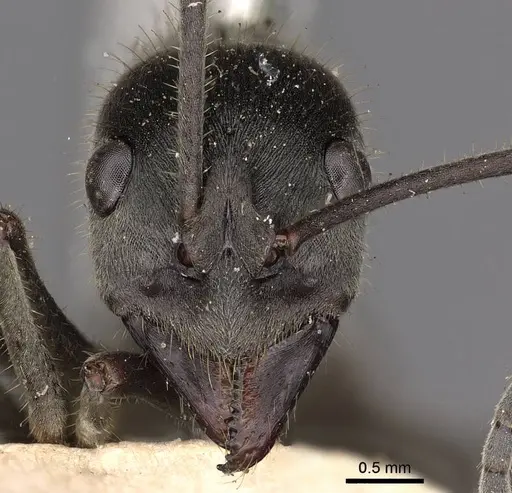
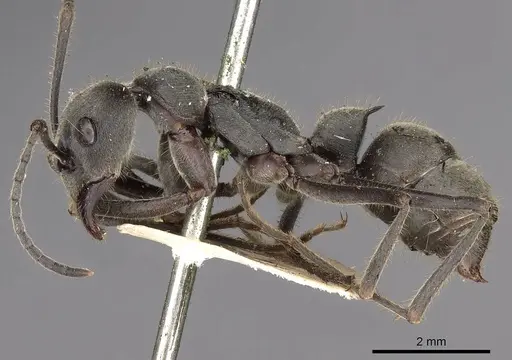
Diacamma leve is a medium-sized ant species native to Australia's Northern Territory, specifically the Darwin region along the Howard and Daly River systems . Workers are dark reddish-brown to black, typical of the genus, and can be identified by the very fine, almost invisible sculpturing on the head and pronotum . The head tends to be broader compared to other Australian Diacamma species, as shown by larger cephalic index values . This species is allopatric with other Australian Diacamma, which are found in Queensland while D. leve occupies the Northern Territory . What makes Diacamma leve particularly interesting is the genus-level trait of gamergates—workers that can become reproductive and replace the queen if she dies. This is a rare social structure in the ant world. As a riparian species from Australia's monsoonal tropics, these ants are adapted to warm, humid conditions with distinct wet and dry seasons.
Quick Summary
- Difficulty: Medium
- Origin & Habitat: Northern Territory, Australia, specifically riparian areas along the Howard and Daly River systems near Darwin [1]. This is a tropical monsoonal climate with high humidity and seasonal rainfall patterns.
- Colony Type: Queenless, no distinct queen caste, reproduction by gamergates (reproductive workers).
- Queen Status: Queenless Colony
- Special: Gamergates
- Size & Growth:
- Queen: Queenless species, reproduction by gamergate (reproductive worker) instead of a distinct queen caste.
- Worker: ~6-8mm, inferred from Diacamma genus patterns
- Colony: Likely several hundred workers based on related Diacamma species
- Growth: Moderate, Ponerine ants typically develop slower than many Myrmicines
- Development: Estimated 6-10 weeks at optimal tropical temperatures (25-28°C) based on typical Ponerine development patterns. (Development time is estimated from related species, direct measurements for D. leve are not available.)
- Antkeeping:
- Temperature: Keep at 24-28°C, these are tropical ants from Australia's monsoonal north. A heating cable on one side of the nest creates a temperature gradient.
- Humidity: High humidity (70-85%), their riparian habitat means they prefer consistently moist conditions. Keep the nest substrate damp but not waterlogged.
- Diapause: Likely minimal or no true diapause, being from tropical northern Australia, they may only slow down slightly during the cooler dry season rather than enter full hibernation.
- Nesting: In nature they nest in soil and under stones in riparian areas. In captivity, a naturalistic setup with moist soil or a Y-tong/plaster nest works well. They prefer tight, enclosed chambers.
- Behavior: Diacamma leve is a predatory Ponerine ant, they hunt and subdue prey using their sting. Workers are moderately aggressive and will defend the nest vigorously. They are active foragers, hunting small invertebrates. Escape prevention is important, while not tiny, they can squeeze through small gaps, so ensure enclosures are secure. The presence of gamergates means colony dynamics are unique, if a queen dies, a worker may take over reproduction.
- Common Issues: high humidity requirements mean mold can be a problem if ventilation is poor, predatory diet means they need regular live prey, failure to provide adequate protein leads to colony decline, tropical species may struggle if temperatures drop below 22°C, wild-caught colonies may carry parasites that can devastate captive populations, gamergate system means colony hierarchy can be complex, observe for signs of queenless stress
Housing and Nest Preferences
Diacamma leve does well in a naturalistic setup that mimics its riparian habitat. Use a mix of soil and sand as substrate, kept consistently moist but not saturated. They prefer enclosed spaces, small chambers or tunnels where they can tend their brood. A Y-tong or plaster nest with moisture reservoirs works well. Because they're from areas with seasonal flooding, they can handle damp conditions better than most ants. Provide a water feature or constantly moist area in the outworld. Lighting should be moderate, they prefer dimmer conditions similar to the shaded understory of riparian forests. [1]
Feeding and Diet
As Ponerine ants, Diacamma leve is predatory and needs a protein-rich diet. Offer small live prey regularly: fruit flies, small crickets, mealworms, and other small insects. They will hunt and subdue prey actively, using their sting to immobilize it. Unlike many ants, they are not heavily dependent on sugar, while they may accept honey or sugar water occasionally, protein should form the bulk of their diet. Feed every 2-3 days, removing uneaten prey after 24 hours to prevent mold. A varied diet helps ensure colony health.
Temperature and Humidity
These tropical ants need warm, humid conditions. Maintain temperatures between 24-28°C, with a slight gradient allowing them to choose their preferred zone. A heating cable placed on top of the nest (not underneath to avoid drying) helps maintain warmth. Humidity should stay high at 70-85%, check that the substrate feels damp to the touch. Mist the nest occasionally, but rely more on a water reservoir in plaster nests or moist substrate in naturalistic setups. During the dry season (roughly May-October in their range), they may tolerate slightly drier conditions, but never let the nest dry out completely.
The Gamergate System
One of the most fascinating aspects of Diacamma leve is its gamergate system. Unlike most ants that have a single queen, Diacamma colonies are typically queenless after the founding stage. Instead, certain workers called gamergates become reproductive and take over egg-laying duties. If the primary gamergate dies, another worker can potentially replace her. This means your colony may never have a 'queen' in the traditional sense, the largest, most active forager might be the reproductive. This also means colony hierarchy can shift, and queenless colonies may show different behavior than queenright ones. Don't panic if you never see a large queen, gamergates are often indistinguishable from regular workers externally.
Behavior and Defense
Diacamma leve workers are moderately aggressive and will defend their nest energetically. They have a functional sting and are not afraid to use it, if threatened, they may sting. The sting is not dangerous to healthy humans but can be painful. They are active foragers, patrolling the outworld in search of prey. Workers communicate through chemical trails and vibrations. They can be territorial, so if you're housing multiple colonies, keep them well-separated. Their escape ability is moderate, while not tiny, they can fit through small gaps, so check that all connections and lids are secure.
Frequently Asked Questions
How long does it take for Diacamma leve to produce first workers?
Based on typical Ponerine development, expect 6-10 weeks from egg to worker at optimal temperatures (25-28°C). Development is slower than many common ant species, so patience is required.
Do Diacamma leve ants have a queen?
Not in the traditional sense. This species uses a gamergate system, reproductive workers (gamergates) lay eggs instead of a permanent queen. These are typically the largest or most dominant workers in the colony.
What do Diacamma leve eat?
They are predatory ants that need live protein. Feed small insects like fruit flies, small crickets, and mealworms. They may occasionally accept sugar water or honey, but protein should form the bulk of their diet.
Are Diacamma leve ants dangerous?
They have a functional sting and will use it if threatened. The sting is not medically significant for healthy adults but can be painful. Handle with care and use proper protection when doing nest maintenance.
What temperature and humidity do Diacamma leve need?
Keep them warm (24-28°C) and humid (70-85%). Their riparian habitat in Australia's Northern Territory is warm and moist year-round. A heating cable and moisture reservoir help maintain these conditions.
Can I keep multiple Diacamma leve queens together?
This species doesn't have a traditional queen system. If combining colonies, introduce them carefully as they may be territorial. There's no documented research on pleometrosis (multiple foundresses) for this specific species.
How big do Diacamma leve colonies get?
Based on related species, colonies likely reach several hundred workers. Growth is moderate, expect several months to a year to reach 50+ workers from a founding colony.
Do Diacamma leve need hibernation?
Probably not. Being from tropical northern Australia, they don't experience true cold winters. You may reduce temperatures slightly during the dry season (roughly May-October), but full hibernation is not necessary or recommended.
Why are my Diacamma leve dying?
Common causes include: temperatures below 22°C, dried-out nest conditions, lack of adequate live prey, parasites from wild-caught colonies, or mold from poor ventilation. Check all parameters and ensure they're getting proper nutrition.
When should I move Diacamma leve to a formicarium?
Wait until the colony has at least 20-30 workers and is actively foraging. Moving too early can stress a developing colony. Ensure the new enclosure maintains the humidity and temperature they need.
Report an Issue
The current care sheet is based fully on literature. See inconsistencies, or something that's incorrect? Please , it will be resolved after review from an admin. Contributing to the blogs tab also helps providing information, to make us be able to further improve the caresheets. Thank you for your support!
References

Lembar perawatan ini dilisensikan di bawah CC BY-SA 4.0 .
Blog Komunitas
CASENT0887815
Lihat di AntWeb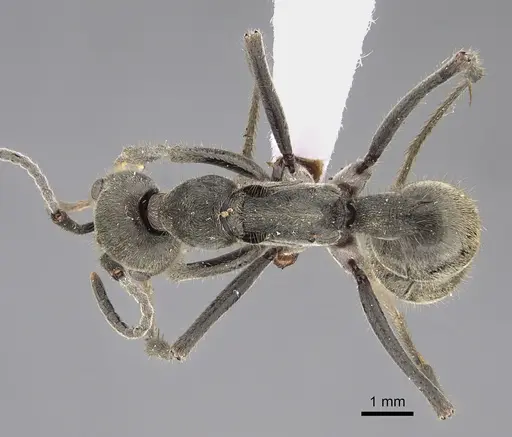
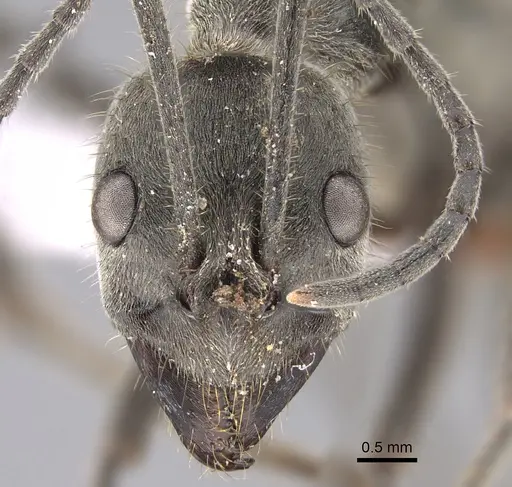
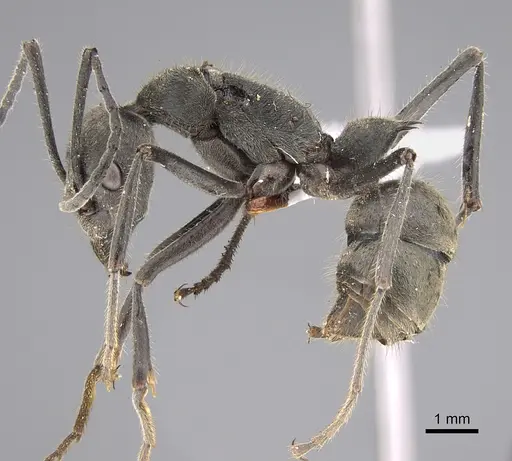
CASENT0900668
Lihat di AntWeb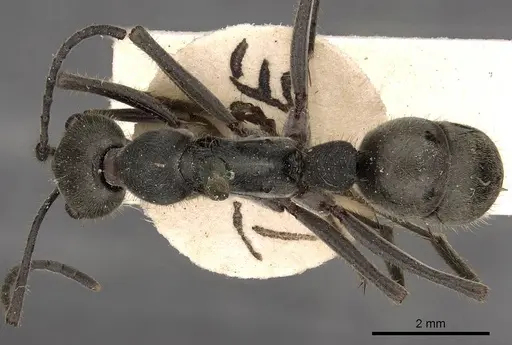
Literatur
Memuat peta distribusi...Memuat produk...