
Cryptopone recticlypea
- Nama Ilmiah
- Cryptopone recticlypea
- Tribe
- Ponerini
- Subfamili
- Ponerinae
- Penulis
- Xu, 1998
- Distribusi
- Ditemukan di 0 negara
Pendahuluan
Cryptopone recticlypea is a small, cryptic ponerine ant endemic to Yunnan Province, China. Workers were described by Xu in 1998 from specimens collected at Bakaxiaozhai in Mengla County at 840 meters elevation . This is an extremely rare species known only from its original type collection, making it one of the least studied ants in the Ponerinae subfamily. The genus Cryptopone contains cryptic, ground-nesting ants that are typically predatory. As an endemic species restricted to tropical Yunnan, these ants likely inhabit leaf litter and soil microhabitats in forested areas.
Quick Summary
- Difficulty: Unknown, likely Expert
- Origin & Habitat: Yunnan Province, China, tropical to subtropical forest at 840m elevation. This is an endemic species known only from the Mengla County area in southern Yunnan [1][2].
- Colony Type: Unconfirmed colony structure. Only worker caste has been described. Ponerine ants typically form small colonies with single queens, but this species' exact colony structure has not been documented.
- Size & Growth:
- Queen: Unknown, queen caste has not been described [2]
- Worker: Size data unavailable, worker measurements not provided in original description [1][2]
- Colony: Unknown, no colony data available
- Growth: Unknown, no development data exists for this species
- Development: Unknown, no direct observations or studies (Development timeline has not been studied. Based on typical Ponerinae patterns, expect 6-10 weeks at optimal temperature, but this is a rough estimate only.)
- Antkeeping:
- Temperature: Likely 22-28°C based on Yunnan tropical climate. No direct studies exist. Start around 24-26°C and observe colony activity for guidance
- Humidity: Likely requires high humidity (60-80%) typical of tropical forest floor dwellers in Yunnan. Keep substrate consistently moist but not waterlogged
- Diapause: Unknown, no studies on overwintering behavior. Yunnan has mild winters, so diapause may be minimal or absent
- Nesting: Natural nesting is unconfirmed. Based on genus patterns, likely nests in soil or under stones in shaded forest areas. Test tube setups or small Y-tong nests would be appropriate starting points. Avoid overly large spaces, these are small, cryptic ants
- Behavior: Behavior is unconfirmed. The genus Cryptopone contains cryptic, slow-moving ants that are typically predatory. Workers likely forage individually on the forest floor. Escape risk is likely moderate, they are small but not extremely tiny. Ponerinae ants have functional stingers, though the sting potency of this specific species is unknown.
- Common Issues: extremely limited availability, this species is rarely collected and not available in the antkeeping hobby, no established care protocols exist, keepers would be pioneering captive husbandry, queen caste unknown, founding behavior cannot be confirmed, wild-caught colonies may have parasites or health issues typical of rarely-kept species, slow growth and cryptic behavior may make monitoring colony health difficult
Species Discovery and Taxonomy
Cryptopone recticlypea was described by Chinese myrmecologist Zheng-Hui Xu in 1998 from worker specimens collected in Mengla County, Yunnan Province, China. The type locality is Bakaxiaozhai in Menglun Town, at approximately 840 meters elevation. The species name 'recticlypea' refers to a specific morphological characteristic of the worker. This species remains known only from the original type collection, with no additional records in the scientific literature. The genus Cryptopone belongs to the subfamily Ponerinae and tribe Ponerini, making these ants relatives of other cryptic ponerine ants like Ponera and Hypoponera. [1][2]
Distribution and Endemism
This species is endemic to Yunnan Province, China, meaning it is found nowhere else in the world. The only documented occurrence is from the type locality in Mengla County, which lies in southern Yunnan near the borders of Laos and Myanmar. This region features tropical and subtropical forests with high humidity year-round. The limited distribution makes this species potentially vulnerable to habitat changes. The 840-meter elevation suggests it occupies a niche in the lower montane forest zone. [1][2]
Known Biology and Behavior
Direct biological studies on Cryptopone recticlypea do not exist. However, we can make informed inferences from what is known about the genus Cryptopone as a whole. Cryptopone species are typically cryptic, ground-dwelling ants that nest in soil, under stones, or in rotting wood. They are generally predatory, hunting small invertebrates in the leaf litter layer. Workers are small, slow-moving, and often dark-colored. Ponerine ants in this genus typically have functional stingers, though the sting potency varies by species. Colony sizes are generally small compared to more advanced ant subfamilies. The lack of documented queen specimens suggests either that queens are rarely produced or that they differ morphologically in ways that make them difficult to identify. [2]
Keeping This Species - Practical Considerations
Keeping Cryptopone recticlypea in captivity would be considered expert-level territory, primarily because no established care protocols exist and the species is essentially unavailable to hobbyists. If specimens were to become available, care would need to be developed through careful observation and experimentation. A test tube setup with a water reservoir would provide appropriate humidity control. Temperature should likely be maintained in the low-mid 20s Celsius, mimicking tropical Yunnan conditions. Feeding would likely require small live prey such as springtails or fruit flies, as Ponerinae ants are typically predatory. Given the cryptic nature of these ants, observation may be difficult, and colonies should be provided with dark, sheltered nesting areas. Any successful captive husbandry would represent a significant contribution to knowledge of this poorly understood species. [2]
Frequently Asked Questions
Is Cryptopone recticlypea available in the antkeeping hobby?
No, this species is extremely rare and has never been documented in the antkeeping hobby. It is known only from the original type specimens collected in 1996 in Yunnan, China. No captive colonies exist in any known collection.
What does Cryptopone recticlypea look like?
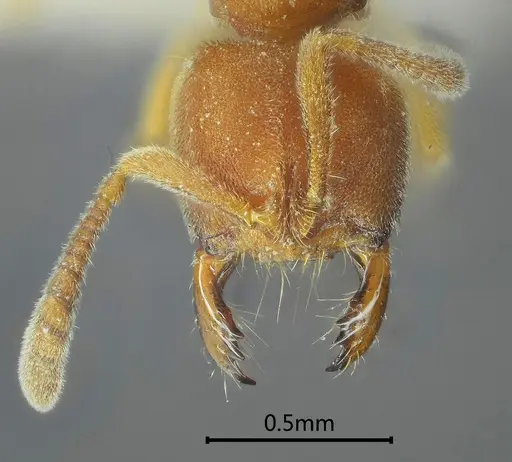
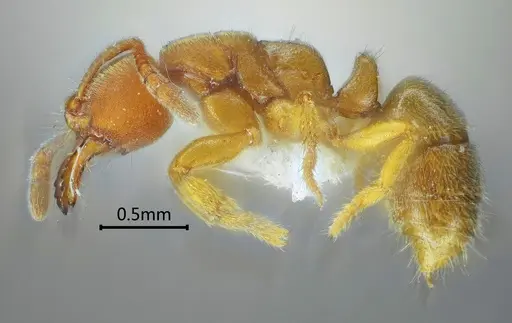
Only the worker caste has been described. Based on the genus, workers are likely small, cryptic ants with typical ponerine morphology. The specific physical characteristics that distinguish this species were described in the original 1998 description by Xu, but detailed color and size information is not readily available.
Where does Cryptopone recticlypea live?
This is a Yunnan-endemic species found only in southern Yunnan Province, China. The type locality is Bakaxiaozhai in Mengla County at 840 meters elevation. The region features tropical to subtropical forests with high humidity.
How do I care for Cryptopone recticlypea?
No established care protocols exist because the species has never been kept in captivity. If specimens become available, start with a test tube setup, maintain temperatures around 24-26°C, keep substrate moist but not waterlogged, and offer small live prey. This would be an expert-level undertaking requiring careful observation and experimentation.
How big do Cryptopone recticlypea colonies get?
Colony size is unknown, no colony data exists for this species. Based on typical Cryptopone and Ponerinae patterns, colonies are likely small, possibly under 100 workers.
What do Cryptopone recticlypea ants eat?
Diet has not been documented, but based on genus patterns, they are likely predatory on small invertebrates. Captive feeding would likely require live small prey such as springtails, fruit flies, or similar micro-arthropods.
Do I need to hibernate Cryptopone recticlypea?
Diapause requirements are unknown. The native Yunnan habitat has mild winters, so a minimal diapause period at cooler temperatures (perhaps 15-18°C for 2-3 months) may be appropriate, but this is speculative.
Can I keep multiple Cryptopone recticlypea queens together?
Colony structure is unconfirmed. Ponerine ants typically form single-queen colonies, but polygyny cannot be ruled out. Combining unrelated queens is not recommended given the lack of any captive data.
How long does it take for Cryptopone recticlypea to develop from egg to worker?
Development timeline is completely unknown, no observations exist. Based on typical Ponerinae development at optimal temperatures, a rough estimate would be 6-10 weeks, but this is highly speculative.
Report an Issue
The current care sheet is based fully on literature. See inconsistencies, or something that's incorrect? Please , it will be resolved after review from an admin. Contributing to the blogs tab also helps providing information, to make us be able to further improve the caresheets. Thank you for your support!
References

Lembar perawatan ini dilisensikan di bawah CC BY-SA 4.0 .
Blog Komunitas
ANTWEB1060501
Lihat di AntWeb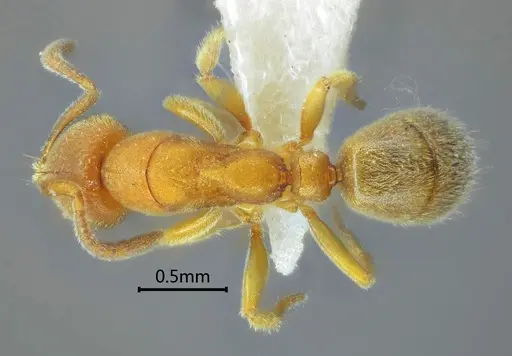
Literatur
Memuat peta distribusi...Memuat produk...