
Crematogaster walshi
- Nama Ilmiah
- Crematogaster walshi
- Tribe
- Crematogastrini
- Subfamili
- Myrmicinae
- Penulis
- Forel, 1902
- Distribusi
- Ditemukan di 0 negara
Pendahuluan
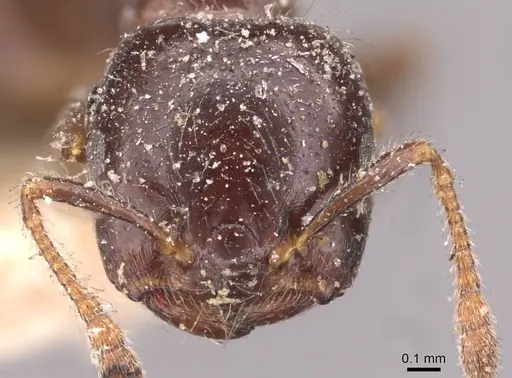
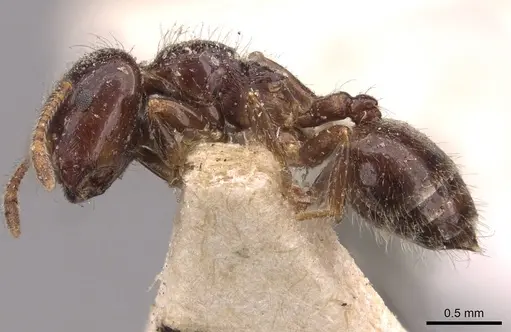
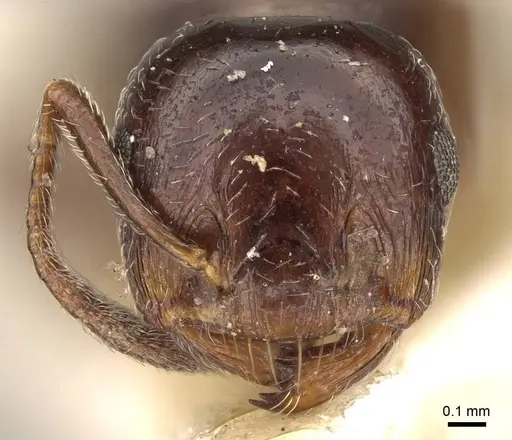
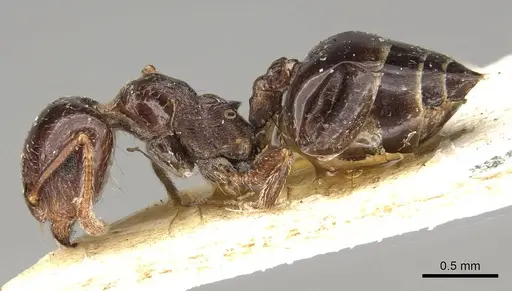
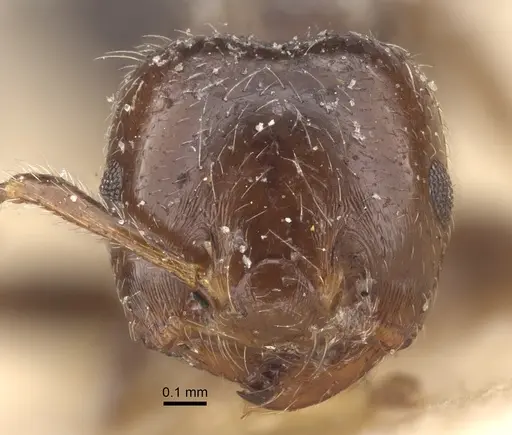
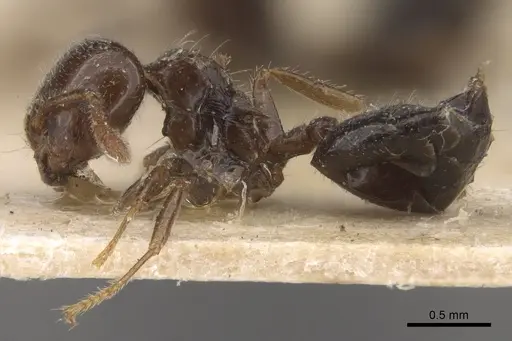
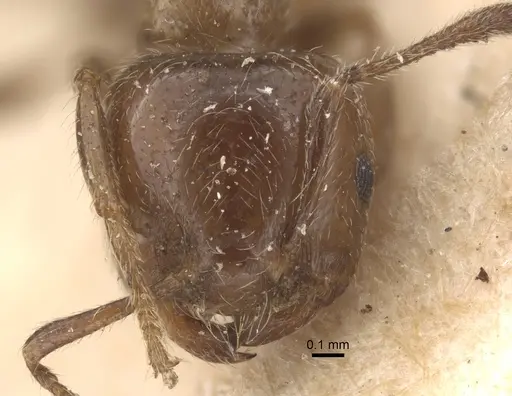
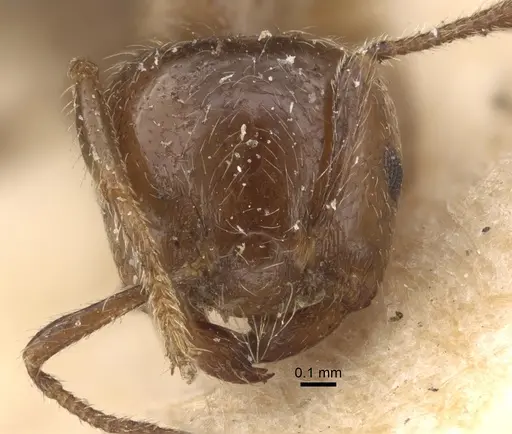
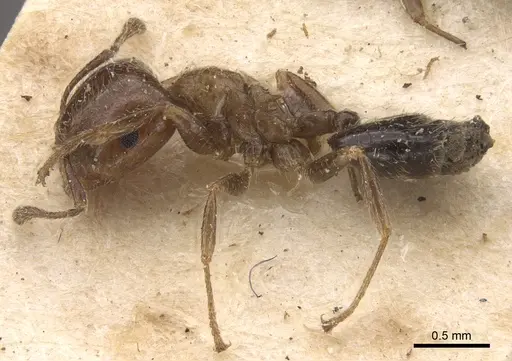
Crematogaster walshi is a small arboreal ant species native to South and Southeast Asia, found across India, Sri Lanka, Vietnam, and southern China. Workers measure 3-3.5mm and have the characteristic Crematogaster features: a heart-shaped abdomen that they raise like an acrobat when threatened, and a distinctly bilobed postpetiole (the segment between the waist and abdomen). They are dark brown to black with smooth, shiny body surfaces and abundant standing hairs on the head and mesosoma. This species belongs to the C. treubi group and was originally described from Puri, Bengal (India) in 1902 . This species remains poorly studied in the wild, with no published research on its biology, colony structure, or captive care requirements. What we know comes from museum specimens and taxonomic descriptions. Based on its distribution across the Himalayan foothills and tropical regions of India and Vietnam, it likely inhabits forested areas and may nest in elevated locations like tree bark or under loose bark .
Quick Summary
- Difficulty: Unknown
- Origin & Habitat: Native to the Indomalayan region, found in India (Arunachal Pradesh, Assam, Meghalaya, Mizoram, Nagaland, Odisha, Sikkim, West Bengal), Sri Lanka, Vietnam, and southern China. Inhabits elevations up to 1500 meters, typically in forested habitats [3][4].
- Colony Type: Unconfirmed. Colony structure (single-queen vs multi-queen) has not been documented in scientific literature.
- Size & Growth:
- Queen: size data unavailable, no queen measurements exist in scientific literature
- Worker: 3-3.5mm total length [2]
- Colony: Unknown, no colony size data available
- Growth: Unknown
- Development: Unconfirmed, no direct development data exists. Based on typical Crematogaster patterns, expect 6-10 weeks at optimal temperature. (Development timeline is entirely inferred from genus-level data since no species-specific research exists.)
- Antkeeping:
- Temperature: Inferred: Keep at 22-26°C. This species ranges from tropical Vietnam to Himalayan foothills (up to 1500m), suggesting it tolerates a moderate temperature range. Start in the mid-range and observe colony activity.
- Humidity: Inferred: Moderate to high humidity (60-80%). Its range includes humid tropical and subtropical forests. Keep nest substrate slightly moist but not waterlogged.
- Diapause: Unknown for this specific species. Based on its range extending into northern India and southern China, some seasonal slowdown may occur. Monitor for reduced activity in winter months.
- Nesting: Inferred: Likely arboreal or semi-arboreal, similar to other Crematogaster species. In captivity, a Y-tong (AAC) nest or plaster nest with narrow chambers works well. Provide some vertical space and rough surfaces for attaching brood. Test tube setups are suitable for founding colonies.
- Behavior: Like other Crematogaster species, these ants are arboreal and agile. They raise their abdomen when threatened as a defensive display, this is where the common name 'acrobat ant' comes from. Workers are moderately active and likely forage for honeydew and small prey. Their small size (3-3.5mm) means escape prevention is important, use fine mesh barriers. They are not particularly aggressive but will defend the colony vigorously. Foraging style is typical of Myrmicinae, they likely tend aphids and collect honeydew while also hunting small insects.
- Common Issues: no documented captive care means trial and error is required, start with standard Crematogaster parameters and adjust based on colony response, small worker size creates escape risk, use tight-fitting lids and fine mesh on any outworld connections, completely unknown diapause requirements, be prepared to experiment with winter conditions, no data on founding behavior makes claustral vs semi-claustral determination uncertain, lack of colony size data makes it hard to predict when to upgrade nest size
Nest Preferences
This species' nesting preferences are not documented in scientific literature, but we can make educated inferences from its distribution and genus behavior. Crematogaster walshi is found across diverse habitats from tropical Vietnam through India's Himalayan foothills up to 1500 meters elevation. In the wild, most Crematogaster species are arboreal or semi-arboreal, nesting in tree hollows, under loose bark, or in rotting wood. For captive care, a Y-tong (AAC) nest or plaster formicarium works well. The chambers should be appropriately sized for their 3-3.5mm workers, tight enough that they feel secure but with enough space for colony expansion. Provide a water tube connected to the nest to maintain humidity. Since their natural range includes both humid tropical and subtropical regions, aim for moderate nest humidity (substrate should feel slightly damp but not wet). A small outworld with foraging space allows them to hunt and collect food. Some keepers success with test tube setups for founding colonies, then transitioning to formicaria as the colony grows. [3][1]
Feeding and Diet
No specific dietary studies exist for Crematogaster walshi, but the genus is well-known for its omnivorous diet with a strong preference for honeydew from aphids and scale insects. In captivity, offer a varied diet: sugar water or honey as an energy source (they will readily accept these), and protein sources like small insects (fruit flies, small mealworms, pinhead crickets). Like other Crematogaster species, they are likely to tend any aphids you provide in the outworld. Feed sugar water or honey consistently, replace every 2-3 days to prevent mold. Offer protein prey 2-3 times per week, adjusting based on colony size and brood production. Remove uneaten prey after 24 hours. A varied diet helps ensure proper nutrition for brood development. Since this species is poorly studied, observe what foods they accept most readily and adjust accordingly.
Temperature and Seasonal Care
Crematogaster walshi's temperature requirements are not specifically studied, but we can infer needs from its geographic range. It occurs from tropical Vietnam through India's Himalayan foothills (up to 1500m elevation) into southern China. This suggests moderate temperature tolerance. Keep the nest at 22-26°C as a starting point. If workers cluster near the heated side, increase temperature slightly, if they avoid it, reduce. Room temperature in most homes (20-24°C) likely falls within their acceptable range. Regarding seasonal changes, the species' range includes areas with distinct seasons (northern India, southern China), so some form of winter slowdown is possible. Monitor your colony, if activity decreases significantly in winter months, allow a cooler period (15-18°C) for 2-3 months. Do not cool suddenly, reduce temperature gradually over 1-2 weeks. Avoid temperatures below 15°C or above 30°C. Heating cables or mats can create a temperature gradient in the nest area. [3]
Behavior and Temperament
Crematogaster walshi displays the classic Crematogaster defensive behavior: when threatened, workers raise their abdomen high like an acrobat balancing on their head, this is how they earned the common name 'acrobat ant.' They can release a foul-smelling secretion from their abdomen as a chemical defense. Workers are moderately sized at 3-3.5mm and relatively active. They are not particularly aggressive toward humans but will defend their nest vigorously. In the outworld, they forage methodically, likely collecting honeydew and hunting small prey. Their small size means they can escape through tiny gaps, always use fine mesh (at least 0.5mm) on any ventilation or outworld connections. Handle any escape prevention carefully, as they are quick and can squeeze through remarkably small openings. Colonies are likely to establish well-defined foraging trails once established. They do not have a painful sting, though some Crematogaster species can deliver mild irritation. [1]
Colony Development and Growth
No published data exists on colony development for Crematogaster walshi. This is one of the least-studied ant species in the Crematogaster genus. Based on typical Crematogaster patterns and related species in the C. treubi group, expect founding colonies to develop slowly at first. A claustral queen (if confirmed) would seal herself in a small chamber and raise the first brood using stored energy reserves. First workers (nanitics) typically emerge smaller than mature workers. After the first nanitics, subsequent broods develop faster as the colony can allocate workers to foraging and brood care. There is no data on maximum colony size, expect it to be moderate (likely hundreds to low thousands of workers based on genus patterns). The lack of specific development data means you will be pioneering captive breeding of this species. Document your observations carefully and adjust care based on what works for your colony.
Frequently Asked Questions
How long does it take for Crematogaster walshi to produce first workers?
This is unknown, no specific development data exists for this species. Based on typical Crematogaster genus patterns, expect 6-10 weeks from egg to first worker at optimal temperature (around 24°C). The queen likely seals herself in (claustral founding) and raises the first brood alone using stored fat reserves. This timeline is an estimate from related species, not confirmed for C. walshi specifically.
What temperature should I keep Crematogaster walshi at?
No species-specific data exists, but based on their range (tropical to subtropical Asia), start with 22-26°C. They likely tolerate room temperature (20-24°C) in most homes. Create a slight temperature gradient in the nest so workers can choose their preferred zone. If they cluster near the warmer side, increase slightly, if they avoid it, reduce. Avoid extremes below 15°C or above 30°C.
Do Crematogaster walshi ants need hibernation?
Unknown. Their range includes areas with seasonal temperature changes (northern India, southern China), so some winter slowdown is possible. Monitor your colony, if activity decreases in winter, provide a cooler period (15-18°C) for 2-3 months. Do not force hibernation if the colony remains active. This is an area where keeper observation is needed since scientific data does not exist.
What do Crematogaster walshi eat?
No species-specific dietary studies exist. Based on genus behavior, they are omnivorous with a preference for honeydew. In captivity, offer sugar water or honey consistently, plus small insects (fruit flies, small mealworms) as protein. They will likely accept most standard ant foods. Remove uneaten prey after 24 hours to prevent mold.
Are Crematogaster walshi good for beginners?
This species is not recommended for beginners due to the complete lack of documented captive care information. Every aspect of their care (temperature, humidity, diapause, diet preferences, colony development) requires experimentation. If you are experienced with Crematogaster species and enjoy pioneering new species in captivity, this could be a rewarding challenge. Otherwise, choose a species with established care protocols.
How big do Crematogaster walshi colonies get?
Unknown, no colony size data has been published. Based on typical Crematogaster patterns and their small worker size (3-3.5mm), expect moderate colony sizes (likely hundreds to low thousands of workers). The lack of data means you will discover this through captive keeping. Plan for eventual nest expansion but there is no need to rush, growth will likely be gradual.
Do Crematogaster walshi ants sting?
Crematogaster ants have a stinger but it is small and not powerful enough to penetrate human skin in most cases. Their primary defense is the ability to raise their abdomen (the 'acrobat' behavior) and release a foul-smelling chemical secretion. They are not considered dangerous to humans.
Can I keep multiple Crematogaster walshi queens together?
Unknown. No research exists on colony structure for this species. Some Crematogaster species are monogyne (single queen) while others are polygyne (multiple queens). Do not combine unrelated foundress queens unless you are prepared for aggression and potential deaths. If you capture a queen in the wild, keep her alone until you confirm she has mated and is producing brood.
What type of nest is best for Crematogaster walshi?
Inferred: Based on typical Crematogaster laeviusculal nesting, a Y-tong (AAC) nest or plaster formicarium works well. They prefer chambers appropriately sized for their small workers. Provide a water tube connected to the nest for humidity. Test tube setups are suitable for founding colonies. Ensure the nest has some vertical orientation and rough surfaces where they can attach brood.
Where is Crematogaster walshi found?
This species is native to South and Southeast Asia. Known distribution includes India (Arunachal Pradesh, Assam, Meghalaya, Mizoram, Nagaland, Odisha, Sikkim, West Bengal), Sri Lanka, Vietnam, and southern China. Type locality is Puri, Bengal (India). They inhabit elevations up to 1500 meters in forested areas.
Why are my Crematogaster walshi dying?
Without documented care requirements, troubleshooting is challenging. Common issues include: escape (their small size means they can slip through tiny gaps, check all barriers), improper humidity (too wet causes mold, too dry causes desiccation), temperature stress (avoid extremes), and poor nutrition. Since this species is not established in captivity, some trial and error is expected. Document your conditions and adjust one variable at a time. Consider joining ant-keeping communities to share experiences with other pioneers of this species.
Is Crematogaster walshi invasive anywhere?
Not documented as invasive. This species is native to the Indomalayan region (India, Sri Lanka, Vietnam, China). There are no records of it establishing in other regions. As with all ant species, never release captive colonies into the wild outside their native range.
Report an Issue
The current care sheet is based fully on literature. See inconsistencies, or something that's incorrect? Please , it will be resolved after review from an admin. Contributing to the blogs tab also helps providing information, to make us be able to further improve the caresheets. Thank you for your support!
References

Lembar perawatan ini dilisensikan di bawah CC BY-SA 4.0 .
Blog Komunitas
CASENT0908374
Lihat di AntWeb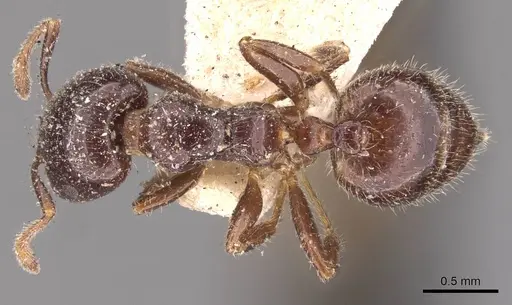
CASENT0914070
Lihat di AntWeb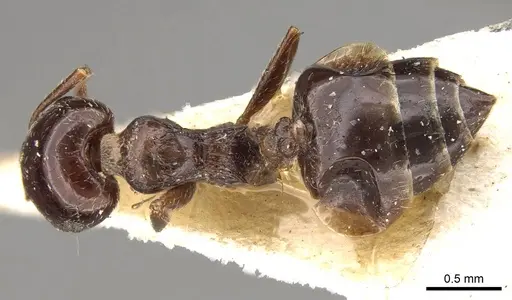
CASENT0917809
Lihat di AntWeb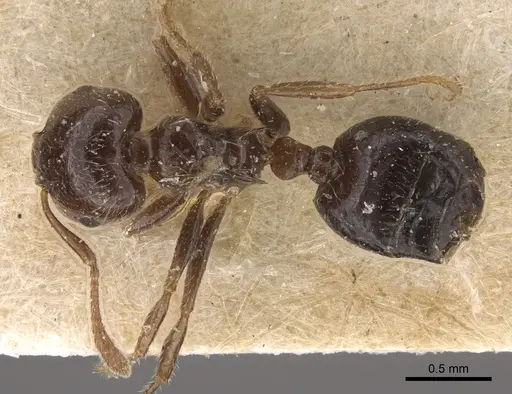
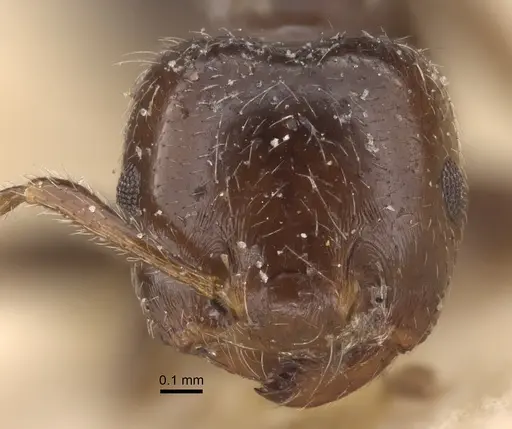
CASENT0917810
Lihat di AntWeb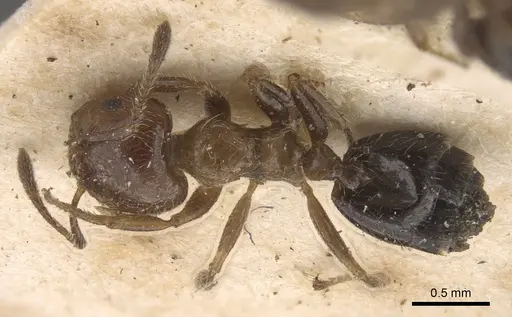
Literatur
Memuat peta distribusi...Memuat produk...