
Crematogaster simoni
- Nama Ilmiah
- Crematogaster simoni
- Tribe
- Crematogastrini
- Subfamili
- Myrmicinae
- Penulis
- Emery, 1893
- Distribusi
- Ditemukan di 0 negara
Pendahuluan
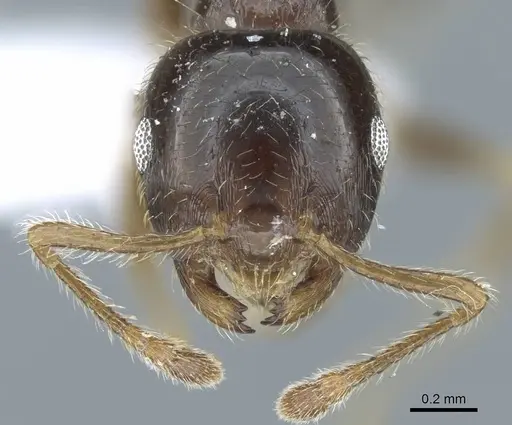
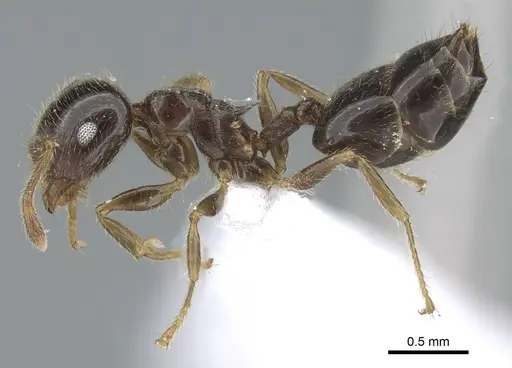
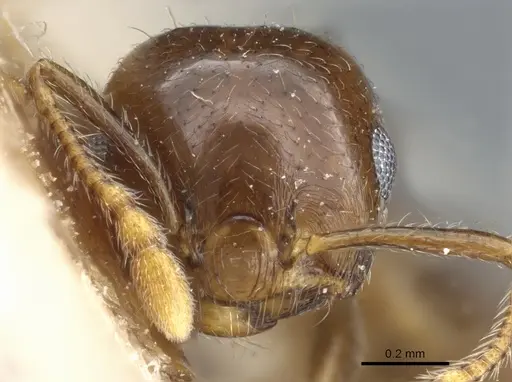
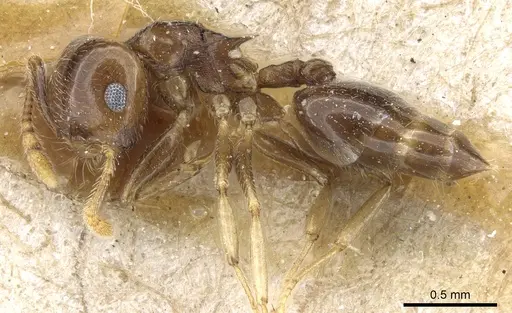
Crematogaster simoni is a small arboreal ant species native to the Philippines and Brunei. Workers measure 2-3mm in total length with the characteristic Crematogaster feature of being able to raise their abdomen over their head like an acrobat - hence their common name 'acrobat ant'. They have a smooth, glossy body and dark brown to black coloration. This species was originally described from Luzon, Manila, and Antipolo in the Philippines in 1893,with a recent new record from Borneo (Brunei) where it was collected in the canopy of a lowland dipterocarp forest . They are canopy-dwelling ants that nest in hollow twigs, under bark, or in dead wood in trees.
Quick Summary
- Difficulty: Medium
- Origin & Habitat: Philippines and Brunei, found in canopy of lowland dipterocarp forest [1]
- Colony Type: Colony structure is not specifically documented for this species. Based on typical Crematogaster patterns, likely single-queen colonies.
- Size & Growth:
- Queen: 5-7mm, inferred from Crematogaster genus patterns
- Worker: 2-3mm [2]
- Colony: Up to several hundred workers, inferred from related species
- Growth: Moderate, typical for tropical arboreal species
- Development: 6-8 weeks at optimal temperature, inferred from genus patterns (Development time is inferred from related Crematogaster species. Actual timeline unconfirmed for this specific species.)
- Antkeeping:
- Temperature: Keep around 24-28°C, they are a tropical species from Southeast Asia. A gentle gradient with a heating cable on one side works well.
- Humidity: High humidity is important, they come from humid forest canopy. Keep nest substrate moist but not waterlogged, with some drier areas available. Mist occasionally and ensure water access.
- Diapause: No, as a tropical species, they do not require hibernation. Keep temperatures stable year-round.
- Nesting: Arboreal setup works best, they prefer nesting in hollow twigs, cork bark, or wood setups. Y-tong nests or naturalistic setups with wood and twigs mimic their natural arboreal habitat. They do well with access to both nest chambers and foraging areas.
- Behavior: Crematogaster simoni is an active, arboreal species that forages in trees and shrubs. They are not particularly aggressive but will defend their nest vigorously. Workers are fast-moving and excellent climbers. They have a functional stinger but due to their small size, it rarely penetrates human skin. They feed on honeydew from aphids and scale insects, small insects, and sugar water. Escape prevention is important due to their small size, use fine mesh and tight-fitting barriers.
- Common Issues: small size means escapes are likely without fine mesh barriers, arboreal nature requires vertical space and proper climbing surfaces, colonies may fail if humidity drops too low, they need humid conditions, wild-caught colonies may have parasites that kill them in captivity, slow founding phase means beginners may lose patience
Housing and Nest Setup
Crematogaster simoni is an arboreal species, so your setup should reflect their natural habitat in tree canopies. They do well in Y-tong nests, cork bark setups, or naturalistic formicaria with wood and twig elements. The key is providing narrow chambers and passages that mimic the hollow twigs they naturally nest in. Include a water test tube as a humidity source. Since they are excellent climbers, ensure your outworld has proper barriers, apply Fluon on the rim of the nest and use fine mesh on any ventilation holes. A vertical outworld gives them more foraging space and mimics the tree environment they naturally use. [1]
Feeding and Diet
In the wild, Crematogaster simoni forages for honeydew from aphids and scale insects, plus small insects they can capture. In captivity, offer sugar water or honey water as a constant energy source. For protein, provide small live prey like fruit flies, pinhead crickets, or small mealworms. They are not large predators, so keep prey items appropriately sized. Some keepers report they readily accept commercial ant foods, but live prey encourages natural foraging behavior. Feed protein 2-3 times per week, and keep sugar water available at all times.
Temperature and Humidity
As a tropical species from the Philippines and Brunei, Crematogaster simoni needs warm, humid conditions. Keep the nest area at 24-28°C, room temperature is often sufficient if your home is in this range. If not, use a heating cable on one side of the nest to create a gentle gradient. Humidity is crucial, aim for 60-80% relative humidity. The substrate should feel consistently moist but never waterlogged. A water tube connected to the nest helps maintain humidity. Avoid placing the nest near air conditioning or heating vents that could cause temperature swings or dry air. [1]
Colony Development
A newly mated queen will seal herself in a small chamber and lay eggs after the nuptial flight, this is claustral founding, typical of the genus. She will use her stored fat reserves to survive until the first workers emerge, usually after 6-8 weeks at optimal temperature. These first workers are smaller than normal workers but will immediately begin foraging to feed the colony. Growth is moderate, a healthy colony can reach several hundred workers over 1-2 years. The queen is long-lived and can produce eggs for many years, with colonies potentially lasting decades.
Behavior and Temperament
Workers of Crematogaster simoni are fast-moving and very active. They are not aggressive toward humans but will readily defend their nest if threatened. The genus name 'Crematogaster' means 'string-belly' and refers to their ability to raise their abdomen over their head, this is a defensive display and allows them to curl into a ball when threatened. They are excellent climbers and will explore vertical surfaces in search of food. In the outworld, they establish clear foraging trails. They are diurnal, with most activity during daylight hours.
Frequently Asked Questions
How long does it take for Crematogaster simoni to get their first workers?
Expect 6-8 weeks from egg to first worker at optimal temperature (24-28°C). This is based on typical genus development patterns, as specific development data for this species is not available.
What do Crematogaster simoni ants eat?
They need a balanced diet of sugar (honey water or sugar water constantly available) and protein (small live insects like fruit flies, pinhead crickets, or small mealworms 2-3 times per week).
Do Crematogaster simoni ants sting?
They have a stinger but it is very small and rarely penetrates human skin. Most keepers experience at most a mild tingling sensation. They are not considered dangerous.
Can I keep Crematogaster simoni in a test tube setup?
Test tubes work for founding colonies, but due to their arboreal nature, they do better in setups with wood, cork bark, or Y-tong nests that provide hollow spaces similar to their natural twig nests.
Do Crematogaster simoni need hibernation?
No, as a tropical species from the Philippines, they do not require hibernation. Keep temperatures stable year-round in the 24-28°C range.
How big do Crematogaster simoni colonies get?
Based on related species, colonies likely reach several hundred workers. They are not among the largest Crematogaster species.
Are Crematogaster simoni good for beginners?
They are rated Medium difficulty. They require specific humidity and arboreal-style housing, which makes them slightly more challenging than ground-nesting species. However, they are rewarding once their needs are met.
Why are my Crematogaster simoni escaping?
Their small size (2-3mm) means they can squeeze through tiny gaps. Use fine mesh (at least 0.5mm), apply Fluon to barrier surfaces, and check all lid seals regularly.
When should I move my colony to a formicarium?
Move them when the test tube is crowded or the colony has outgrown it, typically when you see 50+ workers. Ensure the new setup maintains proper humidity and has appropriately sized chambers.
Can I keep multiple Crematogaster simoni queens together?
This has not been documented for this species. Most Crematogaster are single-queen colonies, so keeping multiple unrelated queens together is not recommended.
Report an Issue
The current care sheet is based fully on literature. See inconsistencies, or something that's incorrect? Please , it will be resolved after review from an admin. Contributing to the blogs tab also helps providing information, to make us be able to further improve the caresheets. Thank you for your support!
References

Lembar perawatan ini dilisensikan di bawah CC BY-SA 4.0 .
Blog Komunitas
CASENT0248780
Lihat di AntWeb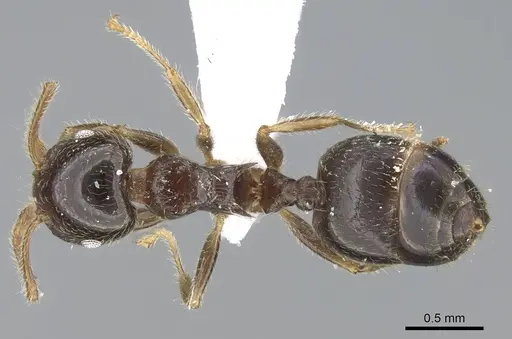
CASENT0904529
Lihat di AntWeb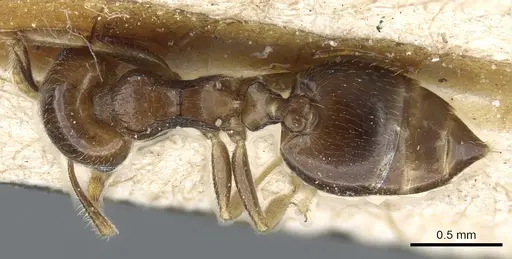
Literatur
Memuat peta distribusi...Memuat produk...