
Crematogaster flava
- Nama Ilmiah
- Crematogaster flava
- Tribe
- Crematogastrini
- Subfamili
- Myrmicinae
- Penulis
- Forel, 1886
- Distribusi
- Ditemukan di 1 negara
Pendahuluan
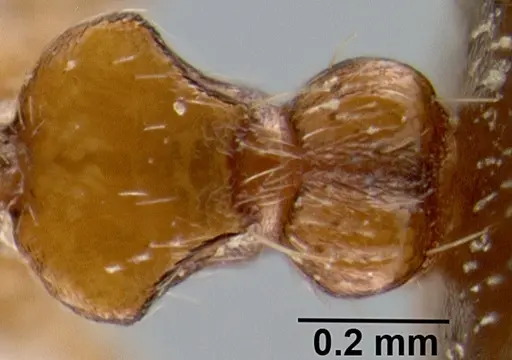
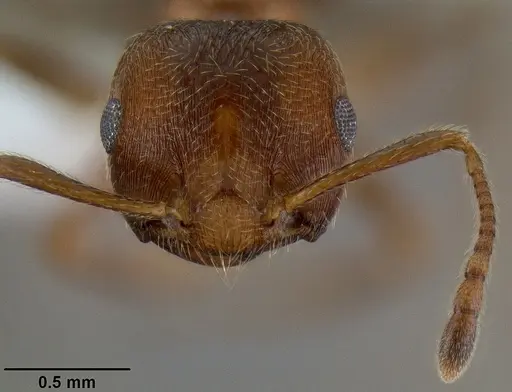
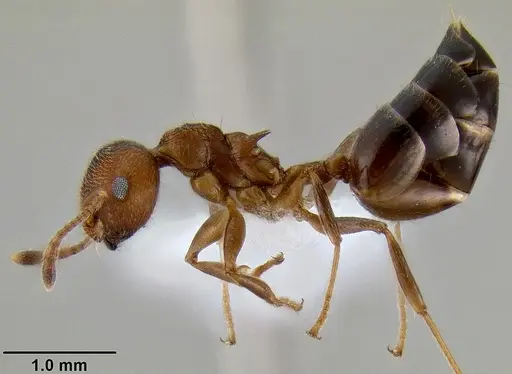
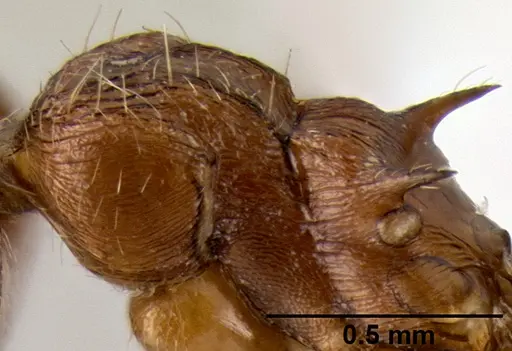
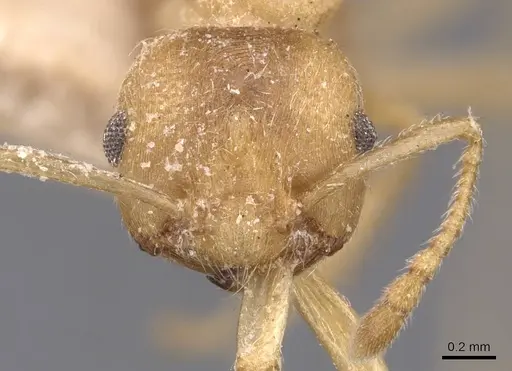
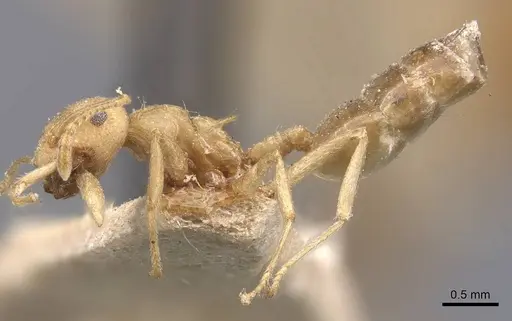
Crematogaster flava is a small acrobat ant species native to the Indomalaya region, specifically India, Bangladesh, and Nepal. Workers measure 2.5-3mm and have a pale yellow body with a brown abdomen, giving them a distinctive two-toned appearance. Their body surface is finely granulate with a silky-shining texture. Like all Crematogaster ants, they can curl their abdomen over their head like an acrobat, which is how they got their common name. This species belongs to the rogenhoferi group, characterized by their flared petiole with sharp dorsolateral margins and bilobed postpetiole . These ants are found across a wide elevational range in the Himalayas, from 500m to 2000m, making them adaptable to different temperature conditions . They are classified as generalized Myrmicinae, meaning they don't have highly specialized ecological requirements.
Quick Summary
- Difficulty: Easy
- Origin & Habitat: India, Bangladesh, and Nepal in the Indomalaya region. Found across multiple Indian states including Assam, Kerala, Sikkim, West Bengal, and the Himalayan foothills at elevations of 500-2000m [1][3][4].
- Colony Type: Colony structure is unconfirmed. Based on typical Crematogaster patterns, likely single-queen colonies, though some Crematogaster species can have multiple queens.
- Size & Growth:
- Queen: Size data unavailable, no specific measurements in research
- Worker: 2.5-3mm [1]
- Colony: Colony size is unconfirmed, estimated up to several hundred workers based on typical Crematogaster patterns
- Growth: Growth rate is unconfirmed
- Development: Development time is unconfirmed, estimated 6-8 weeks based on typical Myrmicinae patterns for tropical species (Actual timing may vary based on temperature and conditions)
- Antkeeping:
- Temperature: Keep at 22-26°C. They tolerate a range due to their wide elevational distribution (500-2000m) in the wild [2]. A slight gradient is beneficial.
- Humidity: Moderate humidity around 50-70%. Provide a moist nest chamber but avoid waterlogging. Mist occasionally and ensure the nest substrate stays damp but not saturated.
- Diapause: Likely a mild winter slowdown given their Himalayan distribution, but may not require full hibernation. Reduce feeding and temperature slightly during winter months if kept in a temperate climate.
- Nesting: Y-tong (AAC) or plaster nests work well. They prefer tight chambers scaled to their small size. Naturalistic setups with rotting wood or under flat stones also work.
- Behavior: These are active, agile ants that readily explore their surroundings. They are not particularly aggressive but will defend their nest if threatened. Workers are fast-moving and may be skittish. Their small size (2.5-3mm) means escape prevention is important, use fine mesh barriers and tight-fitting lids. They likely forage for honeydew and small insects. As Myrmicinae, they have a smear defense mechanism where they wipe venom onto enemies rather than piercing flesh.
- Common Issues: small size means escapes are likely without fine mesh barriers, wild-caught colonies may have parasites that kill them in captivity, colonies may be slow to establish, patience is needed during founding, overfeeding can lead to mold issues in small nests, temperature fluctuations can stress colonies
Housing and Nest Setup
Crematogaster flava is a small ant that does well in compact nest setups. Y-tong (AAC) nests with narrow chambers work well, the tight spaces match their natural nesting preferences in rotting wood or under stones. Plaster nests are also suitable and help maintain stable humidity. For a founding colony, a standard test tube setup works well, but be prepared to move them to a proper formicarium once the colony reaches 15-20 workers.
Because of their small size (2.5-3mm), escape prevention is critical. Use tight-fitting lids and consider fine mesh on any ventilation holes. These ants are agile and can squeeze through surprisingly small gaps. An outworld with smooth walls (like glass or plastic) helps contain them. Provide a water tube and honey or sugar water with constant access, plus protein prey 2-3 times per week. [1]
Feeding and Diet
Like other Crematogaster species, these ants are omnivorous with a preference for sweet liquids. Offer sugar water, honey, or diluted maple syrup constantly, they will readily consume these and return to the nest to share with colony members. For protein, small live prey works best: fruit flies, pinhead crickets, small mealworms, or other tiny insects. You can also offer dead prey, but live prey typically generates more interest.
In the wild, Crematogaster ants often tend aphids for honeydew, so they may show strong interest in sweet foods. Feed them small amounts at first and remove any uneaten food after 24 hours to prevent mold. A varied diet helps keep colonies healthy, mix sugar sources with protein prey for balanced nutrition.
Temperature and Seasonal Care
Crematogaster flava tolerates a range of temperatures due to their wide elevational distribution in the wild (500-2000m in the Himalayas). Keep the nest at 22-26°C for optimal activity and brood development. A slight temperature gradient allows ants to regulate their own conditions, place a heating cable on one side of the nest, but never directly on the nest material.
During winter, reduce temperatures to around 15-18°C if you live in a temperate climate. They may not need full hibernation but will benefit from a cooler period with reduced activity. Continue providing a small amount of sugar water occasionally, but reduce feeding frequency. Monitor colony behavior, if they become less active, further reduce temperatures slightly. [2]
Behavior and Handling
These are active, fast-moving ants that are generally peaceful but will defend their nest if threatened. Workers are curious and will explore new areas quickly. Unlike some more aggressive ant species, Crematogaster flava is not particularly territorial outside their nest, they focus on foraging and resource gathering.
When threatened, they use their smear defense mechanism, they curl the abdomen forward and wipe venom onto enemies rather than stinging. This is rarely a concern for keepers since their small size means the sting is not painful to humans. They are not escape artists in the traditional sense (not particularly strong climbers), but their small size means they can slip through tiny gaps that larger ants cannot.
Frequently Asked Questions
How long does it take for Crematogaster flava to have first workers?
Expect first workers (nanitics) in about 6-8 weeks after the queen lays eggs, at optimal temperature (22-26°C). This is an estimate based on typical Myrmicinae development, actual timing may vary. The queen will seal herself in a chamber and raise the first brood alone.
What do Crematogaster flava ants eat?
They are omnivorous. Offer constant access to sugar water, honey, or diluted maple syrup. For protein, feed small insects like fruit flies, tiny mealworms, or pinhead crickets 2-3 times per week. Remove uneaten food after 24 hours to prevent mold.
Can I keep Crematogaster flava in a test tube?
Yes, test tubes work well for founding colonies. Use a standard test tube setup with a water reservoir and cotton plug. Once the colony reaches 15-20 workers, consider moving them to a small formicarium like a Y-tong nest with chambers scaled to their tiny 2.5-3mm workers.
Do Crematogaster flava ants sting?
They have a smear defense mechanism where they wipe venom onto enemies rather than stinging. Their small size means the sting is not painful to humans. They are not considered dangerous to keepers. However, they may bite if handled roughly.
What temperature do Crematogaster flava ants need?
Keep them at 22-26°C. They tolerate a range due to their wide elevational distribution in the wild (500-2000m). A slight temperature gradient is beneficial, allow them to choose their preferred spot.
How big do Crematogaster flava colonies get?
Based on typical Crematogaster species, colonies likely reach up to several hundred workers. They are not among the largest ant species, but established colonies can be quite populous.
Are Crematogaster flava good for beginners?
Yes, they are considered easy to keep. They are adaptable to different temperatures, accept common ant foods, and do not have complex requirements. Their small size is the main consideration, ensure escape prevention is solid.
Do Crematogaster flava need hibernation?
Likely a mild winter slowdown rather than full hibernation, given their Himalayan distribution. Reduce temperatures to around 15-18°C in winter and reduce feeding. They may not go fully dormant but will have lower activity.
Why are my Crematogaster flava dying?
Common causes include: temperature stress (too hot or too cold), mold from overfeeding or poor ventilation, parasites from wild-caught colonies, or escape leading to lost ants. Ensure proper humidity, remove uneaten food promptly, and check for tiny gaps in your setup.
When should I move my colony to a formicarium?
Move them when the test tube becomes crowded or the water reservoir runs low, typically around 15-30 workers. A Y-tong or plaster nest with small chambers works well for this small species.
Report an Issue
The current care sheet is based fully on literature. See inconsistencies, or something that's incorrect? Please , it will be resolved after review from an admin. Contributing to the blogs tab also helps providing information, to make us be able to further improve the caresheets. Thank you for your support!
References

Lembar perawatan ini dilisensikan di bawah CC BY-SA 4.0 .
Blog Komunitas
CASENT0193691
Lihat di AntWeb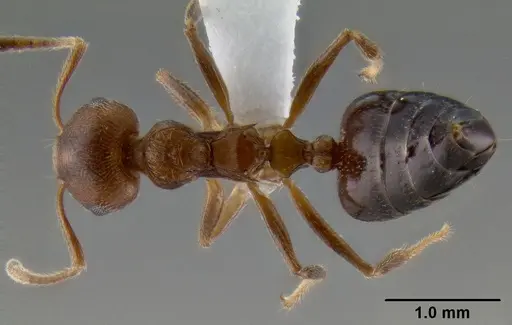
CASENT0907515
Lihat di AntWeb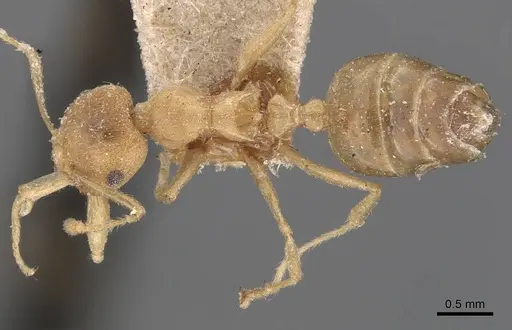
Literatur
Memuat peta distribusi...Memuat produk...