
Crematogaster brevidentata
- Nama Ilmiah
- Crematogaster brevidentata
- Subgenus
- Orthocrema
- Tribe
- Crematogastrini
- Subfamili
- Myrmicinae
- Penulis
- Forel, 1912
- Distribusi
- Ditemukan di 0 negara
Pendahuluan
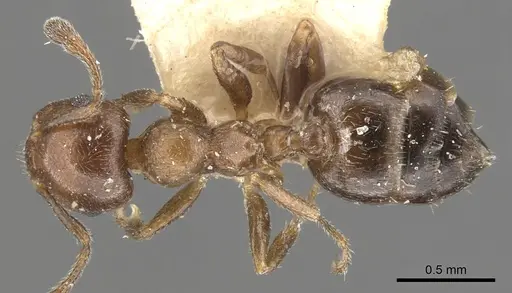
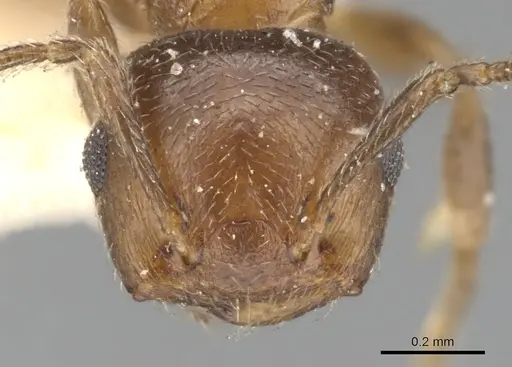
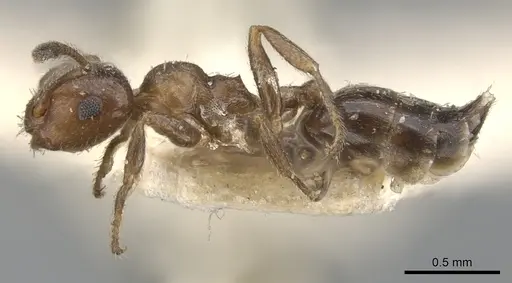
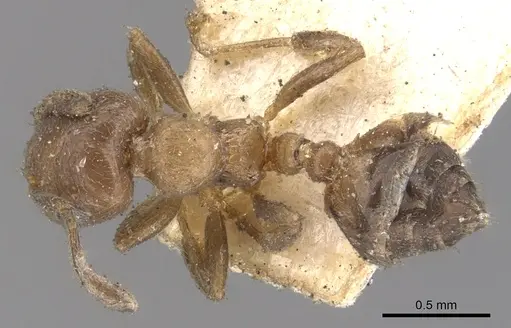
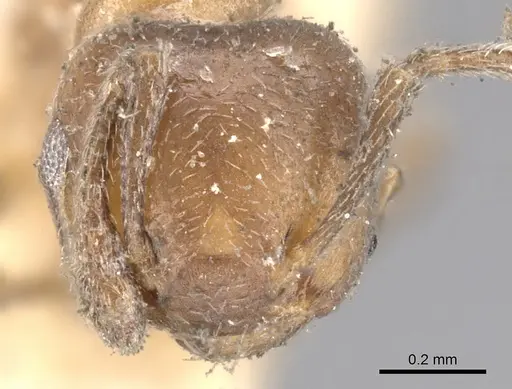
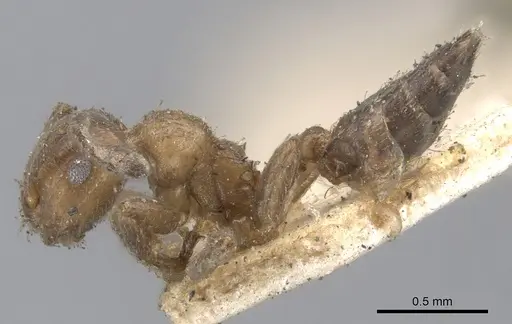
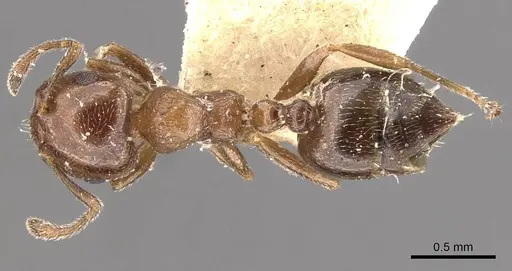
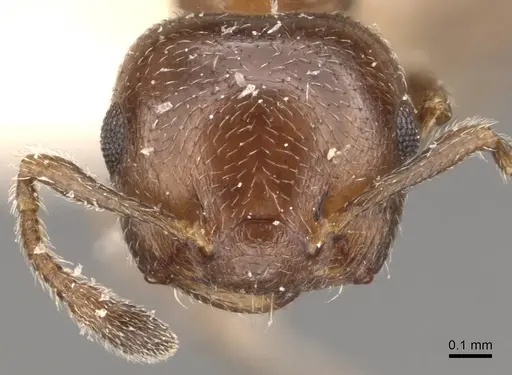
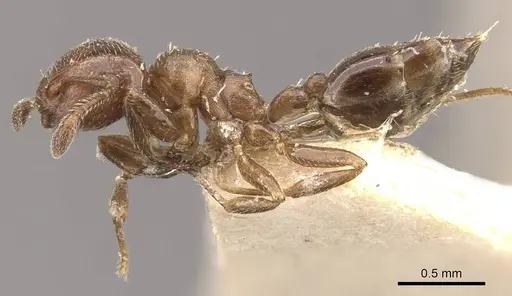
Crematogaster brevidentata is a small Neotropical ant species native to Barbados and Brazil. Workers are tiny ants with distinctive morphological features including very small propodeal spines, no erect hairs on the head or fourth abdominal segment, sparse erect hairs on the mesosoma, and a strong tooth on the underside of the petiole. This species belongs to the Crematogaster crinosa complex and requires further taxonomic study . Like other Crematogaster species, they exhibit characteristic defensive behavior - when threatened, workers raise their abdomen over their head in an 'acrobat' pose. They belong to the subfamily Myrmicinae which uses a smear defense mechanism, wiping venom onto enemies rather than piercing flesh.
Quick Summary
- Difficulty: Medium
- Origin & Habitat: This species is found in the Neotropical region, specifically Barbados and Brazil. The type locality is Bathsheba, Barbados at 200 meters elevation [2]. They inhabit tropical forest environments typical of the region.
- Colony Type: Colony structure is unconfirmed for this specific species.
- Size & Growth:
- Queen: Size data unavailable, inferred from Crematogaster genus (~5-8mm)
- Worker: Small ants, inferred from Crematogaster genus (~2-3mm)
- Colony: Colony size unconfirmed for this species
- Growth: Moderate, estimated based on related species
- Development: Development time unconfirmed for this species (Based on typical tropical ant development, expect several weeks to months at optimal conditions.)
- Antkeeping:
- Temperature: Keep at 24-28°C, these are tropical ants that prefer warm conditions. A slight temperature gradient allows them to regulate their own comfort.
- Humidity: Moderate to high humidity (60-80%). These ants prefer damp conditions but avoid waterlogging. Mist the outworld occasionally and keep the nest substrate moist but not saturated.
- Diapause: No, as a tropical species, they do not require hibernation.
- Nesting: In nature, Crematogaster species typically nest in dead wood, hollow stems, under bark, or in pre-existing cavities. In captivity, they do well in Y-tong (AAC) nests, plaster nests, or naturalistic setups with dead wood and bark pieces. They prefer nests with narrow chambers and multiple chambers connected by small tunnels.
- Behavior: Crematogaster brevidentata workers are small and active. They are not particularly aggressive toward keepers but will defend their colony if threatened. Like all Crematogaster species, they have a distinctive defense behavior where they raise their abdomen over their head in an 'acrobat' pose, this is where the common name 'acrobat ant' comes from. They may emit defensive chemicals when disturbed. Workers are foragers and will search for sugar sources and small prey. Their small size means escape prevention is important.
- Common Issues: escape prevention is critical due to their very small size, use fine mesh and tight-fitting barriers, taxonomic uncertainty makes identification difficult, ensure you have correctly identified your colony, limited species-specific information means keepers must rely on genus-level care guidelines, tropical species are sensitive to temperature drops, keep them warm year-round, overfeeding can lead to mold problems in the nest, remove uneaten food promptly
Nest Preferences
Crematogaster brevidentata is expected to nest in dead wood, hollow stems, or under bark based on typical genus behavior. In captivity, they adapt well to various nest types. Y-tong (AAC) nests work well because they provide dark, secure chambers. Plaster nests maintain humidity well and allow you to observe the colony. Naturalistic setups with pieces of dead wood, cork, or bark give them more natural nesting options. The key is providing narrow chambers scaled to their small size, they prefer tight, enclosed spaces. Avoid tall, open spaces that make them feel exposed. A test tube setup can work for founding colonies, but they will need more space as the colony grows. [2]
Feeding and Diet
Like other Crematogaster species, C. brevidentata likely has an omnivorous diet. They probably collect honeydew from aphids and scale insects in the wild, along with small insects and other protein sources. In captivity, offer sugar water, honey, or diluted syrup as a constant energy source. For protein, provide small insects like fruit flies, small mealworms, or other appropriately-sized prey. They are small ants, so prey items should be tiny. Remove uneaten prey within 24-48 hours to prevent mold. Feed them every 2-3 days for a growing colony, with sugar available constantly.
Temperature and Care
As a tropical species from Barbados and Brazil, Crematogaster brevidentata requires warm temperatures. Keep the nest area at 24-28°C. A heating cable or heating mat on one side of the nest creates a temperature gradient that lets workers choose their preferred spot. Avoid temperatures below 22°C for extended periods, this can slow their metabolism and colony growth. They do not require hibernation or diapause. High humidity (60-80%) helps them thrive, mist the outworld occasionally and ensure the nest substrate stays moist but not waterlogged. [2]
Behavior and Temperament
Crematogaster brevidentata workers are small but active foragers. They likely use chemical trails to recruit nestmates to food sources, a behavior common in the genus. When threatened, they exhibit the characteristic Crematogaster defense, raising the abdomen over the head in an 'acrobat' pose while potentially releasing defensive chemicals. They are not typically aggressive toward humans but will defend their nest. Their small size means they can escape through very small gaps, excellent escape prevention is essential. Use fine mesh on any ventilation holes and ensure all connections are sealed. Workers are fast-moving and will explore the outworld thoroughly. [2]
Colony Establishment
Founding queens likely seal themselves in a small chamber and raise their first brood alone, similar to other claustral Crematogaster species. The queen uses stored fat reserves to survive until workers emerge. First workers are typically smaller than normal workers. After the first workers eclose, the colony expands gradually. Growth rate is moderate. Patience is key during the founding stage. Do not disturb the queen during founding as this can cause her to abandon or eat the brood.
Frequently Asked Questions
How long does it take for Crematogaster brevidentata to produce first workers?
Development time is unconfirmed for this specific species. Based on typical tropical ant development, expect several weeks to months at optimal temperature (24-28°C).
What do Crematogaster brevidentata ants eat?
They are omnivorous. Offer sugar water, honey, or diluted syrup as a constant energy source. For protein, provide small insects like fruit flies, small mealworms, or other tiny prey. Remove uneaten food within 48 hours to prevent mold.
Do Crematogaster brevidentata ants sting?
Crematogaster ants can bite and may emit defensive chemicals, but they are not considered dangerous to humans. Their small size means their bite is barely noticeable. They are not a significant sting risk.
What temperature do Crematogaster brevidentata ants need?
Keep them warm at 24-28°C. This is a tropical species that does not tolerate cool temperatures. A heating cable or mat on one side of the nest creates a useful gradient.
Are Crematogaster brevidentata good for beginners?
This species is rated as Medium difficulty. While they are relatively hardy once established, their small size makes escape prevention challenging. Species-specific information is limited.
How big do Crematogaster brevidentata colonies get?
Colony size is unconfirmed for this specific species. Based on genus patterns, colonies may reach several hundred workers.
Do Crematogaster brevidentata need hibernation?
No. As a tropical species from Barbados and Brazil, they do not require hibernation or diapause. Keep them at warm temperatures year-round.
What type of nest is best for Crematogaster brevidentata?
Y-tong (AAC) nests, plaster nests, or naturalistic setups with dead wood work well. They prefer narrow chambers scaled to their small size. Avoid large, open spaces.
Why is escape prevention important for Crematogaster brevidentata?
Their very small size means they can squeeze through tiny gaps that larger ants cannot. Use fine mesh on all ventilation, ensure lids fit tightly, and check all connections regularly.
Can I keep multiple Crematogaster brevidentata queens together?
Colony structure is unconfirmed for this species. Many Crematogaster species are polygyne (multiple queens), but this has not been documented for C. brevidentata. It is not recommended to combine unrelated foundress queens due to the risk of aggression.
Report an Issue
The current care sheet is based fully on literature. See inconsistencies, or something that's incorrect? Please , it will be resolved after review from an admin. Contributing to the blogs tab also helps providing information, to make us be able to further improve the caresheets. Thank you for your support!
References

Lembar perawatan ini dilisensikan di bawah CC BY-SA 4.0 .
Blog Komunitas
Literatur
Memuat peta distribusi...Memuat produk...