
Cladomyrma scopulosa
- Nama Ilmiah
- Cladomyrma scopulosa
- Tribe
- Lasiini
- Subfamili
- Formicinae
- Penulis
- Eguchi & Bui, 2006
- Distribusi
- Ditemukan di 0 negara
Pendahuluan
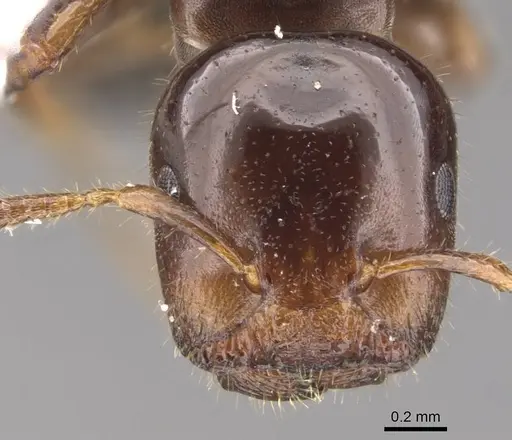
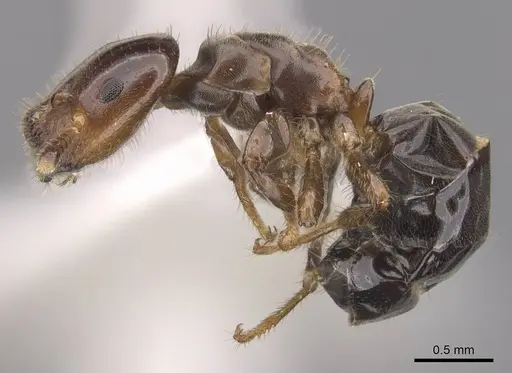
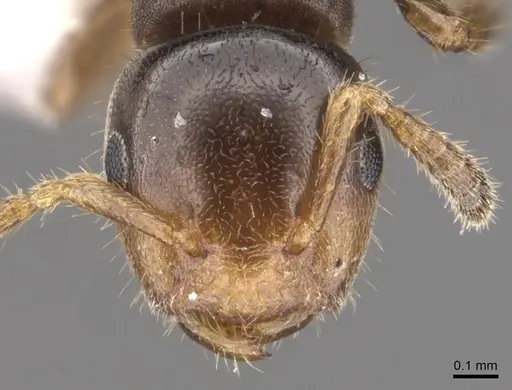
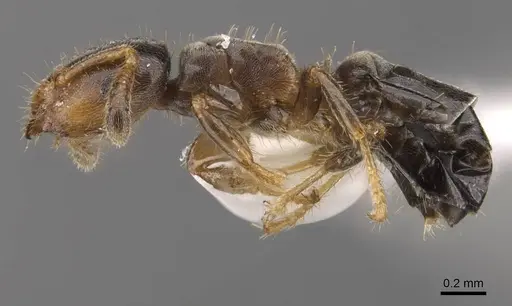
Cladomyrma scopulosa is a small plant ant native to Vietnam, first described in 2006. Workers come in two sizes: major workers and minor workers. The body is brown to dark brown, often with a paler anterior head and darker gaster. This species has an unusual trait within its genus - it lives exclusively in the branches and shoots of a single tree species, Saraca dives, which grows 5-20m tall along riverbanks and stream sides in lowland forests at 200-1000m altitude . What makes C. scopulosa special is its colony structure. Unlike most Cladomyrma species which have single queens, this species is polygynous - colonies typically have multiple queens. Researchers have found colonies with up to five dealate queens, and new colonies can start with multiple queens from the beginning (primary polygyny) or add queens later (secondary polygyny) . This flexibility in queen number is rare among plant ants.
Quick Summary
- Difficulty: Medium
- Origin & Habitat: Vietnam, specifically in Cuc Phuong National Park and Pu Mat National Park. They live exclusively in Saraca dives trees, which grow in river and stream side forests at 200-1000m altitude [1].
- Colony Type: Polygynous, multiple queens per colony. Colonies can have 2-5 dealate queens, and new colonies may start with multiple queens or add queens over time [1].
- Size & Growth:
- Queen: size data unavailable, only head measurements (HL 1.28-1.42mm) are provided in literature [2]
- Worker: size data unavailable, only head measurements are provided (major: HL 0.96-1.20mm, minor: HL 0.65-0.78mm) [2]
- Colony: Unknown maximum, colonies observed had multiple dealate queens and numerous workers [1]
- Growth: Unknown
- Development: Unknown, no direct development data exists for this species (Development timeline has not been studied. Do not expect specific timelines from literature.)
- Antkeeping:
- Temperature: Keep at 24-28°C, they come from tropical Vietnam with year-round warmth
- Humidity: High humidity required, they live in tropical forest tree hollows. Keep nest substrate consistently moist but not waterlogged
- Diapause: No, their tropical habitat in Vietnam doesn't experience cold winters
- Nesting: This is a plant ant that nests exclusively in hollow branches and shoots. In captivity, they need vertical nesting structures that mimic plant stems. Narrow acrylic nests or custom stem-style setups work well. Tunnels in the wild were 1.5-4mm in diameter [1]. Provide small chambers scaled to their tiny size.
- Behavior: These are gentle, non-aggressive ants. As plant ants, they spend most of their time inside their nest structure and on their host tree. They are not known to sting and pose no danger to keepers. They farm pseudococcids (scale insects) for honeydew, similar to other plant ants. Workers are small but active. Escape risk is moderate, their small size means they can slip through small gaps, but they are not strong climbers like some ant species.
- Common Issues: no development data means growth timelines are uncertain, high humidity needs can lead to mold if ventilation is poor, plant ant setup is specialized, standard horizontal nests may not be ideal, multiple queens may compete or establish hierarchies, monitor for aggression, tiny colony size means even small disturbances can stress them
Nest Preferences and Setup
Cladomyrma scopulosa is a specialized plant ant that nests exclusively inside the living branches and shoots of Saraca dives trees. In the wild, they excavate tunnels in soft plant tissue, with tunnel diameters ranging from 1.5 to 4mm. Multiple queens can be found in the same tunnel system [1].
For captive care, you need to replicate this vertical, stem-like nesting environment. Horizontal acrylic nests will not suit them well, instead, look for vertical or stem-style formicaria, or consider a custom setup with narrow tubes and chambers. The chambers should be small and scaled to their tiny worker size. Some keepers have success with modified test tube setups arranged vertically, or small acrylic nests with narrow connecting tubes.
The key is providing tight, enclosed spaces that mimic tree hollows. They prefer dark, enclosed areas and will likely avoid exposed or brightly lit chambers. Include some empty chambers for potential pseudococcid farming if you choose to try that (though it is optional in captivity).
Feeding and Diet
In the wild, C. scopulosa farms pseudococcids (scale insects) and coccids for honeydew, these are tiny insects that feed on plant sap and excrete sugary honeydew [1]. The ants protect these insects and harvest their honeydew as a food source.
In captivity, provide a mix of sugar sources and protein. Offer sugar water, honey, or diluted honey water as a constant sugar source. For protein, small live prey like fruit flies, pinhead crickets, or small mealworms work well. Because they are small ants, prey items should be appropriately sized.
Unlike some plant ants that are strictly honeydew farmers, C. scopulosa likely supplements with small insects. Offer protein prey 2-3 times per week, and keep sugar water available at all times. Remove any uneaten prey after 24 hours to prevent mold.
Temperature and Humidity
This species comes from tropical Vietnam, specifically from forests at 200-1000m altitude near rivers and streams. They need warm, humid conditions year-round, there is no winter cold period in their native habitat.
Keep temperatures in the range of 24-28°C. You can use a low-level heating cable on one side of the nest to create a gentle gradient, but avoid overheating. Room temperature in most homes (around 22-24°C) may work, but you might need to add slight warmth for optimal activity.
Humidity should be high. The nest substrate should stay consistently moist but never waterlogged. Mist the area around (not directly on) the nest occasionally, and consider a water reservoir or moist cotton in a connected tube. The key is maintaining stable humidity without letting the nest dry out or become stagnant.
Colony Structure and Multiple Queens
One of the most interesting aspects of C. scopulosa is its polygynous colony structure. Unlike most ant species where one queen rules the colony, these ants routinely have multiple reproductive queens. Researchers have found colonies with 2-5 dealate (wingless) queens living together in the same nest tunnels [1].
This can happen in two ways: primary polygyny (multiple queens founding a new colony together from the start) or secondary polygyny (additional queens joining an established colony later). The species appears to accept supplementary queens over time, becoming progressively more polygynous [1].
For keepers, this means you do not need to separate queens, multiple queens can coexist. However, watch for any aggression between queens, especially during the founding stage. If you start with multiple foundress queens, provide plenty of chamber space so they can establish their own areas without competing for space.
Seasonal Care and Nuptial Flights
Based on field observations in Vietnam, nuptial flights likely occur from March to June, the spring season in their range. In Pu Mat National Park, flights probably happen from mid-March to mid-April, while in Cuc Phuong National Park they occur from early May to early June [1].
In captivity, you will not need to simulate a winter diapause, these are true tropical ants. However, you might see increased activity or reproductive behavior (alate queens and males) in spring months if your colony reaches reproductive maturity. This is normal and indicates healthy colony development.
Keep conditions stable year-round. Avoid exposing them to temperatures below 20°C, as this could stress or harm them. If your room temperature drops seasonally, consider using a small heater or heating mat to maintain warmth.
Frequently Asked Questions
How long does it take for Cladomyrma scopulosa to raise their first workers?
The development timeline is unknown, this species has not been studied in captivity. There is no scientific data on egg-to-worker development time. Be patient and do not expect specific timelines from literature.
Can I keep multiple Cladomyrma scopulosa queens together?
Yes, this is actually normal for the species. C. scopulosa is polygynous, colonies naturally have multiple queens. You can keep 2-5 queens together, and they will coexist. Just ensure the nest has enough chamber space so queens are not crowded.
What do Cladomyrma scopulosa ants eat?
They need two main food types: sugar and protein. Provide constant access to sugar water or honey. For protein, offer small live prey like fruit flies, tiny crickets, or small mealworms. Feed protein 2-3 times per week. Remove uneaten prey after 24 hours.
Are Cladomyrma scopulosa good for beginners?
They are rated as medium difficulty. They are not ideal for complete beginners because they require specialized vertical nesting setups and high humidity, but they are not as demanding as some exotic species. If you have kept basic ants like Lasius or Camponotus, you should be able to handle this species.
What temperature do Cladomyrma scopulosa need?
Keep them warm at 24-28°C. They come from tropical Vietnam and need year-round warmth. Room temperature may work, but you might need a small heating cable or mat to reach optimal temperatures. Avoid temperatures below 20°C.
Do Cladomyrma scopulosa need hibernation?
No, they do not need hibernation. Their native habitat in Vietnam is tropical with no cold winter. Keep their conditions stable year-round without attempting to cool them down.
What kind of nest should I use for Cladomyrma scopulosa?
They need a vertical, stem-like nesting setup that mimics tree branches. Standard horizontal formicaria will not work well. Look for vertical acrylic nests, custom stem-style setups, or create a vertical arrangement of test tubes with narrow connecting tubes. Chambers should be small, only 1.5-4mm in diameter like their natural tunnels.
How big do Cladomyrma scopulosa colonies get?
The maximum colony size is not documented in scientific literature. What we know is that colonies can have multiple dealate queens (2-5) and numerous workers. Expect a moderately sized colony over time.
Why are my Cladomyrma scopulosa dying?
Common causes include: low humidity (they need high humidity), temperatures below 20°C, poor ventilation causing mold, or stress from excessive disturbance. Check that their nest environment matches their natural tree-hole habitat, dark, humid, stable conditions. Also ensure they are being fed appropriately with sugar and small protein prey.
Report an Issue
The current care sheet is based fully on literature. See inconsistencies, or something that's incorrect? Please , it will be resolved after review from an admin. Contributing to the blogs tab also helps providing information, to make us be able to further improve the caresheets. Thank you for your support!
References

Lembar perawatan ini dilisensikan di bawah CC BY-SA 4.0 .
Blog Komunitas
CASENT0905885
Lihat di AntWeb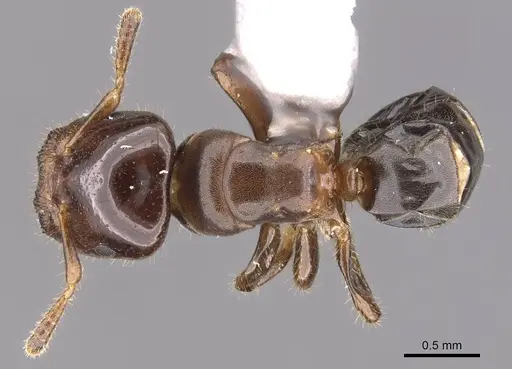
CASENT0905886
Lihat di AntWeb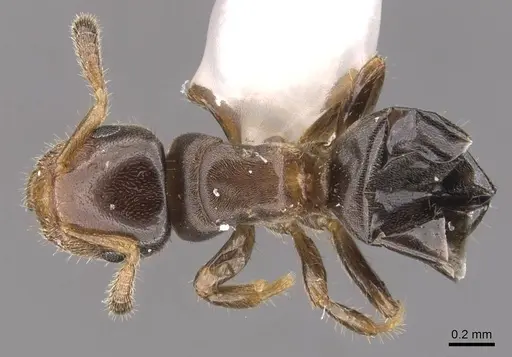
Literatur
Memuat peta distribusi...Memuat produk...