
Cataglyphis oasium
- Nama Ilmiah
- Cataglyphis oasium
- Tribe
- Formicini
- Subfamili
- Formicinae
- Penulis
- Menozzi, 1932
- Distribusi
- Ditemukan di 0 negara
Pendahuluan
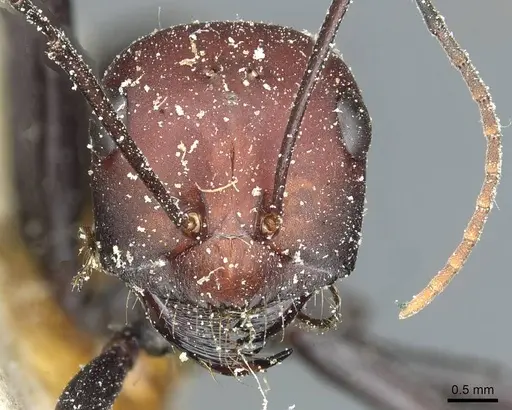
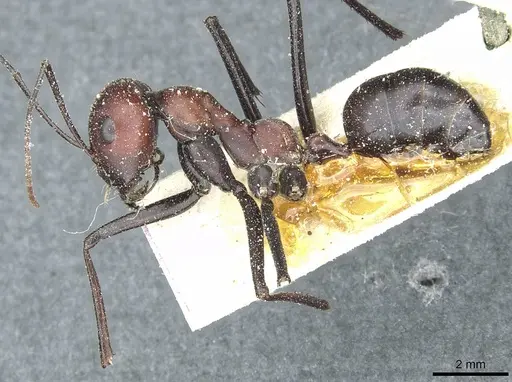
Cataglyphis oasium is a desert ant species belonging to the bicolor species group, found across North Africa and the Middle East. Workers display a distinctive bicolored appearance with a dark body and lighter gaster. This species inhabits arid regions of Tunisia, Algeria, Libya, and Iran, where it forages during the hottest parts of the day . Like other Cataglyphis species, these ants are known for their remarkable navigation abilities in extreme desert conditions. They are solitary foragers, hunting insects and small prey while using visual landmarks and polarized light patterns to find their way back to the nest.
Quick Summary
- Difficulty: Medium
- Origin & Habitat: Desert and semi-arid regions of North Africa (Tunisia, Algeria, Libya) and Iran [1][2].
- Colony Type: Single-queen colonies, typical for Cataglyphis genus.
- Size & Growth:
- Queen: 9-11 mm, inferred from AntWiki
- Worker: 5-9 mm, inferred from AntWiki
- Colony: Up to several hundred workers based on typical Cataglyphis patterns
- Growth: Moderate
- Development: 6-10 weeks at optimal temperature, estimated based on related Cataglyphis species (Development time is temperature-dependent, warmer conditions within safe range accelerate development)
- Antkeeping:
- Temperature: Keep nest area at 26-32°C. This is a desert species that thrives in warm conditions. Provide a temperature gradient so ants can choose their preferred zone. Room temperature (20-24°C) is acceptable but may slow development.
- Humidity: Low to moderate, desert species prefer drier conditions. Keep nest substrate lightly moist, allowing it to dry between water additions. Provide a water tube but avoid excessive moisture that leads to mold.
- Diapause: Yes, provide a winter rest period of 8-12 weeks at 10-15°C, reducing feeding but maintaining water access. This mimics their natural cycle and promotes colony health.
- Nesting: Y-tong or plaster nests work well for this species. They prefer compact chambers with narrow passages. Avoid overly humid or wet substrates. Ensure good ventilation while preventing escapes.
- Behavior: Cataglyphis oasium workers are active foragers, running quickly across the outworld to locate prey. They are not aggressive toward humans and rarely sting. Workers are solitary hunters rather than forming raiding parties. They are excellent escape artists due to their small size and speed, use tight-fitting lids and fluon barriers on any openings. These ants are most active at warmer temperatures and may reduce activity when cooler.
- Common Issues: escape prevention is critical, their small size and speed means they squeeze through tiny gaps easily, overheating is a real risk, while they like warmth, direct heat sources too close can kill colonies, colonies may fail if humidity is too high, these are desert ants adapted to dry conditions, slow founding phase can worry new keepers, queens seal themselves away for weeks or months, wild-caught colonies may carry parasites that cause colony collapse in captivity
Housing and Nest Setup
Cataglyphis oasium does well in Y-tong or plaster formicariums. The key is providing warm, relatively dry conditions with good ventilation. Plaster nests hold humidity well but can be prone to mold if overwatered, let the substrate dry between water additions. Y-tong nests are excellent because they're easy to clean and allow you to control humidity precisely. For the outworld, use a simple container with a textured floor that helps these fast-moving ants maintain traction. Add a shallow water dish and a small piece of sponge for hydration. Escape prevention is essential, these ants are small and quick. Apply fluon or another barrier to the upper rim of the outworld and use a tightly fitting lid. A foraging arena of 10-15cm is sufficient for a developing colony.
Feeding and Diet
In the wild, Cataglyphis oasium are primarily predatory, hunting small insects and arthropods. In captivity, offer protein-rich foods like small crickets, mealworms, fruit flies, and other small insects twice weekly. They typically accept dead prey more readily than some species, making feeding relatively straightforward. Sugar sources are also important, offer a drop of sugar water, honey, or diluted honey water every few days. Fresh killed insects should be removed within 24-48 hours to prevent mold. This species does well with a varied diet, so rotate between different protein sources. Young colonies can be fed small portions more frequently, while established colonies do well with larger prey items offered every 2-3 days.
Temperature and Seasonal Care
As a desert species from North Africa and Iran, Cataglyphis oasium requires warm conditions to thrive. Keep the nest area at 26-32°C during the active season. A temperature gradient is ideal, heat one end of the nest with a heating cable or mat while leaving the other end cooler. This allows the ants to regulate their body temperature by moving between zones. During winter, provide a diapause period of 8-12 weeks at 10-15°C. This simulates their natural seasonal cycle and helps maintain colony health long-term. Reduce feeding during diapause but never let water sources dry completely. In summer, ensure the colony isn't exposed to temperatures above 35°C, as this can be fatal. Room temperature is acceptable but expect slower development.
Colony Development and Growth
A newly mated queen will seal herself in a claustral chamber and lay her first eggs without leaving to forage. She survives entirely on her stored fat reserves and wing muscles, which she breaks down for energy. This founding phase can take 4-8 weeks or longer depending on temperature. The first workers, called nanitics, are often smaller than mature workers but immediately begin foraging to support the colony. Growth rate is moderate, expect the colony to reach 50 workers within 6-12 months under good conditions. Maximum colony size is likely several hundred workers. Patience is key during the founding phase, resist the urge to check on the queen too frequently, as disturbance can cause her to abandon or eat her brood. Once workers emerge, colony growth accelerates noticeably.
Behavior and Observation
Cataglyphis oasium workers are active, fast-moving foragers that establish efficient hunting patterns. Unlike some ants that form recruitment trails, these ants typically forage individually, though they will remember successful food sources and return repeatedly. Watching them navigate is part of the appeal, they use visual cues and can travel impressive distances from the nest. They're not aggressive toward keepers and rarely attempt to sting. Their small size makes them challenging to handle but also makes them fascinating to observe in a well-set-up formicarium. Workers are most active when warm and will reduce movement when temperatures drop. A well-designed setup with a temperature gradient lets you observe their thermoregulation behavior as they move between warmer and cooler zones.
Frequently Asked Questions
How long does it take for Cataglyphis oasium to raise first workers?
From egg to first worker typically takes 6-10 weeks at optimal warm temperatures (around 28-30°C). The queen seals herself in during claustral founding and may take 4-8 weeks before eggs appear, then another 4-8 weeks for the brood to develop. Cooler temperatures significantly slow this process.
What do Cataglyphis oasium ants eat?
They are primarily predatory, eating small insects like fruit flies, small crickets, and mealworms. They also accept sugar sources like honey water or sugar water. Offer protein twice weekly and sugar water constantly during the active season.
What temperature do Cataglyphis oasium need?
Keep them warm at 26-32°C in the nest area. A temperature gradient with one side heated is ideal. They can tolerate room temperature (20-24°C) but will develop more slowly.
Do Cataglyphis oasium need hibernation?
Yes, provide an annual diapause period of 8-12 weeks during winter at 10-15°C. This mimics their natural seasonal cycle in North African and Iranian deserts. Reduce feeding but maintain water access.
How big do Cataglyphis oasium colonies get?
Maximum colony size is likely several hundred workers based on typical Cataglyphis patterns. They are not supercolonial and typically maintain a single queen.
Are Cataglyphis oasium good for beginners?
They are intermediate in difficulty. Their heat requirements and escape-prone nature make them slightly more challenging than beginner species like Lasius. However, their fascinating foraging behavior and relatively straightforward feeding make them rewarding for keepers willing to provide proper warmth.
Can I keep multiple Cataglyphis oasium queens together?
No, this is a single-queen species. Unlike some ants, they do not form multi-queen colonies. Introducing multiple unrelated queens will result in fighting.
When should I move my colony to a formicarium?
Move them once the colony reaches 30-50 workers and the test tube becomes crowded. Cataglyphis prefer snug nests, so don't provide excessive space too early. A Y-tong or plaster nest works well.
Why are my Cataglyphis oasium dying?
Common causes include: too high humidity (desert species need dry conditions), temperatures too cool (slows development and weakens colonies), escapes due to poor barrier maintenance, or parasites from wild-caught colonies. Check that humidity is low, temperatures are warm, and escape prevention is solid.
What is the best nest type for Cataglyphis oasium?
Y-tong or plaster formicariums work best. Both allow you to control humidity precisely. Avoid wooden nests which can mold in humid conditions. Provide good ventilation and relatively dry substrate.
How often should I feed Cataglyphis oasium?
Offer protein (insects) twice weekly for established colonies. Sugar water should be available constantly, replace every 2-3 days. Remove uneaten prey after 24-48 hours to prevent mold. Young colonies may need more frequent small feedings.
Report an Issue
The current care sheet is based fully on literature. See inconsistencies, or something that's incorrect? Please , it will be resolved after review from an admin. Contributing to the blogs tab also helps providing information, to make us be able to further improve the caresheets. Thank you for your support!
References

Lembar perawatan ini dilisensikan di bawah CC BY-SA 4.0 .
Blog Komunitas
CASENT0912184
Lihat di AntWeb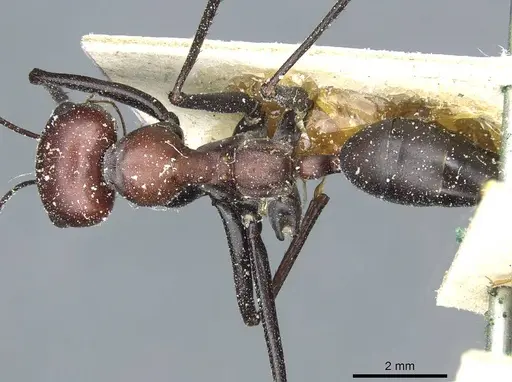
Literatur
Memuat peta distribusi...Memuat produk...